
Transform Your Skin Health with simple, proven tips that actually work. Quick, science-backed routines you can start today for a radiant, healthier complexion. This page centers on skin health improvement through repeatable steps you can implement now. By focusing on the basics—cleansing, hydration, protection, and thoughtfully chosen actives—you can build momentum without overwhelm. Begin with a practical morning routine. Use a gentle cleanser to start the day, then apply a lightweight moisturizer to support skin texture. Finish with a broad-spectrum sunscreen to protect the complexion. If you incorporate actives, consider an antioxidant serum or niacinamide after cleansing and before moisturizing, and then apply sunscreen last. Keeping the sequence simple helps support consistent skin health improvement over time. In the evening, repeat a mild cleanse to remove the day's products. Consider a targeted active such as a retinoid or bakuchiol if appropriate for your routine, starting gradually (for example, every other night) and increasing as tolerated. If you use exfoliation, opt for a gentle approach on a weekly schedule to maintain smooth texture. This approach keeps routine changes manageable while still aligning with science-backed practices. Sustaining skin health improvement comes from consistency and mindful layering. Build a routine that fits your day, avoid overloading products at once, and give each item time to work. Patch-test new items and adjust based on how your skin responds. By keeping things straightforward and steady, you’re setting up a foundation for ongoing, measurable progress.
Transform Your Skin Health: Simple Tips That Work
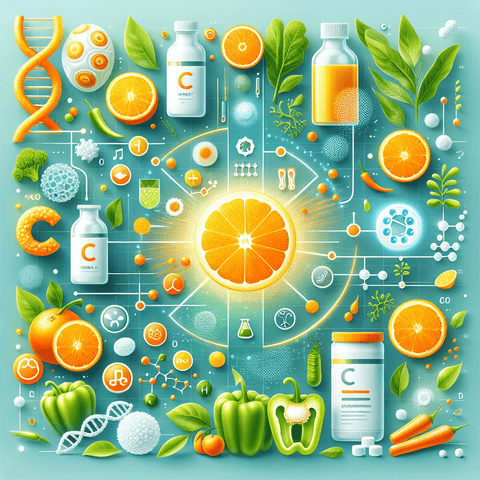
How Vitamin C Works in Your BodyVitamin C, or ascorbic acid, is a water-soluble nutrient that your body cannot produce or store in large amounts. It must be replenished daily through food or supplements. Once absorbed in the small intestine, it enters the bloodstream to support numerous metabolic functions. One of its most important roles is acting as a cofactor in enzymatic reactions, particularly those involved in collagen formation. It also enhances the absorption of non-heme iron from plant foods, helping to prevent iron deficiency. Because the body does not store vitamin C, maintaining a steady intake is essential for these daily processes.Key Benefits of Vitamin C: Immunity, Antioxidant Protection, and CollagenVitamin C is best known for its role in immune health. It supports both innate and adaptive immunity by enhancing the function of white blood cells, reinforcing epithelial barriers, and helping to resolve inflammation. Regular supplementation may reduce the duration and severity of common colds, especially in people under physical stress. As a powerful antioxidant, vitamin C neutralizes free radicals and helps regenerate other antioxidants like vitamin E, protecting cells from oxidative damage that contributes to aging and chronic disease. Additionally, vitamin C is indispensable for collagen synthesis, which keeps skin firm, supports wound healing, and maintains the integrity of blood vessels, tendons, and bones.Practical Tips for Daily IntakeTo get the most from vitamin C, aim for a consistent daily intake rather than occasional megadoses. The tolerable upper intake level for adults is 2,000 mg per day, but typical benefits are seen at 200–500 mg daily. Include vitamin C-rich foods like citrus fruits, bell peppers, and leafy greens, and consider a supplement if your diet is limited. Choose a form that suits your needs—ascorbic acid, buffered forms, or liposomal—for better absorption and tolerance. Always consult a healthcare professional before starting high-dose supplements, especially if you have underlying conditions or are taking medications.