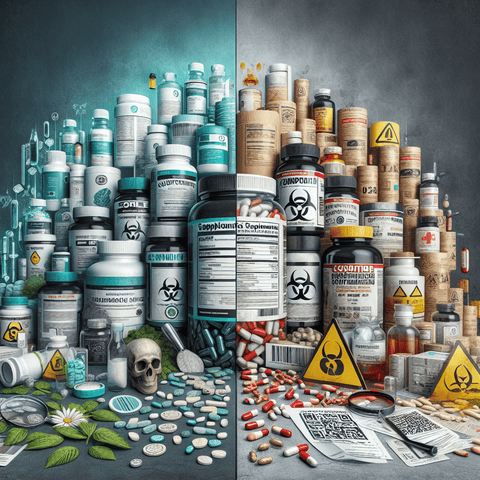
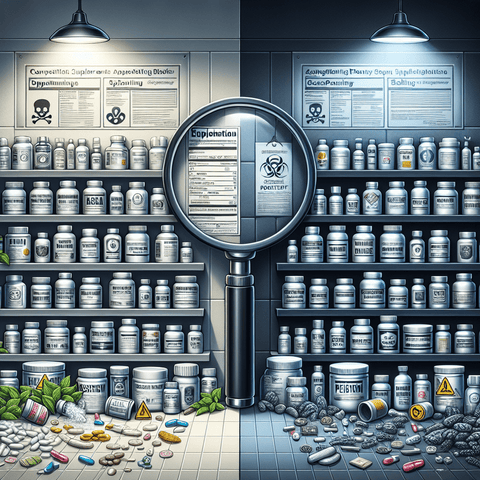
Spotting bogus supplements is an essential skill for anyone who takes vitamins, minerals, or herbal products. Fake and misleading supplements are widespread online, and they can cost you money, delay proper care, or expose you to unsafe ingredients. This guide explains what bogus supplements are, why they matter for your health, the seven red flags that signal a scam, and how to verify a product's quality—so you can make informed, confident decisions about your nutrition.
What Are Bogus Supplements? Understanding Fake and Misleading Products
Bogus supplements are products that deceive consumers about what they contain, what they do, or who makes them. Unlike a simply mediocre supplement, a bogus product is designed—or at least marketed—to mislead. This can involve fake ingredients, fabricated scientific claims, counterfeit packaging of legitimate brands, or doses that bear no resemblance to what the label states.
How bogus supplements differ from low-quality or poorly formulated products
A low-quality supplement may use cheaper ingredient forms, suboptimal doses, or unnecessary fillers while still being honest about its contents. These products are disappointing but not necessarily dangerous. A bogus supplement, by contrast, misrepresents itself: it may contain none of the advertised ingredient, unlisted substances (including prescription drugs in some seized products), or amounts far from what the label claims. The deception—not just the quality—is what separates a bogus product from a merely weak one.
Common types of supplement scams: counterfeit products, miracle claims, and proprietary blends
Three scam patterns dominate the market. Counterfeits imitate established brands and are sold through unauthorized channels, often with incorrect or contaminated contents. "Miracle" products rely on dramatic marketing promises rather than evidence. And hidden proprietary blends list a cocktail of ingredients without disclosing individual amounts, making it impossible to know whether therapeutic doses—or any meaningful doses—are actually included.
Why Spotting Bogus Supplements Matters for Your Health and Wallet
The real risks of fake supplements: wasted money, contamination, and missing nutrients
The most immediate cost is financial: products that do nothing still cost money, sometimes significant amounts through recurring subscriptions. Health risks are more serious. Independent testing has found supplements contaminated with heavy metals, bacteria, or undeclared pharmaceutical compounds. Meanwhile, someone relying on a fake product to address a genuine nutritional gap may continue without the nutrient they actually need, allowing a deficiency to persist unnoticed.
How unverified products can affect people with existing nutrient gaps or health conditions
People with diagnosed deficiencies, restricted diets, or chronic conditions are especially vulnerable. A person with low vitamin D, low iron, or poor absorption may trust a fraudulent product instead of seeking proper assessment and evidence-based support. Others may take bogus products alongside medications without realizing that unknown ingredients can interact with their treatment. In these cases, the scam doesn't just waste money—it can delay appropriate care.
7 Red Flags That Signal a Supplement Scam
Red flag 1: Dramatic promises like "cures," "miracle results," or instant fixes
Legitimate supplements support normal physiological functions; they do not cure diseases or transform your body overnight. Under regulations in the US and EU, supplement marketing may not claim to treat, cure, or prevent disease. Phrases like "miracle cure," "reverses aging," or "works in 24 hours" are strong indicators of deceptive marketing, because no vitamin, mineral, or herb can deliver such effects.
Red flag 2: No clear ingredient list, hidden proprietary blends, or vague labeling
A trustworthy product discloses every active ingredient with its exact amount per serving, plus a full "other ingredients" list. Vague terms like "energy complex" or "immunity blend" without individual amounts make it impossible to assess the dose. If a label hides what's inside or how much, there is usually a reason.
Red flag 3: Missing manufacturer information or unverifiable company claims
Legitimate manufacturers provide a physical address, contact details, and clear company information. If you cannot find who makes the product, where it is produced, or how to reach the company, treat this as a serious warning sign. Reputable companies also stand behind their claims with verifiable references rather than vague appeals to "research."
Red flag 4: Lack of third-party testing or quality certifications
Third-party verification is one of the strongest quality signals available to consumers. Independent programs test products for identity, potency, and contaminants. A product that carries no third-party certification and offers no certificates of analysis may still be fine—but you have no way to know, and companies with nothing to hide typically welcome verification.
Red flag 5: Unrealistic before-and-after testimonials and pressure-based sales tactics
Dramatic transformation photos, invented urgency ("only 3 left!"), countdown timers, and "doctors hate this" framing are classic manipulation tactics. Genuine supplements do not produce visible overnight transformations, and honest brands do not need to rush your decision. Testimonials, unlike clinical trials, are unverifiable and often fabricated.
Red flag 6: Claims that the supplement replaces medical treatment or prescribed medication
Any product suggesting you can stop a prescribed medication in favor of a supplement is a serious red flag—and in some cases, such marketing has been linked to products that actually contained undeclared drugs. Nutritional supplements play a supportive role in nutrition; they are not substitutes for medical care, and replacing treatment with an unverified product can have serious consequences.
Red flag 7: Prices or offers that seem too good to be true, including auto-ship traps
Deep discounts far below market rates, "free trials" that enroll you in expensive auto-ship subscriptions, and hidden recurring charges are hallmarks of supplement scams. Counterfeiters often lure buyers with prices legitimate retailers cannot match. If the deal feels implausible, it usually is.
Common Warning Signs on Supplement Labels and Marketing
Buzzwords that mean nothing: "natural," "detox," "clinically proven" without citations
"Natural" has no strict legal definition for supplements and says nothing about quality or safety. "Detox" products generally have no demonstrated mechanism, since your liver and kidneys already handle detoxification. "Clinically proven" means little without references to specific, relevant human studies. When a claim cites research, ask: which studies, in which populations, at what dose?
Serving-size tricks, filler ingredients, and misleading dose comparisons
Some products advertise an impressive total amount while splitting it across multiple capsules, or list a large "blend" where the first ingredients—listed in order of quantity—are inexpensive fillers. Comparing milligrams across different chemical forms (for example, elemental magnesium versus magnesium compound weight) is another common trick that makes doses look larger than they are. Careful label reading neutralizes most of these tactics.
Why Bogus Supplements Exist: Contributing Factors Behind the Problem
Weak regulatory oversight and the difference between FDA approval and compliance
In the United States, supplements are regulated as a category of food, not drugs. Manufacturers do not need FDA approval before selling a product; the agency steps in mainly after problems are reported. This means products reach the market without pre-market efficacy or safety review, and enforcement capacity is limited relative to the size of the market. Similar frameworks exist in many other countries, where supplements fall under food law rather than pharmaceutical law.
How online marketplaces and social media enable counterfeit and low-quality products
Third-party marketplaces mix verified and unverified sellers, making counterfeits easy to slip through. Social media adds influencer-driven promotion, where paid endorsements masquerade as personal results. Anonymous dropshipping operations can launch a "brand" overnight with no manufacturing transparency. Buying directly from brands or authorized retailers significantly reduces counterfeit risk.
How to Verify a Supplement's Quality Before You Buy
Third-party certifications to look for: USP, NSF, Informed Choice, and GMP
Recognized verification marks include USP Verified, NSF Certified, and Informed Choice or Informed Sport (particularly relevant for athletes concerned about banned substances). GMP (Good Manufacturing Practice) compliance indicates the product was made under controlled, documented conditions. No certification guarantees results, but it substantially reduces the risk of contamination and mislabeling.
How to research a brand: certificates of analysis, transparent labeling, and contactable manufacturers
Many reputable brands publish a certificate of analysis (CoA) from an independent lab showing identity, purity, and potency testing—sometimes accessible via QR code on the packaging. Look for full ingredient disclosure, a reachable customer service team, a real company address, and a plausible, qualified tone in their educational content. A brand that answers questions about sourcing and testing is far more trustworthy than one that hides behind marketing.
How to Read a Supplement Label Like an Expert
Supplement Facts panel: ingredient forms, amounts, and serving sizes explained
The Supplement Facts panel lists each nutrient with its chemical form and amount per serving, plus % Daily Value. Pay attention to the serving size—amounts listed may apply to two, three, or more capsules. The chemical form matters too: for example, magnesium oxide and magnesium citrate are different compounds with different absorption characteristics, even at the same "magnesium" content.
Bioavailability matters: chelated minerals, active vitamin forms, and absorbable nutrients
Bioavailability refers to how much of a nutrient your body can actually absorb and use. Chelated mineral forms (such as magnesium glycinate or zinc bisglycinate) are often absorbed more comfortably than inorganic forms. For some vitamins, "active" forms—such as methylcobalamin for vitamin B12—exist alongside cheaper precursor forms. Evidence comparing forms is not equally strong for every nutrient, but for certain minerals and vitamins, form meaningfully affects absorption and tolerability.
Added ingredients, allergens, and fillers to check before purchasing
Check the "other ingredients" list for allergens (gluten, soy, dairy, shellfish), unnecessary colorants, and excessive sweeteners or fillers—especially if you take supplements daily. Also verify suitability for your needs: vegan certifications, capsule type (gelatin versus cellulose), and any warnings for specific groups.
Do You Even Need a Supplement? Diet and Lifestyle First
When food sources and dietary patterns may be enough for your nutritional needs
For most people eating a varied, balanced diet, a well-planned eating pattern covers the majority of nutrient needs. Foods provide nutrients in forms and combinations that are generally well absorbed, along with fiber and phytochemicals. Fatty fish provides omega-3s, dairy and leafy greens supply calcium, nuts and seeds contribute magnesium, and citrus and vegetables deliver vitamin C. Supplementation is best viewed as a targeted tool, not a dietary foundation.
Lifestyle, age, diet, and absorption factors that influence individual nutrient needs
Nutritional requirements vary considerably. Age, pregnancy and breastfeeding, vegan or restrictive diets, alcohol intake, smoking, limited sun exposure, intense athletic training, and gastrointestinal conditions can all increase requirements or reduce absorption. Some medications also interfere with nutrient metabolism. Two people with identical diets can therefore have very different nutritional statuses.
Why blood testing and professional assessment matter before supplementing
Symptoms such as fatigue, poor sleep, or muscle cramps are non-specific and can have many causes—nutritional and otherwise. Where validated tests exist (for example, for vitamin D, B12, folate, or iron status), blood testing provides far more useful information than guessing. A healthcare professional can help interpret results in context and determine whether, and at what level, supplementation makes sense for you.
When Supplementation May Be Genuinely Relevant
Situations where dietary intake may fall short: restricted diets, life stages, and absorption issues
Research and public health guidance identify several groups where intake of specific nutrients may fall short. Vegans and vegetarians may need attention to vitamin B12, iron, zinc, and omega-3 (DHA/EPA). Pregnant women have elevated folate, iron, and iodine requirements. Older adults may absorb less B12 and synthesize less vitamin D. People with celiac disease, inflammatory bowel disease, or bariatric surgery history often have impaired absorption of multiple nutrients. In these situations, targeted supplementation may be worth discussing with a professional.
General nutritional support versus products marketed as treatment
A legitimate supplement fills a documented or plausible nutritional gap. A product marketed as "treatment" for a disease is overstepping what supplements can legally and scientifically do. When evaluating any product—whether a multivitamin for general nutritional support or a single nutrient—ask what gap it fills, at what dose, and on what evidence.
How to Choose a Trustworthy Supplement Instead of a Scam
Single-ingredient versus combination products: which suits your goal
Single-ingredient products make it easy to control dose, avoid unnecessary nutrients, and identify side effects. Combination formulas—such as a broad-spectrum mineral complex—can be convenient and cost-effective for general support. Choose based on your goal: precision favors single ingredients; convenience may favor well-designed combinations.
Matching the form to your needs: capsules, tablets, powders, and liquids
Capsules are generally easy to swallow and dissolve readily; tablets are often more affordable and stable but may contain more binders; powders suit people who dislike swallowing pills or need higher doses; liquids may suit those with swallowing difficulties, though some nutrients are less stable in solution. The best form is the one you will take consistently at the right dose.
Dosage, concentration, and staying within safe intake levels
More is not better. Nutrients have established upper intake levels above which adverse effects become more likely—fat-soluble vitamins like A and D accumulate in the body, and excess minerals such as iron or selenium can be harmful over time. Compare the label amount with recommended intakes and upper limits, and account for nutrients already present in fortified foods or other supplements you take.
Safety Considerations: Interactions, Upper Limits, and Special Situations
Medication interactions and nutrient upper intake levels to be aware of
Supplements can interact with medications. Vitamin K can affect anticoagulants such as warfarin; high-dose vitamin E may increase bleeding risk; St. John's Wort interacts with numerous drugs; and minerals can reduce absorption of certain antibiotics when taken together. Long-term intake above the upper limit—particularly for vitamin A, vitamin D, iron, zinc, and selenium—carries documented risks.
Pregnancy, chronic conditions, and when to consult a healthcare professional first
During pregnancy and breastfeeding, requirements change substantially, and some nutrients and herbs are unsafe at higher intakes. People with kidney or liver disease, those preparing for surgery, and anyone taking prescription medication should consult a healthcare professional before starting new supplements. This is especially important with high-dose products, herbal preparations, and anything from an unverified source—such as herbal supplements, where quality and identity testing matter most.
Your Checklist for Spotting Bogus Supplements and Choosing with Confidence
Quick-reference summary of the 7 red flags
- Miracle claims: promises to cure, reverse, or deliver instant results
- Opaque labeling: hidden proprietary blends or missing amounts
- Ghost manufacturer: no address, no contact details, unverifiable company
- No verification: absence of third-party testing or certificates of analysis
- Manipulation tactics: fake urgency, unrealistic testimonials, pressure selling
- Treatment claims: positioning the product as a replacement for medication
- Too-good deals: implausible prices and auto-ship subscription traps
Final decision guide: dietary changes, verified products, and informed choices
Start with diet: can the gap be closed through food? If not, consider whether testing or professional assessment would clarify your actual needs before buying anything. If supplementation is appropriate, choose products from transparent manufacturers with third-party verification, honest labeling, and doses aligned with evidence—not marketing. Quality brands of vitamins and supplements will always welcome scrutiny rather than avoid it.
Key Takeaways
- Bogus supplements misrepresent their contents, effects, or origins—unlike low-quality products, which are simply poorly formulated.
- Dramatic cure claims, hidden proprietary blends, and missing manufacturer information are among the clearest scam indicators.
- Supplements cannot legally or scientifically claim to treat, cure, or prevent disease, and they never replace prescribed medication.
- Third-party certifications (USP, NSF, Informed Choice) and certificates of analysis are the strongest consumer-accessible quality signals.
- "Natural," "detox," and "clinically proven" are meaningless without specific, verifiable evidence.
- A varied, balanced diet covers most nutrient needs; supplementation is a targeted tool, not a default.
- Nutrient requirements vary widely by age, diet, life stage, absorption, and medication use—symptoms alone cannot confirm a deficiency.
- Blood testing and professional assessment provide more reliable guidance than guessing.
- Respect upper intake levels: more is not better, and some nutrients are harmful in excess.
- Implausibly low prices and auto-ship traps are classic signs of counterfeit or scam operations.
Frequently Asked Questions
What is the biggest red flag when buying supplements online?
Disease-cure claims are the single clearest warning sign. Any product promising to cure, reverse, or treat a condition is violating supplement regulations and misrepresenting what the product can do. Combine this with anonymous sellers and missing contact information, and you have a near-certain scam.
How can I tell if a supplement is FDA approved?
You generally can't, because supplements do not receive FDA approval. The FDA regulates supplements under food law, meaning manufacturers are responsible for safety and labeling before products reach the market. Look for third-party certifications like USP or NSF instead, which offer independent verification of quality.
What is a proprietary blend, and why is it a problem?
A proprietary blend lists multiple ingredients under one total weight without disclosing how much of each is included. This makes it impossible to know whether any ingredient is present at an effective dose. Reputable manufacturers disclose the exact amount of every active ingredient.
Are "natural" supplements automatically safer?
No. "Natural" is a marketing term with little regulatory meaning for supplements. Natural substances can be potent, contaminated, or interact with medications, while synthetic nutrients can be safe and effective. The form, dose, and purity matter far more than the label's origin story.
How do I check if a supplement brand is legitimate?
Look for a physical address, responsive customer service, full ingredient disclosure with amounts, third-party testing or certificates of analysis, and realistic, referenced health claims. A quick search for the brand name plus "lawsuit," "recall," or "FDA warning letter" can also reveal useful information.
Can fake supplements actually be dangerous?
Yes. Products sold as supplements have been found to contain undeclared prescription drugs, heavy metals, and other contaminants. Even when not actively harmful, fake products can leave a genuine deficiency untreated, indirectly affecting health.
What does third-party testing actually verify?
Independent laboratories test whether the product contains what the label claims, at the stated potency, and check for contaminants such as heavy metals, microbes, and in some programs, banned substances. Certification marks indicate ongoing, periodic testing rather than a one-time check.
Is it safe to buy supplements from online marketplaces?
It carries more risk than buying directly from brands or authorized retailers, because third-party sellers can list counterfeit or tampered products. If you do buy through a marketplace, verify that the seller is the brand itself or an authorized dealer, and inspect packaging on arrival.
Do I need a supplement if I eat a healthy diet?
Often not. A varied, balanced diet usually covers most nutrient needs. However, certain groups—vegans, pregnant women, older adults, and people with absorption issues—may have higher requirements for specific nutrients such as B12, vitamin D, or iron, which testing can help clarify.
Can you take too much of a vitamin or mineral?
Yes. Nutrients have established upper intake levels, and exceeding them over time can cause harm—particularly fat-soluble vitamins (A, D, E, K) and minerals like iron, selenium, and zinc. Always account for the total dose from all supplements and fortified foods you consume.
What should I do if I suspect a supplement is fake?
Stop taking it, keep the packaging, and report the product to your national regulator—such as the FDA's MedWatch program in the US or relevant food safety authorities elsewhere. Contact your retailer for a refund, and consult a healthcare professional if you experienced adverse effects.
How long before a legitimate supplement "works"?
It depends on the nutrient and your starting status. Correcting a genuine deficiency may take weeks to months, and benefits are typically a return to normal function rather than a noticeable "effect." A supplement that promises immediate dramatic results is marketing a fantasy, not nutrition.
Related Keywords
- spotting bogus supplements
- fake supplement red flags
- supplement scam warning signs
- counterfeit vitamins
- proprietary blend supplements
- third-party tested supplements
- USP verified supplements
- how to read a supplement label
- supplement bioavailability
- supplement safety and interactions
- nutrient upper intake levels
- supplement quality certifications
- are supplements FDA approved
- choosing quality vitamins