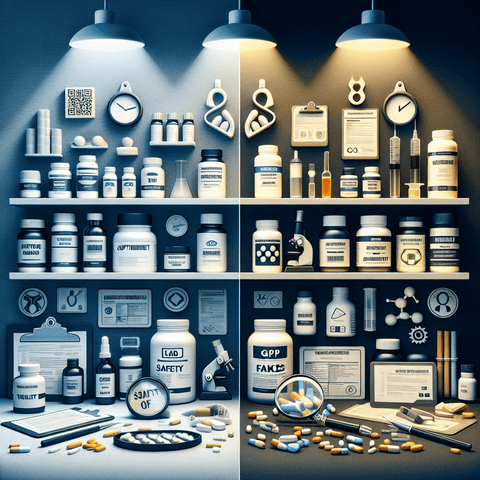
The market for vitamins and supplements offers a wide range of choices, but it also presents opportunities for counterfeiters. Spotting fake health products before you buy is an essential skill for protecting both your wallet and your well-being. This guide serves as a central resource for understanding the common warning signs of illegitimate supplements, the importance of verifying a product's authenticity, and the practical steps you can take to make safer purchasing decisions. Whether you are new to supplements or a regular shopper, this overview will help you navigate the landscape with more confidence.
Understanding Why Fake Health Products Exist
The incentive to create counterfeit health products is driven by the potential for profit. Popular and trusted brands often become the primary targets for these schemes because consumers are more likely to buy a familiar name without question. Fake products are seldom designed to provide the benefits of the genuine item; instead, they are created to capitalize on a brand's reputation and the consumer's desire for a specific outcome. This often involves cutting corners on ingredients, quality control, and safety testing, which is why it's crucial to remain vigilant.
The internet, and particularly third-party marketplaces, has made it easier for these fraudulent operations to reach a global audience with relative anonymity. The most effective defense is a combination of education and consistent verification checks. By understanding the motivations behind these scams, you can better appreciate why rigorous checks are not just a good idea, but a necessary part of buying health products.
The 7 Red Flags of a Potentially Fake Product
While no single sign is definitive proof of a counterfeit item, the presence of multiple red flags should significantly raise your suspicion. Here are seven key indicators to watch for when evaluating a health product.
- Unrealistically Low or Discounted Prices: If the price is significantly lower than the official manufacturer's suggested retail price, it's a major warning sign. This is a classic lure to attract bargain hunters.
- Incomplete or Poor Quality Labeling: Look for missing ingredient lists, unclear usage instructions, or absent warnings and manufacturer information. Labels with misspellings, inconsistent fonts, or sloppy design often point to a hastily produced fake.
- Lack of Transparent Seller Information: A legitimate seller should have a verifiable physical address and clear contact details. A lack of this information, or a seller who is evasive about it, is a significant red flag.
- High-Pressure Urgency Tactics: Be wary of language designed to force a quick decision, such as “limited stock” or “today only.” Legitimate sales are rarely accompanied by such aggressive pressure to buy immediately.
- Compromised Packaging: Check for signs of tampering, such as broken seals, mismatched caps, or packaging that appears to have been opened and resealed. Also be suspicious of packaging that looks significantly different from what you see on the official brand's website.
- Missing or Unverifiable Batch/Lot Numbers and Expiration Dates: These are key identifiers for legitimate products. If they are missing, illegible, or cannot be verified by the manufacturer, the product's authenticity and quality should be questioned.
- Unverified Endorsements or Dubious Reviews: Claims of approvals, affiliations, or celebrity endorsements that cannot be independently verified on official websites are often fabricated. Similarly, be cautious about reviews that seem overly promotional or are impossible to trace back to verified purchasers.
Steps to Verify a Product's Authenticity
Taking a proactive approach to verifying a product before purchase is the most effective way to avoid falling for a fake. This process involves a few simple but crucial steps that can be performed for most health products.
- Compare with the Official Manufacturer: Go to the brand's official website and carefully compare the product's label, packaging, and price with what you are considering purchasing. Look for any discrepancies in design, ingredient lists, or branding.
- Check for Legitimate Certifications: Look for logos of third-party testing organizations or quality seals. You should be able to verify these certifications independently on the certifying body's website.
- Contact the Seller or Manufacturer: Independently reach out to the company via the contact details on their official website to confirm the authenticity of a specific listing or retailer. A legitimate business should be able to address your concerns.
- Use Secure and Reputable Payment Methods: Use credit cards or other secure payment platforms that offer buyer protection. This provides a layer of recourse if the product turns out to be fake.
Practical Shopping Strategies for Supplements
Beyond individual product checks, adopting broader shopping strategies can further reduce your risk. Relying on reputable sellers and maintaining good records are habits that contribute to safer purchasing overall.
When buying from third-party marketplaces, it is often safer to purchase directly from the official brand's storefront rather than a random third-party seller. Once you receive a product, save the receipt, the original packaging, and even a photo of the product and its labels. This information is essential if you need to report a suspect product. If you believe you have purchased a counterfeit item, you should report it to the manufacturer, the platform where you bought it, and your local consumer protection agency. Exploring our range of healthy origin supplements from established brands can also be a starting point for a more secure shopping experience.
Key Concepts to Understand About Product Safety
Understanding a few broader concepts about supplements can help you become a more discerning consumer. This goes beyond just looking for fakes and touches on the very nature of the products themselves.
The Difference Between Verification and Approval
It's important to distinguish between a product being independently verified for quality and a product being officially approved by a health authority. Regulations for supplements differ from those for pharmaceuticals. Third-party verification is a process where a lab tests a product to ensure it contains what the label says. While this is a strong marker of quality, it is different from a regulatory body officially approving a product for sale. Be aware of which standard a claim refers to, and be suspicious if this distinction is muddled.
What to Look For in a Finished Supplement
When evaluating any supplement, consider different product categories independently. For example, the way you might assess a multivitamin's ingredient profile will differ from how you might look at a single-ingredient product like a herbal extract. Ensure the product's packaging clearly states all active and inactive ingredients, the exact dosage per serving, and the manufacturer's contact information. Good labeling is a fundamental sign of a professional and legitimate product.
Building a Safer Routine for Your Wellness Purchases
Making safety a routine part of your shopping habits is the ultimate goal. It means consistently applying the verification steps and staying informed about the latest tactics used by counterfeiters. Focusing on reputable sources and brands that have long histories and transparent practices is an effective strategy. You can browse a selection of products from brands with established quality control practices within our Nature's Plus supplement collection to get a sense of what established suppliers offer. Ultimately, your health is the most valuable investment, and taking the time to verify your purchases is an important part of protecting it. This guide serves as the first step in that ongoing process, and you can find more detailed advice on specific scenarios in our individual blog articles.