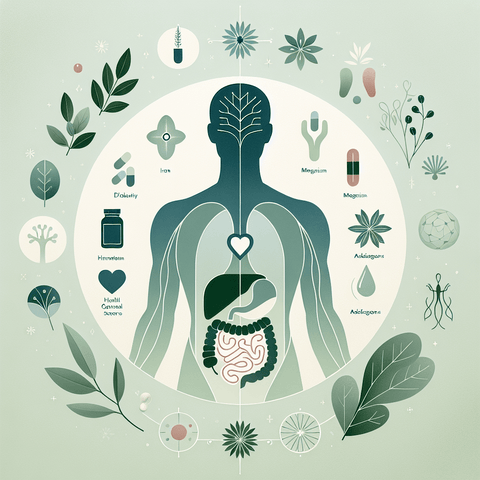
Beat Stress-Related Fatigue: Simple Ways to Restore Energy


Summary of Stress-Related Fatigue and its Impact

Stress-related fatigue is a common issue that manifests as persistent tiredness due to prolonged exposure to stressors. It can significantly impact daily life, work performance, and mental health. Individuals experiencing this fatigue may find it challenging to concentrate and manage everyday tasks, leading to decreased motivation and productivity.

Understanding the Causes and Consequences

Chronic stress activates the hypothalamic-pituitary-adrenal (HPA) axis, elevating cortisol levels that can disrupt various bodily functions. Poor sleep quality, unbalanced nutrition, and inadequate hydration further exacerbate this condition. Nutritional support, particularly through essential nutrients like magnesium, vitamin D, and B vitamins, can play a vital role in restoring energy levels.

Practical Strategies for Management

  • Focus on improving sleep quality and managing stress for better energy restoration.
  • Incorporate a balanced diet rich in essential nutrients.
  • Utilize multivitamins as a supportive measure when necessary.

Understanding how to combat stress-related fatigue—through lifestyle adjustments and nutritional support—can lead to significant enhancements in overall well-being. It’s essential to seek professional advice tailored to your unique needs for optimal management.


What deficiency causes extreme fatigue? - Topvitamine
Sep 30, 2025
Adrenal fatigue is a term used to describe exhaustion linked to chronic stress, though it's not an official medical diagnosis. This article explains the common symptoms attributed to adrenal fatigue, conditions that mimic it, and a safe protocol for managing stress and supporting energy levels. We also clarify the critical difference between adrenal fatigue and the medical condition adrenal insufficiency, including warning signs that require a doctor's attention.

In today's fast-paced world, stress-related fatigue has become an all-too-familiar experience for many. It can drain your energy, disrupt your life, and compromise your overall well-being. This article explores what stress-related fatigue means, why it matters, and offers simple yet effective strategies to restore your vitality. From basic nutrition to enhancing sleep quality and incorporating stress management techniques, you’ll learn practical steps to improve your energy levels. Whether through lifestyle adjustments or targeted nutritional supplements, understanding how to combat this pervasive issue can lead to significant enhancements in your daily functioning and quality of life.

Introduction to Stress-Related Fatigue: Understanding the Energy Drain

What stress-related fatigue means in everyday life

Stress-related fatigue refers to persistent tiredness that can stem from prolonged exposure to stressors, whether they are physical, emotional, or environmental. People experiencing this type of fatigue often find it difficult to concentrate, feel overwhelmed, and may struggle to carry out daily tasks. It manifests as a consistent lack of energy and can affect one's mood, motivation, and productivity.

Why readers should care: impact on work, mood, and daily functioning

Understanding stress-related fatigue is crucial as it can have detrimental effects on work performance, personal relationships, and overall mental health. Chronic fatigue can lead to irritability, decreased efficiency at work, and withdrawal from social activities. Recognizing and addressing these issues can improve both personal and professional aspects of life.

Preview of practical steps, including nutrition and supplements

This article will cover various practical strategies to combat stress-related fatigue, including nutritional adjustments, improving sleep quality, and managing stress. We will also explore the role of nutritional supplements in restoring energy and supporting recovery without making exaggerated claims. Each reader's journey will differ, and understanding these nuances is key.

Core Explanation: How Stress-Related Fatigue Develops

The biology of stress and energy: HPA axis, cortisol, and adrenaline

When under stress, the body’s hypothalamic-pituitary-adrenal (HPA) axis becomes activated, resulting in the release of hormones such as cortisol and adrenaline. These hormones prepare the body for a 'fight or flight' response, which, if prolonged, can lead to an energy drain and fatigue. Elevated cortisol levels can disrupt numerous bodily functions, making recovery and energy restoration more challenging.

Sleep, sleep quality, and circadian rhythm: the healing cycle for energy

Adequate sleep is critical for overall health and energy restoration. Chronic stress often disrupts sleep patterns, leading to poor sleep quality and reduced restorative processes. Understanding your circadian rhythm can help regulate your sleep-wake cycle, fostering better energy levels during the day.

Nutrition and hydration basics: fueling the body for resilience

The food we consume plays a significant role in our energy levels and resilience to stress. A balanced diet rich in nutrients can support metabolic processes, while proper hydration is vital for cognitive and physical functions. Foods rich in antioxidants, B vitamins, iron, and Omega-3 fatty acids contribute positively to energy management.

Physical activity, recovery, and fatigue: balancing exertion and rest

While exercise is essential for overall health, too much physical activity without adequate recovery can contribute to fatigue. It's important to find a balance between maintaining an active lifestyle and allowing the body necessary time to recover. Incorporating recovery strategies such as proper nutrition and sleep will help restore energy.

Psychological stress and cognitive load: mental energy as a resource

Mental fatigue can often be overlooked, but cognitive load and psychological stress can significantly impact energy levels. As cognitive resources are consumed throughout the day, it can lead to exhaustion. Techniques such as mindfulness and mental breaks can help mitigate the effects of psychological stress, allowing for better energy management.

Why This Topic Matters: Real-World Consequences

Daily performance, motivation, and concentration

Stress-related fatigue can severely impair daily performance, leading to decreased motivation and difficulty concentrating. This can manifest in mistakes at work, missed deadlines, and challenges in personal relationships. Recognizing and addressing fatigue is vital for maintaining productivity.

Short-term health risks and long-term implications of chronic fatigue

Short-term effects of stress-related fatigue can include headaches, digestive issues, and weakened immune function. In the long run, chronic fatigue may contribute to serious health conditions such as depression, anxiety disorders, and cardiovascular diseases. Acknowledging the importance of combating fatigue is imperative for long-term health.

Economic and relationship costs of persistent energy gaps

Persistent fatigue can lead to increased healthcare costs and lower economic productivity, not to mention the emotional toll on personal relationships. Understanding and managing stress-related fatigue can yield substantial benefits in various aspects of life.

Related Symptoms, Signals, and Health Implications

Common fatigue-related symptoms: brain fog, low mood, irritability, reduced endurance

Common symptoms of stress-related fatigue include brain fog, low mood, irritability, and a general decline in physical endurance. Recognizing these signals can help individuals take the necessary steps to manage their fatigue effectively.

Signals pointing to deeper issues: iron deficiency, thyroid imbalance, sleep disorders, dehydration

In some cases, fatigue can signal underlying health issues such as iron deficiency, thyroid imbalances, or sleep disorders. It’s important to be aware of these potential red flags and consult a healthcare professional if necessary.

Red flags requiring medical evaluation (unexplained weight change, chest pain, fainting, severe shortness of breath)

If an individual experiences unexpected weight changes, persistent chest pain, fainting, or severe shortness of breath, these symptoms suggest the need for immediate medical evaluation. Early intervention can address potential underlying causes of fatigue.

Individual Variability and Uncertainty: Energy Is Personal

Genetic and metabolic factors affecting energy production and utilization

Each individual’s energy levels can be influenced by genetic and metabolic factors. Variability in how our bodies produce and utilize energy means that what works for one person might not for another. Personalizing any intervention is key.

Life stage, gender, hormonal influences (e.g., pregnancy, menopause)

Life stages and hormonal changes, such as those experienced during pregnancy or menopause, can dramatically affect energy levels. Understanding these influences is crucial for managing fatigue appropriately in different stages of life.

Lifestyle diversity: caffeine sensitivity, shift work, exercise routines

Individual preferences and lifestyles play a significant role in energy management. Factors like caffeine sensitivity, work shifts, and exercise routines can influence overall energy levels and how one responds to stress.

The role of uncertainty: different people respond differently to the same stressors

Uncertainty is inherent in stress management—individuals react differently to the same stressors based on past experiences, coping mechanisms, and biological factors. Recognizing this variability can promote a more individualized approach to fatigue management.

Why Symptoms Alone Do Not Reveal the Root Cause

Symptom overlap: fatigue can mask many underlying conditions

Fatigue often overlaps with various medical conditions, making it challenging to pinpoint the exact cause. This symptom overlap highlights the importance of comprehensive assessments to identify underlying issues.

The value of targeted testing and professional assessment

A thorough evaluation by a healthcare professional can help unveil the root causes of fatigue. Targeted testing can identify deficiencies or imbalances that may be contributing to one’s energy challenges.

Safe self-management steps while seeking clarity

While seeking professional guidance, individuals can implement safe self-management strategies like tracking symptoms, adjusting diets, and establishing healthy sleep habits. These steps may provide clarity on their energy issues.

The Role of Nutritional Supplements in Stress-Related Fatigue

What supplements can realistically influence energy and fatigue

Nutritional supplements can play a supportive role in managing stress-related fatigue by providing nutrients that the body may lack. However, it’s important to approach supplementation with realistic expectations and understand that they are just one aspect of an overall strategy.

Evidence snapshot: key nutrients linked to energy (iron/ferritin, vitamin D, B vitamins, magnesium, CoQ10, omega-3s)

Several nutrients have been linked with energy production, including iron, vitamin D, B vitamins, magnesium, Coenzyme Q10 (CoQ10), and omega-3 fatty acids. Adequate levels of these nutrients can positively influence energy and resilience against stress.

Safety, quality, and interactions: choosing high-quality products matters

Choosing high-quality supplements is essential for safety and efficacy. Look for products that undergo rigorous testing to ensure they contain accurate ingredient amounts and are free from contaminants.

Common misconceptions and when supplements are unlikely to help

There is a misconception that supplements alone can resolve fatigue. However, if the underlying causes are not addressed—such as poor sleep or inadequate nutrition—supplements may have limited impact.

How Nutritional Supplements Could Support: Practical Mechanisms

Mechanisms that may support energy: mitochondrial function, red blood cell production, neurotransmitter synthesis

Key nutrients support various bodily mechanisms, such as mitochondrial function, red blood cell production, and neurotransmitter synthesis, which are essential for energy. Understanding these processes can enhance the effectiveness of nutritional interventions.

Integrating supplements into a broader plan: sleep, nutrition, stress management, activity

Supplements should be considered as part of a comprehensive approach that includes sleep hygiene, nutrition, stress management techniques, and physical activity. A well-rounded strategy promotes balanced energy levels.

Practical guidance on dosing, timing, and monitoring effects

Proper dosing and timing of supplements can optimize their effects. It's crucial to monitor how changes affect your energy levels, allowing for adjustments based on individual responses to supplementation.

When to avoid relying on supplements as the sole solution

Supplements should enhance, not replace, healthy lifestyle choices. Relying solely on them without addressing fundamental issues, like stress management or nutritional intake, can limit their effectiveness.

Decision-Support: When Nutritional Supplements Make Sense

A reader-friendly decision flow: questions to ask before starting supplements

Before beginning any supplement regimen, consider evaluating your diet, lifestyle, and symptoms. Ask yourself if you have identified specific deficiencies, if dietary adjustments have been made, and if you are prepared to monitor the effects.

Deficiency testing and objective criteria that inform supplement use

Certain tests can provide valuable insights into nutritional deficiencies. Working with a healthcare provider to evaluate blood levels of vitamins and minerals can guide supplement use effectively.

A stepwise approach: start low, monitor impact, adjust, and seek professional input

For those new to supplements, a stepwise approach is advisable. Starting with lower doses, observing how your body responds, and adjusting accordingly can prevent overwhelming side effects and enhance effectiveness.

Red flags that suggest seeking medical advice before or instead of supplements

Prior to starting supplements, individuals experiencing significant health issues or those taking medications should consult a healthcare professional. This can prevent potential interactions and surface underlying health problems that need attention.

Situations Where Nutritional Supplements Become Especially Relevant

Diagnosed deficiencies and restricted or unbalanced diets

Individuals with diagnosed nutrient deficiencies or those following restricted diets may particularly benefit from nutritional supplements. These products can help bridge nutritional gaps contributing to fatigue.

Increased energy demands: athletes, pregnant or breastfeeding individuals, older adults

Certain groups, such as athletes, pregnant or breastfeeding individuals, and older adults, often have increased energy needs. Targeted supplementation can help meet these demands and support overall well-being.

Absorption or metabolism considerations: GI conditions, aging, medications

Some individuals may struggle with nutrient absorption due to gastrointestinal conditions, aging, or the effects of medications. Understanding individual needs can enhance the effectiveness of dietary and supplemental interventions.

Stress resilience and mood support: where certain nutrients may help trade off fatigue and mood

Certain nutrients may provide mood support and enhance resilience against stress. Integrating these nutrients into a diet can help mitigate fatigue's impact on mental well-being.

Prioritizing nutrients for fatigue management in real-life scenarios

Identifying and prioritizing key nutrients based on individual lifestyles and symptoms can make a notable difference. Focusing on adequacy in diet may reduce the necessity for supplementation.

How to Choose Quality Supplements on Topvitamine

Criteria for quality: third-party testing, transparent ingredients, appropriate dosing

When selecting supplements, look for those that undergo third-party testing to verify quality. Transparency about ingredients and appropriate dosing recommendations are critical factors to consider.

How to match supplements to your needs (iron, vitamin D, B vitamins, magnesium, CoQ10, multivitamins, omega-3s, adaptogens)

Choose supplements that align with your specific energy needs, whether you require iron for anemia, vitamin D for bone health, or B vitamins for metabolic support. Tailoring your supplement choices helps maximize benefits.

Practical tips for safe use: start with a baseline, consider interactions, read labels carefully

Always begin with a baseline understanding of your health. Take the time to read labels, consider possible interactions with medications, and consult guidelines for safe supplement use.

How Topvitamine can help: product variety, clear labeling, and resources for informed choices

Topvitamine offers a variety of high-quality products, clear labeling, and educational resources to assist informed choices regarding nutritional supplements to support energy and wellbeing.

Conclusion: Connecting Stress-Related Fatigue Advice to Actionable Steps

Key takeaways: address sleep, nutrition, stress, and activity first; consider supplements as a support when appropriate

  • Recognize the symptoms of stress-related fatigue and their impact on daily life.
  • Improve sleep quality and manage stress to restore energy effectively.
  • Incorporate a balanced diet rich in essential nutrients.
  • Use nutritional supplements thoughtfully to support energy where appropriate.
  • Understand the importance of individual variability in energy management.
  • Seek professional advice to tailor nutritional strategies to your specific needs.

Leveraging evidence and uncertainty: use a plan, monitor results, and seek guidance

By acknowledging individual differences and implementing a strategic approach to restoration, you can effectively combat stress-related fatigue. Monitoring your progress and adjusting your strategies can improve outcomes.

Next steps: explore relevant supplement options on Topvitamine to support your energy goals

Visit Topvitamine to explore quality supplement options that can aid in your journey toward increased energy and improved well-being.

Frequently Asked Questions

Do supplements really fix fatigue?

While supplements can help address specific deficiencies and support overall energy levels, they are not a cure-all for fatigue. It’s essential to consider lifestyle factors such as diet, sleep, and stress management.

Which nutrients are most commonly linked to fatigue?

Nutrients such as iron, vitamin D, B vitamins, magnesium, and omega-3 fatty acids are widely recognized for their roles in energy production and sustaining overall vitality.

How soon might I notice an effect after starting a supplement?

The time it takes to notice effects from supplements can vary based on individual biochemistry and the type of nutrient. Some individuals may feel changes within a few days, while others may take weeks or longer.

What red flags require medical evaluation before supplement use?

Symptoms such as unexplained weight fluctuations, persistent chest pain, severe dizziness, and extreme fatigue warrant medical evaluation before initiating any supplementation plan.

How should I talk to a clinician about fatigue and supplements?

When discussing fatigue with a clinician, be open about your symptoms, lifestyle, and any supplements you are considering. This helps ensure you receive personalized, well-rounded advice based on your needs.

Keywords

stress-related fatigue, energy restoration, nutritional supplements, fatigue management, health and wellness, lifestyle changes, nutrients for energy, individualized approach, sleep quality, dietary supplements