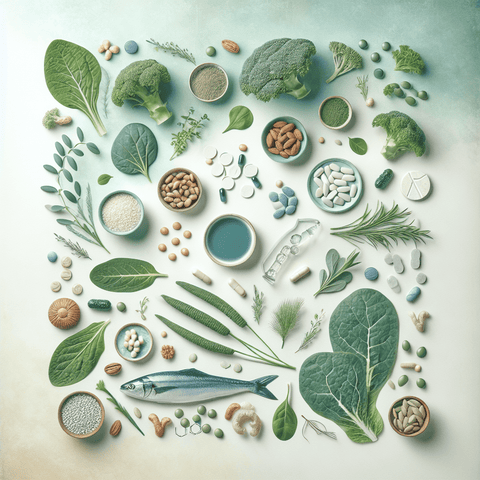
Stress relief supplements can be beneficial for individuals seeking to manage stress more effectively. In this article, you will learn about various supplements that may support stress reduction, how they work in the body, and practical tips for selecting and using these products. Understanding the role of these supplements is essential, especially in a fast-paced, highly stressful world where chronic stress can lead to a host of health issues.
Introduction to stress relief supplements
Define stress relief supplements and why readers explore them
Stress relief supplements refer to a range of dietary products designed to help reduce stress and promote relaxation. These supplements are often sought by individuals struggling to cope with the demands of modern life, seeking natural alternatives to manage their stress response.
What this article will cover: evidence, variability, practical tips, and how to buy on Topvitamine
This article will provide evidence-based insights into different types of stress relief supplements, their mechanisms of action, practical dosing guidelines, and tips for purchasing these products from Topvitamine. It aims to empower readers to make informed decisions regarding their stress management strategies.
Quick note on scope: supplements as a support, not a replacement for professional care
It is important to note that while stress relief supplements can provide support, they should not replace professional medical care. Individuals experiencing significant stress or mental health issues should consult with a healthcare provider for comprehensive guidance.
Core explanation of the topic
What are stress relief supplements? Categories and examples
Stress relief supplements can be categorized into several types, each offering unique benefits:
- Herbal adaptogens: Plants like ashwagandha and rhodiola that help the body adapt to stress.
- Minerals: Magnesium supports many brain functions and helps regulate neurotransmitters associated with stress management.
- Vitamins: B-complex vitamins play critical roles in energy production and stress inhibition.
- Amino acids: Such as L-theanine, known for its calming effects.
- Omega-3 fatty acids: Found in fish oil, these have anti-inflammatory properties that may counteract stress effects.
How they are thought to influence stress physiology
Stress relief supplements may affect the body’s stress response by interacting with the hypothalamic-pituitary-adrenal (HPA) axis, modulating neurotransmitter levels, reducing inflammation, and improving sleep quality. By targeting these physiological pathways, these supplements aim to promote relaxation and enhance overall well-being.
Distinguishing supplements from prescription options and lifestyle changes
Unlike prescription medications that are designed to treat specific conditions, stress relief supplements are meant for supportive care. Additionally, lifestyle changes such as a balanced diet, regular exercise, and adequate sleep are crucial components of effective stress management.
Why this topic matters
The prevalence and cost of chronic stress in modern life
Chronic stress is increasingly common, impacting millions of people worldwide. Its associated costs, including decreased productivity and increased healthcare expenses, highlight the need for effective stress management strategies.
How stress affects sleep, mood, cognition, and physical health over time
Prolonged stress can disrupt sleep patterns, lower mood, impair cognitive function, and contribute to various health issues, including cardiovascular diseases, anxiety disorders, and weakened immune responses.
The potential role of targeted nutrition in supporting stress resilience
Targeted nutritional approaches, such as incorporating specific stress relief supplements into one’s diet, can support resilience against stress and contribute to overall health improvement.
Related symptoms, signals, or health implications
Common stress-related symptoms to watch for
Individuals experiencing stress may notice a variety of symptoms, including:
- Sleep disruption
- Irritability and mood swings
- Brain fog and difficulty concentrating
- Fatigue and a general sense of overwhelm
Early signals of imbalance vs red flags that require medical evaluation
While minor stresses are common, persistent signs such as significant mood changes or physical health decline warrant professional evaluation. Early signs can include fatigue and difficulty coping, while severe symptoms may range from chronic anxiety to panic attacks.
How chronic stress can interact with immune function, cardiovascular risk, and mental well-being
Chronic stress not only affects mental well-being but also impacts physical health, potentially leading to increased cardiovascular risk and compromised immune functions, making its management essential for holistic health.
Individual variability and uncertainty
Why people respond differently to the same supplement
Response variability can occur due to genetic differences, gut microbiome composition, and individual lifestyle factors. Each person’s unique biology means that what works for one individual may not work for another.
Variability in scientific evidence across ingredients and populations
Not all supplements have the same level of scientific backing; the effectiveness can vary based on individual health contexts and ingredient quality. Thus, it’s crucial to focus on those supported by consistent research.
Placebo effects and the importance of evidence-based expectations
Understanding the placebo effect can help set realistic expectations about supplement usage. Some individuals may experience relief due to their belief in the supplement’s efficacy rather than the ingredients themselves.
Why symptoms alone do not reveal root cause
Symptoms are often multi-factorial
Stress-related symptoms often result from a combination of factors, including sleep quality, dietary patterns, and pre-existing medical conditions. Identifying the underlying causes is crucial for effective management.
The risk of misattributing relief or deterioration to a single supplement
Isolating symptom relief to a single supplement may lead to misattributed benefits or drawbacks. It’s essential to take a holistic approach and consider multiple dietary and lifestyle factors.
The value of a broader assessment beyond symptom checklists
Consider a comprehensive health assessment that includes lifestyle habits and emotional health to better address stress rather than relying solely on individual symptoms.
The role of nutritional supplements in this topic
What supplements can reasonably contribute to stress management
While stress relief supplements can play a supportive role in stress management, they should not be viewed as the sole solution or “cure-all.” Promoting a balanced approach, combining supplements with lifestyle changes, yields better results.
The limits: when supplements may be ineffective or inappropriate
There are instances where supplements could be unsafe or ineffective, particularly in specific medical conditions or when interacting with medications. Consultation with a healthcare professional is recommended in such cases.
Safety considerations, potential interactions, and the importance of quality sourcing
When choosing stress relief supplements, it’s crucial to prioritize products with verified sourcing, undergo third-party testing for purity, and be aware of potential interactions with other medications.
How nutritional supplements could support
Mechanisms by which supplements may help
Different supplements have various mechanisms of action, such as:
- Modulating neurotransmitter levels, leading to improved mood.
- Supporting the HPA axis, which plays a role in stress response regulation.
- Improving sleep quality, which can directly affect stress levels.
- Reducing inflammatory markers that contribute to stress symptoms.
Evidence highlights for key ingredients
Here’s an overview of some key ingredients with evidence supporting their use for stress relief:
Magnesium
Magnesium is known for its calming effects on the nervous system and its role in regulating stress hormones.
Ashwagandha (Withania somnifera)
Ashwagandha is an adaptogen that may help reduce cortisol levels and enhance the body’s resilience to stress.
L-Theanine
This amino acid, found in tea, is associated with relaxation without causing drowsiness, making it a popular choice for stress relief.
Rhodiola rosea
Rhodiola may enhance physical and mental performance under stress and is thought to help boost energy and mood.
B-complex vitamins
B vitamins play essential roles in energy production and neurotransmitter synthesis, potentially influencing stress management.
Omega-3 fatty acids (EPA/DHA)
Omega-3s are linked to reduced inflammation and improved mood, contributing positively to mental health.
Practical dosing guidelines
Dosage can vary based on individual needs and the specific supplement in question. Starting with lower doses and adjusting based on individual response is recommended, generally adhering to product guidelines.
Safety and quality considerations
Look for brands that prioritize transparency, have undergone third-party testing, and provide clear labeling regarding dosages and ingredient sources to ensure product safety and efficacy.
Decision-support section (when nutritional supplements make sense)
Scenarios where supplements may be a sensible addition
Supplements may be particularly sensible in scenarios such as nutritional deficiencies, high-stress work environments, or life transitions that evoke emotional distress.
How to approach a cautious trial
Adopt a cautious approach—begin with one supplement, monitor symptoms over a few weeks, and observe any changes before adding others or adjusting dosage.
When to seek professional guidance
Professional guidance is advisable for individuals with pre-existing medical conditions, those taking other medications, pregnant or breastfeeding women, and anyone experiencing severe stress or anxiety.
How to structure a simple, evidence-informed trial
Start low, monitor your symptoms closely, and adjust as needed. Maintain a journal to track progress and any side effects.
Practical guide: How to select and use stress relief supplements
How to evaluate product claims and avoid marketing hype
Carefully evaluate product claims by relying on scientific research, reading independent reviews, and being cautious of exaggerated promises.
How to read labels: active ingredients, dosages, and serving sizes
Always read labels to understand active ingredients, recommended dosages, and serving sizes. This ensures you’re informed about what you’re consuming.
Importance of third-party testing and certifications
Look for certifications from third-party organizations (like USP or NSF) that assure quality and safety of supplements. These add credibility to product claims.
Creating a safe trial plan: single-ingredient testing vs. low-dose combinations
Consider testing one ingredient at a time to assess its effect. Alternatively, low-dose combinations can minimize the risk of adverse reactions while potentially providing synergy.
Managing expectations: signs of improvement vs placebo or no effect
Recognize that noticeable improvements may take time. Monitor changes in mood and stress levels, and differentiate genuine effects from placebo influence.
Conclusion: Connecting the topic to buying nutritional supplements on Topvitamine
Why Topvitamine is a reliable source for stress relief supplements
Topvitamine prioritizes quality and transparency in its offerings, ensuring customers can trust the stress relief supplements available on the platform.
How to navigate Topvitamine to find suitable products
Utilize Topvitamine’s intuitive filtering and categorization features to discover suitable products, read user reviews, and access detailed product information to aid purchasing decisions.
Next steps for readers: plan, monitor, and decide on high-quality options available on Topvitamine
Readers are encouraged to plan their supplement journey, monitor their progress, and decide on high-quality stress relief options available through Topvitamine for better stress management.
Key Takeaways
- Stress relief supplements play a supportive role in managing stress but should not replace professional care.
- Understanding individual variability is crucial in supplement efficacy.
- Targeted nutrition can support resilience against chronic stress's adverse effects.
- Look for high-quality, third-party tested products to ensure safety and efficacy.
- Monitor symptoms and responses carefully while starting any new supplement regimen.
- Consult healthcare professionals when experiencing severe or prolonged stress.
- Creating a personalized supplement trial plan is essential for effective management.
- Cautious approaches toward dosage and combination strategies can enhance results.
- Evaluate product claims critically to avoid misinformation.
- Topvitamine offers a reliable platform for sourcing trusted stress relief supplements.
Q&A Section
1. What are the most effective stress relief supplements?
Effective stress relief supplements vary by individual, but commonly endorsed options include magnesium, ashwagandha, and L-theanine, known for their calming properties.
2. How long does it take for stress relief supplements to work?
The time frame for noticing effects can vary widely, generally ranging from a few days to several weeks depending on the individual and specific supplement used.
3. Are there side effects associated with stress relief supplements?
While many supplements are generally safe, they may cause side effects in some individuals. Always consult a healthcare provider if you are concerned about potential interactions or side effects.
4. Can I take more than one stress relief supplement at a time?
Combining supplements can be done safely, but it's best to start with one and assess your body's response before introducing additional products.
5. Is it better to take supplements consistently or only during stressful times?
For maximum benefit, consistent use of well-researched supplements may be more effective than using them sporadically during stressful periods.
6. How should I choose the right supplement for me?
Consider your specific symptoms, personal health history, and consult with a healthcare provider or nutritionist to identify the supplement that aligns with your needs.
7. Can diet help manage stress without supplements?
Absolutely! A balanced diet rich in vitamins, minerals, and omega-3 fatty acids can support overall health and help manage stress levels effectively.
8. What roles do lifestyle changes play in stress management?
Lifestyle changes such as regular exercise, proper sleep hygiene, and mindfulness practices are critical for managing stress alongside supplementation.
9. Are all stress relief supplements created equal?
No, the quality and effectiveness of supplements can vary based on the brand, formulation, and sourcing practices, making it essential to research before purchasing.
10. When should I seek medical help for stress-related issues?
Seek medical help if you're experiencing chronic stress that interferes with daily functioning or if you have symptoms of anxiety or depression that negatively affect your life.
11. Are there specific age groups that benefit more from stress relief supplements?
While any age group may benefit, older adults may particularly find stress relief supplements helpful due to increased life stresses and potential nutrient deficiencies.
12. Can children take stress relief supplements?
Consult with a pediatric healthcare provider before giving any supplements to children, as their nutritional needs are different from adults.
Keywords
- stress relief supplements
- nutritional supplements
- stress management
- herbal adaptogens
- stress physiology
- chronic stress
- GABA
- magnesium for stress
- ashwagandha for stress relief
- L-theanine anxiety
- Rhodiola for fatigue