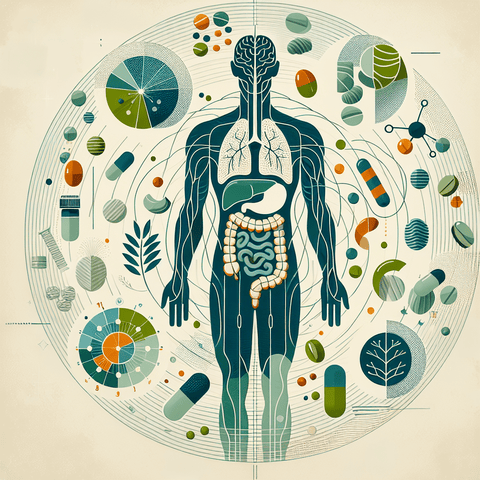
A sudden nutrient shortage means that the body is getting too little of one or more essential nutrients, or that a previously stable intake has been disrupted. Because vitamins and minerals support many normal body functions, a shortage can sometimes be noticed through changes in energy, concentration, recovery or general wellbeing. At the same time, these signs are not specific, and many other factors can produce similar experiences.
This topic hub explains the broad picture: what a sudden nutrient shortage can look like, why it may happen, which nutrients are commonly involved, how shortages are investigated, and what general options exist for supporting intake. It is intended as a general overview, not as a diagnosis or treatment plan.
What a Sudden Nutrient Shortage Means
The word sudden is used here in a practical sense. Some nutrient shortages develop gradually over months, while others become noticeable more quickly when diet, digestion, medication, illness or other circumstances change. A shortage can involve a single nutrient or several at once, and it may be mild or more significant.
Nutrients such as vitamin D, vitamin B12, iron, magnesium, calcium, zinc and iodine are often discussed in relation to intake and status because they are essential and because shortages can occur in different population groups. Guidance from health authorities such as EFSA emphasises that nutrient reference values describe the intake needed to support normal functions, not a personal prescription.
Common Symptoms and Warning Signs People Notice
People often search for a sudden nutrient shortage when they notice changes that feel new or unexplained. Possible warning signs can include:
- Persistent tiredness, low energy or reduced stamina.
- Muscle cramps, weakness, tingling or nerve-related sensations.
- Changes in hair, skin or nails.
- Digestive complaints, reduced appetite or changes in bowel habits.
- Frequent infections or slow recovery.
- Low mood, difficulty concentrating or feeling unlike yourself.
These signs are not specific to nutrient shortages. Stress, poor sleep, medical conditions, medication and other factors can produce similar effects. A healthcare professional can help interpret symptoms in context and decide whether testing is appropriate.
Possible Causes of a Sudden Nutrient Shortage
A nutrient shortage can arise from several broad categories of causes:
- Dietary factors: limited food variety, restrictive diets or a sudden change in eating patterns.
- Increased needs: periods of growth, pregnancy, intense training or recovery from illness.
- Reduced absorption: digestive conditions or surgeries that affect how nutrients are taken up.
- Medication interactions: some medicines can influence nutrient levels or absorption.
- Increased losses: bleeding, sweating or other situations that deplete nutrients.
Identifying the cause matters because it guides the response. Two people with similar symptoms may need different approaches depending on what is driving the shortage.
Nutrients Commonly Linked to Shortages
Many nutrients can become insufficient, but some are more frequently discussed in relation to shortages. These include vitamin D, vitamin B12, iron, magnesium, calcium, zinc, iodine and folate. Each nutrient has different food sources, functions and factors that influence status.
Vitamin D is mainly obtained through sunlight exposure and certain foods; intake can be low in some climates or lifestyles. Vitamin B12 is found primarily in animal-derived foods, so intake may be a consideration for people following vegan or vegetarian diets. Iron is involved in oxygen transport, and shortages can occur with low intake or increased losses. Magnesium and calcium are minerals involved in muscle and bone function, and their intake varies with diet. Zinc and iodine support normal metabolism and thyroid function, respectively.
For broader product exploration, you can review mineral supplements covering iron, zinc, selenium, iodine and other minerals or explore B-vitamin categories for benefits, sources and safety. These categories can help you navigate related nutrients, but they are not a substitute for professional guidance.
How Nutrient Shortages Are Investigated
Nutrient shortages are generally investigated through a combination of medical history, dietary assessment, symptom review and laboratory testing where appropriate. Blood tests can measure levels of specific vitamins, minerals or related markers, but interpretation depends on the nutrient, the person and the clinical context.
There is no single timeframe for correcting a nutrient shortage. It depends on the nutrient involved, how severe the shortage is, the underlying cause and the approach used. Some shortages respond relatively quickly when the cause is addressed, while others require longer-term support and monitoring. A healthcare professional can provide individualised guidance.
Supporting Nutrient Intake Through Diet and Supplements
A varied diet that includes a range of vitamins and minerals is a common foundation for supporting normal nutrient intake. Foods such as vegetables, fruits, whole grains, legumes, nuts, seeds, dairy, eggs, fish and meat provide different nutrient profiles. When dietary intake is limited or needs are increased, fortified foods or supplements may be considered.
Supplement choices should match individual circumstances. Some nutrients can interact with medications or with each other, and excessive intake of certain nutrients can be harmful. If you are considering supplements, it is sensible to review your situation with a healthcare professional, especially if you have symptoms, take medication or have a diagnosed condition.
For a higher-level view of product options, you can look at the Topvitamine natural supplements collection. This category provides a broad starting point, while individual product suitability should be assessed separately.
When to Seek Professional Advice
It is advisable to seek professional advice if symptoms are severe, persistent, worsening or accompanied by concerns such as significant fatigue, neurological changes, unexplained weight loss or other unusual signs. A healthcare professional can help determine whether a nutrient shortage is present, what may be causing it, and what approach is appropriate.
This page provides general educational information about sudden nutrient shortages. It is not a substitute for personalised medical advice, diagnosis or treatment.