
Understanding sun exposure is a practical start for anyone planning time outdoors. SPF basics help you estimate how long your skin can be in sun exposure relative to unprotected skin. SPF stands for Sun Protection Factor, and higher numbers indicate more protection in theory. When you’re ready to head outside, apply a broad-spectrum product to all exposed skin about 15 minutes before exposure, and reapply every two hours, or more often after swimming, toweling off, or heavy sweating. Shade plays a key role in managing sun exposure. Look for shaded routes, plan breaks under trees or canopies, and use umbrellas or shade sails to reduce direct sun exposure. Even in shade, UV rays can reach through, so complement shade with other protections during peak sun exposure hours. Protective clothing is another layer of defense against sun exposure. Opt for long sleeves and pants made from tightly woven fabrics, and wear a wide-brimmed hat and sunglasses with UV protection. For added coverage, look for garments with UPF ratings and choose light colors or breathable materials to stay comfortable while staying mindful of sun exposure. Safe sun habits you can start today include planning outdoor time around sun exposure levels, taking regular shade breaks, and packing a layered approach to protection. Keep a small sunscreen or sun-protective item handy, reapply as needed, and be ready to adjust plans if the sun exposure becomes intense. By incorporating these steps, you can manage sun exposure effectively during everyday activities.
Sun Exposure: Essential Tips to Protect Your Skin and Prevent Burns

What Are the Best Natural Supplements for Health?Natural supplements can support overall health, but choosing the best ones depends on your individual needs. Commonly recommended natural supplements include vitamin D3, omega-3 fatty acids from fish oil or cod liver oil, magnesium, and plant-based options like mushroom extracts for vitamin D. When selecting a supplement, consider quality, bioavailability, and whether it fits your dietary preferences. A balanced approach that combines supplements with a nutrient-rich diet and lifestyle habits is generally the most sustainable way to support wellness.How to Boost Vitamin D NaturallyVitamin D is essential for bone health, immune function, and mood regulation. The most natural way to boost your vitamin D levels is through regular, moderate sun exposure. Aim for 10–30 minutes of midday sunlight on exposed skin several times per week, depending on your skin tone and location. Foods like fatty fish, egg yolks, and fortified products also contribute to your intake. When sun exposure and diet are insufficient, natural supplements such as vitamin D3 or cod liver oil can help maintain adequate levels.Which Supplements Are Natural and Effective?Natural supplements come from plant, animal, or mineral sources. Examples include vitamin D3 from lanolin or lichen, omega-3s from fish oil, and magnesium from seaweed or minerals. Choosing supplements with transparent sourcing and third-party testing ensures purity and potency. Always consult a healthcare professional before starting a new supplement, especially if you have an underlying condition or are taking medication. A guided approach helps you select the most effective and safe natural supplements for your goals.

What is Vitamin D and What Does It Do?Vitamin D is a fat-soluble nutrient that acts like a hormone in the body. Its primary role is to regulate calcium and phosphorus levels, which are essential for maintaining strong bones and teeth. It also supports immune function, muscle health, and nerve signaling. Unlike most vitamins, vitamin D can be produced by the skin when exposed to UVB sunlight, but many people have insufficient levels due to limited sun exposure, darker skin, or age. That's why dietary sources and supplements are often recommended.Health Benefits and Deficiency SymptomsVitamin D is well-known for supporting bone health by enhancing calcium absorption, which helps prevent rickets in children and osteomalacia or osteoporosis in adults. It also plays a role in the immune system, helping the body defend against respiratory infections and modulating inflammation. Low vitamin D levels can lead to fatigue, frequent illness, bone pain, muscle weakness, and mood changes. People with darker skin, older adults, and those who spend little time outdoors are at higher risk for deficiency. A blood test is the most accurate way to determine your vitamin D status.Sources and Supplementation TipsYou can get vitamin D from sunlight, foods like fatty fish and fortified dairy, and supplements. Since sun exposure carries risks and food sources are often insufficient, supplements provide a convenient and consistent way to maintain healthy levels. Look for high-quality vitamin D3 supplements, and consider combining them with calcium, magnesium, or vitamin K for better absorption. Always follow dosage guidelines and consult a healthcare professional if you have a medical condition or take medication.

How Your Body Makes Vitamin D from SunlightThe sun is a natural source of vitamin D, but it does not contain vitamin D itself. Instead, when your skin is exposed to ultraviolet B (UVB) rays, a compound called 7-dehydrocholesterol in the skin is converted into previtamin D3, which then becomes active vitamin D3 through a heat-dependent process. This synthesis is efficient when conditions are right: just 10–30 minutes of midday sun on uncovered arms and legs several times a week can generate a meaningful amount of vitamin D. However, the amount you produce depends on factors like your skin tone, latitude, season, time of day, cloud cover, and sunscreen use. For instance, people with darker skin need more exposure to produce the same amount as lighter-skinned individuals, and those living far from the equator may not make vitamin D during winter months.Why Sunlight Alone May Not Be EnoughWhile the body can produce all the vitamin D it needs in ideal conditions, many people fall short. Geographic location, indoor lifestyles, cultural clothing, and regular sunscreen use all reduce UVB exposure. Sunscreens with SPF 30 or higher block over 95% of vitamin D synthesis, creating a dilemma because they are essential for preventing skin damage and cancer. Additionally, older adults have lower levels of 7-dehydrocholesterol in their skin, reducing their ability to synthesize vitamin D. For these reasons, relying solely on sun exposure often leads to suboptimal vitamin D levels, even in sunny climates.Practical Steps to Maintain Healthy Vitamin D LevelsTo optimize your vitamin D status, combine moderate sun exposure with dietary sources and supplementation. Include fatty fish like salmon and sardines, egg yolks, and UV-exposed mushrooms in your diet, but recognize that food alone rarely meets daily needs. Consider a vitamin D3 supplement, especially in winter or if you have darker skin or limited sun access. Pairing vitamin D with magnesium and vitamin K2 can support its absorption and function. Blood testing for 25-hydroxyvitamin D can help guide your approach, with optimal levels typically considered between 50–125 nmol/L. Always consult a healthcare professional for personalized advice, particularly if you have underlying health conditions or are considering high-dose supplements.
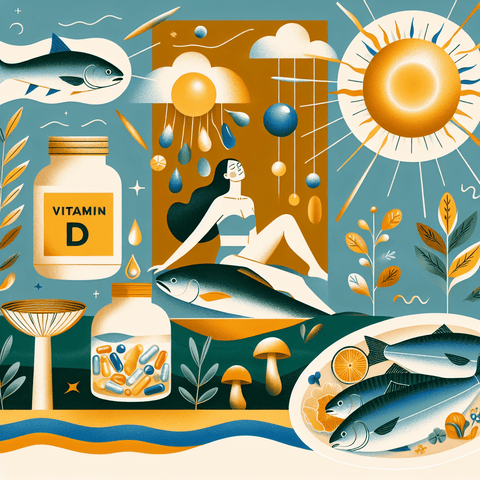
Vitamin D Sources at a GlanceVitamin D is unique because your body can produce it when your skin is exposed to sunlight, but it is also present in certain foods and added to others. The most common natural food sources include fatty fish like salmon, mackerel, and sardines, as well as egg yolks and beef liver. For those who follow plant-based diets, UV-exposed mushrooms provide vitamin D2. Fortified foods, such as cow’s milk, plant milks, and breakfast cereals, help fill the gap, but many people still fall short of the recommended daily intake of 600–800 IU for most adults.Why Sunlight and Supplements MatterSun exposure is a natural and free way to boost vitamin D, but its effectiveness depends on factors like latitude, season, skin tone, and sunscreen use. During winter months or in northern regions, UVB rays may be too weak to trigger synthesis, making it difficult to rely on sunlight alone. Vitamin D supplements, especially vitamin D3, offer a consistent and convenient way to maintain healthy levels, particularly for older adults, people with darker skin, individuals with limited sun exposure, or those with conditions affecting fat absorption.Practical Tips for Maintaining Healthy Vitamin D LevelsTo support overall health, combine moderate sun exposure with vitamin D-rich foods and fortified products. If you suspect low levels, a healthcare professional can guide you on testing and appropriate supplementation. High-quality supplements, like those in Topvitamine’s Vitamin D collection, can help bridge the gap when diet and sunlight are not enough. Remember that vitamin D works alongside other nutrients like magnesium and vitamin K2, so a balanced approach is best.
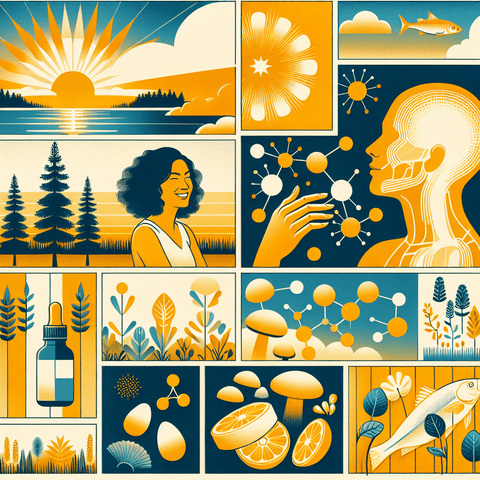
How to Raise Vitamin D Levels Quickly: The Role of SupplementsVitamin D is essential for bone health, immune function, and overall well-being, yet many people fall short. To raise vitamin D levels quickly, a combination of strategies is needed, with vitamin D3 supplementation being the most reliable method. Unlike sunlight or diet alone, high-quality D3 supplements provide a standardized dose that can effectively correct deficiencies, especially when absorption is optimized with fat intake and cofactors like magnesium.Sun Exposure and Diet: Natural Ways to Support Vitamin DWhile supplements are the fastest route, maximizing natural production through sunlight and incorporating vitamin D-rich foods are valuable complements. Exposing skin to UVB rays during peak hours (10 a.m. to 2 p.m.) for 10–30 minutes can boost synthesis, though geographic and seasonal factors often limit effectiveness. Fatty fish, egg yolks, and fortified foods offer dietary support, but they may not be sufficient to correct a significant deficiency on their own.Building a Rapid Vitamin D Boosting PlanTo efficiently raise vitamin D levels, start by getting a blood test to know your baseline. Then, combine a healthcare-guided high-dose D3 supplement (if needed) with regular sun exposure, vitamin D-rich foods, and cofactors like vitamin K2 and magnesium. Consistency and follow-up testing are key—expect noticeable improvements within 8–12 weeks. Always consult a professional for personalized dosing and to avoid toxicity.