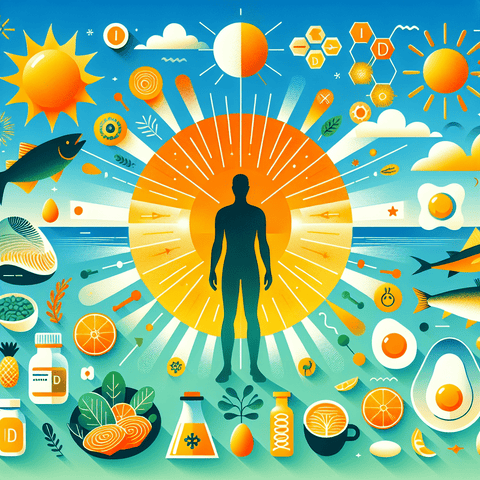
Sunlight and vitamin D are integral to maintaining optimal health, influencing everything from bone strength to immune function and mood regulation. This comprehensive guide explores the relationship between sunlight exposure and vitamin D synthesis, the biological mechanisms at play, and the importance of maintaining adequate vitamin D levels through natural sunlight and supplements. Readers will learn about the health benefits associated with vitamin D, factors influencing its synthesis in the body, signs of deficiency, and practical guidance on whether supplementation is necessary.
Introduction — sunlight and vitamin d: unlocking the health benefits of everyday sunshine
Why this topic matters in everyday health
Adequate vitamin D levels are crucial for overall health, influencing bone health, immune function, and even mood. As many individuals struggle to receive sufficient sunlight, especially in urban environments or during winter months, understanding how to optimize vitamin D levels becomes vital.
What you’ll learn: sun exposure, vitamin D status, and when supplements come into play
This article will delve into the mechanics of how sunlight contributes to vitamin D production, the implications of vitamin D deficiency, and practical recommendations for sun exposure. We will also explore when nutritional supplements can aid in optimizing vitamin D status.
Quick definitions: what “sunlight and vitamin D” means for the body
Sunlight refers to the natural light provided by the sun, which contains ultraviolet B (UVB) rays critical for vitamin D synthesis in the skin. Vitamin D is a fat-soluble vitamin that plays a vital role in calcium absorption, immune system regulation, and overall well-being.
Core explanation: sunlight, vitamin D synthesis, and status
How sunlight drives vitamin D production in the skin
When UVB rays hit the skin, they convert 7-dehydrocholesterol (a cholesterol derivative) into previtamin D3. Once formed, previtamin D3 undergoes a heat-dependent process to become vitamin D3 (cholecalciferol). This vitamin then enters the bloodstream and is transported to the liver for further processing.
Vitamin D forms and metabolism
Vitamin D exists in two main forms: D2 (ergocalciferol) and D3 (cholecalciferol). While D2 is derived from plants, D3 is synthesized in the skin or can be obtained from animal sources. In the liver, vitamin D is converted to 25-hydroxyvitamin D (25(OH)D), the primary marker for vitamin D status. The kidneys then activate this into its biologically active form, calcitriol.
Vitamin D status categories and common lab markers
Vitamin D status is categorized based on blood levels of 25(OH)D: deficiency (
Why this topic matters
Health benefits linked to adequate vitamin D
Research supports numerous health benefits from adequate vitamin D levels, including enhanced bone health by regulating calcium and phosphorus levels, improved muscle function, and bolstered immune response. Additionally, there’s growing evidence linking vitamin D to mood stabilization and emotional well-being.
Populations and situations at higher risk for low vitamin D
Certain demographics, such as the elderly, individuals with darker skin tones, those living in high-latitude regions, and those who primarily work indoors, are at an increased risk of vitamin D deficiency. These factors can hinder adequate sunlight exposure necessary for optimal vitamin D synthesis.
Related symptoms, signals, or health implications
Common deficiency symptoms to watch for
A deficiency in vitamin D can manifest as various symptoms, including bone pain, muscle weakness, and an increased frequency of bone fractures. Recognizing these early signs is essential for timely intervention.
Subclinical signals and lifestyle clues
Many individuals with suboptimal vitamin D levels may experience fatigue, mood fluctuations, and sleep disturbances, which can affect daily life. Seasonal changes, limited outdoor activities, and dietary restrictions may exacerbate these issues.
Interpreting symptoms versus objective status
It is vital to remember that while symptoms may suggest a deficiency, they are not definitive indicators of vitamin D status. Blood testing for 25(OH)D levels is essential for an accurate assessment.
Individual variability and uncertainty
How skin type, age, and body composition affect synthesis
The ability to produce vitamin D from sunlight is influenced by several factors, including skin type, age, and body composition. For instance, individuals with higher melanin levels may require more sun exposure to generate adequate vitamin D. Additionally, older adults often have reduced synthesis capacity.
Geographic and seasonal influences
Geographic location and seasonality significantly affect sunlight exposure and, thus, vitamin D synthesis. People living at higher latitudes receive less UVB in winter months, contributing to a potential increase in deficiency rates.
Genetic and metabolic factors
Some people have genetic variations that can affect the binding and metabolism of vitamin D, leading to variability in individual responses to sunlight exposure and supplementation. Understanding these factors can help tailor a more personalized approach to wellness.
Uncertainty in sun dosages and real-world intake
There are no universal guidelines for sun exposure duration due to variability in individual responses. Factors like skin type, time of year, and geographic location will significantly influence how much sun is necessary to produce adequate vitamin D.
Why symptoms alone do not reveal root cause
The risk of guessing based on symptoms
It can be tempting to attribute fatigue or mood fluctuations solely to vitamin D levels; however, these symptoms can arise from various health issues. A comprehensive evaluation is necessary to identify the root cause accurately.
The value of objective testing and professional guidance
Blood testing for 25(OH)D is essential for determining vitamin D status. Consulting a healthcare professional can provide personalized guidance on interpreting results and appropriate follow-up actions.
When to pursue deeper evaluation
Individuals experiencing persistent symptoms or belonging to high-risk groups should consider seeking further evaluation. Early identification and intervention can prevent more severe health consequences.
The role of nutritional supplements in this topic
Why supplementation may be appropriate
For individuals with limited sun exposure, dietary inadequacies, or specific risk factors, supplementation may be a valuable strategy to achieve optimal vitamin D levels. This approach is especially pertinent during winter months or for those living in areas with limited sunlight.
Vitamin D supplement options
There are multiple types of vitamin D supplements available, primarily D3 (cholecalciferol) and D2 (ergocalciferol). Vitamin K2 can also be included in supplementation, as it may enhance vitamin D's effectiveness in supporting bone health. It's essential to consider the form, such as softgels, liquids, or chewables, based on personal preferences.
Safety considerations and monitoring
While vitamin D is generally safe, excessive intake can lead to toxicity. It's crucial to adhere to recommended daily allowances and have periodic re-testing to ensure safe supplementation practices.
Supplements as part of a broader strategy, not a substitute
Supplements should complement, not replace, sun exposure, a balanced diet, and a healthy lifestyle. A holistic approach ensures comprehensive support for overall wellness.
How nutritional supplements could support
Specific scenarios where supplementation helps
Individuals who have limited sun exposure due to lifestyle choices, residing in northern climates, or have dietary restrictions (such as vegans) may significantly benefit from vitamin D supplementation. Similarly, those with fat malabsorption conditions need to consider their vitamin D intake more carefully.
Evidence overview for health outcomes with supplementation
Numerous studies highlight that vitamin D supplementation can enhance bone health, improve muscle function, and support immune response. Evidence is also accumulating regarding its impact on mood and cognitive function.
Quality and formulation considerations
When selecting supplements, it’s crucial to consider their bioavailability and formulation. Third-party testing and appropriate dosages play essential roles in ensuring product safety and effectiveness.
Decision-support section (when nutritional supplements make sense)
Practical decision flow
To decide on supplementation, assess individual sun exposure, dietary intake, lifestyle factors, and any presence of deficiency symptoms. This holistic evaluation can guide choices.
When and how to start supplementation
Starting with a lower dose is advisable for those unsure of their vitamin D requirements, and adjustments can be made based on blood test results or persistent symptoms.
Choosing dosage, duration, and form
Consider individual factors in selecting the dosage of vitamin D. Regular re-testing every 3–6 months after beginning a new supplementation regimen is advisable to monitor progress and adjust as necessary.
Monitoring progress and re-testing intervals
After starting on vitamin D supplements, re-testing every 3–6 months can help assess efficacy and make necessary adjustments.
Embracing uncertainty without over-reliance
Recognizing the limitations of vitamin D research and the variability among individuals is critical. When uncertain, consulting with a healthcare professional ensures an informed approach.
Practical guidance for selecting and purchasing vitamin D supplements on Topvitamine
How to choose product type and formulation
Selecting the right vitamin D product involves considering whether to choose D3 or D2, possible inclusion of vitamin K2, and preferences for vegan or cruelty-free formulations.
Reading labels and quality indicators
Look for products that indicate purity, third-party testing, allergen information, and proper storage instructions on their labels. This diligence ensures product quality and safety.
Trusted product considerations on Topvitamine
Topvitamine emphasizes brand transparency, offering a variety of dosage options and providing accessible customer support to assist in making informed choices.
Clear concluding section connecting the topic to buying nutritional supplements on Topvitamine.com
Summary: balancing sunlight, vitamin D status, and supplementation
Email D levels are critical for numerous aspects of health, with sunlight exposure being the primary source. Yet, many individuals may need supplementation to achieve optimal levels.
How Topvitamine supports informed, safe decisions
Topvitamine offers high-quality products and educational resources, empowering consumers to make informed decisions about their vitamin D needs and promoting overall wellness.
Next steps for readers
Consider checking your sun exposure patterns, reviewing dietary sources of vitamin D, and possibly testing your levels. Explore Topvitamine’s vitamin D options to find the right supplement for you.
- Sunlight is essential for vitamin D synthesis, crucial for bone and immune health.
- Individuals in high-risk groups may benefit from monitoring and supplementation.
- Vitamin D2 and D3 are the primary forms available; D3 is generally more effective.
- Symptoms of deficiency include fatigue, bone pain, and muscle weakness.
- Individual factors like skin type and geographical location affect vitamin D synthesis.
- Regular blood tests can accurately determine vitamin D status.
- Consider supplements when sunlight exposure is limited, especially during winter months.
- Select high-quality supplements with appropriate bioavailability and dosing.
- Topvitamine provides trusted products and educational content to support health decisions.
- Consult healthcare professionals for personalized vitamin D management.
Q&A Section
What is the primary source of vitamin D?
The primary source of vitamin D is sunlight, specifically through UVB rays that convert 7-dehydrocholesterol in the skin to vitamin D3.
What are the symptoms of vitamin D deficiency?
Symptoms can include bone pain, muscle weakness, fatigue, and an increased risk of fractures and infections.
How can I safely increase my vitamin D levels?
To safely increase vitamin D levels, aim for regular sunlight exposure, consume fortified foods, and consider supplements if necessary.
What factors affect vitamin D synthesis in the body?
Factors include skin type, age, geographic location, and body composition. For instance, darker skin produces less vitamin D, requiring more sunlight exposure.
How often should I get tested for my vitamin D levels?
It is advisable to test vitamin D levels every 3–6 months after starting supplementation or if you have concerns about deficiency.
Is it possible to get too much vitamin D from supplements?
Yes, excessive vitamin D intake can lead to toxicity, resulting in hypercalcemia. It's important to adhere to recommended guidelines.
What is the difference between vitamin D2 and D3?
Vitamin D2 (ergocalciferol) is derived from yeast or fungi, while vitamin D3 (cholecalciferol) is produced in the skin or found in animal sources. D3 is more effective in raising blood levels of vitamin D.
Can I get vitamin D from food sources alone?
While some foods are rich in vitamin D, such as fatty fish and fortified dairy, obtaining sufficient levels often requires sunlight exposure and possibly supplementation.
When is the best time to get sunlight for vitamin D synthesis?
The best time for sunlight exposure to aid vitamin D synthesis is typically midday when UVB rays are the strongest, though individual factors should be considered.
How does vitamin D affect immunity?
Vitamin D is involved in regulating immune function, and adequate levels may help lower the risk of infections and support overall immune health.
Are there any side effects of taking vitamin D supplements?
While vitamin D is generally safe, undue excessive doses may cause nausea, vomiting, or kidney problems. It's crucial to follow dosing guidelines.
How can I choose a quality vitamin D supplement?
When choosing a vitamin D supplement, consider factors like bioavailability, third-party testing, ingredient quality, and proper dosage based on individual needs.
Keywords Section
sunlight and vitamin D, vitamin D synthesis, health benefits of vitamin D, vitamin D deficiency symptoms, vitamin D supplementation, individual variability, nutritional supplements, UVB rays, bone health, immune function