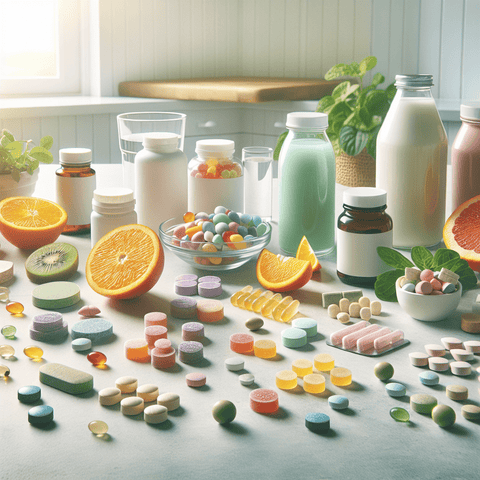
Understanding supplement absorption is the difference between simply swallowing a pill and actually feeding your body the nutrients it needs. If certain vitamins or minerals are not well absorbed, you may not experience the full benefits of your supplement routine. This guide explains how absorption works, why it varies from person to person, and what you can do to improve nutrient uptake through timing, pairings, and thoughtful supplement choices. We'll cover the science of bioavailability, practical strategies, and how to choose the right forms for your needs.
What Is Supplement Absorption and Why Does It Matter?
Supplement absorption is the process by which nutrients from food or supplements move from your digestive tract into your bloodstream, where they can be used by your body. This is different from intake, which is simply the amount you ingest. Bioavailability is the broader term that describes how much of a nutrient is actually absorbed and can exert a biological effect. A supplement can be packed with nutrients, but if your body cannot absorb them effectively, the potential benefits are lost.
A key factor in absorption is the nutrient's journey through the digestive system. After ingestion, the stomach begins breaking down food and supplements. Most absorption occurs in the small intestine, where nutrients pass through the intestinal lining into the bloodstream. Some nutrients then travel to the liver, where they may be metabolized before reaching general circulation. This is known as the first-pass effect, and it can reduce how much of a nutrient becomes available to the rest of your body.
How the Body Absorbs Different Types of Nutrients
Water-soluble vitamins and minerals
Water-soluble nutrients, such as vitamin C and most B vitamins, dissolve in the watery environment of the digestive tract. They are generally absorbed relatively quickly and do not require dietary fat for absorption. However, some water-soluble nutrients, like vitamin B12, rely on specific stomach acids and intrinsic factors for proper uptake. Because water-soluble vitamins are not stored in large amounts, they are usually needed in a steady supply from the diet.
Fat-soluble vitamins and absorption mechanisms
Vitamins A, D, E, and K are fat-soluble, which means they must be incorporated into micelles (small fat droplets) along with bile and digestive enzymes to be absorbed. This is why taking fat-soluble vitamins with a meal that contains healthy fats is important—without adequate dietary fat, absorption can be significantly reduced. These vitamins can also be stored in body fat and the liver, meaning they do not need to be consumed as frequently as water-soluble ones. If you are interested in supporting your vitamin D levels, you can explore the available options in the dedicated collection on vitamin D.
Challenging vitamins: What is the hardest vitamin to absorb?
Vitamin B12 is often considered one of the hardest vitamins to absorb because the process is complex. It requires sufficient stomach acid to separate it from food proteins, then it must bind with an intrinsic factor produced in the stomach before it can be absorbed in the small intestine. People with low stomach acid, certain digestive conditions, older adults, and those taking acid-reducing medications may struggle to absorb B12 efficiently.
Minerals and competitive absorption
Minerals like iron, calcium, magnesium, and zinc have unique absorption pathways and can compete with each other. For example, taking large doses of calcium at the same time as iron can reduce the absorption of both. The form of the mineral matters too: calcium citrate is generally better absorbed than calcium carbonate, especially for older adults, and iron bisglycinate is often gentler and better tolerated than iron sulfate. Understanding these interactions can help you time your supplements for optimal uptake.
Nutrient Interactions: Which Supplements Should Not Be Taken Together?
Certain vitamins and minerals can interfere with each other when taken at the same time in high doses. One common example is calcium and iron. Calcium can inhibit the absorption of both heme and non-heme iron, so it is best to take these two minerals at different times of the day. Another example is zinc and copper, which compete for absorption in the digestive tract; taking high doses of zinc over time can lead to copper deficiency. To maximize absorption and minimize interactions, consider not combining these nutrients in a single dose.
Some pairings, however, are beneficial. For instance, vitamin D supports calcium absorption, and vitamin C enhances iron uptake. Being mindful of these dynamics helps you design a supplement routine that works with your body, not against it.
Key Factors That Affect Supplement Absorption
Nutrient form and formulation
The form of a nutrient can significantly affect how well it is absorbed. Some formulations are designed to be more bioavailable. For example, chelated minerals bind to organic compounds and are often more easily absorbed than inorganic forms. Liposomal supplements, which enclose nutrients in lipid layers, can also improve delivery. When comparing options, look at the ingredient label and research which form is best for a specific nutrient.
Food pairings that enhance absorption
What you eat alongside your supplements can make a big difference. Pairing iron with vitamin C-rich foods like citrus fruits enhances iron uptake. Taking fat-soluble vitamins with a meal that contains healthy fats supports their absorption. In contrast, certain dietary components like phytates in whole grains and oxalates in spinach can inhibit mineral absorption, so heavy consumption at the same meal may reduce benefits.
Gut health and digestive conditions
A healthy intestinal lining and a balanced microbiome are essential for nutrient absorption. Conditions like celiac disease, Crohn's disease, and irritable bowel syndrome (IBS) can reduce the absorptive surface of the gut. Similarly, an imbalance in gut bacteria may affect how well nutrients are processed. Supporting your digestive health can improve how effectively you use the supplements you take. For more on this, explore our guide on probiotics and prebiotics.
Age, life stages, and medication use
As we age, digestive function often changes, including a natural decrease in stomach acid production, which reduces absorption of nutrients like B12, calcium, and iron. Life stages such as pregnancy and menstruation create greater demands for nutrients like iron and folate. Certain medications, including proton pump inhibitors and metformin, can also affect absorption. If you take any medication, check for potential interactions with your supplements.
Signs That Your Body May Not Be Absorbing Supplements Well
If your body is not absorbing nutrients effectively, you may notice signs such as persistent fatigue, brittle nails or hair, unusual bruising, or discomfort after taking supplements. These symptoms can be linked to deficiencies of iron, B vitamins, vitamin D, or others. However, it is important to remember that these signs are not unique to absorption issues—they can also point to other underlying health conditions. If you continue to feel unwell despite a balanced diet and consistent supplementation, consider discussing your symptoms with a healthcare provider.
Practical Tips to Improve Supplement Absorption
1. Take fat-soluble vitamins with a meal containing fat
Vitamins A, D, E, and K are better absorbed with dietary fat. A meal that includes olive oil, avocado, nuts, eggs, or fatty fish can support their uptake. Avoid taking these vitamins alongside a completely fat-free meal.
2. Pair iron with vitamin C, and separate iron from calcium
When taking iron supplements, consider including a source of vitamin C such as orange juice or a vitamin C supplement. To avoid competition, take calcium and iron at different times of day—for example, calcium in the morning and iron in the evening.
3. Choose well-absorbed supplement forms
Some forms are more bioavailable than others. For example, magnesium citrate and malate are generally better absorbed than magnesium oxide. Consider chelated minerals or liposomal preparations for improved bioavailability. Brands that offer transparent labeling and third-party testing are usually a safer choice. You can browse magnesium options in our magnesium collection.
4. Support gut health and digestive capacity
A healthy gut is one of the best predictors of good absorption. Digestive enzymes, probiotics, and a diet rich in fiber and fermented foods can all support digestive function. If you experience digestive issues, addressing them may improve how well you absorb nutrients.
5. Be mindful of timing and spacing
Taking too many supplements at once can increase the risk of nutrient competition. If you take several supplements, try to space them out over the day. This also reduces the risk of gastrointestinal discomfort and gives each nutrient a better chance of being absorbed.
Comparison of Supplement Forms and Their Absorption Potential
The form of a supplement can influence how quickly and completely it is absorbed. Here are a few common forms and how they typically behave:
- Tablets and capsules: These are the most common forms. Absorption depends on how well they dissolve in the stomach. Some tablets may have coatings that can hinder breakdown.
- Liquids and powders: These are generally absorbed faster because they are already in a dissolved state. They may be a better choice for those with trouble swallowing pills, although taste and stability can be a consideration.
- Gummies: Gummies are convenient, but they often contain less nutrients per serving than tablets or liquids. They also contain added sugar or sweeteners, which may not be suitable for all diets.
- Liposomal and chelated forms: These are formulated to protect nutrients and improve their passage through the digestive tract. Liposomal forms wrap nutrients in lipid layers, while chelated minerals are bound to amino acids for better uptake. These forms may offer improved absorption for certain nutrients.
What Is the Best Way for My Body to Absorb Supplements?
The best way to improve absorption is to combine the right supplement form with the right meal context. First, choose bioavailable forms and follow the instructions on the label. Second, take fat-soluble vitamins with fat-containing meals, and water-soluble vitamins with a light meal or water. Third, separate supplements that compete, such as calcium and iron. Fourth, consider supporting your gut health and digestion, since a well-functioning digestive system is crucial for nutrient uptake.
What Is the Best Supplement for Absorption?
There is no single best supplement for absorption that works for everyone. Instead, it depends on the nutrient. For iron, bisglycinate is often recommended. For calcium, citrate is preferred. For magnesium, citrate or malate forms tend to absorb well. For omega-3s, emulsified or liposomal forms can improve uptake. The key is to buy from brands that use research-backed forms and third-party testing. You can explore various magnesium and calcium options in the dedicated collections for these minerals.
Supplement Interactions and Nutrient Competition
Some nutrients interfere with each other when taken in high doses at the same time. Common examples include calcium and iron, which compete for absorption, and zinc and copper, where high zinc intake can suppress copper absorption. Taking these minerals at different times of day can help avoid negative interactions. At the same time, some pairings are beneficial: vitamin D supports calcium absorption, and vitamin C enhances iron uptake.
When Supplements Are Not the Full Solution
In some cases, absorption issues are the result of a medical condition, such as a severe malabsorption syndrome, not merely a problem with the supplement itself. If you have persistent symptoms despite taking high-quality supplements, it is important to investigate the underlying cause. Unsupported over-supplementation will not correct structural gut damage or hormonal imbalances. Working with a healthcare provider can help you identify the right direction.
How Topvitamine.com Supports Thoughtful Supplementation
Topvitamine.com emphasizes quality, third-party testing, and transparency in labeling. The product range includes bioavailability-focused formulations, such as chelated minerals and liposomal options. Educational resources can help you choose supplements based on your individual needs. When you are selecting supplements, look for categories that align with your goals, whether that means supporting vitamin D levels, selecting a suitable multivitamin, or exploring magnesium and mineral supplements.
A practical place to start is the section on mineral supplements, which covers iron, zinc, selenium, and other essential minerals. If you are unsure where to begin, you can also review the multivitamins guide to help match a formula to your specific needs.
Key Takeaways for Better Nutrient Uptake
- Absorption determines how much of a nutrient your body actually uses, so it matters more than intake alone.
- Water- and fat-soluble vitamins have different absorption routes; fat-soluble ones require dietary fat.
- Bioavailable forms, smart food pairings, and proper timing can significantly improve absorption.
- Gut health and medications play a central role in how well nutrients are absorbed.
Mastering supplement absorption is one of the most effective ways to get more value from your wellness routine. By understanding how different nutrients behave and taking a few targeted actions—like pairing iron with vitamin C, taking fat-soluble vitamins with meals, and choosing well-absorbed forms—you can support your body's natural ability to use the supplements you buy.