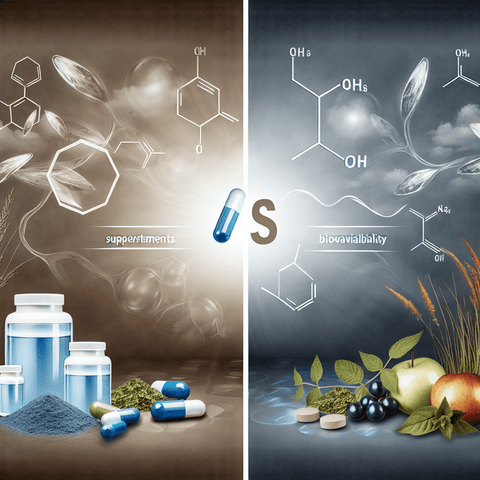
In today's health-conscious world, many individuals are turning to supplements to meet their nutritional needs. However, the marketplace can be overwhelming, and the safety, efficacy, and cost of supplements often come into question. This page explores the concept of supplement alternatives—offering readers a practical overview of safer, budget-friendly substitutes for traditional supplements. You’ll discover food-first strategies, lifestyle adjustments, and complementary options that can help you achieve your health goals without compromising on safety or your budget. Whether you're concerned about costs, safety, or effectiveness, you will gain valuable insights into how to make informed choices about your nutritional needs.
What Are Supplement Alternatives?
Supplement alternatives refer to various strategies that provide the nutritional support typically sought from dietary supplements, without relying solely on pills or powders. This can include whole foods rich in essential nutrients, lifestyle changes that enhance well-being, and safer substitutes for specific supplements. The goal is to prioritize dietary and lifestyle interventions as the first line of action, reserving supplements for when they are genuinely necessary.
Why Consider Supplement Alternatives?
There are several reasons why people explore alternatives to traditional supplements. These reasons often include concerns about safety, cost, and the desire fora more holistic approach to health.
- Addressing Root Causes: Instead of masking symptoms with a quick-fix pill, alternatives often focus on correcting underlying dietary or lifestyle imbalances, which can promote long-term wellness.
- Cost-Effectiveness: Nutrient-dense whole foods and lifestyle changes can often be more affordable and sustainable than purchasing multiple commercial supplements.
- Reduced Risk of Overuse: Relying on food-first strategies lowers the risk of consuming excessive amounts of certain nutrients, which can be a concern with concentrated supplements.
- Empowerment and Education: Taking charge of your diet and lifestyle encouragesa deeper understanding of your own health needs.
Main Types of Supplement Alternatives
The world of supplement alternatives is broad. Generally, it can be divided into several key categories, each offering a unique pathway to better nutrition.
Food-First Strategies
This is the cornerstone of supplement alternatives. It involves optimizing your diet to include nutrient-dense foods that naturally provide the vitamins and minerals your body needs. Examples include consuming fatty fish for omega-3s, leafy greens for magnesium, or citrus fruits for vitamin C. This approach emphasizes the variety and quality of whole foods.
Lifestyle Adjustments
Nutrition is not just about food. Adequate sleep, regular physical activity, stress management, and limiting alcohol intake can significantly affect nutrient absorption and overall health. These lifestyle factors can either enhance or hinder your body's ability to use the nutrients from your diet.
Safer or More Targeted Substitutes
When a supplement is still needed, some alternatives may be more suitable than others. This could mean choosing a different form of a nutrient (e.g., a more bioavailable form like magnesium glycinate vs. oxide) or opting for a food-based supplement over a synthetic one. It often comes down to individual needs, tolerances, and quality.
Key Concepts in Supplement Alternatives
Navigating the world of nutrition requires understanding a few fundamental concepts. These terms will help you evaluate different foods and supplement alternatives more effectively.
- Nutrient Density: The amount of essential nutrients (vitamins, minerals) per calorie in a food. Choosing nutrient-dense foods helps meet needs without excess calories.
- Bioavailability: The degree to which a nutrient can be absorbed and utilized by the body. Food sources often have varying bioavailability, and preparation methods matter.
- Dietary Assessment: A systematic review of your food intake to identify potential nutrient gaps. This helps determine where food-first changes are most needed.
- Quality Indicators: Signs of product reliability for supplements, such as third-party testing and transparent ingredient labels.
How to Get Started with a Food-First Approach
Shifting towards a food-first approach doesn't have to be overwhelming. The following steps can help you assess your needs and make sustainable changes.
- Track Your Diet: For a few days, note what you typically eat and drink. This provides a baseline for identifying potential nutritional gaps.
- Compare with Recommendations: Review your intake against standard dietary guidelines (RDAs) to see which nutrients may be lacking.
- Prioritize Whole Foods: Focus on incorporating a variety of fruits, vegetables, whole grains, legumes, nuts, seeds, and lean proteins into your meals.
- Consider Lifestyle Factors: Evaluate your sleep, stress levels, and physical activity. Adjusting these can positively impact nutrient absorption and overall health.
- Reassessand Adjust: After a few weeks, evaluate how you feel and whether your dietary changes are effective. If gaps persist, consider targeted foods or, if necessary, discuss supplementation with a healthcare provider.
Individual Variabilityand Nutritional Needs
There is no one-size-fits-all approach to nutrition. Individual variability plays a crucial role in determining nutritional needs and how well different foods or supplements work for you. Several factors influence this variability.
- Genetics: Genetic variations can affect how your body metabolizes certain nutrients.
- Life Stage: Needs change during pregnancy, infancy, adolescence, and older adulthood.
- Gut Health: The gut microbiome affects digestion and nutrient absorption. Imbalances can influence how well you extract nutrients from food.
- Existing Health Conditions: Certain medical conditions can increase nutrient requirements or affect absorption.
- Medications: Some medications can deplete certain nutrients or interfere with their absorption.
Because of this variability, it is essential to consider your personal circumstances when exploring supplement alternatives. Consulting with a healthcare professional can help clarify whether symptoms indicate a nutrient gap or an unrelated health issue.
The Role of Supplements in a Balanced Approach
Supplements can still play a valuable role in a broader health plan, particularly when dietary intake is insufficient or a specific deficiency is confirmed. However, they should generally complement, not replace, a healthy diet.
When a supplement is necessary, quality matters. Look for products that offer ingredient transparency and ideally third-party testing. Understanding the different forms of nutrients and their bioavailability can help you choose a suitable option. For example, when considering , you may explore different forms to find one that suits your needs. Similarly, understanding various can help in making informed choices.
Always be mindful that supplements can interact with medications and may have side effects. It is important to discuss any new supplement regimen with a healthcare provider, especially if you have underlying health conditions or are taking other medications.
When to Seek Professional Guidance
While food-first strategies are a great starting point, some situations require professional input. Self-diagnosing can lead to misunderstandings about your health. Seek guidance if you experience persistent or severe symptoms, have a chronic health condition, are pregnant or nursing, or are taking medications that could interact with supplements.
A healthcare professional can help you evaluate your diet, order appropriate tests if needed, and developa personalized plan that may include dietary changes, lifestyle adjustments, and supplementation where appropriate.
Exploring Supplement Alternatives on Topvitamine
Topvitamine offers a diverse range of nutritional products designed to cater to individual needs and preferences. Whether you are looking for specific nutrient information, exploring different supplement types, or seeking high-quality products, you can find resources to support your health journey. For example, you can explore our for detailed guides on various vitamins and minerals, or check our to find products that match your approach.
By combining the knowledge from this page with the resources available on Topvitamine, you can make more informed decisions about how to meet your nutritional needs effectively and safely. Remember that the best approach is oftena balanced one—prioritizing whole foodsand lifestyle, while using supplements thoughtfully when necessary.
Key Takeaways
- Supplement alternatives include food-first strategies, lifestyle adjustments, and safer substitutes for specific supplements.
- Addressing root causes of nutrient gaps tends to promote long-term health better than solely relying on pills.
- Individual variability influences how nutrients are absorbed and utilized, highlighting the need for personalized approaches.
- A food-first approach can be more cost-effective and sustainable than exclusive supplement use.
- Consult healthcare professionals for symptoms requiring deeper evaluation or before starting new supplements.
- Quality and evidence behind supplements are crucial for safe consumption.
Frequently Asked Questions
What are some safe alternatives to traditional vitamin supplements?
Safe alternatives include incorporating a variety of whole foods rich in essential nutrients, such as fruits, vegetables, legumes, and whole grains. A dietary assessment can help identify specific gaps to target with food-first changes.
Why might a doctor discourage supplements?
Doctors may discourage supplements when they are unnecessary, could interact with medications, or when a person can meet their nutritional needs through diet. They may also be concerned about the quality and regulation of some products. It's important to discuss your specific situation with a healthcare provider.
What is the most powerful natural supplement?
There is no single 'most powerful' supplement that works for everyone. The best approach depends on individual needs, existing deficiencies, and health goals. Whole foods generally providea complex mixture of nutrients that work synergistically, making them a powerful foundation for health.
What is the healthiest supplement you can take?
The 'healthiest' supplement varies by individual. Common supplements like vitamin D, omega-3 fatty acids, or magnesium may be beneficial for people with specific gaps. However, the healthiest approach is usually to get nutrients from a balanced diet first and supplements only when necessary, under professional guidance.