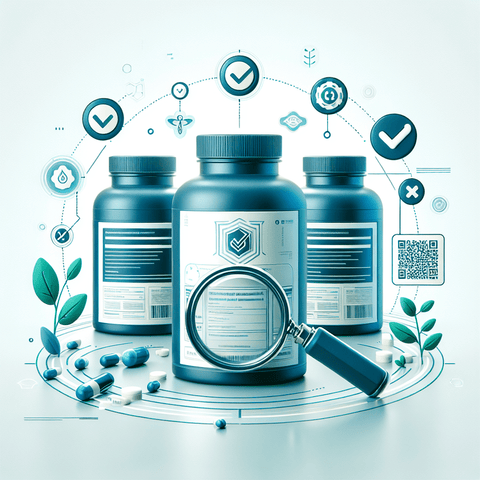
Supplement authentication is a crucial aspect of ensuring that the nutritional supplements you take are safe, effective, and of high quality. In this article, we will delve into essential tips for spotting fake supplements, enabling you to make safer and smarter choices. By understanding the key indicators of authenticity and quality, you will be better equipped to protect your health and maximize the value of your purchases. Our focus will also address the health risks associated with counterfeit supplements and guide you toward reputable sources, ultimately bridging the gap between awareness and practical decision-making.
Core explanation of the topic
What supplement authentication means in practice
Supplement authentication refers to the processes and measures used to verify the quality and safety of dietary supplements. This involves confirming the source, quality controls, and accurate labeling of products. Unlike branding, which may emphasize marketing claims, authentication focuses on factual verification.
Common verification steps include checking batch or lot numbers, obtaining a Certificate of Analysis (COA), ensuring the product has undergone third-party testing, and confirming adherence to Good Manufacturing Practices (GMP). These methods help consumers identify authentic supplements and distinguish them from potentially harmful imitations.
How counterfeit and mislabeled supplements enter the market
Counterfeit supplements often find their way into the marketplace through various fraud vectors. Common issues include mislabeling of ingredients, undisclosed additives, incorrect dosages, or deceptive packaging that mimics legitimate brands. To avoid these pitfalls, it's essential to be familiar with how to distinguish genuine brands from imitators through reliable packaging, batch codes, and supply-chain transparency.
The limits of labels and marketing claims
While labels can provide key information, they can also be correct yet incomplete. For instance, active ingredient amounts may vary between batches, leading to inconsistencies in consumption experience. Additionally, marketing terms might not always align with evidence-backed benefits. Thus, it is crucial to seek peer-reviewed data and independent testing before making supplement choices.
Why this topic matters
Health and safety risks
The risks associated with using counterfeit or substandard supplements are significant and can have serious health implications. Contaminants, inaccurate dosages, and allergens can pose grave dangers to unsuspecting consumers. Over time, using poorly regulated products can lead to long-term health issues if quality controls are not strictly followed.
Financial and trust costs
Purchasing ineffective or counterfeit supplements can result in wasted money and necessitate the disposal of these products. Fraudulent supplements erode consumer trust, making it increasingly difficult to distinguish reputable brands and navigate the vast supplement market.
Impact on effectiveness and nutrient adequacy
Substandard supplements may hinder your health goals, whether that's correcting nutrient deficiencies or enhancing overall performance. Understanding the quality and effectiveness of supplements is essential for effective dietary planning and achieving desired health outcomes.
Related symptoms, signals, or health implications
Signs that a supplement might be substandard or fake
- No noticeable effect after a reasonable trial period; inconsistent results across different batches.
- Unusual or inconsistent taste, color, or texture, especially after opening.
- Packaging inconsistencies, missing batch or lot numbers, or lack of a COA.
Health signals that warrant caution
Experience of digestive upset, new allergies, headaches, or other unexpected reactions after starting a supplement can be red flags. Systemic symptoms such as dizziness or lethargy may indicate potential contaminants present in the product.
Signals of broader quality issues
Repeated recalls or negative reports pertaining to a particular brand, vague ingredient lists, frequent stockouts, or claims of counterfeit detections indicate systemic quality issues within a brand's supply chain.
Individual variability and uncertainty
Genetic and metabolic variability
Individual responses to micronutrients are influenced by genetic factors that determine absorption and metabolism rates. This means that one person may react differently to a given supplement than another.
Diet, lifestyle, and co-nutrient interactions
Factors such as dietary habits, alcohol consumption, and interactions with prescription medications can significantly impact how supplements function within an individual's body. Awareness of these interactions is crucial for optimizing supplement use.
Population differences in needs and responses
Different demographics such as age, sex, pregnancy status, and pre-existing medical conditions alter nutrient needs and the safety of various supplements. Tailoring supplement choices to individual circumstances ensures better health outcomes.
Why symptoms alone do not reveal root cause
Symptom multiplicity and overlap
Many symptoms can arise from unrelated causes, including diet, stress, or underlying medical conditions. Consequently, relying solely on symptoms to evaluate the effectiveness of a supplement can lead to confusion.
Distinguishing symptom from cause
Pinpointing the root cause of a symptom requires more than just observation; it often involves comprehensive evaluation methods, such as lab tests or discussions regarding dietary habits and overall regimen.
The risk of premature conclusions
Jumping to conclusions based on symptoms can result in unnecessary product changes and run the risk of health complications. It's essential to review evidence and consult with professionals when considering adjustments to your supplementation regimen.
The role of nutritional supplements in this topic
How quality supplements fit into a health plan
When dietary intake alone is insufficient or specific nutrient needs arise, quality supplements can help address legitimate deficiencies. Supplements should complement, not replace, a well-balanced diet and healthy lifestyle.
The value of third-party testing and certifications
Look for certifications such as USP Verified and NSF Certified for Sport to ensure the quality of supplements. COAs are essential documents that verify potency, purity, and contamination levels of the products.
Label literacy: what to look for on the label
Key components to evaluate on a supplement label include clear ingredient lists, exact serving sizes, and allergen statements. Accountability for dosage and potential interactions should also be evident.
Verification best practices
- Conduct batch or lot code checks.
- Ensure tamper-evident packaging is intact.
- Utilize QR codes or web verification to confirm authenticity.
- Assess brand legitimacy by comparing manufacturers versus white-label products.
How nutritional supplements could support
Addressing documented nutrient gaps
For instance, individuals deficient in vitamin D, omega-3s, magnesium, or iron may greatly benefit from supplementation, especially during specific health challenges or dietary restrictions.
Supporting health goals when combined with diet and activity
When used appropriately and safely, supplements can enhance energy levels, recovery, immunity, and bone health, thereby aligning with your personal health objectives.
Safety, dosing, and interaction considerations
It's crucial to initiate supplementation with evidence-based doses, avoid excessive megadoses, and monitor for potential interactions with other medications. Awareness of individual health contexts is vital.
Practical usage tips
Building a supplement regimen that fits into daily routines can promote adherence. Consider rotating or cycling specific ingredients as directed, and maintaining a record of effects and any side effects experienced can be useful.
Decision-support section (when nutritional supplements make sense)
When to consider supplements (evidence-guided scenarios)
Supplements should be considered in cases of documented nutritional deficiencies, dietary gaps, and situations where verified products can add value, such as pregnancy or recovery from illness.
A step-by-step decision flow
- Confirm the need for supplementation through objective data (e.g., lab results).
- Assess authenticity risk and select brands with transparent sourcing.
- Choose products with third-party certifications and clear COAs.
- Start with evidence-based dosing and closely monitor your response.
- Reassess periodically; discontinue if no benefits are observed or adverse effects occur.
Quick decision checklist
- Is there documented evidence of nutrient deficiency or a clear dietary gap?
- Does the product have a COA and third-party certification?
- Is batch/lot information verifiable and intact?
- Are there known drug-nutrient interactions or contraindications?
When to avoid or pause supplementation
Consult with healthcare professionals before starting supplements if you are pregnant, have kidney or liver disease, or take specific medications. Additionally, if reliable dietary sources can provide necessary nutrients, it may be best to avoid supplementation.
Clear concluding section connecting the topic to buying nutritional supplements on topvitamine.com
Key takeaways
- Understanding supplement authentication is vital for safeguarding your health.
- Recognizing signals of quality can help avoid counterfeit products.
- Using a structured decision flow supports more informed supplement choices.
- Authentic products enhance the effectiveness of dietary strategies.
- Get third-party verification to ensure quality in your supplements.
- Regular reassessment of your supplementation needs can optimize health benefits.
Why Topvitamine is a trustworthy destination for authentic products
Topvitamine is committed to providing vetted brands, incorporating transparency regarding sourcing, and offering COA access to ensure safety and accuracy in every product.
How to buy on Topvitamine.com
To shop securely, utilize brand filters, consult COAs, and confirm third-party verifications while making your purchases. Use the site's resources to validate claims before adding products to your cart for a confident shopping experience.
Final note
We encourage you to apply the supplement authentication tips discussed in this article to all your purchasing decisions, reinforcing your commitment to safety, efficacy, and value in your supplement use. Visit Topvitamine for a comprehensive selection of authenticated options that meet your health needs.
Q&A Section
1. What are the main signs that a supplement might be fake?
Key indicators of counterfeit supplements include inconsistent taste or appearance, missing batch numbers, and lack of a Certificate of Analysis (COA). If a product does not exhibit expected effects or shows unexpected reactions, these may also signal issues.
2. How can I verify the authenticity of a supplement?
You can verify authenticity by checking the product's batch number against the manufacturer's records, looking for COAs from reputable third-party testing facilities, and examining the packaging for tamper-proof seals.
3. Are all supplements safe to take?
Not all supplements are safe; the safety of a product is contingent upon its quality and authenticity. Always choose supplements from reputable brands with third-party verification and consult healthcare providers if you have concerns.
4. How do I know if a supplement is right for me?
Determining the right supplement involves assessing your individual dietary needs, any documented deficiencies, and your health goals. Consulting with a healthcare professional can provide insights tailored to your specific situation.
5. What does a Certificate of Analysis (COA) entail?
A COA outlines the testing results of a supplement, indicating its potency, purity, and the presence of contaminants. This document verifies whether the product contains what it claims on the label.
6. Why are some supplements on the market not regulated?
In many countries, dietary supplements are not as tightly regulated as pharmaceuticals, allowing low-quality products, including counterfeits, to enter the market. It's essential for consumers to perform due diligence when selecting supplements.
7. What should I look for in a supplement label?
Look for clear ingredient lists with sources, exact servings, allergen statements, and consistent claims backed by scientific evidence. Proper labeling ensures transparency regarding content and usage.
8. Can I trust product reviews or testimonials?
While product reviews can be informative, they can also be biased or manipulated. It's best to rely on independent research and third-party testing to affirm a product's effectiveness rather than solely on user testimonials.
9. Should I take supplements with or without food?
Whether to take supplements with food depends on the specific nutrient. For instance, fat-soluble vitamins like A, D, E, and K associate better with dietary fats, while some minerals may be better absorbed on an empty stomach. Following product instructions is recommended.
10. What types of certificates should I look for in quality supplements?
Seek out certifications such as USP Verified, NSF Certified for Sport, or Informed-Choice, as these represent rigorous testing standards ensuring quality, safety, and transparency of the product in question.
11. Are there risks associated with mega dosing supplements?
Yes, mega dosing can lead to toxicity and adverse effects. It is crucial to adhere to recommended dosages and to consult a healthcare professional if you consider exceeding standard doses for any reason.
12. How can I monitor the effects of a supplement on my health?
Keeping a detailed log of your supplementation regimen alongside any physical or mental changes can help you assess the efficacy of a product. This record can also aid healthcare providers in understanding your reactions over time.
Keywords
supplement authentication tips, nutritional supplements, supplement quality, Certificate of Analysis, third-party testing, dietary gaps, health risks, quality assurance, evidence-based supplements, signs of counterfeit supplements.