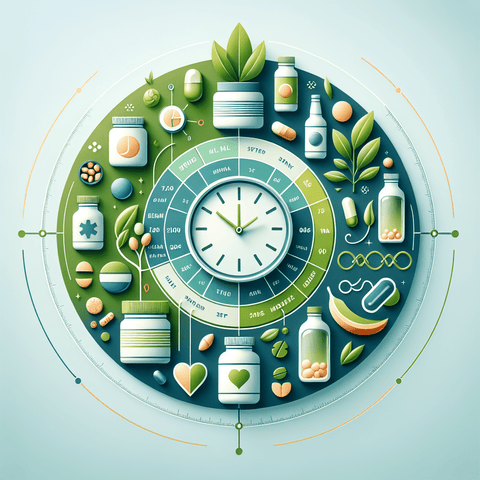
Supplement consumption habits describe the everyday patterns people follow when using vitamins, minerals, herbals and other dietary supplements. These habits cover how often products are taken, how they are selected and stored, and how users track their routines over time. Interest in this topic reflects growing public attention to nutrition, self-care and the practical organisation of daily routines.
This page acts as a broad hub for understanding supplement consumption habits. It introduces the main concepts, highlights demographic and lifestyle patterns reported in public health research, and outlines practical considerations. More specific questions are explored in the related articles linked from this tag.
What Are Supplement Consumption Habits?
Supplement consumption habits refer to the recurring behaviours surrounding supplement use. They include the frequency of intake, the time of day a product is taken, the way products are stored, and the way users decide whether to continue, pause or change a supplement. These habits are shaped by personal goals, daily schedules, cultural norms and the information available to the user.
Understanding these habits is useful for several reasons. It helps readers compare their own routines with common patterns, recognise practical factors that support consistency, and think more critically about how supplements fit into a broader approach to nutrition and wellbeing. It also provides context for the many supplement categories available, from multivitamins to minerals and herbal products.
Who Uses Supplements? Demographic Patterns
Public health surveys, including data discussed by the CDC through NHANES, have examined how supplement use varies across populations. While exact figures change over time, broad patterns consistently show differences by age, gender and other demographic factors.
- Age: Supplement use tends to increase with age, with older adults more likely to report regular use of certain products such as vitamin D, calcium or multivitamins.
- Gender: Some surveys report differences between men and women in the types of supplements chosen, though overall usage rates can vary by product category.
- Lifestyle: Supplement users often report other health-related behaviours, which researchers sometimes refer to as the healthy user effect.
These patterns are observational and do not imply that supplements cause better health outcomes. They simply describe how usage is distributed across groups and can help readers place their own habits in context.
Lifestyle Correlations and the Healthy User Effect
Research has noted that people who take supplements often differ from non-users in other ways. They may be more likely to exercise regularly, pay attention to diet, avoid smoking or prioritise sleep. This cluster of behaviours is sometimes called the healthy user effect.
Recognising this correlation is important because it helps explain why supplement users sometimes appear healthier in observational studies. The difference may reflect the broader lifestyle rather than the supplement itself. For readers, this is a reminder that supplements are one part of a wider picture and that no single product can substitute for overall healthy habits.
Common Supplement Categories
Supplement consumption habits vary depending on the type of product. Some categories are used more regularly, while others are taken for shorter periods or for specific purposes. Broadly, supplements can be grouped into several families.
- Vitamins: Includes vitamin A, B-complex, C, D, E and K, often taken as standalone products or within multivitamins.
- Minerals: Includes magnesium, calcium, iron, zinc, selenium and trace minerals.
- Herbal and botanical supplements: Includes turmeric, ashwagandha and other traditional plant-based products.
- Specialised categories: Includes probiotics, omega-3 fatty acids, amino acids and sports supplements.
Each category has its own typical usage patterns, storage considerations and label information. Readers interested in a specific group can explore our natural supplements collection for a broad overview, or browse more focused categories such as multivitamins and mineral supplements.
How Often Should Supplements Be Taken?
Frequency of use is one of the most common questions about supplement consumption habits. The answer depends on the product, the reason for taking it and individual circumstances. Some supplements are typically taken daily, while others may be used periodically or only for a set period.
Some users choose to take breaks from certain supplements, a practice sometimes called cycling. There is no single rule that applies to all products. Anyone considering changes to their supplement routine, including starting, stopping or pausing a product, should consult a qualified healthcare professional for advice tailored to their situation.
Practical Habits That Support Consistency
Building reliable supplement consumption habits does not require complex systems. Simple, repeatable actions tend to work better than detailed plans that are hard to maintain. The following practical measures can help support a clear and organised approach.
- Keep a simple log. Record what you take, when you take it and which product is involved. A notebook or reminder app can help maintain steady habits even on busy days.
- Anchor intake to a daily routine. Pairing a supplement with an existing habit, such as a morning meal, can reduce the chance of omissions.
- Read labels carefully. Check ingredients, stated dosages and expiration dates before use, and store products in their original containers away from heat or moisture.
- Review your choices periodically. Reassess your supplements when introducing new items, changing routines or after consulting a professional.
Safety, Sourcing and Informed Use
Safety is an important dimension of supplement consumption habits. Choosing reputable brands, checking product labels and being aware of potential interactions are practical steps that support informed use. Some supplements may not be suitable for everyone, and individual needs can vary.
Doctors and other healthcare professionals may discourage certain supplements in specific situations, not because supplements are inherently unsafe, but because personal circumstances, medications or health conditions can affect whether a product is appropriate. This is why general information about supplement habits should not replace personalised medical advice.
Exploring Supplement Consumption Further
Supplement consumption habits sit at the intersection of nutrition, daily routine and personal choice. This page has introduced the broad themes: who uses supplements, how usage patterns vary, how lifestyle correlates with supplement use, and what practical considerations support consistency and safety.
More specific topics, such as individual supplement categories, safety questions or comparisons between product types, are covered in the related articles associated with this tag. Readers who want to explore particular nutrients or product families can also browse our superfoods guide for additional context on nutrient-rich foods and supplement-related topics.