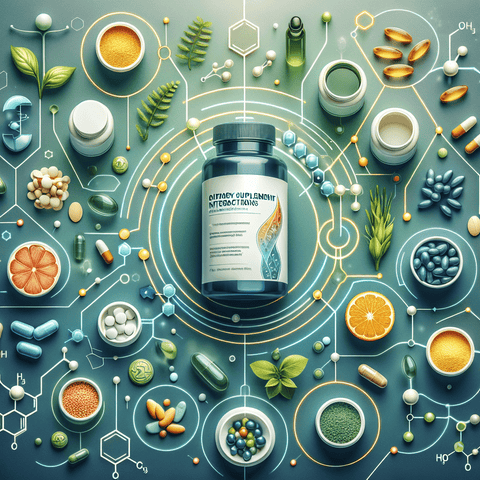
Navigating the world of dietary supplements can be complex, especially when it comes to understanding potential risks. Supplement contraindications are specific situations where a supplement should not be used because it may cause harm. This guide provides a broad overview of what contraindications are, why they matter, and how you can navigate supplement choices more safely, including information on interactions, individual variability, and practical steps for informed shopping.
What Are Supplement Contraindications?
A contraindication is a specific condition or circumstance that makes a particular treatment, procedure, or in this case, a dietary supplement, inadvisable. For supplements, contraindications often arise from the potential for negative interactions with medications, the presence of certain medical conditions, or specific life stages like pregnancy. Understanding these warnings is a fundamental part of using supplements responsibly.
Common Categories of Contraindications
Several broad categories define most supplement contraindications:
- Medication Interactions: Certain supplements can interfere with prescription or over-the-counter drugs, either by reducing their effectiveness or amplifying their side effects.
- Medical Conditions: Existing health issues, such as kidney or liver disease, can alter how your body processes supplements, potentially leading to harm.
- Life Stages: Pregnancy, breastfeeding, infancy, and older age are periods with unique nutritional needs and increased sensitivity to certain substances.
- Allergies and Intolerances: Many supplements contain fillers, allergens, or ingredients derived from common allergens like soy, gluten, or shellfish.
Why Individual Variability Matters
There is no one-size-fits-all answer when it comes to supplement safety. Individual responses can vary significantly based on genetics, age, sex, and overall physiology. Additionally, people with multiple health conditions who take several medications, a situation known as polypharmacy, face a higher risk of interactions. This variability means that a supplement that is safe for one person might not be safe for another, which is why personalized professional guidance is so important.
Recognizing Symptoms and the Limits of Self-Diagnosis
While it's important to be aware of potential adverse reactions to supplements, relying on symptoms alone to identify a problem can be misleading. Symptoms like nausea, dizziness, or headaches can have many different causes and may not be directly related to a supplement you are taking.
The Problem with Self-Diagnosis
Many symptoms are non-specific, meaning they could point to a wide range of underlying issues. For example, fatigue could be a sign of a nutrient deficiency, but it could also be related to stress, poor sleep, or an underlying medical condition. Self-diagnosing based on symptoms can lead you down the wrong path and delay proper medical evaluation.
When to Seek Professional Evaluation
If you experience any new or unusual symptoms after starting a supplement, it's essential to stop taking it and consult a healthcare professional. A broader assessment, including laboratory tests and a thorough review of your medical history, is often necessary to determine the root cause of your symptoms. This helps distinguish between a genuine deficiency, a supplement reaction, or an unrelated health issue.
The Role of Nutritional Supplements in Supporting Health
Despite the risks, nutritional supplements can play a legitimate and valuable role in supporting health in specific situations. They are not a cure-all, but they can help address confirmed deficiencies and fill nutritional gaps when dietary intake is insufficient.
Supportive Situations for Supplement Use
- Deficiency Prevention or Correction: Supplements can help address known deficiencies, such as vitamin D or iron, particularly when dietary sources are inadequate.
- Nutritional Gaps: People with restrictive diets, certain medical conditions, or increased needs due to life stage may benefit from supplements to cover essential nutrients.
- Supportive Care: In some cases, supplements can complement a physician-approved treatment plan, but they should never replace conventional medical care.
Important Caveats for Supplement Use
It is crucial to remember that supplements are not intended to diagnose, treat, cure, or prevent any disease. They are meant to supplement the diet, not replace a healthy lifestyle or medical treatment. Relying solely on supplements without professional guidance can be ineffective and potentially harmful.
Many common supplements, such as multivitamins, vitamin D, magnesium, calcium, omega-3s, and probiotics, each have their own set of considerations. For instance, vitamin D and calcium are often discussed for bone health, while omega-3s are known for cardiovascular support. However, you can find more detailed information on specific nutrients and their individual safety profiles by exploring our vitamin D guide or our comprehensive multivitamins guide.
How to Approach Supplement Safety and Selection
Making informed decisions about supplements involves a structured approach. Before starting any new supplement, it’s wise to evaluate your individual needs, understand the potential risks, and choose products carefully. A safe-use framework is designed to maximize potential benefits while minimizing risks.
Key Considerations Before Starting a Supplement
- Consult a healthcare professional or registered dietitian for personalized advice.
- Obtain relevant lab tests, such as vitamin D or iron levels, to confirm a deficiency rather than guessing.
- Review your current medications and health conditions for potential interactions.
- Start with the lowest effective dose and monitor how your body responds.
Guiding Principles for Safe Supplement Use
- Use supplements based on evidence of need, not just as a general precaution.
- Read labels carefully to check for contraindications, recommended dosages, and potential interactions.
- Choose products from reputable brands that use third-party testing and provide transparent ingredient lists.
- Keep a record of the supplements you take, the dosages, and any symptoms you experience.
- Re-evaluate your supplement routine regularly, especially after any changes in your health, medications, or diet.
Avoiding Common Pitfalls
There are several common mistakes to avoid when incorporating supplements into your routine. These include taking excessive doses (mega-dosing), using multiple products with overlapping ingredients, or buying supplements based on unsupported claims. Being aware of these pitfalls helps you make safer, more effective choices.
- Avoid exceeding the recommended daily allowance (RDA) for most nutrients unless directed by a healthcare provider.
- Check supplement labels for duplicate ingredients when using multiple products to prevent unintentional overdosing.
- Be wary of hidden ingredients or proprietary blends that do not disclose the amount of each active component.
Evidence, Uncertainty, and the Limits of Guessing
The effectiveness and safety of many supplements are supported by varying levels of scientific evidence. While some have strong backing from randomized controlled trials, others rely on observational studies or traditional use. It's essential to understand that individual responses differ and that the placebo effect can also influence perceived benefits. This uncertainty underscores the importance of relying on professional guidance and testing rather than making uninformed guesses about your health.
How Topvitamine Facilitates Informed Supplement Shopping
At Topvitamine, we aim to make the process of choosing supplements safer and more transparent. We provide detailed product information, including ingredient lists, dosage recommendations, and safety warnings, to help you compare options. When you explore our collection of natural supplements, you can access the information needed to make more confident and informed decisions that align with your individual health profile.
We encourage you to use this guide as a starting point for understanding supplement contraindications. Always consult with a healthcare professional before starting any new supplement, especially if you have pre-existing health conditions or are taking medications. This page serves as a broad educational resource, and more specific questions can be addressed in dedicated articles, such as our guide on magnesium benefits.
Conclusion: Turning Knowledge Into Confident Choices
Understanding supplement contraindications is a critical step toward protecting your health. By recognizing the potential for interactions, respecting individual variability, and approaching supplement use with a thoughtful, evidence-based mindset, you can significantly reduce your risk of adverse effects. Remember that supplements can support health but are not a replacement for medical care.
Key Takeaways for Safer Supplement Use
- Always research potential contraindications before starting a new supplement.
- Be aware that symptoms alone are not a reliable way to diagnose a deficiency or adverse reaction.
- Consult a healthcare provider for personalized guidance and appropriate testing.
- Choose high-quality products from reputable brands that prioritize transparency and third-party testing.
- Use Topvitamine's resources to compare products and make informed decisions.
Final Reminder
This guide is for educational purposes only and is not a substitute for professional medical advice. Always consult with a qualified healthcare professional before making decisions about your health, particularly if you have an existing medical condition, are pregnant or nursing, or are taking medication.
Common Questions About Supplement Safety
Can pregnant women take supplements?
Pregnancy is a time when nutritional needs are increased, and certain supplements like folic acid are commonly recommended. However, other supplements can be harmful during pregnancy. It is essential to consult a healthcare professional to determine which supplements are safe and necessary for your specific situation.
How can I know if a supplement is safe for me?
To determine if a supplement is safe, review the label for warnings and contraindications, consider your current health conditions and medications, and discuss your plans with a healthcare provider. They can help assess potential interactions and determine if a supplement is appropriate for you.
What should I do if I experience side effects from a supplement?
If you experience side effects after taking a supplement, discontinue use immediately and consult a healthcare professional. They can help determine whether the symptoms are related to the supplement and advise you on the next steps, which may include further evaluation or testing.
Are there risks associated with combining multiple supplements?
Yes, combining multiple supplements can increase the risk of interactions and unintentional overdosing. For example, taking a B-complex and a multivitamin may expose you to high doses of B vitamins. Always check ingredient labels to avoid duplication, and consult a professional to ensure your regimen is balanced and safe.
Can dietary changes eliminate the need for supplements?
In many cases, a balanced and varied diet can meet most nutritional needs. However, certain individuals, such as those with malabsorption issues, restrictive diets, or increased needs, may still require supplements. A registered dietitian can help you assess your diet and determine if supplements are necessary.