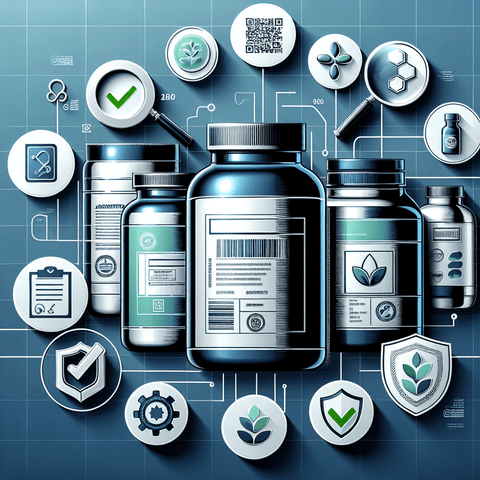
Supplement counterfeit prevention is about making sure the vitamins, minerals, and herbal products you buy are genuine, properly labeled, and manufactured under quality controls. Fake supplements can contain the wrong ingredients, incorrect doses, or undeclared substances — sometimes including hidden pharmaceuticals. In this article, you'll learn what counterfeit supplements are, why they pose real health and financial risks, the warning signs to look for before and after buying, and the practical habits that help you verify sellers, packaging, and labels so that what you take is actually what's on the bottle.
Introduction: Why Supplement Counterfeit Prevention Matters
The dietary supplement market is enormous and largely self-regulated in many regions. Unlike prescription medicines, supplements do not require pre-market approval by agencies such as the FDA or EMA, which means the responsibility for verifying quality and authenticity falls largely on manufacturers, retailers, and consumers. That gap creates opportunity for counterfeiters.
Counterfeit products are not a niche problem. Investigations by regulators and industry groups have repeatedly found fake or adulterated supplements sold through online marketplaces, social media shops, and unauthorized resellers. Because a supplement is something people take deliberately, often daily and sometimes for months or years, consuming a fake product can quietly undermine health goals or introduce genuine risks. Supplement counterfeit prevention is therefore a practical safety skill, not just a shopping tip.
What Is Supplement Counterfeit Prevention? Key Terms Explained
Supplement counterfeit prevention refers to the set of knowledge and habits used to avoid buying or consuming fake supplements — including verifying the seller, checking the product and its packaging, reading labels critically, and reporting suspicious products. Understanding a few related terms helps clarify exactly what you're protecting yourself against.
What Counts as a Fake or Counterfeit Supplement
A counterfeit supplement is a product that deliberately imitates a legitimate brand or product type while misrepresenting what it contains. This can mean a bottle that copies a real brand's name and design but is filled with something else entirely, a product with no active ingredient at all, or one that contains the advertised ingredient at a fraction of the labeled dose. Counterfeits may also be produced in unsanitary conditions, without any quality control.
Counterfeit vs. Adulterated vs. Contaminated vs. Mislabeled Supplements
These terms overlap but are not identical:
- Counterfeit products imitate a genuine brand or product with intent to deceive.
- Adulterated products contain undeclared ingredients — sometimes prescription drugs, unapproved stimulants, or hidden compounds added to make the product "work."
- Contaminated products unintentionally contain harmful substances such as heavy metals, bacteria, pesticides, or allergens from poor manufacturing practices.
- Mislabeled products contain something different from what the label states — wrong dose, wrong form of a nutrient, or ingredients not listed at all.
A single product can fall into more than one category. All of them matter, because each undermines your ability to know what — and how much — you are actually consuming.
Why Fake Supplements Are a Serious Health and Financial Risk
The most obvious cost of a fake supplement is financial: you pay for something that doesn't work. The less obvious but more serious cost is health-related, because a counterfeit product's contents are by definition unknown and uncontrolled.
Possible Side Effects and Health Risks of Counterfeit Supplements
Depending on what a fake product actually contains, risks can range from negligible to serious. An inert capsule may simply waste your money. But a counterfeit containing the wrong active ingredient, an allergen not on the label, or a substance interacting with your medications can cause allergic reactions, side effects, or dangerous interactions. Products with excessive doses of certain nutrients — for example fat-soluble vitamins or minerals — can contribute to intake above tolerable upper limits over time.
Hidden Pharmaceutical Ingredients and Contaminants in Fake Products
Regulatory warnings have repeatedly documented supplements — particularly those marketed for weight loss, sexual enhancement, bodybuilding, and energy — adulterated with undeclared pharmaceutical drugs such as sibutramine, sildenafil analogs, or anabolic steroid-like compounds. These hidden ingredients can affect blood pressure, the cardiovascular system, and the liver, and consumers have no way to anticipate them. Heavy metals such as lead, mercury, and arsenic have also been detected in some poorly sourced herbal products. This is one reason authenticity and third-party testing matter more in some product categories than others.
How to Spot Fake Supplements: Warning Signs and Red Flags
Fakes are designed to be convincing, but they often leave clues. Learning to recognize them is the core of supplement counterfeit prevention.
Packaging, Labeling, and Physical Product Red Flags
Inspect the product carefully once it arrives:
- Blurred printing, misaligned labels, spelling errors, or poor-quality packaging materials
- Missing or damaged safety seals, or seals that appear re-glued
- No lot or batch number, or no expiry date
- Missing manufacturer name and address — legitimate products must identify the responsible company
- Pills or capsules that differ from photos of the genuine product in color, size, texture, or odor
- Unusual taste or smell, clumping, discoloration, or damaged tablets
If the manufacturer offers a verification tool — such as a QR code, scratch panel, or batch-number lookup on their website — use it. Many major brands allow you to confirm authenticity directly.
Price and Seller Red Flags: When a Deal Is Too Good to Be True
Deep discounts far below the normal retail price are one of the most reliable warning signs. Counterfeiters attract buyers with prices that legitimate retailers cannot match. Be cautious with unfamiliar sellers, marketplace listings with no purchase history, newly created webshops, sellers contacting you via social media, and listings where the product photos don't match the actual item shipped. Check whether the seller appears on the brand's list of authorized retailers.
Marketing Red Flags: "Miracle Claims" and Missing Manufacturer Details
Legitimate supplement companies operate under strict rules about what they can claim. Be skeptical of products promising to cure, treat, or reverse diseases, deliver rapid weight loss or extreme muscle gain, or work "better than prescription drugs." Vague contact information, no customer service channel, anonymous ownership, and fabricated reviews are additional signs that a seller may not be trustworthy.
Where Fake Supplements Come From — and Why They Keep Spreading
Regulation Gaps and the Rise of Third-Party Marketplace Sellers
In many jurisdictions, supplement manufacturing is regulated but enforcement of online sales is difficult. Large marketplaces host thousands of third-party sellers, and while platforms have policies against counterfeits, listings can slip through. When inventory from multiple sellers is mixed in shared warehouses — a common practice — even a purchase from a "brand store" can occasionally involve compromised stock. This structural complexity is why counterfeiters keep finding channels.
Gray-Market Imports and the Product Categories Counterfeiters Target Most
Gray-market products are genuine goods imported and resold outside official distribution channels. They may have been stored improperly, expired, or relabeled for different markets — meaning the label language, ingredient forms, or permitted doses may not match your region's regulations. Counterfeiters concentrate on high-demand, high-margin categories: weight-loss products, sports and muscle-building supplements, popular branded vitamins, and premium herbal extracts. When buying popular categories such as sports supplements, extra verification is warranted.
Not All Risk Is Equal: What Changes Your Exposure to Fake Supplements
How Product Type, Price Point, and Purchase Channel Shape Your Risk
Risk is not uniform. Buying directly from a manufacturer's own website or an authorized retailer carries far lower risk than buying from an anonymous marketplace seller. Premium-priced, heavily marketed products attract more counterfeiting than generic ones. Certain categories — herbal weight-loss aids, performance enhancers, and branded bestsellers — are counterfeited far more often than, say, basic single-ingredient minerals from established manufacturers.
Why the Same Fake Product Can Harm Some People More Than Others
Individual factors change how a fake product affects you. Someone taking blood thinners, blood pressure medication, or diabetes medication faces greater danger from hidden pharmaceutical ingredients. People with allergies face risks from undeclared allergens such as gluten, soy, or nuts. Pregnant women, children, older adults, and people with kidney or liver conditions have less physiological margin for error. Athletes subject to drug testing can lose their careers from a single contaminated batch. The same counterfeit capsule is a much bigger problem depending on who swallows it.
Everyday Habits That Lower Your Risk of Buying Counterfeit Supplements
Buy Only From Official Websites and Authorized Retailers
The single most effective preventive habit is choosing where you buy. Purchase directly from the manufacturer or from retailers the manufacturer authorizes. Reputable specialized stores that source directly from brands and handle products properly — such as established supplement retailers like Topvitamine's natural supplements collection — offer more assurance than anonymous marketplace listings. Check the seller's address, return policy, and contact options before buying, and be suspicious of prices that seem impossibly low.
Inspect, Save, and Store: Simple Habits After Every Purchase
When the product arrives, inspect the seals, lot number, and expiry date, and compare the packaging against photos on the manufacturer's official site. Keep your receipt and a record of where you bought the product — this makes reporting easier if something goes wrong. Store supplements as directed; heat, humidity, and light can degrade genuine products just as easily as fake ones, so a bathroom cabinet is often not the best location.
A Food-First Foundation: Why Meeting Nutrient Needs Through Diet Lowers Your Exposure
Every supplement you don't need to buy is a counterfeit risk you don't take. For most nutrients, a varied diet — vegetables, fruit, whole grains, legumes, fish, dairy or fortified alternatives, nuts, and quality protein sources — can cover daily requirements. Vitamin D is a notable exception in regions with limited sunlight, and nutrients like vitamin B12 require attention for those following strictly plant-based diets. Building a food-first foundation, as discussed in guides on nutrient-dense foods and evidence-based nutrition, minimizes how many products you actually depend on.
How Third-Party Testing and Certifications Support Supplement Authenticity
What USP, NSF, Informed Choice, and GMP Marks Actually Verify
Certification marks indicate that an independent organization has audited the product. USP Verified means the product contains the ingredients listed at the labeled amounts and is free from specified contaminants. NSF Certified covers content accuracy and manufacturing safety; NSF Certified for Sport additionally screens for banned substances. Informed Choice/Informed Sport tests batches for a wide range of prohibited substances — highly relevant for athletes. GMP (Good Manufacturing Practice) compliance indicates the facility follows recognized quality standards. These programs verify different things, so it helps to know what each mark covers.
What Certifications Can — and Cannot — Guarantee
Certifications verify content accuracy, contaminant screening, and manufacturing quality for the batches tested. They do not guarantee the supplement is effective for your goal, appropriate for your health situation, or free from every conceivable contaminant. They also cannot stop counterfeiters from copying a certification logo — which is why checking that the product itself verifies through the certifying body's database matters, alongside the mark on the label.
When Supplements Are Genuinely Useful — and Why Authenticity Matters Most Then
Common Situations Where Diet Alone May Fall Short
Supplements are most relevant when dietary intake is genuinely insufficient or requirements are elevated: vitamin D during winter months with limited sun exposure, vitamin B12 for people eating vegan or vegetarian diets, iron for some menstruating women or during pregnancy, and folic acid for those planning pregnancy. Certain medical conditions and medications — for example, metformin's effect on B12 absorption, or bile-acid binders affecting fat-soluble vitamins — can also increase needs. In these situations, the supplement is doing real work, so a fake product doesn't just fail — it actively removes a benefit you were counting on.
Why the Stakes Are Higher When You Rely on a Product to Work
Someone taking a multivitamin as general insurance loses little if the product is subpar. Someone correcting a documented deficiency, managing a pregnancy, or supporting a medical need depends on the product delivering the labeled dose in a bioavailable form. The more you rely on a supplement, the more you should invest in verifying the seller, checking certifications, and choosing manufacturers with consistent quality records. Guidance on choosing products responsibly is available in resources like this multivitamin and supplement usage guide.
How to Choose Supplements With Counterfeit Prevention in Mind
Verify the Seller Before You Buy
Before purchasing: confirm the seller is an authorized retailer (brand websites usually list them), check that the webshop has a real business address and working customer service, read reviews on independent platforms rather than only on the seller's site, and verify that the domain is legitimate — counterfeiters use lookalike URLs with small spelling changes. Avoid buying supplements from social media marketplaces and untraceable payment methods.
Verify the Product After It Arrives: Lot Numbers, Seals, and Manufacturer Tools
On arrival, check the safety seal, confirm the lot number and expiry date are present and legible, and use any brand verification system offered (QR codes, authentication codes, batch lookups). Compare the label against the manufacturer's official product page — genuine products match in design, ingredient list, and dose. If anything looks off, contact the manufacturer directly with the lot number before using the product.
Comparing Genuine Products: Forms, Dosages, Bioavailability, and Formula Types
Even among authentic products, meaningful differences exist. Magnesium, for example, comes in forms such as oxide (poorly absorbed, often used as a laxative), citrate (well absorbed), and glycinate (well tolerated); similar variation exists for other minerals and vitamins. Dosage matters too — more is not better, and doses above the tolerable upper intake level can cause harm. Single-ingredient products make it easier to know exactly what you're taking, while combination formulas offer convenience but less dosing flexibility. Capsules, tablets, powders, and liquids differ in tolerability and convenience but not always meaningfully in absorption. Guides such as this overview of mineral supplements and their forms can help you compare options.
How to Read a Supplement Label Like an Authenticity Check
The Supplement Facts Panel, Allergen Statements, and Other Must-Have Details
A legitimate label includes: a Supplement Facts (or equivalent nutritional information) panel listing each ingredient and amount per serving, the form of the nutrient (e.g., magnesium citrate vs. oxide), serving size, percent of recommended daily values where applicable, allergen declarations, the full manufacturer or distributor name and address, lot number, and expiry date. Vague ingredient lists or missing company information are reasons not to buy — or not to consume.
Label Red Flags: Proprietary Blends, Missing Lot Numbers, and Illegal Disease Claims
Watch for: proprietary blends that hide individual ingredient amounts, doses that seem implausibly large or small, claims to "cure," "treat," or "prevent" disease (illegal for supplements in most jurisdictions), missing lot numbers or expiry dates, and ingredient names that don't correspond to recognized nutrient forms. These don't always mean a product is counterfeit, but they indicate lower transparency and higher risk.
Who Should Be Extra Careful When Buying Supplements
People Who Depend on Supplements for Specific Nutritional Needs
If you're correcting a diagnosed deficiency, managing pregnancy nutrition, or working with a healthcare provider on a supplement plan, product authenticity is non-negotiable. In these cases, buy directly from manufacturers or verified retailers, prefer products with third-party certification, and confirm anything questionable with the manufacturer before use.
Athletes and Drug-Tested Individuals: The Banned-Substance Risk
For competitive athletes, a contaminated or adulterated supplement isn't just a health issue — it can end a career. Studies of sports supplements have found some contaminated with anabolic agents or stimulants not listed on the label. Drug-tested athletes should choose products certified by Informed Sport or NSF Certified for Sport, which batch-test for banned substances.
Frequent Online Shoppers: Why Convenience Can Increase Exposure
Online shopping is convenient and often cheaper, but it concentrates risk: marketplace sellers can change between orders, inventory can be mixed, and lookalike webshops appear constantly. If you buy supplements online regularly, stick to a small set of trusted retailers, save your order histories, and periodically re-verify that sellers are still authorized.
What to Do if You Suspect a Fake Supplement
Stop Using It and Watch for Unusual Reactions
Stop taking the product immediately. If you've already used it and feel unwell — unusual symptoms, allergic reactions, rapid heartbeat, dizziness — seek medical attention promptly and bring the product packaging with you, since knowing what the product claimed to contain helps medical assessment.
How to Report Counterfeit Supplements — and When to See a Doctor or Pharmacist
Report suspected counterfeits to the manufacturer (most brands have quality-assurance contacts) and to your national regulator — the FDA's MedWatch program in the US, or your national food safety or medicines agency elsewhere. Keep the packaging, lot number, and purchase records. A pharmacist can help assess whether the symptoms you've experienced might relate to a hidden ingredient, and a doctor should evaluate any concerning reactions.
Do You Really Need That Supplement? A Safe-Buying Decision Framework
When Diet Alone May Be Enough
If you eat a varied diet, have no diagnosed deficiency, and no elevated requirements, you may not need supplements at all — and every product you skip is counterfeit risk avoided. Improving diet first is usually the higher-value move: more fiber, more varied vegetables and fruit, better protein sources, and adequate dairy or fortified alternatives.
When Supplementation Is Reasonable — and What Should Guide Your Choice
Supplementation becomes reasonable when intake is genuinely insufficient (B12 on a vegan diet), requirements are elevated (pregnancy, some life stages), absorption is reduced (certain medications and conditions), or validated testing shows low status (as with vitamin D). In those cases, choose the lowest effective dose, prefer well-studied nutrient forms, look for third-party certification, and buy only from verified sellers. When in doubt — or before high-dose supplementation — blood testing and professional advice beat guessing. For many common situations, resources on vitamin D sources, safety, and supplementation offer useful background before you decide.
Key Takeaways
- Supplement counterfeit prevention means verifying sellers, products, and labels before consuming any supplement.
- Counterfeit, adulterated, contaminated, and mislabeled are distinct problems — all of them mean the bottle may not match its contents.
- Some fake products have been found to contain hidden pharmaceutical drugs or heavy metals, particularly in weight-loss and performance categories.
- Red flags include prices far below retail, missing lot numbers or seals, vague labels, and miracle claims.
- Buy from official websites and authorized retailers; check the manufacturer's authorized-seller list.
- Use batch verification tools and prefer products with recognized third-party certification (USP, NSF, Informed Choice).
- Certifications verify content and purity for tested batches — not effectiveness or personal suitability.
- A food-first diet reduces how many supplements you need and therefore your counterfeit exposure.
- Athletes, pregnant women, and people on medication face higher stakes and should be especially careful.
- If you suspect a fake, stop taking it, keep the packaging, and report it to the manufacturer and your national regulator.
Frequently Asked Questions
What is supplement counterfeit prevention?
It's the practice of avoiding fake supplements through verified purchasing habits, product inspection, and label scrutiny. It includes buying only from authorized sellers, checking seals and lot numbers, using manufacturer authentication tools, and knowing how to report suspicious products.
What are the signs of a fake supplement?
Common signs include damaged or missing safety seals, missing lot or batch numbers, spelling errors, blurry printing, pills that differ from the manufacturer's photos, unusually low prices, and sellers with no verifiable contact details. Any one sign warrants caution; several together strongly suggest a problem.
Are fake supplements dangerous?
They can be. Some counterfeits are inert and merely waste money, but others have been found to contain undeclared pharmaceutical drugs, stimulants, anabolic agents, or heavy metals. The risk depends on what the product actually contains and your individual health status and medications.
Which supplements are counterfeited most often?
Weight-loss products, muscle-building and performance supplements, popular branded vitamins, and premium herbal extracts are targeted most frequently. High demand and strong marketing claims make these categories profitable for counterfeiters.
Is it safe to buy supplements on Amazon or other marketplaces?
It can be, but risk is higher than buying directly from manufacturers or authorized retailers, because third-party sellers and mixed warehouse inventory complicate traceability. If you use a marketplace, buy from the official brand store, check reviews and seller history, and inspect the product carefully on arrival.
What does third-party testing actually mean?
It means an independent organization — not the manufacturer — has tested the product for ingredient accuracy and certain contaminants, or audited the manufacturing facility. Programs like USP Verified, NSF, and Informed Sport publish their standards and, in some cases, allow you to verify certified products in online databases.
Do certification logos guarantee a supplement is genuine?
No. Legitimate certification verifies content accuracy and manufacturing quality for tested batches, but counterfeiters can fake logos. Check the certifying body's database to confirm the product is genuinely certified, and rely on the full set of verification habits rather than a single mark.
Can fake supplements affect drug tests?
Yes. Adulterated sports supplements have been found to contain banned substances such as anabolic agents and stimulants not listed on the label. Drug-tested athletes should use only batch-tested, sport-certified products from verified sources.
What should I do if I already took a suspected fake supplement?
Stop taking it immediately. If you notice unusual symptoms — allergic reactions, rapid heartbeat, dizziness, nausea — contact a doctor or pharmacist promptly and bring the product packaging. Also report the product to the manufacturer and your national regulator.
How can I check if a supplement brand is legitimate?
Look for a real business address and contact information, a functioning customer service channel, third-party certifications you can verify in public databases, and a consistent presence across official channels. Checking the manufacturer's authorized-retailer list is one of the fastest ways to confirm a seller.
Why are some supplements so cheap online?
Legitimate discounts exist — overstock, expiry sales, and authorized promotions. But prices dramatically below normal retail often indicate gray-market goods with unknown storage histories, or outright counterfeits. Verify the seller before assuming you've found a bargain.
Do I need a supplement at all, or can diet cover my needs?
For most nutrients, a varied diet covers requirements, and food-first is generally the better strategy. Supplementation becomes relevant in specific situations — limited sun exposure for vitamin D, vegan diets for B12, pregnancy for folate, or documented low blood levels. Testing and professional advice are more reliable than guessing based on symptoms.
The Bottom Line on Supplement Counterfeit Prevention
Supplement counterfeit prevention comes down to a handful of consistent habits: buy from verified sellers, inspect products on arrival, read labels critically, favor third-party-certified products, and use manufacturer verification tools when available. It also helps to start with food — the fewer supplements you need, the smaller your exposure to fakes. When supplementation genuinely fits your situation, whether for vitamin D in winter, B12 on a plant-based diet, or a documented deficiency, the same principles apply with even greater weight, because the product matters more when you're relying on it. Nutritional needs differ from person to person, and no single product suits everyone — but careful sourcing, informed label reading, and a willingness to seek professional advice when in doubt put you firmly in control of what actually ends up in your bottle, and in your body.
Related Keywords
- supplement counterfeit prevention
- how to spot fake supplements
- counterfeit dietary supplements
- fake vitamins warning signs
- adulterated supplements
- supplement safety and quality
- third-party tested supplements
- USP verified and NSF certified supplements
- authorized supplement retailers
- supplement label red flags
- hidden ingredients in supplements
- buying supplements online safely
- supplement batch number verification
- banned substances in sports supplements