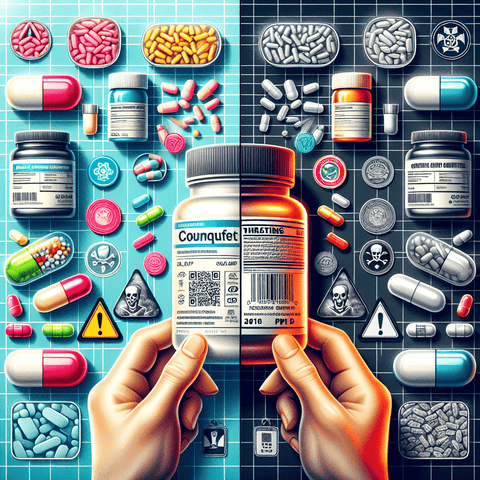
Supplement label fraud is a growing concern in the nutritional supplements industry. It complicates the process of making informed health decisions. This page offers a broad overview of the topic, explaining how to spot misleading claims, understand the risks associated with fraudulent products, and adopt strategies to protect yourself. By understanding the landscape, you will be better equipped to navigate your supplement choices confidently and safely.
What Supplement Label Fraud Involves
Supplement label fraud is a broad term that covers a variety of deceptive practices. These misleading tactics can undermine consumer trust and pose significant risks to health. Understanding the common types of fraud is the first step towards recognizing potential hazards.
Common Types of Misleading Practices
Fraudulent practices in the supplement industry can take several forms. Being aware of these patterns helps consumers ask the right questions when evaluating a product.
- False or inflated health claims: Some products make exaggerated promises about their effectiveness, such as curing illnesses or providing miraculous health benefits without rigorous scientific backing.
- Undeclared ingredients or contaminants: Some supplements may contain unlisted ingredients, allergens, or harmful substances that pose health risks to consumers.
- Misleading potency and undisclosed fillers: A label may claim to contain certain nutrients in high amounts, but the actual content might be far lower or not as effective due to added inert fillers.
The Regulatory Landscape
Unlike pharmaceuticals, dietary supplements generally do not require pre-market approval from regulatory bodies like the FDA. This regulatory gap allows many fraudulent products to enter the market without initial scrutiny. Post-market oversight exists, but it often only comes into play after consumers report adverse effects, which can result in slow recalls and delayed enforcement actions.
Health Risks and Broader Impacts
The implications of mislabeled supplements can be serious, affecting not only individual health but also public confidence in the industry as a whole.
Potential Health Outcomes
Consumers using fraudulent products may face allergic reactions to undeclared allergens, dangerous interactions with medications, or ineffective treatment of nutrient deficiencies due to incorrect dosages. The use of these products can also lead to nutrient excesses or imbalances, affecting overall health and potentially complicating existing medical conditions.
The Effect on Consumer Trust
The prevalence of fraud can undermine public confidence in the entire supplement industry. When consumers encounter unreliable products, they may develop skepticism about the benefits of all supplements, which can discourage them from addressing genuine nutrient gaps with safe and effective products.
Identifying Red Flags on Labels
Learning to read a supplement label critically is a vital skill for any consumer. Recognizing the warning signs of a potentially fraudulent product can help you avoid harmful or ineffective supplements. Here are key elements to examine:
- Vague or unsubstantiated health claims: Be wary of products that use buzzwords like “miracle cure” or make promises that seem too good to be true.
- Missing dosage information: A trustworthy product clearly states the amount of active ingredients per serving. The absence of this can be a significant red flag.
- Lack of identifying information: Legitimate manufacturers typically include lot/batch numbers and expiry dates to trace potential issues. Their omission may indicate poor quality control.
- Absence of third-party testing certifications: Certifications from independent agencies provide an added layer of assurance about product quality and label accuracy.
Understanding Third-Party Certifications
Recognized third-party certifications, such as those from USP, NSF, or ConsumerLab, indicate that a product has undergone independent testing for quality, purity, and accurate labeling. These seals help consumers identify supplements that have been verified by an unbiased organization. Looking for these is a strong step towards ensuring the products you choose meet established standards of quality.
Practical Steps for Making Safer Choices
Navigating the supplement market safely involves a proactive approach. When evaluating a product, consider these practical steps to help ensure you are choosing a safe and legitimate supplement.
How to Shop Smart
- Look for third-party certifications like USP, NSF, or ConsumerLab to indicate that the product has been independently tested.
- Check for clear ingredient lists, precise dosages, and proper serving sizes to verify the label claims.
- Check official recall databases and stay informed about safety alerts and manufacturer transparency.
- Consult reliable sources and, when necessary, a healthcare professional to discuss your specific needs.
Starting a Supplement Regimen Responsibly
Before starting any supplement, consider whether you have a documented nutrient gap or a specific health need. It is wise to consult with a healthcare provider, especially if you are taking other medications. When you begin, start with the lowest effective dose and monitor your health for any changes, benefits, or adverse effects. This careful approach helps minimize risks and ensures that your choices are based on your body's actual needs.
The Role of Individual Variability
It’s important to recognize that responses to supplements are not universal. Individual characteristics can significantly influence how a product works for you. This variability underscores the importance of a personalized approach to supplementation and caution when reading marketing claims.
Factors such as genetics, age, biological sex, and underlying health conditions can affect how the body absorbs and utilizes nutrients. Current medications can also play a role. Because of this, a supplement that might be suitable for one person may not be appropriate or effective for another. This reality highlights the value of professional guidance and a more individualized strategy rather than relying solely on label promises.
Building a Foundation for Safer Supplement Use
Protecting your health begins with informed decisions. By acknowledging the risks of supplement label fraud, actively seeking out transparent and certified products, and understanding your own health context, you can make proactive choices that support your well-being.
Topvitamine is dedicated to providing consumers with transparent information and access to high-quality, vetted products. When you are ready to explore options from brands that prioritize quality and clarity, you can browse our selection of natural supplements or explore our guides to understand more about specific nutrients like multivitamins and their role in your health.
Key Takeaways
- Be vigilant against misleading supplement claims and label fraud.
- Watch for red flags, such as unverified health claims and unclear dosage information.
- Utilize third-party certifications as a measure of product quality.
- Understand that individual variability in genetics and metabolism impacts supplement effectiveness.
- Consider professional guidance to avoid self-diagnosis and to make well-informed decisions.
- Stay updated on recalls and safety alerts to protect yourself.
- Explore Topvitamine for vetted supplement options.
Frequently Asked Questions About Supplement Fraud
This section addresses common questions about supplement label fraud and how to evaluate the products you are considering.
How can I tell if a supplement company is legit?
Legitimate companies are often transparent. They provide clear contact information, detailed ingredient lists, and evidence of third-party testing. Check for verifiable certifications and be cautious of companies that make sweeping health promises without scientific evidence to back them up.
What are some examples of nutrition fraud?
Examples include a product claiming to be a potent extract but containing mostly fillers, a label that omits a potentially harmful undeclared ingredient, or a product promising miraculous results for a specific condition without any clinically substantiated evidence.
Are supplements bought on Amazon fake?
Most supplements from large retailers like Amazon are legitimate. However, the risk of encountering fraudulent products exists due to third-party sellers. To minimize risk, purchase directly from the brand's official store on the platform or from reputable authorized retailers. Always verify the seller and look for products that have been independently tested.
What are red flags for supplements?
Key red flags include vague or inflated claims, missing dosage information, the absence of lot numbers or expiration dates, and a lack of third-party testing seals. Also be wary of products that rely on anecdotes rather than scientific research.