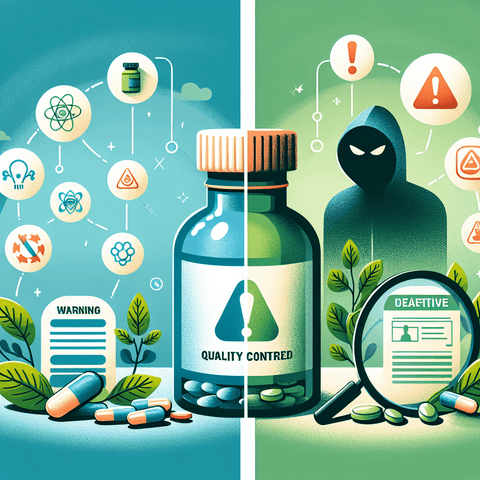
What Are Supplement Label Lies?
Supplement label lies are the misleading claims, vague terminology, and hidden information that can appear on dietary supplement packaging. They are not always outright falsehoods, but they often blur the line between marketing hype and factual information. Common examples include phrases like “clinically proven” without identifying the specific study, “proprietary blend” that hides individual ingredient doses, or “natural” applied to substances that still carry risks. Understanding these patterns is the first step toward becoming a more critical consumer.
The issue is widespread because many supplements are marketed with language designed to appeal to emotions rather than to inform. Terms such as “rapid results,” “maximum strength,” or “doctor recommended” may sound authoritative but often lack context. By learning how to decode these phrases and examine the actual Supplement Facts panel, you can make decisions based on evidence rather than impression.
Why the Regulatory Landscape Allows Misleading Claims
In the United States, dietary supplements fall under the Dietary Supplement Health and Education Act of 1994 (DSHEA). Unlike pharmaceutical drugs, supplements do not need FDA approval before they are sold. The FDA's role is primarily post-market, meaning it can take action only after a product reaches store shelves and problems arise. This system places a significant burden on consumers to evaluate products on their own.
Manufacturers are responsible for ensuring their products are safe and that label claims are truthful. However, enforcement is limited, and many misleading statements go unchallenged. The Federal Trade Commission (FTC) does oversee advertising, but the sheer volume of products makes comprehensive oversight difficult. As a result, claims like “boosts immunity” or “supports weight loss” may appear without robust scientific backing, and it often falls to the consumer to separate fact from fiction.
Common Red Flags on Supplement Labels
Being able to spot warning signs is an essential skill. Some labels contain clues that a product may not be as reliable as it appears. Watch for combinations of the following red flags:
- Unrealistic promises such as “cure” or “eliminate” specific conditions.
- Vague dosage information, especially within “proprietary blends.”
- Claims that rely on anecdotal evidence rather than scientific research.
- Use of medical jargon without explanation or specific references.
- A lack of third-party testing seals or certification marks.
- Missing contact information or company details on the label.
These indicators do not automatically mean a product is unsafe, but they do suggest that the manufacturer may be prioritizing marketing over transparency. Investigating further by looking for third-party testing or checking the company's website can provide additional clarity.
Understanding Label Claims and Scientific Evidence
Claims like “clinically studied” can be misleading if the study was small, poorly designed, or sponsored by the manufacturer. When evaluating a label claim, consider the quality of the evidence behind it. Large, randomized, double-blind, placebo-controlled trials are generally more reliable than anecdotal reports or small pilot studies.
The term “standardized” is often used to describe herbal extracts, but it does not guarantee effectiveness. It simply means the product is manufactured to contain a specific level of certain compounds. This can be helpful, but it does not replace a careful review of the evidence supporting the ingredient's use. Look for labels that specify the active compounds and their concentrations.
Another important consideration is that supplements are not regulated for purity and potency in the same way as drugs. This means that what is on the label may not always match what is in the bottle. Choosing products that have been independently tested by organizations like USP, NSF International, or ConsumerLab adds a layer of verification that the product meets certain quality standards.
Why Symptoms Alone Should Not Guide Supplement Use
It can be tempting to self-prescribe supplements based on symptoms like fatigue, poor sleep, or low energy. However, symptoms are not always a reliable indicator of a nutrient deficiency. Fatigue, for example, can be caused by a wide range of factors, including stress, hormonal imbalances, sleep disorders, or underlying medical conditions. Jumping to supplementation without understanding the root cause can delay proper diagnosis and treatment.
If you are experiencing persistent symptoms, the best approach is to consult a healthcare professional. A doctor can perform blood tests to identify genuine nutrient deficiencies and help you develop a plan that addresses the underlying cause. Self-prescribing based on labels alone carries the risk of masking a more serious issue.
How Individual Variability Affects Supplement Outcomes
Even with accurate labels and high-quality products, individual responses to supplements can vary significantly. Factors such as age, sex, genetics, gut health, and existing medical conditions all influence how a body absorbs and utilizes nutrients. This variability means that a supplement that works for one person may have little effect on another.
Understanding this variability is crucial, especially when evaluating anecdotal reviews. A product with many positive reviews may not work for you because your physiological context is different. This is why personalized medicine and individualized health advice are becoming increasingly important. It is also why relying on a single product or universal recommendation is rarely the best strategy.
A Practical Guide to Reading Supplement Labels
Developing a systematic approach to reading labels can help you make more informed choices. Here is a step-by-step checklist to follow:
- Identify the active ingredient and its amount per serving. Make sure the dose aligns with published research.
- Look for a “Supplement Facts” panel and avoid products that use proprietary blends to hide ingredient quantities.
- Check for third-party testing seals from organizations like USP, NSF, or ConsumerLab.
- Be cautious of labels that make disease claims, especially those using medical terminology without citations.
- Review the company's website for additional information about sourcing, manufacturing, and quality control.
- Consult a healthcare provider before starting any new supplement, particularly if you take medication or have a health condition.
This process takes time but is worth it to avoid wasting money on ingredients that are underdosed, mislabeled, or potentially unsafe. It also helps you build a more accurate picture of what you are putting into your body.
The Role of Quality Testing and Certification
Third-party testing is one of the most reliable ways to ensure a supplement contains what its label claims. Independent laboratories test for purity, potency, and sometimes for the presence of contaminants like heavy metals or pesticides. Products that pass these tests often display a seal from the certifying organization.
When a product lacks third-party verification, it does not automatically mean it is poor quality. However, it does mean there is no external confirmation of its contents. For consumers who want extra assurance, looking for these certifications is a prudent step.
If you are considering a supplement and want to learn more about quality indicators, you can explore the range of Topvitamine natural supplements which emphasizes transparent labeling and validated ingredients.
Specific Nutrients and Their Labeling Considerations
Certain nutrients are commonly the subject of misleading claims due to their popularity and perceived benefits. Understanding how these are often misrepresented can help you approach related products with greater scrutiny.
Vitamin D
Vitamin D is frequently marketed for its role in immune health and bone strength. However, claims that it can prevent or treat specific diseases beyond its established functions are often exaggerated. Deficiency is real, but the best way to know your status is through a blood test, not by guessing based on symptoms.
When choosing a vitamin D supplement, check the form (D2 vs. D3) and the dosage. Vitamin D3 is generally considered more effective at raising blood levels. Labels should clearly state the amount in IU (International Units) or mcg. For more detailed guidance, you can visit the vitamin D benefits and safety guide.
Magnesium
Magnesium is another popular supplement marketed for sleep, muscle function, and relaxation. While it is essential for these processes, many labels do not specify the form of magnesium used, which can affect absorption. Common forms include magnesium glycinate, citrate, and oxide, each with different properties.
Be wary of “high-strength” magnesium products if the elemental magnesium content is not clearly stated. The label should list the amount of elemental magnesium, not just the weight of the compound. You can explore magnesium supplements and their benefits to understand the differences better.
Other Common Supplements
Iron is essential but dangerous in excess, and labels should not recommend supplementation without evidence of deficiency. Omega-3s are often marketed for heart health, but the type and concentration of EPA and DHA matter. B-vitamin complexes are frequently advertised for energy, but energy production is a matter of cellular metabolism, not a stimulant effect.
For each of these, the same rules apply: look for specific ingredient amounts, research the form used, and check for third-party testing. Avoid products that rely on one ingredient to justify an unrelated benefit.
How to Choose Supplements on Topvitamine.com
The principles for evaluating labels apply regardless of where you shop. On Topvitamine.com, you can apply the same critical approach to product selection.
- Review the Supplement Facts panel for each product to see the exact amounts of active ingredients.
- Look for details about third-party testing or quality certifications on the product page.
- Check the brand's reputation and whether they clearly disclose sourcing and manufacturing practices.
- Read customer reviews but weigh them against scientific evidence, recognizing individual variability.
- Speak with a healthcare professional if you are unsure about your specific nutrient needs.
The goal is not to avoid supplements entirely but to select them wisely. By applying the skills outlined in this guide, you can navigate the marketplace more confidently and choose products that are more likely to meet your actual needs.
Key Takeaways for Evaluating Supplement Labels
- Supplement label lies are common due to limited regulatory oversight.
- Always look beyond front-of-package marketing to the Supplement Facts panel.
- Prioritize products with third-party testing and transparent ingredient disclosures.
- Symptoms alone are not a reliable basis for supplement selection; consult a professional.
- Individual responses to supplements vary significantly due to biological factors.
- Supplements should complement, not replace, a balanced diet and healthy lifestyle.
Becoming a discerning consumer takes time, but it is one of the most valuable skills in navigating the modern health landscape. By remaining curious and cautious, you can make decisions that truly support your well-being.