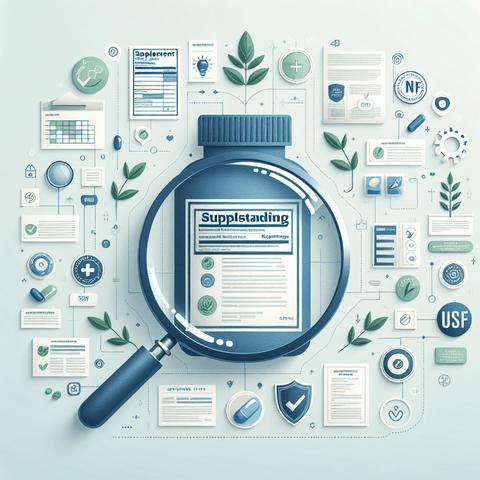
If you're navigating the world of nutritional supplements, understanding supplement labeling is essential. This comprehensive guide will empower you to read labels confidently, decipher ingredient lists, and make informed choices that align with your health goals. You'll learn the significance of various components on labels, the potential variability in supplement responses, and how to recognize misleading claims—all to support smarter, safer supplementation.
Introduction to supplement labeling: read labels confidently
Why the primary keyword matters: understanding supplement labeling
Supplement labeling serves a crucial role in informing consumers about what they are ingesting. It provides essential details about active ingredients, dosages, allergen information, and more. By mastering how to interpret these labels, you can make choices that reflect your individual health needs and preferences.
What readers will gain: a practical path from information to informed shopping on Topvitamine
This guide will offer practical insights into supplement labels, enabling you to discern quality products and avoid misleading claims effortlessly. By empowering yourself with this knowledge, you will enhance your supplement shopping experience on platforms like Topvitamine.
Quick map of the guide: core concepts, signals, variability, and decision flow
We'll explore key components of supplement labeling, including the Supplement Facts panel, ingredient lists, safety signals, and common claims. Understanding these factors will help you navigate your health journey effectively, armed with the right knowledge.
Core explanation: how supplement labeling is built and read
The Supplement Facts panel explained
This panel is central to understanding what a supplement offers:
- Serving size and servings per container: Always check how many servings you get in a container to adequately gauge the total intake.
- Active ingredients and amounts: Look for quantities of key nutrients in each serving and how they contribute to overall health.
- % Daily Value (%DV) and how to interpret it: This percentage shows how much a nutrient in a serving contributes to a daily diet, helping you gauge whether you are meeting your needs.
Ingredient list vs. active ingredients: what to look for and what to question
The ingredient list generally includes both active and inactive components. Focus on active ingredients that affect your health and be cautious of fillers or artificial additives which may not offer any benefits.
Other label components that matter
- Manufacturer contact information: Essential for inquiries about product safety and quality.
- Warnings, cautions, and recommended use: Always adhere to these guidelines to ensure safe consumption.
- Allergen declarations and disclosures: Watch for potential allergens that could adversely affect your health.
Certifications and quality signals on labels
- GMP compliance, batch numbering, and lot codes: These indicate quality control and traceability, ensuring product safety.
- Third-party certifications (e.g., USP, NSF): Look for these seals to ensure that the product meets stringent quality and purity standards.
Claims vs. evidence on labeling
Labels often feature claims such as “supports immune health” or “promotes heart health.” These terms may lack rigorous scientific evidence. Understand that such claims do not imply that the supplement will effectively address any health concerns.
Daily Value (%DV), specialized forms, and bioavailability cues
Consider not just the elemental amount of nutrients (like magnesium citrate vs. magnesium oxide) but also how well your body can absorb these forms. Higher bioavailability can lead to better health effects.
Why this topic matters
Safety, quality, and the risk of contamination or adulteration
Understanding supplement labels is critical for your safety. Contaminated or adulterated products can lead to adverse effects, making it vital to choose well-labeled, reputable options.
Navigating misleading or vague labeling claims
Misleading claims can confuse consumers. By becoming label-savvy, you can differentiate between products backed by evidence and those that are not.
The consumer burden: how labeling decisions impact health outcomes
Your choices based on supplement labeling can influence your overall health. Make informed decisions to support your well-being effectively.
Related symptoms, signals, or health implications tied to labeling decisions
Common nutrient-gap signals that may prompt label-focused evaluation
- Fatigue, weakness, pale skin, hair/nail changes: These could indicate deficiencies needing attention.
- Digestive disturbances or unusual bowel patterns: Such signs may necessitate a closer look at the supplements you choose.
- Muscle cramps, bone, or joint discomfort: These symptoms could signal that specific nutrients are lacking.
Signals tied to specific nutrient needs
For example, signs of calcium deficiency can include muscle cramps and poor bone health, prompting a careful review of related supplements. Similarly, vitamin D, iron, and omega-3 deficiencies have their own distinct signals.
Signals that require medical evaluation rather than self-diagnosis
Persistent symptoms, complex or severe changes, and drug-nutrient interactions warrant professional evaluation rather than assuming simple deficiencies.
Special populations with distinct label considerations
Pregnant women, individuals on vegan or vegetarian diets, older adults, and athletes may have specific nutrient needs requiring careful label scrutiny. Supplements can provide essential nutrients that may be harder to obtain from food alone in these cases.
Individual variability and uncertainty in supplement responses
Why people respond differently to the same supplement
Genetic factors, age, sex, and hormonal status can all influence how individuals respond to supplements. Recognizing this variability is essential in tailoring your intake.
Role of gut health, microbiome, and absorption
A healthy gut and balanced microbiome can significantly affect nutrient absorption and overall health. Variability in gut conditions might explain why some people respond better to certain supplements than others.
Interactions with medications, other supplements, and health conditions
Supplements can interact with medications and other supplements, sometimes resulting in adverse effects. Be aware of these potential interactions when selecting products.
Uncertainty in evidence and labeling claims: not all products perform the same
Scientific support for the effectiveness of certain supplement brands can vary widely. Not all products perform equally, so diligent label reading is crucial.
Why symptoms alone do not reveal root cause
The risk of assuming a single deficiency explains complex symptoms
Symptomatology can sometimes misleadingly suggest a single nutrient deficiency, such as fatigue which might point to several different causes, including various nutrient shortages or other health issues.
Overlap of symptoms across multiple nutrients and conditions
Symptoms like cognitive fog or digestive distress can overlap across multiple possible deficiencies, necessitating a more in-depth evaluation beyond self-diagnosis.
The importance of objective testing and professional guidance alongside label-reading
Consulting health professionals and utilizing objective testing can clarify which deficiencies exist, providing a stronger basis for label-driven supplement choices.
The role of nutritional supplements in this topic
How labeling-conscious choices fit into a broader health plan
Incorporating supplements should be part of a comprehensive health approach that includes a balanced diet, regular physical activity, and routine medical evaluations.
When supplementation is a reasonable, targeted response
Supplements are particularly useful for filling dietary gaps identified through symptoms or lab results, especially during specific life stages like pregnancy or aging.
Nutrients commonly evaluated through labeling considerations
- Vitamin D
- Iron
- B12
- Calcium
- Magnesium
- Omega-3s
- Probiotics
- Iodine
- Zinc
Labeling pitfalls to watch for in each category
Maintain vigilance for overstated claims, misleading forms (e.g., less bioavailable versions of nutrients), and inaccurate dosing recommendations that may not align with your health needs.
How nutritional supplements could support informed label decisions
Using labeling information to tailor supplementation safely
Information from labels should align with your dietary intake and any laboratory results to ensure supplementation is both safe and effective.
Evidence-backed use cases where labeling helps optimize outcomes
Dietary optimization can be targeted by understanding labeling, particularly for individuals with known deficiencies or specific health risk factors.
Practical labeling considerations for ongoing use
Consider factors like timing with meals to enhance absorption, and be conscious of potential side effects or interactions that might prompt a reevaluation.
Safety signals on the label that matter
Watch for signals indicating potential interactions, contraindications, and recommendations for discontinuation based on health developments.
Decision-support section: when nutritional supplements make sense
A structured decision framework
Follow these steps for thoughtful supplementation:
- Assess diet and potential gaps: Review your dietary intake.
- Review evidence for the nutrient and the product: Ensure there's scientific support for your choices.
- Scrutinize the label for dose, form, and safety: Dig deep into what each supplement provides.
- Consider life stage, health status, and medications: Tailor supplements to your specific needs.
- Plan monitoring and re-evaluation: Adjust your approach based on ongoing assessment.
Practical decision rules of thumb
If a healthcare provider indicates a deficiency, pursue a well-labeled supplement. Conversely, if your diet adequately covers your nutrient needs, prioritize food over supplements.
Red flags that signal you should seek professional guidance
Persistent symptoms, complex medical histories, and special situations like pregnancy warrant professional input before starting any supplements.
When to avoid supplements or seek alternatives
Allergies, known intolerances, or high-risk medication interactions should prompt caution or avoidance of certain supplements.
Conclusion: connecting supplement labeling insights to buying on Topvitamine
Key takeaways: read the label, understand the form, verify quality signals
- Familiarize yourself with key components of supplement labels.
- Be aware of the implications of % Daily Value and bioavailability.
- Recognize how individual variability impacts supplement response.
- Utilize labeling for informed, safe supplementation.
- Consult professionals when symptoms persist or overlap.
- Match supplementation to your health goals and dietary gaps.
How Topvitamine supports label-informed decisions
Topvitamine emphasizes transparent labeling with clear ingredient disclosures, serving sizes, and safety notes, fostering informed choices. You'll also find access to third-party certifications and batch information, ensuring quality.
How to use Topvitamine for label-focused shopping
Utilize filters on Topvitamine to narrow down your choices based on label features and nutrient targets. Compare products quickly, focusing on labeling quality and transparency.
Final call to action
Begin your supplement journey by auditing your current products. Then, explore Topvitamine’s curated selections for transparent, evidence-aligned options that meet your nutritional needs.
FAQ
What does %DV mean and how should I use it?
%DV, or Percent Daily Value, indicates how much a nutrient in one serving of food contributes to a daily diet. It's a helpful tool to gauge whether you're meeting dietary needs based on a standard 2,000-calorie intake.
What is not evaluated by the FDA on supplement labels?
The FDA does not evaluate dietary supplements for safety or efficacy before they reach the market. It's crucial to rely on third-party testing and certifications for quality assurance.
How can I tell if a product is third-party tested?
Look for certifications from reputable organizations like NSF or USP on the label. These designations confirm that a supplement has undergone testing for quality and purity by an external source.
How should I handle potential nutrient interactions on a label?
Review labels carefully for possible interactions between nutrients and medications. If you're unsure about interactions, consulting with a healthcare provider can help clarify what is safe for you.
Can I trust all health claims on supplement labels?
Not all claims are backed by rigorous scientific evidence. Be discerning and look for products with robust research supporting their health-related claims.
Are supplements necessary for everyone?
Not everyone requires supplements if their diet meets all nutrient needs. However, certain populations may benefit significantly from targeted supplementation.
How can I find the right supplement for my needs?
Start with a comprehensive assessment of your dietary intake and health status. Consider consulting with a healthcare provider to identify potential gaps, which can guide your supplement choices.
What should I do if I have an allergic reaction to a supplement?
Immediately discontinue use and consult a healthcare professional. Be sure to keep track of the ingredient list for future reference and awareness of allergens.
How does my age affect my supplement needs?
Age can impact nutrient needs due to shifting metabolic rates and changing health conditions. Older adults may require higher levels of certain nutrients due to absorption changes or health-related conditions.
What role does diet play in supplement decisions?
Your diet is foundational to meeting nutrient needs. Supplements are best viewed as complementary tools that can fill gaps rather than as replacements for a balanced diet.
Keywords
supplement labeling, nutritional supplements, health outcomes, ingredient list, Daily Value, safety signals, allergen information, quality certifications, absorption, nutrient interactions.