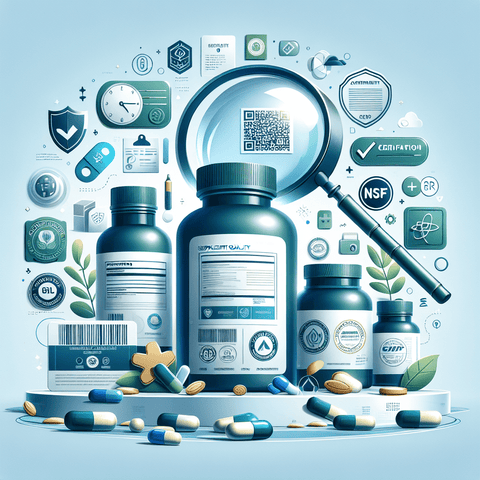
Supplement Quality Assurance Guide | Topvitamine


What Supplement Quality Assurance Means

Supplement quality assurance refers to the systematic processes and standards that help ensure dietary supplements are safe, accurately labeled, and contain what they claim. This field covers everything from Good Manufacturing Practices (GMP) to independent laboratory testing. Understanding these systems is the first step in choosing supplements with confidence and avoiding products that may not live up to their promises.

Why Supplement Quality Matters

The quality of a supplement directly impacts its potential usefulness and safety. Poorly manufactured products could contain contaminants or be mislabeled, which may pose health risks. Conversely, high-quality products that follow strict protocols are more likely to be accurately labeled. By learning the principles of quality assurance, consumers can better navigate the market, protect their health, and make decisions based on verifiable information rather than uncertainty.

How to Evaluate Supplements Effectively

The most practical aspect of supplement quality assurance is knowing how to evaluate a product before purchasing it. This involves checking for independent certifications, reviewing certificates of analysis, and understanding how to read a supplement label properly. By learning these simple checks, you can confidently identify products that meet high-quality standards and support your health goals.


How to buy high-quality supplements? - Topvitamine
Apr 04, 2026
High-Quality Supplements: What to Look ForBuying high-quality supplements starts with understanding what quality actually means. It begins with a clear goal: know which nutrient gap or health aim you're addressing, and consider professional testing when appropriate. Look for brands that follow Good Manufacturing Practice (GMP), use transparent ingredient sourcing, and undergo third-party testing from programs like USP, NSF, or Informed-Sport/Informed Choice. These certifications signal that a product contains what its label claims, in the stated amounts, and is screened for certain contaminants. Prefer labels that list exact quantities of active ingredients, standardized extracts where relevant, and bioavailable forms. Avoid proprietary blends that hide amounts, exaggerated health claims, and suspiciously low prices that often indicate under-dosing or weak quality controls.How to Evaluate Brands and RetailersChoosing a trustworthy brand and retailer is as important as reading the label. Reputable brands publish details about sourcing, testing, and quality protocols, and they provide Certificates of Analysis on request. They are responsive to customer questions and avoid marketing hype. For retail, buy from established supplement stores, manufacturer-direct websites, or specialist online platforms that prioritize traceability and freshness. Verify secure checkout, clear return policies, and honest customer reviews. General marketplaces can be convenient, but you must vet the seller carefully. Compare price per effective dose, not just price per bottle—a slightly more expensive, well-tested product often delivers better value than a cheap formula that fails to meet evidence-based amounts.Safe Shopping and Smart Supplement UseSafety starts with skepticism toward miracle claims and ends with careful use. Review ingredient lists for allergens and potential interactions with medications. If you are pregnant, breastfeeding, take prescription drugs, or manage a medical condition, consult a healthcare professional before starting new supplements. Check expiration dates, storage instructions, and batch numbers. Start with a lower dose to gauge tolerance, and avoid stacking multiple products with overlapping ingredients that could exceed safe levels. Supplements should complement a balanced diet, sleep, activity, and stress management—not replace them. By following this practical checklist, you protect your health and your budget while choosing high-quality supplements that support your wellness goals.
Does it matter where you buy supplements from? - Topvitamine
Feb 08, 2026
Supplement Quality and SafetyYes, where you buy supplements matters for both quality and safety. Products from unverified sources may contain contaminants, lack active ingredients, or carry misleading labels. Buying from reputable retailers and authorized brand websites ensures that supplements comply with regulatory standards and have undergone rigorous quality testing. Third-party certifications like USP, NSF, and GMP provide additional assurance that what is on the label matches what is in the product.Key Considerations for Safe Supplement PurchasesTo make informed choices, look for products that disclose ingredient sourcing, avoid unnecessary fillers and additives, and display batch numbers for traceability. Be cautious of prices that seem too good to be true, as they may indicate counterfeit or expired goods. Always check expiration dates and storage conditions. Consulting a healthcare professional is wise if you are pregnant, breastfeeding, on medication, or managing a chronic condition. For those in the EU, ensure products comply with European food law and do not carry unauthorized health claims.Practical Tips for Buying SupplementsBuy from authorized online retailers like Topvitamine.com, official brand websites, or reputable physical health stores. Look for batch numbers and certifications, and keep receipts in case of product recalls. Avoid gray-market sellers and unverified international vendors, as the supplements may not meet your region's safety standards. By staying vigilant and focusing on transparency and third-party verified products, you can minimize health risks and ensure you are getting effective supplements that support your wellness goals.
How to Know if a Supplement Is of Good Quality? - Topvitamine
Sep 30, 2025
Understanding Supplement Quality: What Really MattersWhen you're faced with countless supplement options, knowing how to tell a high-quality product from a low-quality one is essential. The most reliable indicators are third-party certifications, transparent labeling, and independent lab testing. Certifications like NSF, USP, and Informed Choice verify that a product contains what's on the label and is free from harmful contaminants. These marks are your first line of defense in supplement quality assurance.How to Verify Supplement Testing and Read a Certificate of AnalysisBeyond certifications, you can request a Certificate of Analysis (COA) for the specific batch of product you're considering. A COA shows the results of laboratory tests for potency, purity, and contaminants like heavy metals and pesticides. To read it effectively, check that the lot number on the COA matches the one on your bottle, look for ISO 17025 lab accreditation, and ensure the testing date is recent. A reputable brand will gladly provide this documentation.Choosing High-Quality Supplement Brands with ConfidenceFinally, understanding the brand's practices is key. Look for full ingredient transparency, including exact amounts of each active ingredient, and avoid vague proprietary blends. Research the brand's manufacturing standards, sourcing, and reputation. Always consult your healthcare provider before adding any supplement, especially if you're pregnant, nursing, taking medication, or managing a medical condition. By applying these criteria, you can confidently choose supplements that meet rigorous quality standards.
Unlocking the Truth About Supplement Quality How to Spot Genuine and Trusted Brands - Topvitamine
Sep 04, 2025
How to Verify Supplement AuthenticityWhen you buy a supplement, you want to know it contains what the label says. Genuine supplement testing involves independent, third-party verification of identity, potency, purity, and label accuracy. Organizations such as NSF International, USP, and Informed Choice provide certification seals that signal a product has passed rigorous testing. Checking for these seals is one of the most reliable ways to confirm supplement authenticity before making a purchase.Indicators of Trusted Supplement BrandsA trusted supplement brand is transparent about its quality processes. Look for third-party certifications, access to Certificates of Analysis (COAs), clear ingredient sourcing, and Good Manufacturing Practices (GMP) compliance. Brands that openly share this information demonstrate a commitment to quality and consumer safety. These indicators help you identify companies that prioritize genuine, effective products.Practical Steps to Check Supplement AuthenticityTo verify a supplement is authentic, inspect the packaging for certification marks, use batch numbers to look up COAs on the brand's website, and purchase from authorized retailers or the brand's official site. Some brands also offer QR codes or barcodes that can be scanned for verification. These simple steps reduce the risk of counterfeit products and help you choose supplements backed by reliable quality assurance.
Unlocking Hidden Benefits: How to Choose the Most Effective Dietary Supplements for Your Wellness Goals - Topvitamine
Aug 31, 2025
What Are Dietary Supplements?Dietary supplements are products taken by mouth that contain a dietary ingredient intended to supplement the diet. They include vitamins, minerals, herbs, amino acids, enzymes, and other substances, and are available in forms such as capsules, tablets, gummies, powders, and liquids. Common examples are multivitamins, calcium, vitamin D, fish oil, probiotics, and protein powders. These products are designed to help fill nutritional gaps and support overall wellness, but they are not meant to replace a balanced diet.Common Types of Dietary SupplementsSupplements can be grouped into several categories based on their ingredients and intended use. Vitamins and minerals are micronutrients essential for many bodily functions, such as vitamin C for immune support and iron for oxygen transport. Herbal supplements and botanicals, like turmeric, echinacea, and ginseng, are derived from plants and are often used for traditional wellness benefits. Other categories include amino acids and proteins, probiotics for gut health, and specialized formulas targeting specific needs like joint or heart health.How to Choose Dietary Supplements SafelyChoosing a high-quality supplement involves several steps. First, identify your individual needs based on your diet, lifestyle, and wellness goals. Look for products that have been verified by independent third-party organizations such as USP or NSF International, which test for purity, potency, and contaminants. Read the Supplement Facts panel carefully to check active ingredients and dosages, and avoid products with proprietary blends that hide individual amounts. Research the brand to ensure they follow Good Manufacturing Practices and provide transparent sourcing information. Also consider bioavailability, which affects how well your body can absorb and use the nutrient. Always consult a healthcare professional for personalized advice, especially if you have a medical condition or take medication.
What to Look for in Third-Party Tested Supplements for Better Quality and Safety - Topvitamine
Aug 27, 2025
What Does Third-Party Testing for Supplements Mean?Third-party testing for supplements refers to independent verification by an unaffiliated organization to confirm purity, potency, and label accuracy. Unlike relying on manufacturer claims, this process involves objective evaluation by a separate laboratory or certification body. The goal is to ensure a supplement contains what its label states and is free from harmful contaminants like heavy metals, microbes, or undeclared ingredients. Since dietary supplements do not require FDA pre-approval, third-party testing adds a critical layer of trust and reliability for consumers.How to Verify a Supplement's CertificationTo verify a supplement's certification, start by looking for seals from recognized programs like NSF Certified for Sport, USP Verified, or Informed Choice on the product label or brand website. Confirm the seal is current by checking the certifier's online database, as certifications can expire or be revoked. Request or download a batch-specific Certificate of Analysis (COA) from the brand, ensuring it is dated and includes results for contaminants and potency. Also verify that testing was performed by an ISO/IEC 17025 accredited laboratory, which ensures adherence to international testing standards.Understanding Certification Seals and Their LimitationsCertification seals are valuable but have limitations. They confirm a product passed specific tests at a given time, not that the seal covers all products from a brand or is permanent. Certifications can be withdrawn, so always verify that the specific product you are buying has a current certification. Look for batch-specific testing, which is more reliable than facility-wide approval. Additionally, the FDA does not certify supplements; it regulates them post-market. Third-party certifications help fill this gap by providing independent verification of quality and safety.

With the vast number of dietary supplements available, understanding supplement quality assurance is essential for making safe and informed choices. This guide acts as a central resource, explaining what quality assurance means, why it matters, and how you can verify a product’s quality before adding it to your routine. Here, we’ll cover the core concepts, from certifications to label reading, to help you navigate the supplement market with confidence.

Introduction: Building a Foundation of Trust

Why supplement quality assurance is a core topic

The dietary supplement market is broad, with products ranging from vitamins and minerals to herbs and specialty formulas. However, the reality is that not all supplements are created equal. Supplement quality assurance is the framework of processes designed to ensure products meet specific standards of identity, purity, strength, and composition. For consumers, understanding this framework is central to navigating their choices and ensuring they get what they pay for.

What this guide will help you understand

This page will serve as your starting point for understanding the different layers of quality. We'll cover the basics of quality assurance (QA) versus quality control (QC), explain important certifications and testing, and provide practical steps you can take when you consider any supplement purchase, including a review of essential product labels.

Core Concepts: Defining Supplement Quality Assurance

Quality assurance (QA) versus quality control (QC)

It’s helpful to distinguish between two complementary processes. Quality assurance (QA) is a proactive, system-based practice that aims to prevent defects from occurring in the first place. This includes establishing standard operating procedures and managing facilities. On the other hand, quality control (QC) is a retroactive process involving the actual testing and verification of products to ensure they meet the predetermined quality. In short, QA is about designing a good process, and QC is about checking the final output.

Standards and certifications: GMP, USP, and NSF

To translate QA/QC into practice, the supplement industry relies on recognized standards. Good Manufacturing Practices (GMP) is a system for ensuring that products are consistently produced and controlled according to quality standards. Third-party certifications from independent organizations like the United States Pharmacopeia (USP) or NSF International signal that a product has been tested for purity, potency, and the accuracy of its label claims. Knowing these certifications provides an initial benchmark for evaluating a product.

The role of certificates of analysis (COAs)

A key document in supplement quality assurance is the certificate of analysis (COA). This is a document from a testing laboratory that certifies that a product’s composition matches its label. It typically lists the ingredients, their strengths, and the results of tests for impurities or contaminants. Reviewing a COA offers a level of transparency that is a strong indicator of a quality-conscious brand.

Why This Topic Matters: The Stakes Behind Supplement Quality

Health risks of contaminants and mislabeling

The critical importance of this topic is rooted in the potential consequences of poor quality. Contaminants such as heavy metals or other unlisted substances can introduce serious health risks. Similarly, mislabeling the discrepancy between what's on the label and what's in the bottle, can lead to you consuming an incorrect dose of an ingredient or missing a potentially harmful interaction.

The impact of bioavailability and formulation

Beyond contaminants, the quality of the formulation itself can determine effectiveness. Even if a supplement contains the right active ingredients, factors like the chosen nutrient form and how the product is manufactured can influence its bioavailability – that is, how well your body can absorb and use the supplement. Good quality assurance helps guarantee that the final product offers, in principle, the intended dose in a form that body can make use.

The broader consequence is trust for the entire market. When you can't rely on a product, you are less likely to benefit from it or to trust other supplements. This is why quality assurance is not just a technical issue; it is a fundamental aspect of health protection and consumer confidence.

How to Verify Supplement Quality: A Practical Approach

Step-by-step verification process

Before making a purchase, you can carry out a simple verification process to increase your confidence in a product. Here is a practical guide:

  1. Look for third-party certifications (e.g., USP, NSF).
  2. Seek out the certificate of analysis (COA) for a batch.
  3. Verify the ingredient label and manufacturer information.
  4. Assess the product against your own health goals.

How to read a supplement label

A supplement label is your primary source of information. Understanding its key elements is critical to a wise purchase. You should always check the 'Supplement Facts' panel for the list of ingredients, the amount per serving, and the serving size.

Pay attention to the 'Other Ingredients' (excipients) as well, which can sometimes affect those with allergies. Also, look for clear cautions and instructions for use. If this information is unclear, that can be a signal of a less transparent brand.

Red flags and what to avoid

Be cautious of supplements that use sensible claims without proof, lack basic label transparency, or from manufacturers are not easily identifiable. Products that avoid providing a COA or are not backed by any signs of quality assurance protocols should warrant extra scrutiny.

Signals of Low-Quality Supplements

While not a substitute for professional medical advice, being aware of your body's response can offer some signals. If you experience a lack of expected results, notice a change in your symptoms, or encounter unexpected side effects, this could be a sign that your current supplement isn't the right quality for you. However, remember that many health factors, such as diet, stress, and sleep, are intertwined. It is important to consider the complete picture and consult a health professional.

It’s also vital not to self-diagnose a deficiency. The effects of a supplement, whether positive or negative, can result from a complex mix of your health status, your gut microbiome, and even the placebo effect, but you should never assume your symptoms are solely due to the product without proper evaluation.

How Quality Supplements Fit Into a Healthy Lifestyle

It is essential to understand that supplements are just one part of a health package. They are designed to complement a balanced diet and should not be used to replace healthy eating habits. Quality-conscious supplement use becomes a positive step when you have a documented deficiency, increased nutritional needs or life-stage changes, or when you can't meet your nutritional goals from diet alone. These are cases where reliable products can help support your well-being.

Clinical evidence for how to personalize these choices is complex. When evaluating products for your needs, use critical thinking and prioritize sources that provide transparent information about their sourcing and testing.

How Topvitamine Curates Quality-Conscious Options

At Topvitamine, we focus on making quality and transparency accessible. We take care by supporting practices that lean towards quality assurance, a key part of which is third-party testing and clear labeling. Our assortment is designed to help you identify supplements that you can trust, allowing you to shop with more confidence and aligned with your health journey.

You can explore a range of supplements that uphold principles of quality assurance. For example, you can consult our multivitamins guide to understand how these principles apply to popular products. Similarly, topics that are often discussed are supported by detailed mineral supplements, like magnesium, which also benefit from quality assurance.

When you are ready to venture further, our range of superfoods also exemplifies the standards we aim to maintain.

Deepening Your Knowledge: Key Subtopics and FAQ

To build your understanding, here’s a high-level look at common questions that may arise around this topic.

How to verify the quality of supplements?

Verifying quality begins with checking for third-party certifications on the label and seeing if the manufacturer provides a certificate of analysis (COA). Look for certifications that confirm the product contains the ingredients listed, free from rejected, and is manufactured to quality standards. Understanding what these certifications mean provides a base line of trust.

What certification should I look for on a supplement?

Look for independent, third-party certifications from organizations like USP, NSF International, or Informed. These are requested as they perform their own testing for accuracy and purity. A seal from one of these certifiers is a strong signal that the product has been independently verified, separate from the manufacturer's claims.

Why doesn't the FDA evaluate supplements?

In the United States, dietary supplements are regulated as a category of food, not drugs, by the FDA. This means they don't require pre-market approval for prior to being sold, unlike pharmaceutical drugs. Instead, it is the responsibility of manufacturers to ensure their products are safe, and quality practices like GMP and third-party testing help fill the gap to ensure that safety and quality.

Decision-Support: When Do Supplements Make Sense?

Understanding quality assurance also helps support smart decision-making about when supplementation is appropriate. A responsible approach considers a few key scenarios:

  • A documented deficiency from a healthcare professional.
  • Specific life stages with increased nutrient needs.
  • Restrictive diets that make it hard to meet needs.
  • When your goal is to fill a specific gap, not replace meals.

It's crucial to consider these decisions in context and consider your personal risk tolerance, budget considerations, and always consult a healthcare practitioner for personalized advice on your specific health situation.

Conclusion: Make Informed Choices with Confidence

Navigating the world of supplements becomes far less daunting when you are equipped with the knowledge of quality assurance. By prioritizing products with independent testing, transparent labels, and reputable manufacturing practices, you are taking an active step to ensuring that you are investing in your health wisely, making informed choices that align with your goals.

Your next step should be to audit your current supplements to see if they meet these standards. Discuss your specific needs, or explore our

Key takeaways for safer, more effective supplement use

  • Understand the difference between quality assurance and quality control.
  • Look for third-party certifications such as USP or NSF.
  • Review and review certificates (COAs) when available.
  • Learn the basics of reading a supplement label.
  • Be mindful of unproven claims and lack of transparency.
  • Reassess your supplement routine as health and diet evolves.

Topvitamine is here to help. We prioritize quality assurance in our selection, and we encourage you to consult with your healthcare undergoes for any tailored recommendations needed for your health journey. Explore our quality-conscious selections to find products you can trust.