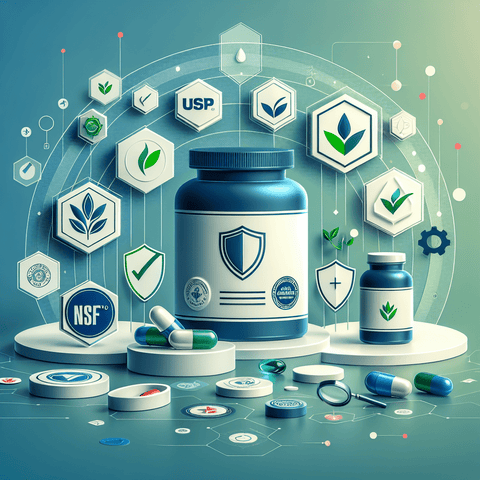
Supplement safety compliance is a broad topic that touches every consumer who uses dietary supplements. In a market where products are not always rigorously tested before reaching shelves, understanding the rules and standards that govern supplement safety is crucial. This guide explains what supplement safety compliance means, why it matters for your health, and how you can apply it when choosing supplements. You'll learn about regulatory oversight, quality certifications, and practical steps to verify that the products you use are safe and accurately labeled.
What Is Supplement Safety Compliance?
Supplement safety compliance refers to the set of standards and practices designed to ensure that dietary supplements are safe for consumption, contain the ingredients they claim, and are accurately labeled. Compliance covers multiple aspects, including ingredient safety, quality control during manufacturing, proper labeling, and clear usage instructions. In many regions, supplements are regulated as food products rather than pharmaceuticals, which means they are not subject to the same pre-market approval process as drugs. Instead, manufacturers are responsible for ensuring their products meet safety standards before they are sold.
Key Components of Compliance
Compliance typically involves several core elements:
- Ingredient accuracy: The product must contain exactly what is listed on the label, in the stated amounts.
- Quality control: Manufacturing processes must follow Good Manufacturing Practices (GMP) to minimize contamination and ensure consistency.
- Labeling requirements: Labels must be clear, accurate, and include usage instructions and potential warnings.
- Safety monitoring: Companies should monitor adverse events and report them to regulatory bodies when required.
For consumers, recognizing these pillars helps in evaluating the trustworthiness of a supplement brand.
Why Supplement Safety Matters
The supplements you take can have a profound effect on your well-being—for better or worse. While high-quality supplements can help fill nutritional gaps, poorly regulated products carry risks: contamination with harmful substances, undisclosed ingredients, inaccurate dosages, or dangerous interactions with medications. These risks can lead to health issues ranging from mild allergic reactions to serious organ damage. Understanding supplement safety compliance is not just about following rules; it's about protecting your health.
Moreover, the market is full of misinformation. Many products make exaggerated claims that are not supported by science. Learning how to evaluate products critically—and recognizing red flags—empowers you to make choices that are both safe and effective.
Health Risks of Non-Compliant Supplements
- Contamination: Presence of heavy metals, pesticides, or micro-organisms.
- Adulteration: Hidden ingredients or undeclared prescription drugs.
- Mislabeling: Incorrect strength, missing allergens, or false claims.
- Interactions: Supplements may interfere with medications or other health conditions.
Regulatory Oversight: FDA, EFSA, and Global Standards
Different countries have different regulatory frameworks for dietary supplements. In the United States, the Food and Drug Administration (FDA) oversees supplements under the Dietary Supplement Health and Education Act (DSHEA). The FDA does not test most supplements before they are marketed, but it can take action against products that are shown to be unsafe or misleading. In the European Union, the European Food Safety Authority (EFSA) evaluates health claims and sets safety standards for vitamins and minerals. Other regions have similar agencies.
Despite these regulations, enforcement is often reactive rather than proactive. This means that the responsibility for choosing safe products rests significantly on you, the consumer. Knowing the regulatory landscape helps you understand the level of oversight and why third-party testing is so important.
Third-Party Certifications: NSF, USP, and GMP
Third-party certifications are voluntary programs that provide extra assurance of a product's quality and safety. When a supplement carries a certification seal, it means an independent organization has tested the product and verified that it meets certain standards. Some of the most recognized certifications include:
- NSF International: Tests products for harmful contaminants and verifies label accuracy.
- USP (United States Pharmacopeia): Ensures the product contains the declared ingredients in the declared amounts, and is free from harmful levels of contaminants.
- GMP (Good Manufacturing Practices) certification: Confirms that the manufacturing facility follows quality control procedures.
These certifications are not mandatory, but they are strong indicators that a brand is committed to safety. When shopping for supplements, look for these seals as part of your evaluation.
How to Verify Supplement Safety as a Consumer
You don't need to be a scientist to assess supplement safety. A few simple habits can make a big difference:
- Read the label carefully: Check for the active ingredients, dosage, allergens, and any warning information.
- Look for third-party certifications: Seals from NSF, USP, or similar organizations indicate independent verification.
- Research the brand: Established brands with a history of transparency and good manufacturing practices are generally safer choices.
- Check for batch testing: Some companies provide certificates of analysis for each batch, which can be requested or found online.
- Consult healthcare professionals: Especially if you have health conditions or are taking medications, ask a clinician, pharmacist, or dietitian for personalized advice.
Practical Tips for Choosing Safe Supplements
- Avoid products with exaggerated or unrealistic claims (like 'miracle cure').
- Be wary of products that promise quick fixes for serious health issues.
- Check the supplement facts panel for transparency in ingredient listing.
- Consider the source: purchase from reputable retailers or directly from trusted brands.
Safety Considerations by Supplement Type
Different types of supplements come with their own safety profiles. For example, fat-soluble vitamins like A, D, E, and K can build up in the body and cause toxicity at high doses, while water-soluble vitamins like vitamin C and B vitamins are generally excreted more readily. Minerals such as iron and calcium have established upper limits to avoid adverse effects. Herbal supplements and probiotics have unique considerations—like interaction with medications or variability in potency across brands.
Understanding these nuances helps you approach supplements more cautiously. A common guideline is to avoid exceeding the recommended daily intake, unless a healthcare professional advises otherwise. If you suspect a deficiency, a blood test can help guide the appropriate supplement and dosage. For general support, a multivitamin may be a safe option, but always check the label for quality cues. For more targeted needs, explore a range of carefully selected supplement categories.
Integrating Safe Supplement Habits into Your Lifestyle
Supplements are not a substitute for a balanced diet, but they can be useful for addressing nutritional gaps. A responsible approach involves:
- Assessing your dietary intake to identify potential shortfalls, such as vitamin D or omega-3 fatty acids.
- Choosing supplements that have a strong safety record and a clear scientific rationale.
- Keeping a record of what you take and how you feel, to spot any reactions or ineffectiveness.
- Periodically reviewing your supplement stack with a healthcare provider to ensure it remains appropriate for your changing needs.
Begin by understanding your own nutritional needs. Resources like a comprehensive multivitamin guide can help you make educated choices. For specific nutrients, explore targeted collections such as Vitamin D or Magnesium to find products that align with your health goals.
Common Questions About Supplement Safety
Many consumers have specific concerns about safety. Below are answers to some frequently asked questions that help clarify the topic.
Are There FDA Regulations on Supplements?
Yes, the FDA regulates dietary supplements as a category under the Federal Food, Drug, and Cosmetic Act. However, the regulations focus on post-marketing surveillance and enforcement, not pre-market approval. Manufacturers are responsible for ensuring product safety and label accuracy, and the FDA can act against unsafe or misbranded products. This is why third-party testing is so important for consumers.
Is NSF or USP Better?
Both NSF and USP are well-respected certification organizations. NSF International tests for contaminants and verifies label accuracy, while USP (United States Pharmacopeia) sets standards for purity, quality, and labeling. The choice between them often comes down to product availability and personal preference. Both certifications provide a high level of assurance, and you can confidently choose a product that carries either seal.
Who Is Responsible for the Safety of Supplements?
The manufacturer is legally responsible for the safety and quality of its supplements. However, regulatory agencies like the FDA in the US and EFSA in Europe provide oversight and can issue recalls or warnings when problems are identified. Ultimately, consumers share responsibility by staying informed and checking for quality indicators. This shared responsibility is why education is key.
How to Verify Supplement Safety?
Verifying supplement safety involves a few practical steps: check for third-party certifications (e.g., NSF, USP), review the product's label for clear ingredient and dosage information, research the brand's reputation and testing practices, and consult healthcare professionals when in doubt. Batch testing certificates and good manufacturing practices (GMP) are also strong indicators.
Making Informed Choices on Topvitamine
At Topvitamine, we aim to help you shop for supplements with confidence. Our product pages display key safety information, including certifications, ingredient sourcing, and usage guidelines. You can also use our categorization system to explore supplements by type and purpose. For example, if you're looking for a quality multivitamin or a vitamin D supplement, you can easily find products that meet your safety standards. We encourage you to use the information on this page as a guide for evaluating any supplement you consider.