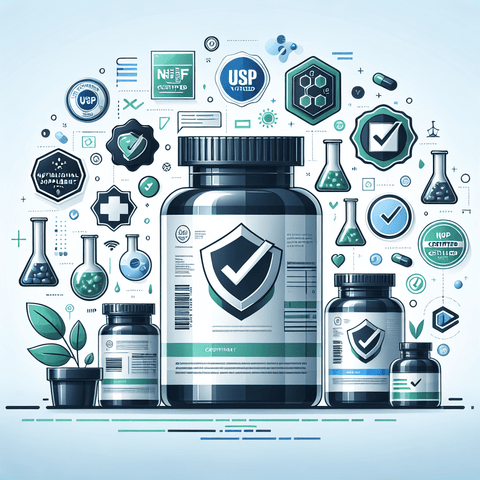
Supplement Safety Measures: How to Choose Safely


What Are Supplement Safety Measures?

Supplement safety measures are the practical steps you can take to evaluate a dietary supplement before you buy and use it. Because the supplement market includes a wide range of products from many different manufacturers, it is sensible to approach any purchase with a clear framework. A practical starting point involves four key actions: reading product labels carefully, verifying third-party certifications, recognising potential red flags, and choosing products from reputable brands. These measures are designed to help you navigate product information with greater clarity and reduce exposure to uncertain or misleading claims.

Why Building Confidence in Your Choices Matters

Building confidence in your supplement choices is about more than just picking a product off the shelf. It is about understanding the basic principles that help you assess quality and transparency. For example, reading the ingredient list and serving size, checking for allergen information, and noting the manufacturer's contact details are all part of responsible evaluation. Verifying that a product carries a certification from a recognised third-party organisation, such as USP or NSF International, can add another layer of confidence when the certification is current and matches the product's lot number. These steps form a simple, repeatable approach to choosing supplements more safely.

Practical Steps for Evaluating Supplements

Putting supplement safety measures into practice involves a straightforward evaluation of both the product and the seller. Start by scrutinising the label for clear information about active ingredients and their amounts, and be cautious of vague terms that hide exact dosages. Next, check for credible certifications and confirm their status with the issuing body. Finally, buy from sellers with transparent policies and accessible customer support, and be wary of unusually low prices or pressure to purchase quickly. By following these practical steps, you can make more informed decisions and support product integrity throughout your purchasing journey.


Unlocking the Truth About Supplement Certification: What You Need to Know Before Buying - Topvitamine
Aug 31, 2025
What Is Supplement Certification?Supplement certification is a voluntary process in which an independent third-party organization, such as the United States Pharmacopeia (USP), evaluates a dietary supplement to confirm that it meets specific quality standards. Unlike a manufacturer's own claims, certification provides an unbiased review of the product's ingredients, purity, and manufacturing practices. The certification process typically includes testing for ingredient potency—verifying that active ingredients are present in the amounts declared on the label—and screening for harmful contaminants like heavy metals, pesticides, and microbial pathogens. It also involves a review of the manufacturing facility to ensure compliance with Good Manufacturing Practices (GMP) and an assessment of the label to ensure it is truthful and not misleading. Importantly, certification focuses on product quality and manufacturing, not on whether the product works or its health claims.How the Supplement Certification Process WorksThe certification process follows a structured, step-by-step approach. First, a manufacturer voluntarily submits its product to a certifying organization like USP. The organization then conducts laboratory testing to verify ingredient potency and purity, checking for contaminants. Next, the manufacturing facility is audited to confirm GMP compliance. The product label is reviewed for accuracy and truthfulness. Once the product meets all standards, the certifier awards its seal, which the manufacturer can display on the label. This certification is not permanent; it is typically renewed periodically, and the certifier may conduct ongoing monitoring or re-testing to ensure continued compliance. This process provides consumers with a reliable signal of quality, especially in an industry with limited premarket regulation.Why Certification Matters and How to Identify Trusted LabelsSupplement certification matters because it offers independent confirmation that a product contains what it claims and is free from harmful levels of contaminants. Third-party testing is a cornerstone of supplement safety, as the dietary supplement industry is not as strictly regulated as the pharmaceutical industry. When choosing supplements, look for valid seals from reputable certifiers like USP or NSF. Transparency is also key: reputable brands provide clear sourcing information, state that they follow GMP, and often make Certificates of Analysis (COAs) available upon request. The table below compares common quality claims, highlighting that USP Verified is a third-party certification, while GMP compliance is largely self-reported, and the FDA does not approve supplements before they are sold. Understanding these differences helps you make informed, safe choices.

Navigating the world of dietary supplements involves more than just choosing a brand or a familiar ingredient. A thoughtful approach to supplement safety measures can help you evaluate products with greater confidence and avoid misleading information. This guide provides a broad framework for understanding how to assess supplements, from reading labels to verifying certifications and spotting potential red flags.

Reading Supplement Labels Carefully

Reading the label is a foundational step in any supplement safety routine. It is the first point of contact with the product's factual information and can tell you a great deal about its transparency and quality.

When reviewing a label, pay attention to the following elements:

  • The ingredient list and the specific amount of each active ingredient.
  • Information on allergens, fillers, and other additives.
  • The country of manufacture and the manufacturer’s name and contact information.
  • The expiration or best-by date to ensure freshness.

Be cautious of vague terms such as “proprietary blend” when they do not break out the exact amounts of each ingredient. Similarly, watch for health claims that lack supporting detail or seem too good to be true. Scrutinising these details is a core supplement safety measure.

Verifying Third-Party Certifications

Another essential supplement safety measure is verification of certifications. Many reputable products carry logos from independent organisations that test for quality and purity. However, simply seeing a logo is not enough; you should take steps to verify that the certification is valid and applicable.

Consider the following when checking certifications:

  • Look for well-known third-party seals such as USP, NSF International, or other accredited bodies relevant to your region.
  • Verify the certification's current status on the certifying body’s official website.
  • Check that the product name and lot number on the package match the certification for that specific product.
  • Confirm that Good Manufacturing Practices (GMP) compliance is indicated where applicable.

Taking these steps strengthens your approach to supplement safety measures by ensuring that a certification isn't just a logo but a meaningful indicator of quality. For a deeper look at the types of products that are subject to these standards, you might explore our range of natural supplements.

How to Spot Supplement Red Flags

Understanding what to look for can help you identify products that may not meet appropriate safety standards. Recognising red flags is a proactive supplement safety measure that can save you from wasting money or, more importantly, from using an unsafe product.

Common red flags include:

  • Unrealistic or extraordinary claims about health benefits.
  • A lack of transparent contact information for the manufacturer or seller.
  • Unusually low prices that seem too good to be true.
  • Pressure tactics to buy immediately or a refusal to provide batch or lot numbers.

Being able to spot these signs is a valuable part of choosing safe supplements.

Choosing Safe Supplements: Practical Considerations

Beyond reading labels and verifying certifications, there are broader considerations that contribute to supplement safety. The process of choosing safe supplements involves evaluating the seller, the brand, and even the type of product you're considering.

A few practical steps can help:

  1. Purchase from reputable brands with clear policies, accessible customer service, and easy return options.
  2. Compare products across different reputable retailers to get a sense of standard pricing and quality.
  3. Verify batch or lot numbers whenever they are available, as this links a specific product to its quality tests.

For example, if you are looking for specific types of supplements, it can be helpful to review our guide to herbal supplements or explore multivitamin safety and usage information to understand more about how these categories are regulated and what to look for.

The Importance of a Critical Mindset

Ultimately, supplement safety measures are built on a foundation of critical thinking. It involves understanding that the supplement industry is diverse and that not all products are created equal. By approaching each purchase with a set of clear questions—about the label, the certification, the brand, and the claims—you put yourself in a stronger position to make decisions that align with your health goals.

This guide is intended for educational purposes and provides a general framework for evaluating supplements. It is not a substitute for professional medical advice. Always consult with a qualified healthcare provider before starting any new supplement, especially if you have underlying health conditions or are taking medication.