Supplement Safety Tips: How to Use Vitamins & Supplements Safely
Navigating the world of vitamins and supplements can feel overwhelming, making supplement safety tips essential for anyone considering adding them to their routine. This guide provides a clear, evidence-based roadmap for understanding what dietary supplements are, how they work, and how to choose and use them responsibly. You will learn how to read labels effectively, recognize potential interactions, and understand when supplementation is truly necessary versus when it is simply an option. Our goal is to empower you with knowledge so you can make informed decisions that support your health without unnecessary risk.
Understanding Dietary Supplements: Definitions and Basics
Before exploring safety, it is crucial to clarify what a dietary supplement actually is. This classification determines how a product is made, marketed, and regulated, which has direct implications for safety.
What Counts as a Dietary Supplement?
In most regulatory frameworks, a dietary supplement is a product taken by mouth that contains a "dietary ingredient." This includes vitamins, minerals, amino acids, herbs or botanicals, and other substances like enzymes or probiotics. They come in various forms, such as tablets, capsules, softgels, powders, and liquids. Importantly, supplements are not intended to replace food or to act as conventional drugs. They are designed to supplement the diet, but their regulatory path and testing requirements differ significantly from pharmaceuticals.
Key Terminology: Vitamins, Minerals, Botanicals, and Bioactive Compounds
Understanding the terms used on labels and in research helps build a foundation for safe use.
- Vitamins: Organic compounds needed in small amounts for normal metabolic function. They are classified as fat-soluble (A, D, E, K) or water-soluble (B-complex, C).
- Minerals: Inorganic elements that play structural and functional roles in the body, such as calcium for bones and iron for oxygen transport.
- Botanicals: Plant-derived materials used for their flavor, scent, or potential health benefits. They can be consumed as extracts, powders, or whole-plant preparations.
- Bioactive Compounds: Natural chemical substances found in foods and plants that have biological activity in the body, such as the curcumin in turmeric or the anthocyanins in berries.
Why Supplement Safety Is Critical for Your Health
The decision to take a supplement should not be taken lightly. These products can have a meaningful impact, both positive and negative, on your physiological state. Understanding this impact is the first step toward safe and effective use.
The Difference Between Dietary Gaps and Medical Treatment
A supplement is intended to address a dietary gap—a shortfall in nutrient intake relative to what the body needs. It is not a substitute for medical treatment for a diagnosed condition. For example, taking vitamin C to support immune function during a cold is addressing a general nutritional need. Relying on a supplement instead of a prescribed medication to treat a chronic illness like high blood pressure is dangerous and ineffective. Supplements have a supporting role, not a curative one.
How Supplements Interact with Normal Body Processes
Vitamins and minerals do not act in a vacuum. They participate in complex biochemical pathways. For example, vitamin D regulates calcium absorption, while vitamin K helps proteins bind calcium for bone health. Taking a high dose of one nutrient can inadvertently affect the metabolism of another. Similarly, botanical extracts can influence liver enzymes that are responsible for metabolizing drugs, potentially altering how fast medications are broken down and cleared from your body. This is why a holistic view is essential for safety.
Common Mistakes and Risk Factors in Supplement Use
Many safety issues arise from common, avoidable mistakes. Being aware of these pitfalls is a key part of practicing good supplement safety tips.
The "More Is Better" Fallacy: Understanding Upper Limits
One of the most widespread errors is assuming that taking a higher dose yields greater benefits. This is not true and can be dangerous. For many nutrients, there is an Upper Intake Level (UL). This is the maximum daily intake unlikely to cause adverse health effects. Exceeding the UL, especially for fat-soluble vitamins like A and D, or minerals like iron and selenium, can lead to toxicity, organ damage, and serious health complications. The goal is to meet, not exceed, your nutritional requirements.
How to Spot Potentially Dangerous Supplement Interactions
Supplements can interact with prescription and over-the-counter drugs, other supplements, and even certain foods. For instance, vitamin K can interfere with blood thinners like warfarin, while St. John’s Wort can reduce the effectiveness of many medications, including birth control pills and antidepressants. Always consult with a healthcare professional or pharmacist about potential interactions, especially if you take multiple medications or have a chronic health condition. Checking the multivitamin guide can help you understand common ingredients and their potential impacts.
Risk Factors: Age, Medications, and Pre-Existing Conditions
Certain groups are more vulnerable to the adverse effects of supplements. For example, older adults may have reduced kidney function, affecting how quickly they clear supplements from their system. Pregnant and breastfeeding women must be careful about ingredients that could affect fetal development. Individuals with pre-existing conditions like liver disease, kidney disease, or hemochromatosis (iron overload) are at higher risk. Your age, medication list, and health history are significant factors in determining if a supplement is safe for you.
Why One-Size-Fits-All Supplementation Fails
There is no universal prescription for nutrition. A supplement that works well for one person may be unnecessary or even harmful for another. Recognizing this variability is central to making smart choices.
Individual Variability: Diet, Genetics, and Absorption Rates
Your nutrient requirements are shaped by your genetics, which influence how you absorb, transport, and utilize nutrients. Your current diet determines whether you have a deficiency or adequacy of a particular nutrient. Your gut health affects your absorption rate. For example, two people with the same dietary intake can have different blood levels of vitamin D due to differences in sun exposure and genetic variations in their vitamin D receptor. These factors make a personalized approach necessary.
Why Your Neighbor’s Supplement Routine May Not Work for You
A friend sharing their success with a particular supplement can be compelling, but that routine is based on their specific context. Their diet, lifestyle, and health goals are different from yours. Assuming that a routine that helped them will help you ignores the fundamental principle of individual variability. Your supplement strategy should be based on your own dietary habits, health status, and, ideally, the results of validated lab tests. Taking supplements without a clear rationale introduces risk without guaranteed benefit.
Prioritizing Food First: The Role of Diet and Lifestyle
Before reaching for a supplement bottle, the foundational step is always to assess and strengthen your dietary and lifestyle habits. This is the most effective and safest way to obtain essential nutrients.
Key Food Sources of Essential Vitamins and Minerals
A varied, balanced diet can typically provide the nutrients your body needs. For example, calcium is found in dairy products and leafy greens, vitamin C is abundant in citrus fruits and peppers, and omega-3 fatty acids are found in fatty fish like salmon. The benefits of getting nutrients from food extend beyond the isolated nutrient itself; foods contain fiber and a complex matrix of beneficial compounds that work together to support health, something no supplement can fully replicate. Explore our guide to superfoods for more examples of nutrient-dense options.
Lifestyle Habits That Improve Nutrient Absorption Naturally
Beyond what you eat, how you live can influence your nutrient status. This includes things like getting adequate sunlight for vitamin D synthesis and managing stress, as chronic stress can deplete certain nutrients. Cooking methods matter too; for instance, the lycopene in tomatoes is better absorbed when they are cooked. Regular physical activity can improve circulation and metabolic health, enhancing nutrient delivery to cells. Focusing on these lifestyle habits creates a strong foundation for nutritional health.
When Whole Foods Are Not Enough: Signs of Nutritional Gaps
Even with the best intentions, a dietary gap can occur. This may be due to busy schedules, dietary restrictions, poor soil quality, or food preferences that eliminate entire food groups. While symptoms like fatigue or brittle nails can signal a problem, they are rarely specific to a single deficiency. If you suspect a deficiency, the most reliable step is not to guess but to consult a clinician and consider testing. Guessing based on symptoms alone often leads to taking inappropriate supplements.
The Legitimate Role of Nutritional Supplements
Diet is the priority, but there is a legitimate and evidence-based role for supplements in supporting overall health. The key is to understand where that role begins and ends.
Vitamins and Minerals: When They Provide Genuine Support
In cases where a specific, confirmed deficiency exists, supplements are highly effective. For example, using iron supplements to treat iron-deficiency anemia or folic acid to prevent neural tube defects during pregnancy are standard medical practices. Similarly, vitamin D supplementation is often recommended for individuals who have limited sun exposure or have been found deficient through a blood test. In these contexts, the supplement is providing genuine therapeutic support by correcting a known shortfall.
Omega-3s, Probiotics, and Botanicals: Evidence-Based Uses
Other supplement categories also have a place, though their evidence may be more nuanced. Omega-3 fatty acids, for instance, are well-researched for supporting heart health when dietary intake is low. Probiotics may be helpful for certain gut-related issues, as detailed in our probiotics guide. Botanical extracts like curcumin, found in turmeric supplements, have research supporting their use for managing inflammation. The key is that these supplements support specific physiological functions; they are not cure-alls.
The Biological Rationale: Filling Specific, Identified Nutrient Shortfalls
The most sound rationale for supplementation is to fill a specific, identified shortfall. This requires a step beyond general wellness trends. It means evaluating your diet to identify what it may be lacking, considering your lifestyle for factors that deplete nutrients, and possibly getting a test to confirm a deficiency. A supplement works best when it is targeted at a clear objective, rather than used as a shotgun approach to cover all potential bases without a specific reason.
When Supplementation May Be Worth Considering
There are distinct circumstances where your need for nutrients increases or your dietary intake is likely inadequate, making supplementation a reasonable and prudent consideration.
Circumstances That Increase Nutritional Requirements
Certain life stages and conditions significantly increase your body's need for specific nutrients. Pregnancy and lactation, for instance, demand higher levels of folate, iron, and DHA. Intense athletic training can increase the need for protein, electrolytes, and certain B-vitamins. Chronic stress, illness, and smoking also deplete the body's nutrient reserves. In these situations, meeting the increased demand through diet alone may be a challenge, making supplementation a practical support measure.
Situations Where Dietary Intake Is Likely Insufficient
Specific dietary patterns can make it difficult to meet all nutritional requirements. For example, vegans and vegetarians are at higher risk for vitamin B12 deficiency, which is primarily found in animal products. People with food allergies or intolerances that eliminate whole food groups may also struggle. Older adults often have reduced stomach acid, which impairs the absorption of B12 and other nutrients. In these scenarios, a targeted supplement can be a valuable bridge to cover the gap.
Distinguishing General Support from Managing a Diagnosed Deficiency
It is essential to distinguish between taking a supplement for general well-being and taking one to correct a medical deficiency. Correcting a deficiency is a medical goal that should be guided by healthcare providers using appropriate diagnostic tests. General support, like taking a multivitamin when your diet is occasionally imperfect, is a wellness strategy with a lower bar for evidence but a higher bar for common sense. Knowing which category you fall into will shape your expectations and the rigor of your decision-making process.
How to Choose the Right Supplement for You
Once you have a firm rationale for supplementation, the next step is product selection. This is where product quality and formulation details matter significantly. For clarity, exploring our collection of natural supplements can provide a starting point, but understanding the following factors is more important than any brand name.
Ingredient Forms: Which Are Better Absorbed?
Nutrients come in different chemical forms, and your body absorbs some better than others. For example, magnesium glycinate is often better absorbed and less likely to cause digestive upset than magnesium oxide. Similarly, vitamin E as mixed tocopherols is more natural than synthetic alpha-tocopherol alone. Researching and selecting a well-absorbed form can make your supplement more effective and reduce the risk of side effects like stomach discomfort. Our magnesium guide offers a deeper dive into its different forms.
Dosage and Concentration: Reading the Numbers Carefully
The number on the label does not always represent the entire story. Check the "Serving Size" and the "Amount Per Serving." A product might contain 1000 mg of a nutrient, but if the serving size is two capsules, you must take two to get that dose. Also, compare the amount to the Daily Value (DV) to understand what proportion of your daily needs it covers. Avoid products with doses that far exceed the standard recommendations unless specifically directed by a physician.
Bioavailability: Getting the Most from What You Take
Bioavailability refers to the degree and rate at which a substance is absorbed and becomes available at the site of action. Some nutrients require co-factors to be absorbed. For example, calcium is better absorbed in the presence of vitamin D. Others may compete for absorption, such as calcium and iron. Understanding your supplement's bioavailability can help you take it at the right time and with the right co-nutrients to maximize its potential benefit. This is a key supplement safety tip.
Single Ingredients vs. Combination Products
You can choose a single-ingredient supplement to address one specific need, such as magnesium, or a combination product like a multivitamin or bone-health formula that contains several nutrients. Combination products offer convenience, but the dosages of individual nutrients are often lower. They may also contain ingredients you do not need. A single-ingredient product allows for precise dosing and easier evaluation of its effects. The best choice depends on whether you are looking for targeted support or broad coverage.
Format Matters: Capsules, Tablets, Powders, and Liquids
The format of a supplement affects its convenience, absorption, and tolerability. Capsules are generally easy to swallow, but some may contain additives. Tablets can be larger and slower to dissolve. Powders are great for flexibility in dosing but require measuring and mixing. Liquids are often faster to absorb but may have a shorter shelf life and a strong taste. For individuals who have difficulty swallowing pills, powders or liquids may be the best option to ensure consistent use.
Purity, Third-Party Testing, and Quality Certifications
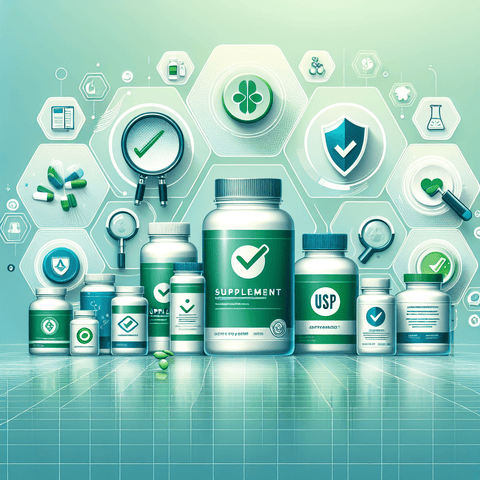
The supplement industry is not uniformly regulated for safety and efficacy. To ensure you are getting what the label claims, look for products that undergo third-party testing. Certifications from organizations like NSF International, USP, or ConsumerLab.com provide independent verification that the product contains the declared ingredients and does not contain harmful levels of contaminants. These certifications are a strong indicator of quality and a critical aspect of supplement safety.
What to Look For on a Supplement Label
The label is your primary source of information about a supplement. Learning to read it accurately is one of the most valuable supplement safety tips you can use.
Decoding the Supplement Facts Panel
The centerpiece of any label is the "Supplement Facts" panel. It lists the serving size, the amount of each ingredient per serving, and the % Daily Value (%DV) when one has been established. The %DV is based on a general adult diet. A DV less than 5% is considered low, while more than 20% is considered high. This panel helps you compare products and understand what you are taking relative to your overall daily needs.
Identifying Quality Indicators and Red Flags
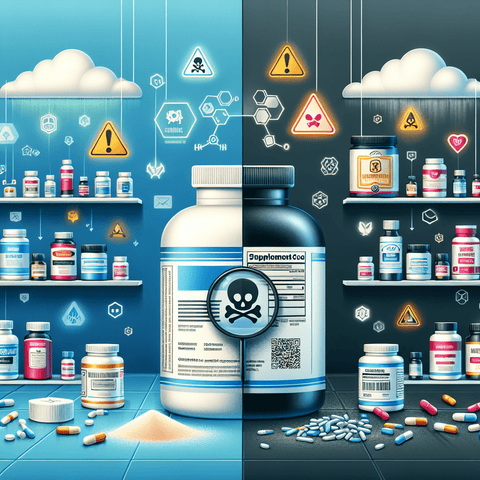
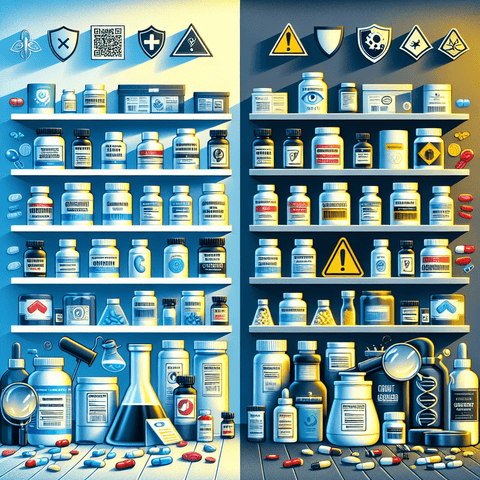
Look for signs of quality and vigilance for potential red flags. A red flag may include a product that uses proprietary blends to hide the dosage of individual ingredients in the blend. Another is marketing language that claims to "cure" or "treat" a disease, which is a sign of a questionable product. Choosing a product from a reputable manufacturer is also valuable, as these companies often have more rigorous quality control processes. Reviews and expert opinions are also helpful.
Understanding "Proprietary Blends" and Added Excipients
A "Proprietary Blend" is a marketing term used by manufacturers to describe a mix of ingredients without revealing the amount of each constituent part. This can make it difficult to assess whether the effective dose of a particular botanical is present. Excipients are inactive ingredients used to bind, coat, or preserve the product. While generally safe, some people may prefer to avoid certain excipients like artificial colors, hydrogenated oils, or excessive sugar. Checking for these is part of informed selection.
Checking for Allergens and Dietary Preferences (Vegan, Gluten-Free)
If you have food allergies or specific dietary preferences, you must scrutinize the "Other Ingredients" list. Common allergens like soy, gluten, dairy, and nuts are often used in supplement manufacturing. Many reputable brands now offer vegan, and gluten-free options, and they will clearly state this on the label. If this information is not clear, it is best to contact the manufacturer directly to confirm, as trace contamination can occur during production.
Who May Benefit Most from Supplementation?
While a healthy diet is the priority, certain populations are more likely to benefit from supplementation than others. Identifying these groups can clarify when the potential benefits outweigh the risks.
Specific Life Stages and Lifestyle Demands
As mentioned, pregnant women are advised to take folic acid. Infants are often given vitamin K and vitamin D. Older adults frequently need B12, vitamin D, and calcium. Those following a vegan or vegetarian diet may need B12 and an algae-based omega-3 supplement. Individuals who are highly active or athletes may benefit from electrolytes and protein to support recovery, as discussed in our sports supplements guide.
Individuals with Restricted Diets or Absorption Issues
People on calorie-restricted diets for weight loss or those with malabsorption conditions like Crohn's disease, celiac disease, or ulcerative colitis are at a high risk for nutrient deficiencies. In these cases, the gut cannot effectively absorb nutrients from food, making a targeted supplement regimen medically necessary and a core part of the treatment plan. This is a situation where professional medical advice is essential.
When to Seek Professional Testing Before You Start
If you are experiencing symptoms that suggest a deficiency or have a chronic health condition, self-prescribing supplements is not wise. Instead, ask your doctor about testing. Blood tests can provide a clear picture of your levels of vitamin D, B12, iron, and other nutrients. This removes guesswork and allows you to take a precise supplement to correct an identified problem. It prevents you from taking unnecessary supplements that could potentially cause harm.
Supplement Safety, Side Effects, and Interactions
Even high-quality supplements can have side effects or interact with medications. Being proactive about these risks is a core part of supplement safety.
Recognizing Potential Side Effects and Overuse Symptoms
Every supplement has a range of potential side effects, which vary by ingredient and dose. For example, high doses of magnesium can cause diarrhea, while high doses of vitamin C can cause stomach cramps and nausea. Fat-soluble vitamins, like A and D, can build up in the body and cause toxicity over time. If you experience any new symptoms after starting a supplement, it is crucial to assess whether they are linked to the product and report them to a healthcare professional.
Important Medication Interactions to Discuss with Your Doctor
This point cannot be overstated: always discuss supplements with your doctor or pharmacist before starting them, especially if you are taking any medication. The potential for interaction is real. For example, vitamin E can increase the risk of bleeding in people taking blood thinners. St. John’s Wort, a botanical, can completely nullify the effect of several different drug classes, including immunosuppressants and antidepressants. A simple conversation can prevent significant health risks.
Special Considerations: Pregnancy, Surgery, and Chronic Conditions
There are specific situations that require extra caution. If you are pregnant or breastfeeding, only take supplements that your obstetrician has explicitly approved. If you have surgery scheduled, you should stop taking many supplements, especially those that affect blood clotting like vitamin E, ginkgo, or fish oil, at least two weeks prior. And for any chronic condition, your specialist should be your first point of contact for advice on supplements.
A Step-by-Step Guide to Making an Informed Decision
Making the decision to take a supplement should be a structured process. Following these steps can help you arrive at a choice that is safe and appropriate for your unique needs.
Questions to Ask Before Adding a Supplement
Before purchasing, ask yourself these critical questions:
- What is my specific reason for taking this?
- Have I confirmed with a blood test that I have a deficiency?
- Could I get this nutrient more effectively through dietary changes first?
- Does this supplement have potential interactions with my current medications or health conditions?
-What is the safe and effective dose for my specific needs?
How to Evaluate Whether Your Diet Needs Support First
If you have identified a nutrient of concern, the first step is to improve your diet. For the first few weeks, focus on incorporating food sources rich in that nutrient. If after that time you see no improvement in your symptoms, or if you have a reason to believe your absorption is poor, you can then reconsider supplementation. This "food-first" approach ensures you are not using a supplement to mask a suboptimal diet and that you get the synergistic benefits of whole foods.
Factors That Should Directly Influence Your Product Choice
Once you have confirmed the need for a supplement, allow these factors to guide your product choice:
- The specific form of the nutrient that is best absorbed.
- The dosage, ensuring it meets a physiological requirement and not an excessive level.
- The presence of a third-party quality certification.
- The absence of unnecessary additives or allergens.
-The reputation of the manufacturer for quality and transparency.
Final Takeaways on Supplement Safety Tips
Navigating supplementation is a personal and often complex journey. The goal is not to avoid supplements entirely, but to use them with the respect they deserve as biologically active substances. A responsible approach involves a clear understanding of your individual needs, a strong foundation in diet and lifestyle, and a commitment to evidence-based decisions. You may also find it interesting to explore the mineral supplements guide for more details on specific minerals. By following the supplement safety tips outlined in this guide, you can avoid common pitfalls, minimize risks, and make choices that genuinely support your long-term well-being.
The Bottom Line: Informed Choices for Your Nutritional Health
Ultimately, the most powerful tool you have is information. It allows you to filter marketing hype from scientific reality and to choose products that serve a real purpose. Supplementation is a tool, not a shortcut. It works best in the context of a healthy diet and a balanced lifestyle, guided by a clear understanding of what your body needs. When in doubt, always consult a healthcare professional to ensure your supplement choices are aligned with your health history and goals. Taking responsibility for your health starts with informed decisions.
Key Takeaways
- Dietary supplements are active compounds that can support health but also carry risks for side effects and interactions.
- More is not always better: exceeding the Upper Intake Level for nutrients like vitamin A and iron can lead to toxicity.
- Individual variability in genetics, diet, and absorption means a one-size-fits-all approach to supplementation is ineffective.
- Prioritize getting nutrients from whole foods first, as they provide a complex matrix of beneficial compounds supplements cannot replicate.
- supplementation is most valuable for filling specific, identified nutrient gaps confirmed through dietary analysis or clinical testing.
- When selecting a product, consider the form of the ingredient, its dosage, its bioavailability, and the presence of third-party quality certifications.
- Always check the Supplement Facts panel to know exactly what you are taking and how much of it is in each serving.
- Consult a doctor or pharmacist before combining supplements with prescription medications to avoid dangerous interactions.
- Be cautious if you are pregnant, nursing, preparing for surgery, or managing a chronic health condition.
- Symptoms alone rarely identify a nutrient deficiency; professional testing is the most reliable way to guide decisions.
Frequently Asked Questions
What are the most important supplement safety tips for beginners?
For beginners, the most important steps are to prioritize a healthy diet first, consult with a healthcare professional about potential interactions, start with a low dose to assess tolerance, and purchase products that have been verified by a third-party such as NSF or USP. Always read the label carefully to understand the dosage and ingredients. Never assume that "natural" guarantees safety.
How can I tell if a supplement has a dangerous interaction with my medication?
The most reliable way is to ask your pharmacist. They have direct access to interaction databases and know your medication list. When you purchase a supplement, bring the bottle or label with you to the pharmacy. You can also check reputable online resources, but the pharmacist is the most authoritative and accessible source of information for drug-supplement interactions.
Can taking too many vitamins cause side effects?
Yes. Taking excessive doses of certain vitamins, especially fat-soluble ones like vitamin A, vitamin D, vitamin E, and vitamin K, can lead to a condition called toxicity. Fat-soluble vitamins are stored in the body, so they can build up to harmful levels. High doses of water-soluble vitamins, like vitamin C, are generally excreted in urine, but they can still cause side effects such as digestive upset before being eliminated.
Is it better to get nutrients from food or supplements?
Food is the preferred and most effective source of nutrients. Whole foods contain a complex mixture of nutrients, fiber, and phytochemicals that work together synergistically to support health in ways that isolated supplements cannot replicate. It is also very difficult to consume toxic amounts of a nutrient from food. Supplements are best used to fill specific gaps that cannot be met through the diet.
What does "proprietary blend" mean on a supplement label?
A "proprietary blend" is a term used by manufacturers to list a mixture of ingredients as one entity without disclosing the weight of each individual ingredient. This is a concern for consumers because it makes it impossible to know if a product contains a clinically effective dose of each component. It is often used to hide small amounts of less expensive ingredients. It is generally a feature to be cautious about.
How do I know if I actually have a vitamin deficiency?
Because symptoms of a deficiency are often vague and can overlap with many other conditions, the only reliable way to confirm one is through a blood test ordered by a healthcare provider. Do not try to self-diagnose based on symptoms alone. A simple blood test can assess your levels of key nutrients like vitamin D, iron, B12, and others, providing a clear basis for any supplementation decision.
Are herbal supplements safe to take with prescription drugs?
No, herbal supplements can be significantly more dangerous to combine with drugs than vitamins. Botanical compounds can strongly affect liver enzymes that are responsible for breaking down medications. This can either increase the drug's concentration in your blood to dangerous levels, or decrease it, making the medication ineffective. For example, St. John’s Wort is known to interfere with a wide range of drugs, including chemotherapy, birth control, and antidepressants.
What is the difference between water-soluble and fat-soluble vitamins?
Water-soluble vitamins (like the B-complex and vitamin C) are dissolved in water and are not stored in the body in significant amounts. Excess amounts are generally excreted through urine, so they need to be consumed regularly. Fat-soluble vitamins (A, D, E, K) are dissolved in fat and are stored in the liver and fatty tissues. This means they can be released as needed, and excessive intake can lead to accumulation and toxicity over time.
If I have a poor diet, should I just take a multivitamin to cover the gaps?
While a multivitamin can be a useful safety net, it should not be used as a substitute for a healthy diet. It is much better to work on improving your dietary habits to incorporate a variety of fruits, vegetables, whole grains, and lean proteins. A multivitamin can help fill in minor shortfalls, but it cannot provide the fiber, phytochemicals, and other beneficial compounds found in whole foods.
When is the best time of day to take supplements?
The ideal time depends on the specific supplement. Fat-soluble vitamins should be taken with a meal that contains fat to enhance absorption. For example, taking vitamin D with breakfast or lunch is common. Some B-vitamins may provide energy, so they are sometimes taken in the morning. Conversely, magnesium is often taken in the evening for its potential to support relaxation. Always check the label and consult with a professional for personalized advice.
Are "expired" supplements safe to take?
Taking a supplement after its expiration date may be less effective, but it is unlikely to be immediately harmful in most cases. The risk is that the potency of the ingredients declines over time, so you may not be getting the dose stated on the label. For certain products, like fish oil, oxidation can occur, leading to a rancid odor and potential digestive upset. It's best to replace expired supplements. Topvitamine.com even offers expiry deals where products are sold at a discount, but this should always be considered regarding potency.
Should I consult a doctor before starting any new supplement regimen?
It is strongly recommended that you consult with a healthcare professional, especially if you have a chronic health condition, take any prescription medications, are pregnant or breastfeeding, or are preparing for surgery. For a generally healthy adult considering a low-dose, common supplement, the risk is low, but it is still wise to be aware of your nutrient levels and the reasons behind your choice to supplement.
Related Keywords
- supplement safety tips
- vitamin safety
- dietary supplement interactions
- nutrient absorption guidelines
- how to read supplement labels
- safe dosage of vitamins
- upper intake levels
- choosing quality supplements
- vitamin side effects
- food first nutrition
- risk factors for supplement use
- evidence-based supplementation