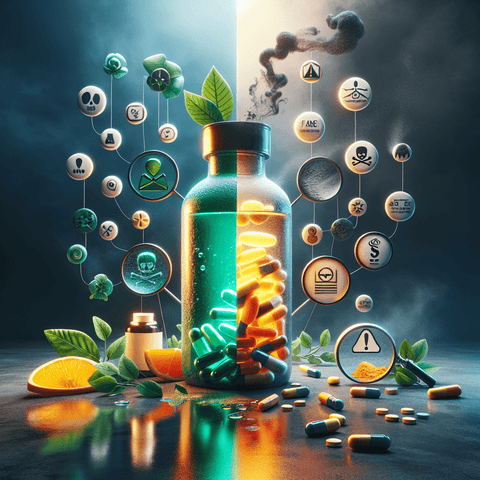
Supplement scams are widespread because the supplement market is large, loosely regulated in its marketing claims, and driven by strong consumer interest in health. A supplement scam typically involves misleading claims, fake endorsements, contaminated or mislabeled products, or deceptive sales tactics designed to separate you from your money. This guide explains how supplement scams work, the red flags to watch for, how to verify a brand before buying, and how to make informed, safe supplement decisions based on evidence rather than hype.
Introduction: Why Supplement Scams Are Everywhere — and How to Spot Them
Millions of people take vitamins, minerals, and herbal products every day, and most do so with good intentions. Unfortunately, the same popularity that makes supplements mainstream also makes them attractive to dishonest sellers. Because dietary supplements are regulated differently from prescription medicines in many countries, marketing claims often face less pre-market scrutiny, creating space for exaggerated promises and outright fraud.
The good news is that most deceptive products share recognizable warning signs. Once you know what to look for — unrealistic claims, missing label details, fake urgency, and unverifiable testimonials — you can filter out the majority of dubious offers in minutes.
What you'll learn in this guide
This article covers the definition and common types of supplement scams, the health and financial risks they pose, the red flags that appear on websites and labels, and practical steps for verifying a brand. It also explains when supplements genuinely make sense, how legitimate products differ from each other, and what safety considerations matter before you buy.
The real cost of falling for a supplement scam
The most obvious cost is financial: wasted money on products that do nothing. But the consequences can be more serious. Contaminated or mislabeled products may cause side effects or interact with medications. Perhaps most importantly, someone who believes a "natural cure" claim may delay proper medical care for a condition that would respond well to evidence-based treatment.
What Is a Supplement Scam? Definition and Common Types
Supplement scam vs. low-quality supplement: what's the difference?
A low-quality supplement may contain poorly absorbed ingredient forms, unclear labeling, or suboptimal manufacturing standards — but it is still, broadly, the product it claims to be. A supplement scam involves deception: ingredients that are not present at labeled amounts, hidden pharmaceutical compounds, fabricated clinical claims, or sales structures designed to trap customers. Quality issues are disappointing; scams are deliberately misleading.
The most common types of supplement scams
- Miracle cure claims: products marketed as curing, reversing, or guaranteeing results for serious diseases — claims that legitimate manufacturers cannot legally make.
- Fake endorsements: fabricated "doctor-developed" credentials, invented awards, or celebrity and influencer endorsements used without permission or knowledge.
- Subscription traps: "free trials" that enroll customers in expensive recurring charges that are difficult to cancel.
- Adulterated products: supplements secretly spiked with prescription drugs, particularly in weight loss, bodybuilding, and sexual enhancement categories.
- Fake scarcity: countdown timers and "only 3 left" messages designed to rush a decision before you can research the product.
Why the supplement industry attracts misleading claims
In many jurisdictions, including the United States, dietary supplements are regulated under a framework in which manufacturers are responsible for their own safety and labeling, and products do not require pre-market approval the way drugs do. Health claims are restricted, but enforcement is reactive rather than preventive. Combined with high consumer demand and low barriers to online selling, this creates an environment where misleading marketing can flourish until regulators intervene.
Why Supplement Scams Matter for Your Health and Your Wallet
Health risks of fake or contaminated supplements
Analyses of adulterated supplements have found undisclosed stimulants, prescription medications, and heavy metals in some products. Even when products are not contaminated, misleading labels can lead to accidental overdoses — for example, taking multiple products that each contain the same nutrient, pushing total intake above safe upper limits.
Delayed medical care: the hidden danger of "natural cure" claims
Perhaps the most serious risk of a supplement scam is indirect. Someone experiencing real symptoms — persistent fatigue, unexplained weight changes, or other warning signs — may spend months taking an ineffective "cure" instead of seeking evaluation. Fatigue, for instance, can have many causes ranging from low iron or vitamin B12 status to thyroid issues or sleep problems; only proper assessment can distinguish between them.
Financial and privacy risks of supplement scams
Beyond the product price, subscription traps can drain hundreds of dollars before victims manage to cancel. Some fraudulent sites also harvest credit card details and personal information, exposing buyers to further fraud. A rule of thumb: if a website makes cancellation difficult or asks for unnecessary personal data, walk away.
Red Flags: Common Signs of a Supplement Scam
Claims that sound too good to be true
Legitimate supplement makers use careful, qualified language. Scammers do not. Be skeptical of phrases like:
- "Cures" or "treats" any disease
- "Guaranteed results" or "works for everyone"
- "Lose 10 pounds in one week"
- "A breakthrough doctors don't want you to know about"
- "100% safe, no side effects, ever"
"Doctor-developed" or "clinically proven" without naming the doctors, listing references, or linking to actual published research is another strong warning sign.
Fake urgency, scarcity tactics, and unverifiable testimonials
Countdown timers, "only available today" offers, and dramatic before-and-after photos from anonymous users are classic pressure tactics. Genuine customer feedback exists on independent platforms; testimonials that appear only on the seller's own site, with no way to verify them, should be treated as marketing rather than evidence.
Red flags on the label itself
- Proprietary blends that hide individual ingredient amounts
- Missing supplement facts panel or vague ingredient lists
- No manufacturer name, address, or contact information
- No lot number or expiry date
- Dramatic health claims printed on the label that no legitimate brand would risk
Influencer endorsements and fake scientific-sounding language
Paid endorsements are legal when disclosed, but many social media promotions are not disclosed — and some influencers promote products they have never used. Similarly, jargon like "cellular detox," "mitochondrial reset," or "quantum absorption" sounds impressive but has no defined scientific meaning. If a term cannot be clearly explained, it is usually decoration, not science.
Why People Fall for Supplement Scams: Contributing Factors
How health anxiety, desperation, and conflicting advice create vulnerability
Scam marketing works because it targets real human motivations. People managing chronic symptoms, frustrated by slow progress, or overwhelmed by conflicting nutrition advice are more likely to respond to a confident, simple promise. Scammers offer certainty where legitimate science offers nuance — and certainty is appealing.
Age, chronic conditions, and other higher-risk situations
Older adults, people with chronic illnesses, those taking multiple medications, and individuals with limited health literacy face elevated risk. Chronic conditions can also increase genuine nutritional needs — for example, certain medications affect absorption of B vitamins or minerals — making this group a prime target for exaggerated promises about "correcting deficiencies."
The role of social media marketing and pseudo-science
Short-form video platforms reward bold claims, not careful ones. A dramatic personal story spreads faster than a balanced review of the evidence. Pseudo-scientific visuals — lab coats, microscopes, cherry-picked studies — lend false credibility. Evaluating whether cited research actually involves the product, at the labeled dose, in humans, is a skill worth developing.
How to Verify a Supplement Brand Before You Buy
Check for third-party testing and certifications
Independent certification programs test products for identity, potency, and contaminants. Look for seals from organizations such as:
- USP Verified
- NSF International (including NSF Certified for Sport)
- Informed Choice / Informed Sport
These seals do not guarantee a product is right for you, but they significantly reduce the risk of mislabeling and contamination — the core problems behind many supplement scams.
Reading independent reviews vs. sponsored reviews
Prioritize reviews on independent retailer sites, consumer organizations, and third-party testing databases over testimonials on the manufacturer's website. Watch for patterns: dozens of five-star reviews posted within days, generic wording, or reviewer names that also appear promoting unrelated products often indicate fabricated feedback.
Verifying manufacturer transparency and contact information
A legitimate manufacturer lists a physical address, reachable customer service, and clear information about where and how products are made. Brands that follow good manufacturing practices (GMP) and explain their sourcing and testing openly demonstrate accountability; brands that hide behind contact forms do not.
Checking FDA warning letters and recall databases
In the US, the FDA publishes warning letters sent to supplement companies making illegal claims, as well as public recall notices and advisories about tainted products. A quick search of the company name alongside "FDA warning letter" or "recall" takes minutes and can reveal patterns of regulatory problems. Similar databases exist in the EU and other regions.
What a Legitimate Supplement Label Should Show
Supplement Facts panel: serving size, dosages, and daily values explained
A compliant label displays a Supplement Facts (or equivalent nutrition information) panel listing serving size, amount per serving of each nutrient, and the percentage of the daily value where established. This lets you compare products objectively and avoid accidentally doubling nutrients when taking multiple products.
Ingredient forms and why they matter for bioavailability
The same nutrient can appear in different chemical forms with different absorption and tolerability characteristics. Magnesium, for example, is available as oxide (poorly absorbed, often used as a laxative), citrate, and glycinate (generally better absorbed and gentler for many people). Vitamin D3 (cholecalciferol) is generally preferred over D2 for maintaining vitamin D status. The "best" form depends on the nutrient and individual factors, so be wary of any brand claiming one form is universally superior.
Proprietary blends, fillers, and added ingredients to question
Proprietary blends list ingredients without individual amounts, making it impossible to know whether doses match levels used in research. Excessive fillers, artificial colors, or added sugars in gummies and chewables are also worth noting — not necessarily dangerous, but relevant if you take products daily.
Allergen statements, certifications, and lot numbers
Look for clear allergen labeling, lot numbers for traceability, expiry dates, and any relevant certifications (organic, non-GMO, vegan) that match your needs. Missing lot numbers and expiry dates on a supplement are classic signs of a low-quality or counterfeit product.
When Supplements Actually Make Sense (and When They Don't)
Situations where dietary intake may fall short
Most healthy adults who eat a varied diet obtain adequate nutrients from food. However, intake or status may fall short in specific situations:
- Vitamin D during winter months at northern latitudes or with limited sun exposure
- Vitamin B12 for people following vegan diets or older adults with reduced absorption
- Iron for menstruating women and during pregnancy (folic acid supplementation is widely recommended in pregnancy)
- Calcium and vitamin D for older adults at risk of bone loss
You can explore evidence-based guidance on specific nutrients such as vitamin D or B vitamins to understand dietary sources and typical intake ranges.
Why individual nutrient needs vary from person to person
Nutritional requirements are not one-size-fits-all. Age, sex, body size, pregnancy, gastrointestinal health, genetics, medication use, alcohol intake, smoking, and physical activity all influence how much of each nutrient you need and how well you absorb it. This is precisely why blanket claims — "everyone needs this" — are a hallmark of supplement scams.
Food first: why a balanced diet should come before supplements
Whole foods deliver nutrients alongside fiber, polyphenols, and other compounds in forms and proportions the body is well adapted to use. Fatty fish provides omega-3s; leafy greens, legumes, and nuts supply magnesium and folate; dairy and fortified foods contribute calcium and vitamin D. Supplements are designed to complement the diet, not replace it.
When symptoms warrant testing and professional advice instead of guesswork
Symptoms such as fatigue, hair thinning, or muscle cramps are nonspecific and can have many causes. For nutrients where validated testing exists — iron status (ferritin), vitamin B12, and vitamin D among them — a blood test offers far more useful information than self-diagnosis. Testing also prevents the opposite problem: supplementing with something you don't need, potentially at doses that exceed safe upper limits.
How to Choose the Right Supplement From a Trustworthy Brand
Matching the ingredient form and dosage to evidence-based ranges
Once you've established — ideally with professional input — that a supplement is relevant for you, check that the dose falls within recognized reference ranges rather than exaggerated "mega-doses." Higher is not better; for many nutrients, benefits plateau while risks of side effects rise.
Single-ingredient vs. combination products
Single-ingredient products make dosing transparent and adjustable, which is helpful if you're addressing a specific, confirmed shortfall. Combination or multivitamin products can be convenient for broad nutritional insurance, but check that combined doses don't duplicate nutrients you already take elsewhere.
Capsules, tablets, powders, and liquids: practical differences
Forms differ mainly in convenience, stability, and tolerability. Capsules often dissolve readily and mask taste; tablets are economical but may be harder to swallow; powders suit people who dislike pills but require careful measuring; liquids can be easier for those with swallowing difficulties but may have shorter shelf life. If a product claims a dramatic absorption advantage for its delivery system, look for actual comparative evidence.
Quality markers: purity, manufacturing standards, and transparent labeling
Prioritize brands that follow GMP, use third-party testing, disclose ingredient forms and amounts fully, and provide accessible customer support. Reputable retailers that curate established brands with transparent labeling — such as a curated supplement collection — can reduce the research burden, but verifying certifications on the product itself remains your responsibility.
Safety Considerations: Interactions, Side Effects, and Upper Limits
Supplement–medication interactions to discuss with your doctor
Supplements can interact with medications. Vitamin K can affect blood thinners such as warfarin; St. John's Wort interacts with numerous drugs; high-dose antioxidant supplements may interfere with some chemotherapy protocols; magnesium can reduce absorption of certain antibiotics when taken simultaneously. Always tell your doctor and pharmacist about every supplement you take.
When more isn't better: understanding safe upper intake levels
Many nutrients have established tolerable upper intake levels (ULs). Fat-soluble vitamins A, D, E, and K accumulate in the body, making prolonged high doses riskier than with most water-soluble vitamins. Iron overload is dangerous, and excess zinc over time can cause copper deficiency. Neither "natural" nor "more" implies safe.
Special precautions for pregnancy, children, and chronic conditions
Pregnant women have specific, well-defined supplementation needs (such as folic acid) but should avoid high-dose vitamin A. Children require age-appropriate doses, and adult products should not be assumed safe for them. People with kidney or liver conditions need particular caution, as some minerals and herbal products can accumulate or stress these organs.
Decision Guide: How to Avoid Scams and Choose Supplements With Confidence
A quick checklist before you buy any supplement
- Have I confirmed a need through diet assessment or testing, rather than marketing claims?
- Does the label show full ingredient amounts, forms, allergens, lot number, and expiry date?
- Does the brand have third-party certification or verifiable quality testing?
- Are there any FDA warning letters, recalls, or contaminant advisories for this company?
- Is the dose within recognized safe ranges, and does it overlap with other products I take?
- Am I being pressured by countdown timers, fake scarcity, or "guaranteed results" language?
- Can I easily find the manufacturer's contact details and cancellation policy?
When diet alone may be enough
If you eat a varied diet rich in vegetables, fruits, whole grains, quality protein sources, and healthy fats — and you have no diagnosed deficiencies or restrictive dietary patterns — supplementation may add little. Improving food choices is usually the highest-value first step.
When to consult a healthcare professional before supplementing
Talk to a qualified professional before supplementing if you take prescription medications, are pregnant or breastfeeding, have kidney, liver, or gastrointestinal conditions, are considering high doses, or have persistent symptoms that haven't been evaluated. Professional guidance is also the right route if you suspect a deficiency, since minerals like iron, zinc, and selenium require careful, individualized assessment rather than guesswork.
Key Takeaways: Staying Scam-Free and Making Informed Supplement Choices
- A supplement scam involves deliberate deception — fake claims, adulterated products, or traps — while low-quality products are simply poorly made.
- "Cures," "guaranteed results," and secret medical knowledge are universal red flags.
- Third-party certifications (USP, NSF, Informed Choice) substantially reduce the risk of mislabeled or contaminated products.
- Legitimate labels always include full Supplement Facts panels, ingredient forms, allergen statements, lot numbers, and manufacturer contact details.
- Check FDA warning letters and recall databases before buying from an unfamiliar brand.
- Nutritional needs vary by age, diet, health status, and medication use; "everyone needs this" claims are misleading.
- Food first: a balanced diet covers most nutrient needs for healthy adults.
- Symptoms are unreliable for diagnosing deficiencies — testing and professional advice beat guesswork.
- Higher doses are not automatically better; upper intake limits exist for good reason.
- Urgency tactics and subscription traps are sales manipulation, not signs of a good product.
Frequently Asked Questions
What is the most common sign of a supplement scam?
The clearest sign is a promise of guaranteed, rapid results — especially claims that a product cures or treats a specific disease. Legitimate supplement companies use qualified, non-medical language because disease treatment claims are not legally permitted for dietary supplements.
Are supplements regulated?
Yes, but differently from drugs. In the US, the FDA regulates dietary supplements under DSHEA, but products do not require pre-market approval, and manufacturers are responsible for their own safety and labeling. This is why third-party certification and regulatory history checks matter so much.
How can I check if a supplement has been recalled?
In the US, search the FDA's recall database and its list of tainted products marketed as dietary supplements. In Europe, check the RASFF portal or your national food safety authority. Searching the brand name plus "recall" or "warning letter" is a fast first step.
What does third-party testing actually verify?
Reputable programs verify that the product contains what the label states at the declared amounts, and screen for contaminants such as heavy metals, pesticides, and undeclared pharmaceutical substances. Certification is ongoing, not a one-time test.
Are "proprietary blends" always a bad sign?
Not fraud in themselves, but they prevent you from knowing individual ingredient doses, which makes it impossible to compare against evidence-based ranges. Transparency about amounts is a marker of a brand confident in its formulation.
Can I take too much of a vitamin?
Yes. Fat-soluble vitamins (A, D, E, K), iron, zinc, and selenium all have established tolerable upper intake levels, and chronic excess can cause real harm. Taking multiple products with overlapping nutrients is a common way people unintentionally exceed safe limits.
Do I need a multivitamin if I eat well?
Probably not, if your diet is varied and covers all food groups. A multivitamin may be reasonable as nutritional insurance for restrictive diets, limited appetite, or specific life stages, but it should never replace dietary improvement or medical advice.
Are influencer-recommended supplements trustworthy?
Not automatically. Many promotions are paid, undisclosed, or based on personal experience rather than evidence. Evaluate the product itself — its label, certifications, and manufacturer — rather than who is promoting it.
Which supplement forms are absorbed best?
It depends on the nutrient. Magnesium glycinate and citrate are generally better absorbed than oxide; vitamin D3 is generally preferred over D2. Claims that a brand's delivery system dramatically improves absorption should be supported by comparative research — often it is not.
What should I do if I think I've been scammed?
Contact your bank or credit card provider to dispute recurring charges, cancel the subscription in writing, and report the seller to your national consumer protection agency and, in the US, the FDA if the product made illegal health claims or seemed adulterated.
Can supplements interact with medications?
Yes. Examples include vitamin K with warfarin, St. John's Wort with many prescription drugs, and magnesium reducing absorption of certain antibiotics. Always review your complete supplement list with a doctor or pharmacist.
How long before I know if a supplement is working?
For confirmed deficiencies, measurable improvements in blood levels may take weeks to months depending on the nutrient. If a product promises noticeable results within days, that speed itself is a warning sign that the claim is not evidence-based.
Related Keywords
- supplement scam
- fake supplement claims
- how to spot supplement scams
- dietary supplement fraud
- supplement red flags
- third-party tested supplements
- USP NSF certification supplements
- supplement label reading
- proprietary blends explained
- supplement safety and interactions
- adulterated supplements
- how to choose quality supplements
- vitamin supplement side effects
- FDA supplement warning letters