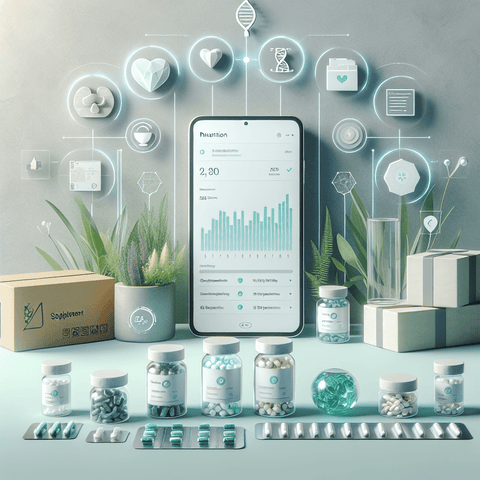
Most people who take vitamins and minerals do so to support their overall health over the long term, and that goal depends far more on consistency than on occasional use. A supplement subscription automates refills so your routine is never interrupted, while subscription supplement benefits often include discounted pricing, lower shipping costs, and personalized delivery schedules. In this guide, you'll learn how subscriptions work, why consistent nutrient intake matters, when supplementation may be worth considering in the first place, and how to choose quality products safely — so you can decide whether a subscription fits your health goals and your budget.
What Is a Supplement Subscription and How Does It Work?
A supplement subscription is a recurring delivery arrangement in which your chosen vitamins, minerals, or other nutritional products are automatically shipped at an interval you select — commonly every 30, 60, or 90 days. Instead of remembering to reorder, you set the schedule once, and the products arrive before you run out. Most programs allow you to pause, skip, swap products, or adjust delivery frequency at any time.
Supplement subscription benefits at a glance
- Automated refills that keep your routine uninterrupted
- Subscription pricing that is often lower than one-time purchase prices
- Reduced shipping fees or free shipping on recurring orders
- Flexible scheduling matched to how long each product actually lasts you
- Easier adherence, since running out is one of the most common reasons people stop taking supplements
How a supplement subscription differs from one-time purchases
With a one-time purchase, you bear full responsibility for tracking how much product remains and reordering in time. This often leads to gaps — a week or two without your usual intake — or to over-ordering "just in case," which can result in expired products and wasted money. A subscription shifts that administrative burden to automated scheduling. The trade-off is commitment, which is why reputable programs make pausing or cancelling straightforward.
Key terms to know: auto-refill, personalization, and delivery frequency
Auto-refill means your order is generated and shipped automatically at set intervals. Personalization refers to tailoring the product selection to your goals, diet, or life stage — for example, prioritizing vitamin D in winter months. Delivery frequency is how often shipments occur; aligning it with your actual usage rate prevents both shortages and stockpiling.
Why Consistency Matters for Nutritional Support
Why regular nutrient intake matters more than occasional use
Many vitamins and minerals are not stored in large amounts by the body. Water-soluble vitamins such as vitamin C and the B vitamins are used or excreted relatively quickly, so steady dietary intake matters. Even for fat-soluble vitamins, the goal of supplementation is generally to maintain adequate habitual intake — not to periodically flood the body. Nutritional support works on the same logic as a healthy diet itself: what matters is your long-term pattern, not isolated bursts.
How forgotten refills and inconsistent routines undermine results
Research on supplement adherence consistently shows that many people stop taking supplements within months, often because they forget to reorder or lose track of their routine. Intermittent use makes it difficult to know whether a product is doing anything for you at all, and it erodes the habit that makes supplementation sustainable. This is where the practical case for a subscription is strongest: it removes the most common point of failure.
The Main Benefits of a Supplement Subscription
Save time: automated refills and fewer reorders
Each manual reorder costs time — checking stock, finding the product, comparing prices, checking out. Over a year, that adds up. Auto-delivery consolidates this into a single setup step, with occasional reviews to adjust your selection as needs change.
Save money: subscription discounts and lower shipping costs
Subscription models typically offer a percentage discount per order, free or reduced shipping, and sometimes loyalty perks. Consolidating shipments also reduces per-unit delivery costs. Combined with buying only what you will actually use — rather than stockpiling products that expire — the total cost of maintaining a routine is usually lower on a well-managed subscription.
Better adherence: never running out of key supplements
The single biggest practical benefit is continuity. When the next bottle arrives before the current one empties, there is no gap in intake and no decision fatigue about whether to reorder. Consistency is a prerequisite for supplements to play any meaningful role in nutritional status.
Personalized plans: matching products to your goals and lifestyle
A subscription is easiest to justify when it reflects a deliberate, personalized plan — for example, a multivitamin as a general base plus vitamin D during low-sunlight months, or omega-3 supplements when oily fish intake is low. Subscription programs make it simple to adjust that plan seasonally or as circumstances change.
Who Tends to Need Extra Nutritional Support?
Everyday situations that make adequate intake harder
Busy schedules, frequent skipped meals, restrictive diets (such as vegan diets without B12 planning), low appetite, and limited access to varied fresh foods can all make it harder to meet nutrient needs through food alone. None of these automatically mean supplements are required, but they are situations where a gap between intake and requirements is more plausible.
Life stages with higher nutrient needs
Certain life stages carry elevated requirements: pregnancy and breastfeeding increase needs for folate, iron, iodine, and vitamin D; older adults often absorb vitamin B12 less efficiently and produce less vitamin D in the skin; people undertaking intensive physical training may have higher demands for several nutrients. In these contexts, supplementation is frequently discussed — ideally guided by professional advice.
Why symptoms alone cannot confirm a nutrient deficiency
Fatigue, poor concentration, brittle hair, or muscle cramps have many possible causes, and nutrient deficiency is only one of them. Symptoms alone cannot establish nutritional status. For nutrients with validated tests — such as vitamin D, B12, ferritin, or folate — blood testing provides far more reliable information than guesswork, and should precede high-dose supplementation.
What Influences Your Individual Nutrient Needs?
Diet quality and dietary patterns
Your baseline intake from food is the starting point. Someone eating a varied, nutrient-dense diet may need little or no supplementation, while someone with a restricted or repetitive diet may have genuine gaps. Calories alone do not capture nutrient adequacy.
Age, absorption, and digestive health
Absorption efficiency changes with age and with gastrointestinal conditions such as celiac disease, inflammatory bowel disease, or low stomach acid. Reduced absorption means the same intake delivers less usable nutrient — a key reason requirements vary between individuals.
Medications, alcohol, and smoking
Some medications interfere with nutrient absorption or metabolism — for example, metformin and B12, or proton pump inhibitors and B12, magnesium, and calcium. Regular alcohol consumption and smoking are also associated with altered nutrient status in some respects. If you take regular medication, discussing supplements with a pharmacist or doctor is worthwhile.
Lifestyle factors: stress, sleep, and physical activity
Chronic stress, poor sleep, and high physical training loads influence nutrient turnover and appetite patterns. These factors do not create fixed "requirements" in a simple way, but they contribute to why two people with similar diets can have different nutritional needs.
Diet First: Food Sources and Eating Habits That Support Nutrient Intake
Everyday foods rich in common shortfall nutrients
- Vitamin D: oily fish, egg yolks, fortified dairy and plant milks — plus sunlight exposure
- Omega-3 (EPA/DHA): salmon, mackerel, sardines, and other fatty fish
- Magnesium: nuts, seeds, whole grains, legumes, and leafy greens
- Iron: red meat, poultry, lentils, beans, and fortified cereals (absorbed better alongside vitamin C)
- B12: meat, fish, eggs, dairy, and fortified plant-based products
Simple meal-planning habits that improve nutrient density
Practical habits often matter more than perfect knowledge: build meals around a protein source plus vegetables, include whole grains and legumes regularly, eat oily fish once or twice a week, and pair iron-rich plant foods with vitamin C sources. Small, repeatable habits deliver steadier nutrient intake than occasional "healthy" efforts.
When diet alone may not be enough
Diet should always be the first consideration, but it is not always sufficient. Limited sun exposure, strict elimination diets, malabsorption conditions, pregnancy, and older age are well-recognized situations where food alone may leave meaningful gaps. In those cases, supplementation is a reasonable adjunct — ideally informed by assessment rather than assumption.
Where Supplements Fit In
Common supplement categories people subscribe to
The most commonly subscribed products are those with broad, everyday relevance: multivitamins as a general baseline, vitamin D, omega-3 fatty acids, probiotics and prebiotics, and magnesium. These categories lend themselves to subscription because they are typically taken daily over long periods.
What the evidence generally supports — and what it doesn't
The evidence is strongest for correcting or preventing documented inadequacies: vitamin D in low-sunlight regions, B12 for people on vegan diets, folic acid before and during early pregnancy, and omega-3 intake for people who eat little fish. Evidence for benefits in well-nourished individuals is far weaker. For many popular supplements, research is mixed or preliminary, and qualified language — "may support," "has been associated with" — reflects that reality honestly.
General nutritional support versus treating a diagnosed deficiency
Supplements can play two distinct roles: general nutritional support at modest doses, or correction of a diagnosed deficiency at doses prescribed by a healthcare professional. A subscription suits the first role well. The second requires diagnosis and monitoring, and doses should be professionally directed rather than self-selected.
How to Choose the Right Supplements for Your Subscription
Forms and bioavailability: capsules, tablets, powders, and liquids
Supplements come as capsules, tablets, softgels, powders, and liquids, and these differ mainly in convenience, tolerability, and sometimes absorption. Chemical form can matter more than delivery format: for example, magnesium citrate is generally better absorbed and may be gentler on digestion than magnesium oxide, which is often used for its laxative effect rather than its bioavailability. Powder and liquid formats suit people who dislike swallowing pills; capsules and tablets tend to be more stable and shelf-stable.
Dosage: reading effective amounts versus marketing claims
Check the amount of active nutrient per serving, not just bold front-of-pack claims. More is not automatically better: doses should be viewed against recommended intake levels and tolerable upper limits. A product supplying a modest, physiologically sensible dose is generally preferable to a megadose without a specific, professionally identified reason.
Single ingredients versus combination products
Combination products are convenient but limit dose flexibility and can cause unintentional doubling of nutrients across products. Single-ingredient supplements make it easier to adjust each nutrient independently — often a better fit for a personalized subscription, though combination multivitamins simplify routines for many people.
Quality indicators: third-party testing, certifications, and purity
Look for brands that disclose third-party testing, use quality-certified manufacturing, and publish clear ingredient specifications. Reputable retailers, including curated collections such as third-party tested supplement brands, make this information easier to find.
Allergens, additives, and dietary preferences
Check labels for allergens (gluten, dairy, soy, shellfish), unnecessary fillers, and suitability for vegan or vegetarian diets — particularly relevant for gelatin capsules and B12, vitamin D, and omega-3 sources, which are not always plant-derived.
How to Read a Supplement Label Before You Subscribe
Serving size, active ingredients, and amounts per dose
Start with the serving size — two capsules may contain half the amount per capsule you assumed. Confirm which nutrients are active, how much of each is provided, and whether the serving covers one dose or a full day.
Understanding form names
Form names signal real differences. Magnesium citrate and magnesium oxide behave differently in the body; methylfolate and folic acid differ in that methylfolate is the active form, which may matter for people with certain genetic variants affecting folate metabolism. Vitamin D3 (cholecalciferol) is generally preferred over D2 for maintaining blood levels, based on the current balance of evidence.
Red flags and misleading label claims
- Proprietary "blends" that hide individual ingredient amounts
- Doses far above safe upper limits without justification
- Disease-cure or rapid-results claims, which reputable brands avoid
- Missing allergen, manufacturing, or company information
Safety, Interactions, and When to Seek Professional Advice
Upper intake limits and the risks of doubling up across products
Nutrients have tolerable upper intake levels, and exceeding them is easier than it seems when multiple products overlap — for example, a multivitamin plus a separate B-complex plus an energy drink fortified with B vitamins. Review your full stack periodically, and remember that a subscription's convenience should never translate into doubling doses "to be safe."
Common medication and supplement interactions
Omega-3 supplements may have mild blood-thinning effects at high doses and are relevant for people on anticoagulants. Magnesium can interfere with the absorption of certain antibiotics when taken simultaneously. Vitamin K is clinically significant for people taking warfarin. St John's Wort, though herbal, interacts with many medications. Always check with a pharmacist if you take prescription drugs.
Pregnancy, chronic conditions, and when testing may be appropriate
During pregnancy and breastfeeding, supplement decisions should be made with a healthcare provider, since needs — and safe upper limits — change substantially. People with kidney or liver conditions should be cautious with minerals such as magnesium, potassium, and iron. Where symptoms suggest a possible deficiency, testing blood levels before committing to long-term high-dose supplementation is the more reliable path.
Is a Supplement Subscription Right for You? A Practical Decision Guide
When dietary changes alone may be sufficient
If your diet is varied, includes the key food groups, and you have no increased needs or absorption issues, targeted dietary improvements may be all that is required. In that case, a subscription — even a discounted one — would be spending on something you may not need.
When a subscription model makes sense (and when it doesn't)
A subscription fits well when you take one or more supplements daily over the long term, your needs are stable or seasonal, and you value consistency and predictable cost. It makes less sense for short-term or occasional products, experimental supplements you are still trialing, or products you may need to adjust frequently based on professional advice.
Questions to ask before committing to any subscription
- Can I pause, skip, or cancel easily, without penalties?
- Is the subscription price genuinely lower than one-time purchase prices?
- Does the delivery frequency match my actual usage rate?
- Can I swap or adjust products as my needs change?
- Is there a reminder before each shipment and charge?
Key Takeaways
- A supplement subscription automates refills at a set interval, reducing gaps in intake and the mental load of reordering.
- Consistency, not occasional use, is what allows nutritional support to have any meaningful effect over time.
- Main supplement subscription benefits include time savings, discounted pricing, lower shipping costs, and improved adherence.
- Diet should always be evaluated first; supplements address gaps, not replace food quality.
- Nutrient needs vary widely by age, diet, pregnancy, medications, absorption, and lifestyle.
- Symptoms alone cannot confirm a deficiency — validated blood tests are more reliable where available.
- Check labels for serving size, nutrient form, dose, allergens, and third-party quality testing before subscribing.
- Respect upper intake limits and review your full supplement stack to avoid unintentional doubling.
- Subscriptions suit long-term daily products best; short-term or experimental supplements are better bought individually.
Conclusion: Making Supplement Subscriptions Work for Your Health and Budget
A supplement subscription is ultimately a tool for consistency — and consistency is the foundation of any nutrition strategy, whether that strategy is purely dietary or includes supplementation. The sensible sequence is to start with diet and lifestyle, identify where genuine gaps or increased needs exist, consider testing or professional advice where uncertainty remains, and only then choose well-formulated, quality-tested products at sensible doses. If daily supplementation is already part of your routine, a flexible subscription with pause and adjust options can save meaningful time and money while protecting the habit that matters most. Needs differ from person to person, so let your own circumstances — not marketing — drive what ends up on your doorstep.
Frequently Asked Questions
What is a supplement subscription?
A supplement subscription is a recurring delivery plan in which your chosen vitamins or other nutritional products are shipped automatically at a frequency you set — typically every one to three months. Most programs allow you to pause, skip, or change products at any time.
Are supplement subscriptions cheaper than buying individually?
Usually, yes. Most subscription programs offer a per-order discount, reduced or free shipping, and sometimes loyalty benefits. Savings are largest when delivery frequency matches your actual usage, so you avoid paying for products that expire unused.
Can I pause or cancel a supplement subscription?
With reputable providers, yes. Look for programs that clearly offer pause, skip, swap, and cancel options with no penalties, and that send reminders before each shipment and charge.
How often should supplements be delivered on a subscription?
Match delivery to how long each product actually lasts. A daily supplement taken once per day typically means a 30–60 day supply per container, so monthly or bi-monthly delivery suits most single-bottle routines.
Do I need to take supplements every day for them to work?
For most vitamins and minerals, regular habitual intake is what matters, because many are not stored in large amounts. Occasional missed days are not a problem, but frequent gaps undermine the purpose of supplementation.
Which supplements are most commonly subscribed to?
Everyday staples lead the list: multivitamins, vitamin D, omega-3, magnesium, and probiotics — products typically taken daily over long periods, which is why they suit auto-delivery well.
How do I know if I actually need a supplement?
Start with an honest look at your diet, sun exposure, life stage, and any relevant medical factors. Where validated tests exist — such as vitamin D or B12 blood tests — testing provides more reliable information than symptoms alone, and a healthcare professional can help interpret results.
Can you take too much of a vitamin through multiple products?
Yes. Nutrients have tolerable upper intake levels, and combining a multivitamin with single-ingredient products or fortified foods can push certain vitamins and minerals above safe levels. Review all products you take together for overlapping ingredients.
Do supplements interact with medications?
Some do. Examples include omega-3s and blood-thinning medications, magnesium and certain antibiotics, and vitamin K and warfarin. If you take prescription medication, check with a doctor or pharmacist before adding supplements.
Is it better to subscribe to a multivitamin or individual supplements?
A multivitamin simplifies a routine and covers multiple nutrients at modest doses, while individual supplements allow precise dosing of specific nutrients. The better choice depends on your identified needs; some people use a multivitamin as a base and add one or two targeted products.
How long before a supplement shows any effect?
It depends on the nutrient and your starting status. Correcting a genuine deficiency may take weeks to months, while general nutritional support in someone already adequately nourished may not produce noticeable effects at all. Consistent intake over time is essential either way.
Are subscriptions suitable for herbal supplements too?
They can be, for products taken regularly — such as ashwagandha or turmeric and curcumin. The same principles apply: confirm the dose is sensible, check for interactions with any medications, and consult a professional if you have health conditions.
Related Keywords
- supplement subscription benefits
- vitamin subscription service
- auto-delivery supplements
- supplement auto-refill program
- monthly vitamin subscription cost savings
- supplement adherence and consistency
- personalized supplement plan
- nutrient needs by age and life stage
- supplement bioavailability and forms
- supplement label reading guide
- supplement safety and interactions
- third-party tested supplements
- diet-first approach to nutrition
- when to take supplements