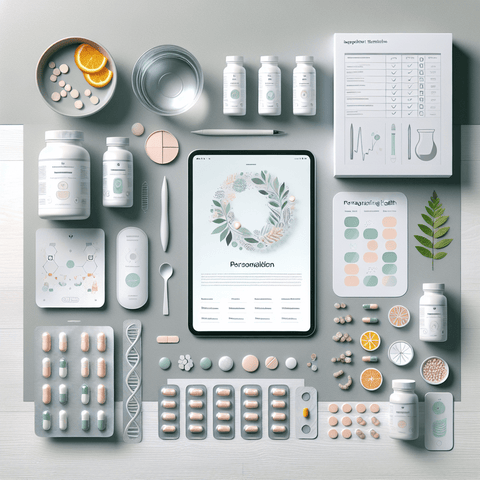
Introduction to Supplement Subscription Services
In today's health-focused world, maintaining a consistent intake of essential vitamins and minerals can be challenging. A supplement subscription service offers a modern solution by delivering personalized nutritional products directly to your door on a regular schedule. This approach contrasts with traditional one-off purchases, which can often lead to inconsistencies in nutrient intake and missed doses. By exploring how these services work and their potential benefits, you can determine if they are a suitable fit for supporting your wellness journey.
This guide provides a broad overview of supplement subscription services, covering what they are, their key advantages, important considerations for choosing a service, and how they can fit into a balanced approach to nutrition.
What Is a Supplement Subscription Service?
A supplement subscription service is a business model that allows customers to receive regular shipments of vitamins, minerals, and other nutritional supplements. These services typically offer customizable delivery schedules, allowing you to choose how often you receive your products based on your consumption rate. Many also provide options for personalization, where the selection of supplements can be tailored to individual health goals, dietary preferences, or life stage. This structured approach helps ensure a steady supply of the nutrients you have chosen to incorporate into your routine.
Key Features of Subscription Services
When considering a supplement subscription, it is helpful to understand the features that differentiate one service from another. Common features include:
- Personalization options: Services may tailor supplement packs based on individual needs, such as age, gender, or specific wellness goals.
- Flexible delivery schedules: You can often adjust the frequency of deliveries to match your usage, preventing waste or shortages.
- Product variety: A comprehensive service may offer a range of products from core staples like multivitamins to targeted formulas like omega-3 or magnesium.
- Quality controls: Reputable services prioritize third-party testing and transparent labeling to ensure product safety and efficacy.
Why Consider a Supplement Subscription?
The growing popularity of supplement subscriptions reflects a broader trend towards preventive healthand the desire for convenient wellness solutions. For many people, the primary appeal lies in the ability to establish a consistent routine without the mental overhead of remembering to reorder supplies.
Convenience and Consistency
A subscription model simplifies the process of maintaining a supplement regimen. Having products delivered automatically at scheduled intervals reduces decision fatigue and helps prevent lapses in your routine. This consistency can be particularly valuable for individuals who have identified specific nutrient gaps that they aim to address on a regular basis.
Personalization and Adaptability
Many subscription services allow you to adjust your orders as your needs evolve. Whether you are changing your fitness goals, adapting to a new dietary pattern, or responding to advice from a healthcare professional, the ability to modify your plan easily is a significant advantage. This adaptability ensures that your supplementation strategy remains aligned with your current health objectives.
Are Supplement Subscriptions Worth It?
Whether a supplement subscription is worth it depends largely on individual circumstances. For those who have established a clear need for daily supplements and value the convenience of automated delivery, the benefits often outweigh the costs. Subscriptions can also offer savings compared to one-time purchases, and they may encourage better adherence to a regimen.
However, they are not necessary for everyone. If your nutrient needs are minimal or you prefer to purchase supplements sporadically, a subscription might not be the most suitable choice. It's important to assess your own habits, preferences, and health goals when evaluating whether a subscription model aligns with your lifestyle.
Navigating Nutrient Gaps and Supplement Needs
Understanding your potential nutrient gaps is a key step before committing to any supplement, including those delivered via subscription. Nutrient needs can vary significantly based on factors such as age, diet, lifestyle, and health status.
Common Nutrient Gaps by Life Stage
Specific life stages may require attention to particular nutrients. For example:
- Older adults may need to pay closer attention to calcium, vitamin D, and vitamin B12.
- Individuals following vegetarian or vegan diets may require additional sources of iron, zinc, and vitamin B12.
- Athletes or those with high physical activity levels might have increased needs for certain minerals like magnesium or electrolytes.
A subscription service can help ensure that targeted nutrients, such as vitamin D or a comprehensive multivitamin, are consistently available as part of your routine.
Signals That May Prompt Supplement Consideration
While not definitive proof of deficiency, certain signals might lead you to discuss supplementation with a healthcare professional. These can include:
- Persistent fatigue despite adequate rest
- Brittle nails or noticeable changes in hair condition
- Frequent minor illnesses that seem to linger
- Digestive irregularities that may affect nutrient absorption
It is important to remember that these symptoms have many potential causes. A thorough assessment by a qualified professional is essential before attributing them to a nutritional deficiency.
Quality, Safety, and Labeling Considerations
Not all supplements are created equal. When selecting a subscription service, prioritizing quality is paramount. This includes understanding how to read supplement labels and recognizing certifications that indicate independent verification.
Reading Supplement Labels
Pay attention to key details on a supplement label, including:
- The form of the nutrient (e.g., magnesium glycinate vs. magnesium oxide) and its bioavailability.
- The dosage per serving and recommended serving size.
- Other ingredients, including fillers, binders, or allergens.
Third-Party Testing and Certifications
Look for products that have been independently tested by third-party laboratories. Certifications from organizations like NSF International or USP can provide additional assurance of quality, purity, and accurate labeling. Reputable brands often make their testing results readily available to consumers.
Potential Risks and Interactions
While supplements can support health, they are not without risks. Taking excessive amounts of certain nutrients, or combining supplements with medications, can lead to adverse effects or interactions. It is crucial to be aware of these possibilities.
Over-Supplementation
More is not always better when it comes to vitamins and minerals. Fat-soluble vitamins (A, D, E, K), for example, can accumulate in the body over time. Adhering to recommended dosages is essential for safety.
Medication Interactions
Certain supplements can interact with prescription or over-the-counter medications. For instance, vitamin K can interfere with blood thinners, and calcium can affect the absorption of some antibiotics. Always consult a healthcare professional to review potential interactions with your current medications.
How a Subscription Model Supports Adherence
One of the most practical benefits of a supplement subscription is its potential to improve adherence to a supplement regimen. By automating the delivery process, subscriptions help remove common barriers such as forgetting to reorder or running out of a product.
Practical Steps for Getting Started
If you are considering a supplement subscription, a practical approach may include:
- Identify plausible nutrient gaps based on your diet, lifestyle, or professional advice.
- Research services that offer the specific types of supplements you need and align with your quality expectations.
- Start with a flexible plan or trial period to assess fit and tolerance.
- Monitor your experience and adjust your plan as needed, ideally with guidance from a healthcare professional.
Exploring Supplements Further
A supplement subscription can be an effective way to maintain consistency across various categories of supplements. From foundational nutrients to targeted support, subscriptions can simplify how you manage your nutritional intake.
Depending on your individual goals, you may find value in exploring different supplement categories to include in your routine. For example, some individuals focus on foundational nutrients, while others may prioritize magnesium for muscle and energy support or probiotics for digestive health. Understanding the landscape of available options can help you make more informed choices about what to include in your subscription.
Key Takeaways
- Supplement subscription services offer a convenient and consistent way to maintain a supplement routine.
- Personalization options allow you to adapt your deliveries to changing health goals and dietary needs.
- Quality considerations, including third-party testing and transparent labeling, are crucial when choosing a service.
- Nutrient needs vary based on life stage, lifestyle, and individual health status.
- Supplements should complement, not replace, a balanced diet.
- Consult a healthcare professional before starting any new supplement, especially if you have underlying health conditions or take medications.
Frequently Asked Questions
Are supplement subscriptions worth it?
For many individuals, yes. If you have a consistent need for specific supplements and value convenience, subscriptions can ensure you don't run out of products and may offer cost savings. However, they are only worth it if they align with your actual needs and preferences.
What are some good subscription services for vitamins?
Good vitamin subscription services typically offer personalized plans, high-quality, third-party-tested products, flexible delivery schedules, and responsive customer support. It's important to research and choose a service that meets your specific health needs and quality standards.
What are the benefits of subscription?
The primary benefits include convenience, consistency, potential cost savings, and personalization. Subscriptions help streamline the process of maintaining a supplement routine by automating deliveries and allowing for adjustments based on changing needs.
What two vitamins cannot be taken together?
Some vitamins and minerals can interact with each other, potentially affecting absorption. It is important to be aware of these potential interactions and to space out certain supplements if recommended by a healthcare professional. Always consult a professional for personalized advice on supplement combinations.