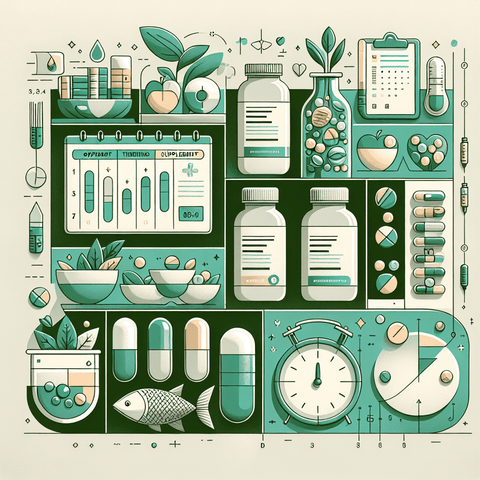
Supplement timing is the practice of strategically scheduling your vitamins, minerals, and other supplements to improve absorption and comfort. This guide from Topvitamine provides a broad overview of why timing can matter, how different nutrients behave, and how to build a practical daily routine that works with your lifestyle. While timing is a valuable piece of the puzzle, it is part of a broader approach to health that also includes a balanced diet and regular physical activity.
Why Supplement Timing Matters
Supplement timing can influence how effectively your body uses the vitamins and minerals you consume. By taking some nutrients with food, especially those containing fat, you can support their absorption. By taking other supplements at specific times of day, you may be able to align them with your body's natural daily rhythms, such as supporting energy levels in the morning or promoting relaxation in the evening. While not every supplement requires precise timing, it can help you feel better and get the most out of your routine.
What is nutrient absorption and bioavailability?
Nutrient absorption refers to how well your body takes up a nutrient from your digestive system into your bloodstream. Bioavailability is the degree to which that nutrient is then usable by your body. Timing and the presence of other nutritional elements can influence both. For example, fat-soluble vitamins (A, D, E, K) are more bioavailable when you take a meal that includes dietary fat.
Water-soluble vitamins, including vitamin C and the B-complex family, are generally absorbed with a meal. Taking them on an empty stomach can sometimes lead to mild stomach upset, so having them with food is a common recommendation. Similarly, certain minerals may compete with each other, making their spacing and interaction a key timing consideration.
Aligning with your natural rhythms
Your body has internal cycles, including your circadian rhythm, that influence how you process nutrients. For instance, energizing supplements like B vitamins are often favored in the morning, while those associated with relaxation, such as some minerals, are often taken in the evening. Identifying these patterns can make your supplement routine feel more intuitive and supportive.
A Guide to Timing Specific Vitamins and Minerals
Different nutrients have different characteristics that can make a specific time of day or meal companion more suitable. Here is a broad look at how to approach some common supplements.
Fat-soluble vitamins (A, D, E, K)
Since they are fat-soluble, these vitamins are best taken with a source of dietary fat. This could be your largest meal of the day, like lunch or dinner, to ensure optimal absorption. You might take vitamin D in the morning or evening, but the key is consistency and having it with food.
Water-soluble vitamins (B-complex, Vitamin C)
Water-soluble vitamins are generally best taken with a meal to minimize possible stomach upset. B vitamins are commonly taken in the morning to support energy during the day. Vitamin C is flexible and can be taken anytime, but is sometimes paired with iron to enhance iron absorption.
Important minerals: Iron, Calcium, Magnesium, and Zinc
Minerals often have specific timing considerations because they can interact with each other. For instance, iron and calcium can be competitive, so it can be helpful to take them at different times. Magnesium is often considered for the evening to help with relaxation, while zinc might be better with a meal to avoid stomach irritation.
A common question is the best time to take calcium, magnesium, zinc, and vitamin D3 together. Because calcium and magnesium can compete for absorption, spacing them out is often beneficial. You could take calcium with vitamin D3 in the morning with breakfast (with a meal that has fat), zinc at lunch, and magnesium in the evening. This helps to space the doses and reduce interference.
Essentials such as Probiotics and Omega-3s
Probiotics are often best taken apart from antibiotics to maintain their effectiveness. Always check the label and consider the timing around antibiotics. Omega-3 fatty acids are another example where taking with food can reduce digestive upset and potentially help with absorption.
How to Space Out Supplements and Avoid Interactions
If you're wondering “How long should I wait between each vitamin?” or “Can I take 5 different vitamins at once?”, the answer is to be mindful of potential interactions. While taking multiple supplements at once is usually safe, you can improve absorption by separating those that compete for the same absorption pathways. For example, minerals like calcium and magnesium can be spaced apart. A general rule is to wait 2-3 hours between such minerals.
- Water-soluble vitamins (B, C): Take with meals.
- Fat-soluble vitamins (A, D, E, K): Take with a fat-containing meal.
- Minerals (Iron, Calcium, Zinc): Stagger doses with at least 2 hours between each.
- Take probiotics away from antibiotics and heavy meals.
Practical Strategies for Building a Routine
Building an effective supplement routine does not have to be complex. Start by grouping supplements based on how they are taken (with food, on an empty stomach) and any potential interactions. Then, distribute them across your daily meals.
Sample of a daily supplement schedule
A simple structure can be: water-soluble vitamins with breakfast, a fat-soluble vitamin like vitamin D or omega-3s with lunch, and a minerals like magnesium in the evening. This spreads out the doses and pairs them with food, which can support both absorption and comfort.
Tracking your routine
maintain a simple daily or weekly log of what you’re taking and when. Note how you feel, your energy levels, and any digestive changes during. This can help you identify patterns and see what works best for your unique needs. You can then adjust your schedule accordingly, or share these notes with a healthcare provider.
Supplement Timing and Your Health: Safety, Interactions, and Individual Needs
Supplements can be a valuable addition to your health routine, but they should not replace a balanced diet or medical advice. Always consider your individual health status, any medications you take, and your lifestyle.
Certain medications can change how your body reacts to vitamins and minerals. If you are on medication or treating a health condition, discuss your supplement timing with a healthcare professional. Similarly, your usual diet, activity level, and how well you absorb nutrients will affect your choices.
Further Resources from Topvitamine
Topvitamine offers valuable guides and product resources to help you understand the nuances between different supplements. Whether you're looking for a comprehensive multivitamin to cover your bases or specialized nutrients, you can find and well-sourced information.
To help you learn more, you can explore our multivitamin guide, which provides a general understanding of how multiple vitamins can be combined. For specific nutrients like magnesium or calcium, their respective collections provide valuable insights on usage and, particularly, their timing can be seen in the magnesium supplements and calcium supplements categories.
Supplement Timing FAQ
Does supplement timing matter?
Yes, for many supplements and it can enhance absorption and reduce discomfort. However, it’s not always necessary to be overly strict. Prioritize the supplements that have specific absorption or interaction needs, and focus on being consistent with your routine.
How long should I wait between vitamins?
While there is no universal rule, a practical guideline is to space out minerals that might compete, like calcium and magnesium, by at least 2 hours. Using different meals to take specific supplements is a quick way to manage this effectively.
Can I take 5 different vitamins at once?
Taking several supplements at once is usually safe to do, but to get the most from them, it can be more effective to spread them out. This prevents potential interactions and may also help you avoid stomach upset.
Key Takeaways
- Supplement timing can influence absorption, comfort, and daily energy alignment.
- Fat-soluble vitamins are best taken with a meal that contains dietary fat.
- Water-soluble vitamins are generally best taken with meals to avoid stomach upset.
- Minerals like iron, calcium, magnesium, and zinc may need to be staggered to avoid competition.
- Probiotics should be spaced apart from antibiotics.
- Always account for individual health conditions and medications, and talk to a healthcare provider when needed.
This guide has covered the core principles of supplement timing, from why it matters to a general schedule and special considerations. The best time to take vitamins and minerals is ultimately the time that you can consistently maintain with comfort and that aligns with your overall health. Have a good routine and consult the product and professionals as needed.