
Supplements for athletes sit at the crossroads of research and training practice. This page explores essential options commonly discussed in science and sport settings, focusing on categories that target endurance, strength, and recovery in the context of athletic preparation. The goal is to help you understand what’s available, what the evidence indicates about each option, and how to approach use in a safe, responsible way. Endurance-focused, strength-focused, and recovery-oriented options fall into different categories. For example, some supplements for athletes are studied for effects related to energy availability and performance maintenance (such as caffeine or nitrate-based products), while others are considered for supporting power output or muscle function (like creatine and beta-alanine). There are also options that athletes encounter for recovery-oriented support, including certain amino acid blends and protein-related products. Keep in mind that evidence about these options varies by substance, sport context, and study quality, so evaluating the available research and how it applies to your training is important. Safety and quality should guide every choice. Prioritize products that undergo third-party testing and carry reputable certifications, and be aware of sport-specific restrictions or banned-substance lists. Read labels carefully for ingredients and dosages, start with conservative amounts, and monitor for any adverse effects or interactions with medications. If you compete, consider consulting a sports physician, dietitian, or licensed professional who understands your sport’s rules and your personal health history before introducing new supplements for athletes into your routine. When you evaluate supplements for athletes, look beyond marketing claims. Assess the credibility of the source, check for transparent ingredient lists, and consider how a given option fits with your training plan, goals, and safety considerations. Keeping a log of what you take, how you respond, and any performance notes can help you distinguish between experience and evidence. This careful approach supports informed decisions about supplements for athletes and helps maintain a disciplined, safety-first mindset.
Boost Your Athletic Performance: Essential Supplements for Athletes

Best Multivitamin for Athletes: Why It MattersAthletes and highly active people have elevated nutrient needs due to increased energy turnover, muscle breakdown, and oxidative stress. While a balanced diet is the foundation, intense training blocks can create micronutrient gaps that impact performance, recovery, and immunity. A well-chosen multivitamin for athletes acts as a nutritional safety net, helping to cover shortfalls in iron, B12, vitamin D, magnesium, and other key vitamins and minerals that support energy metabolism, oxygen transport, and muscle function. However, a multivitamin is not a substitute for whole foods or a healthy diet—it complements them, especially when schedules are hectic or food access is limited.Common Nutrient Deficiencies in Active PeopleIntense training can deplete several micronutrients faster than the general population. Iron deficiency is especially common among endurance athletes and menstruating women, leading to fatigue and reduced aerobic capacity. Vitamin D insufficiency is widespread, particularly in winter or for indoor athletes, and it may affect bone health and muscle function. Magnesium supports muscle contraction and energy production but is often under-consumed. B vitamins, including B12 and folate, are vital for red blood cell formation and energy metabolism, while omega-3 fatty acids help modulate inflammation. Recognizing these common nutritional gaps is the first step toward addressing them with targeted supplements or dietary adjustments.How to Choose the Right Multivitamin and Use It SafelyChoosing the best multivitamin for athletes involves looking for moderate doses of bioavailable nutrients, such as methylated B12 and chelated minerals. Avoid megadoses unless medically indicated. Consider your diet, training intensity, and any confirmed deficiencies—ideally through lab testing—to personalize your choice. A multivitamin should be used as a complement to a nutrient-dense diet, not a replacement. Always consult a healthcare professional before starting new supplements, especially if you have medical conditions, take medications, or are pregnant. By filling specific gaps with a quality multivitamin, you can support your training goals and maintain long-term health.
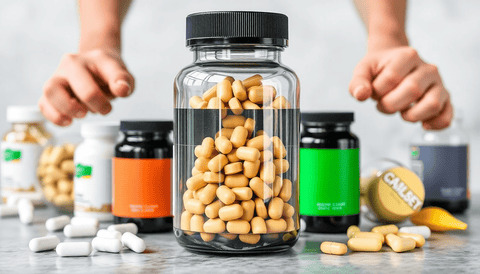
Explore the top supplements for athletes and active lifestyles in 2026. This evidence-based guide explains the benefits, dosage, timing, and safety of creatine, caffeine, beta-alanine, protein, and more. Learn how to choose quality products and answer common questions about athletic performance, the big 3 supplements, and the 4 2 1 rule.