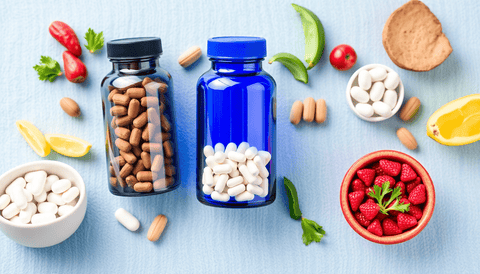
A well-planned vegan diet can support good health at every life stage, but it also requires attention to a handful of nutrients that are scarce, absent, or less bioavailable in plant foods. When people search for supplements vegan diet guidance, they usually want to know which nutrients genuinely matter, which are optional, and how to choose products that are effective and truly vegan. This article explains the key nutrients to monitor, why some supplementation is considered essential on a plant-based diet, how food choices can cover much of your needs, and when professional testing or advice may be the smarter first step.
What Does “Supplements Vegan Diet” Actually Mean?
The phrase refers to the practice of using dietary supplements to fill specific nutritional gaps that can occur when animal products are excluded from the diet. It does not mean that every vegan needs a long list of pills. Rather, it describes a targeted approach: identifying nutrients whose intake or absorption may be lower on a fully plant-based diet, then addressing them through food, fortified products, or supplements as appropriate.
Why Supplementation Is Relevant on a Plant-Based Diet
Plant-based diets are typically rich in fiber, vitamin C, folate, potassium, and beneficial phytonutrients. However, several nutrients are either found almost exclusively in animal foods or are present in plants in forms the body absorbs less efficiently. Vitamin B12, for example, is produced by microorganisms and is not reliably available from unfortified plant foods. Other nutrients, such as iron and zinc, are present in plants but hindered by compounds like phytates that reduce absorption. This combination of lower intake and lower bioavailability is why certain supplements are routinely recommended for vegans by dietetic organizations worldwide.
The Difference Between Optional and Essential Supplements
Not all supplements carry the same weight of evidence. Vitamin B12 supplementation is widely regarded as essential for anyone following a vegan diet long-term, because deficiency can lead to irreversible neurological damage. Vitamin D depends largely on sun exposure rather than diet, though vegans may have fewer dietary fallback options. Omega-3 from algae, iron, iodine, zinc, selenium, calcium, and vitamin K2 are situation-dependent: relevant for some individuals and unnecessary for others depending on food choices, location, life stage, and health status. Understanding this distinction prevents both unnecessary supplementation and dangerous gaps.
Key Nutrients to Consider on a Vegan Diet
Vitamin B12: Why It Is Not Naturally Available in Plant Foods
Vitamin B12 is essential for red blood cell formation, neurological function, and DNA synthesis. It originates from bacteria, and while traces can appear on unwashed organic produce or in some fermented foods, these sources are unreliable and not recommended as a strategy. Nori and chlorella contain B12 analogues, but some of these are inactive in humans and may even interfere with B12 status measurements. For this reason, health authorities consistently recommend that vegans obtain B12 from fortified foods or supplements on a regular basis. Deficiency develops slowly — stores can last years — which is why symptoms alone are an unreliable early warning system.
Vitamin D: Sunlight, Diet, and Vegan Sources
Vitamin D status depends primarily on UVB exposure from sunlight, not diet. People living at higher latitudes, spending most time indoors, or with darker skin tones frequently have low levels regardless of diet. Vegan dietary sources are limited mainly to UV-exposed mushrooms and fortified products. Vitamin D2 (often from mushrooms or yeast) and vegan-certified vitamin D3 (from lichen) are the supplement options; research suggests D3 may be somewhat more effective at raising and maintaining blood levels, though D2 remains a valid option. Our vitamin D guide covers sources, safety, and testing in more depth.
Omega-3 Fatty Acids: EPA and DHA from Algae
Plant foods like flaxseed, chia, and walnuts provide ALA, an omega-3 fatty acid that the body must convert to EPA and DHA. Conversion efficiency is low and varies considerably between individuals, influenced by genetics, sex, and overall intake. Direct EPA and DHA from microalgae oil bypasses this conversion entirely, which is why algae-based omega-3 supplements are a meaningful option for vegans, particularly during pregnancy or for those with limited ALA intake. Learn more in our DHA and EPA omega-3 collection.
Iron: Heme vs. Non-Heme Sources and Absorption
Iron from meat (heme iron) is absorbed far more efficiently than plant-based non-heme iron. Vegans can meet iron needs through lentils, tofu, pumpkin seeds, and fortified cereals, but absorption is reduced by phytates and enhanced by vitamin C. A practical strategy is pairing iron-rich meals with citrus, peppers, or other vitamin C sources and avoiding tea or coffee with meals. Iron requirements are higher for menstruating women, and iron stores (ferritin) can be low even when dietary intake looks adequate on paper — one reason testing can be valuable. See our mineral supplements guide for an overview.
Iodine: The Role of Seaweed and Fortified Foods
Iodine supports thyroid function and metabolism. Depending on soil quality where produce is grown and whether iodized salt is used, vegan iodine intake can vary widely. Seaweed is a rich but unpredictable source: some varieties contain extremely high amounts, and excessive intake can disrupt thyroid function. Kelp supplements should be approached cautiously. Iodized salt and fortified plant milks provide more controllable amounts.
Zinc and Selenium: Plant-Based Intake Considerations
Zinc from legumes, whole grains, nuts, and seeds is abundant on paper but absorbed less efficiently due to phytates. Vegans may need up to 50% more zinc than the standard reference intake to compensate. Brazil nuts are an exceptional selenium source — one or two nuts can meet daily needs — though selenium content depends on soil conditions where they were grown. Both minerals matter for immune function, and both illustrate why vegan intake requires planning rather than guesswork.
Calcium and Vitamin K2: Bone Health Beyond Dairy
Calcium can be obtained from fortified plant milks, tofu set with calcium sulfate, kale, bok choy, and almonds. Absorption from low-oxalate greens like kale is actually quite good. Vitamin K2, found mainly in fermented animal foods, plays a role in directing calcium toward bone tissue; natto is the notable vegan source, and vegan K2 (MK-7) supplements are widely available. Bone health on a vegan diet is best supported through adequate calcium, vitamin D, vitamin K, and weight-bearing exercise together — no single nutrient suffices. Our calcium collection and vitamin K guide provide further detail.
How Vegan Diets Can Fall Short of Certain Nutrients
Dietary Patterns That Increase Nutrient Risk
Risk increases when a vegan diet relies heavily on processed vegan convenience foods, excludes fortified products, or restricts entire food groups (such as all soy or gluten). Very low-calorie or raw-food vegan patterns can compound shortfalls. Conversely, a varied diet built on legumes, whole grains, vegetables, nuts, seeds, and fortified foods covers most needs except B12.
Who Is More Likely to Miss Key Nutrients?
Certain groups face higher nutritional demands or reduced absorption: pregnant and breastfeeding women, infants and children, teenagers, adults over 65, athletes with high energy turnover, and anyone with a gastrointestinal condition such as celiac disease or inflammatory bowel disease. People transitioning recently to veganism may also not yet have adjusted their food choices, and long-term vegans who have never supplemented B12 deserve particular attention.
Food First: Getting Nutrients from a Well-Planned Vegan Diet
Best Vegan Food Sources for Each Critical Nutrient
- Vitamin B12: fortified nutritional yeast, plant milks, and breakfast cereals (reliable only when fortified)
- Vitamin D: UV-exposed mushrooms, fortified plant milks; sunlight remains the main source
- Omega-3 ALA: ground flaxseed, chia seeds, hemp seeds, walnuts
- Iron: lentils, chickpeas, tofu, tempeh, pumpkin seeds, fortified oats — pair with vitamin C
- Iodine: iodized salt, seaweed in controlled amounts, fortified products
- Zinc: legumes, cashews, pumpkin seeds, whole grains
- Selenium: Brazil nuts (1–2 daily), sunflower seeds
- Calcium: calcium-set tofu, fortified plant milk, kale, bok choy, almonds
Fortified Foods: Practical but Not Always Reliable
Fortification makes plant-based eating considerably easier, but it is not foolproof. Fortification levels vary between brands and countries, products change formulations, and intake depends on consuming enough of the fortified product consistently. For nutrients like B12, relying solely on fortified foods requires careful daily consistency — which is why many vegans find a modest supplement simpler and more dependable.
When May Supplements Be Necessary on a Vegan Diet?
Specific Life Stages and Higher-Need Groups
Pregnancy and lactation raise requirements for B12, iodine, iron, choline, and DHA. Standard pregnancy supplements are often not formulated for vegan needs, so checking labels matters. Infants raised vegan need carefully planned supplementation under professional guidance, particularly for B12 and vitamin D. Older adults may absorb B12 less efficiently regardless of diet, making supplements or fortified foods relevant even at moderate intakes.
Signs That Intake May Be Inadequate
Fatigue, low energy, hair changes, frequent infections, or impaired concentration can have many causes and are not reliable indicators of any specific deficiency. They may prompt a nutritional review, but they do not establish one. Symptoms of B12 deficiency, for instance, can overlap with conditions unrelated to diet, and some deficiency develops without noticeable symptoms for years.
Why Testing May Be Needed Before Supplementing
Blood tests — such as serum B12, ferritin, vitamin D status, and thyroid-related markers — provide objective information that self-assessment cannot. Testing is particularly worthwhile before high-dose iron supplementation, since excess iron can be harmful, and before assuming a low vitamin D level without knowing sun habits and baseline status. A healthcare provider can interpret results in context rather than treating a number in isolation.
How to Choose a High-Quality Vegan Supplement
Ingredient Forms That Matter for Vegan Absorption
Nutrient form affects how well a supplement works. Cyanocobalamin and methylcobalamin are both used in B12 supplements; methylcobalamin is popular in vegan products, though both can support B12 status. Vegan vitamin D3 from lichen offers an alternative to animal-derived lanolin D3. Algae oil provides EPA and DHA directly, unlike flax-based ALA products. Iron bisglycinate is often gentler on the digestive system than ferrous sulfate.
Single-Nutrient vs. Multi-Nutrient Formulas
A vegan-specific multivitamin can conveniently cover several gaps at once, and our multivitamin guide explains how to evaluate them. However, combination products have trade-offs: mineral amounts may be too low for established deficiencies, and some minerals compete for absorption. Single-nutrient supplements allow precise, targeted dosing — often preferable when a specific gap has been identified.
Third-Party Testing, Certifications, and Purity Checks
Look for clear vegan certification, transparent labeling of active forms and doses, and preferably third-party testing or quality seals. Reputable manufacturers disclose where ingredients come from and avoid unnecessary additives. Established brands with consistent quality controls — such as those found in our natural supplements collection — generally offer more reliability than unbranded products with vague labeling.
How to Read a Vegan Supplement Label
Understanding Nutrient Forms, Dosages, and Bioavailability
Check the exact nutrient form (for example, “zinc bisglycinate” rather than just “zinc”), the amount per serving, and whether the serving is one capsule or several. Compare doses against established reference intakes rather than assuming more is better. Some labels list proprietary blends, which make it impossible to know individual ingredient amounts — a red flag.
Spotting Toxic Additives, Fillers, and Non-Vegan Excipients
Capsules can contain gelatin; softgels often use animal-derived gelatin; vitamin D3 is frequently sourced from lanolin (sheep's wool). Look for explicit vegan or vegetarian certification rather than assuming. Be cautious with products containing unnecessary artificial colors, excessive titanium dioxide, or sweeteners that add nothing to nutritional value.
Safety, Interactions, and Upper Intake Limits
Nutrients That Can Accumulate or Interfere with Absorption
More is not always better. Iron can accumulate to harmful levels, especially in people with hemochromatosis, and should generally not be supplemented high-dose without confirmed deficiency. Excessive iodine from kelp can trigger thyroid dysfunction. High-dose zinc over long periods can cause copper deficiency. Calcium supplements are best used to fill dietary gaps rather than replace food sources, and very high supplemental calcium may not suit everyone. Fat-soluble vitamins (A, D, E, K) accumulate in the body, so total intake across all products should be considered.
When to Consult a Healthcare Professional
Seek professional advice before supplementing during pregnancy or breastfeeding, for infants and children, if you take regular medication (iron and calcium interact with several drugs, including thyroid medication and some antibiotics), or if you have kidney, liver, or thyroid conditions. Anyone experiencing persistent symptoms should consult a doctor rather than self-treating with supplements.
Making the Right Decision: Food, Supplements, or Both?
A Practical Checklist for Assessing Your Own Vegan Diet
- Are you taking or reliably consuming vitamin B12? This is the non-negotiable one.
- Do you eat fortified foods daily, and do you know which nutrients they provide?
- Do you include an ALA source (flax, chia, walnuts) regularly, or an algae-based EPA/DHA product?
- Is your iron intake paired with vitamin C, and do you know your ferritin status?
- Do you use iodized salt or another measured iodine source?
- Do you get sensible sun exposure or supplement vitamin D in winter months?
- Is your calcium intake built from fortified foods, tofu, and low-oxalate greens?
When Professional Dietary Assessment Is Worth It
A registered dietitian can evaluate your actual food intake, interpret blood work, and design a plan tailored to your life stage and health history. This is especially valuable during pregnancy, for growing children, for athletes, or when symptoms suggest something may be off despite reasonable eating habits.
Final Takeaway: Building a Balanced Vegan Diet with Confidence
A vegan diet can be nutritionally complete when it is well planned, but vitamin B12 supplementation is widely considered essential, and vitamin D, omega-3 EPA/DHA, iodine, iron, zinc, selenium, calcium, and vitamin K2 deserve attention depending on your circumstances. Start with food: legumes, whole grains, vegetables, nuts, seeds, and fortified products cover a great deal. Then fill verified gaps with well-chosen, certified-vegan supplements in appropriate doses — not a cupboard full of everything. Where uncertainty exists, a simple blood test provides more clarity than guesswork. With that combination of planning, awareness, and targeted support, a plant-based diet can be followed confidently at any stage of life.
Frequently Asked Questions
What supplements should vegans take?
Vitamin B12 is widely considered essential for all long-term vegans. Vitamin D and algae-based omega-3 (EPA/DHA) are commonly relevant, while iron, iodine, zinc, selenium, and calcium depend on individual food choices, location, and life stage. A blood test can help clarify which gaps actually exist for you.
Can you get vitamin B12 from plant foods?
Not reliably. B12 is produced by bacteria and is not naturally present in meaningful amounts in plant foods. Some algae and fermented foods contain B12 analogues, but these may be inactive in humans. Fortified foods or supplements are the dependable sources.
Is algae oil as good as fish oil for omega-3?
Algae oil provides EPA and DHA directly — the same fatty acids found in fish oil — because fish obtain their omega-3s from algae in the first place. Head-to-head studies suggest comparable bioavailability, making it a genuinely equivalent option for vegans.
How much B12 do vegans need?
Requirements are the same for everyone, but because plant foods lack B12, vegans typically take a supplement regularly — either a daily lower dose or a less frequent higher dose. Follow the product's labeled dose and consult a healthcare provider for personalized guidance, especially during pregnancy.
Do vegans need iron supplements?
Not automatically. Many vegans meet iron needs through legumes, tofu, and seeds, especially when paired with vitamin C. Supplementation is best reserved for confirmed low iron stores, since excess iron can be harmful. Testing ferritin levels before supplementing is a sensible step.
Can you get enough calcium without dairy?
Yes. Calcium-set tofu, fortified plant milks, kale, bok choy, almonds, and tahini can all contribute meaningfully. Absorption from low-oxalate greens is good. If fortified foods and calcium-rich vegetables are limited, a supplement can help fill the gap.
Is seaweed a safe iodine source for vegans?
It can be, but dose control is difficult. Some seaweeds, especially kelp, contain extremely high and variable iodine levels that can disrupt thyroid function. Iodized salt or fortified foods offer more predictable amounts, and kelp supplements should be used cautiously.
Which vitamin D supplement is vegan?
Vitamin D2 is typically vegan (from yeast or mushrooms), and some vitamin D3 products are vegan, sourced from lichen. Standard D3 is usually derived from lanolin. Check the label for explicit vegan certification.
How long does it take to develop a B12 deficiency?
The liver stores enough B12 to last several years, so deficiency can develop slowly and sometimes without clear symptoms. This is why regular supplementation or fortified food intake matters more than waiting for warning signs.
Can a vegan multivitamin replace individual supplements?
It depends. A well-formulated vegan multivitamin can cover modest gaps in several nutrients at once, but doses may be too low to correct a confirmed deficiency. If you have a specific, identified gap, a single-nutrient supplement often allows more precise dosing.
Are vegan supplements safe during pregnancy?
Many are, but pregnancy changes requirements significantly — particularly for B12, iodine, iron, DHA, and folate. Use supplements designed or approved for pregnancy and consult a healthcare provider, since some nutrients have upper limits that matter during this life stage.
Should I get blood tests before starting supplements?
For B12, vitamin D, and iron status, testing provides objective information that symptoms cannot. It prevents unnecessary supplementation and helps identify genuine deficiencies. A healthcare provider can interpret results alongside your diet and health history.
Related Keywords
- vegan diet supplements
- essential vitamins for vegans
- vegan vitamin B12 supplementation
- plant-based diet nutrient gaps
- vegan omega-3 algae oil
- best vegan multivitamin
- iron deficiency vegan diet
- vegan vitamin D sources
- iodine for vegans
- calcium on a plant-based diet
- vegan supplement guide
- nutrients missing from vegan diet
- zinc and selenium for vegans
- vitamin K2 vegan sources