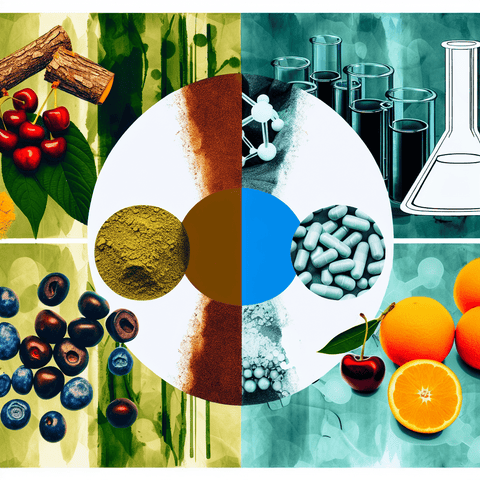
Synthetic supplement risks are a growing point of concern for anyone taking a daily multivitamin or individual nutrient capsules. Many supplements on the market are made with nutrients produced in laboratories rather than extracted from foods, and while these synthetic forms are generally safe when used correctly, they can differ from natural or whole-food nutrients in absorption, metabolism, and tolerability. In this article, you will learn what synthetic supplements are, which nutrient forms deserve closer attention, how your body may respond differently to them, and how to read labels and choose products that better match your health needs.
What Are Synthetic Supplements and Why Do They Matter?
Synthetic supplements contain nutrients that are manufactured chemically rather than isolated from food sources. These laboratory-made compounds can be chemically identical to their natural counterparts, structurally different, or somewhere in between. The distinction matters because a nutrient's form can influence how well it is absorbed, how it is metabolized, and how the body regulates its use.
It is important to state upfront that synthetic does not automatically mean unsafe. Many synthetic nutrients are well studied, widely used, and beneficial, particularly where dietary intake falls short. The concerns are more nuanced: some synthetic forms are absorbed less efficiently, some are regulated differently by the body, and some products combine nutrients with additives or doses that are not appropriate for everyone.
How Synthetic Supplements Differ from Natural or Whole-Food Supplements
Natural or whole-food-derived supplements contain nutrients extracted from foods, sometimes accompanied by the cofactors—other vitamins, minerals, and plant compounds—that occur naturally alongside them. Synthetic supplements typically provide the isolated nutrient on its own, which allows for precise dosing and lower cost but removes the food matrix that may support absorption and balanced utilization.
Whole-food nutrients are also delivered in amounts the body is accustomed to processing. Isolated synthetic nutrients, particularly at high doses, may bypass some of the regulatory mechanisms that govern nutrient uptake from food. This is one reason food-first approaches are generally recommended before high-dose supplementation.
Common Types of Synthetic Nutrients Found in Multivitamins
Several synthetic nutrient forms appear frequently in multivitamins and individual supplements:
- Synthetic vitamin E (dl-alpha-tocopherol), a racemic mixture that contains forms the body does not use as efficiently as natural vitamin E
- Folic acid, the synthetic form of folate used in many supplements and fortified foods
- Synthetic beta-carotene and isolated vitamin A compounds such as retinyl palmitate
- Inorganic mineral salts such as magnesium oxide or calcium carbonate, which are chemically produced and sometimes less well absorbed
- Ascorbic acid, the synthetic form of vitamin C, which is chemically identical to natural vitamin C but usually delivered without food cofactors
Understanding which form a product contains is the first step toward evaluating whether it suits your needs.
Understanding the Potential Risks of Synthetic Supplements
Bioavailability: How Well Does Your Body Actually Absorb Synthetic Nutrients?
Bioavailability refers to the proportion of an ingested nutrient that your body can actually absorb and use. Synthetic forms vary considerably in this respect. Some, like ascorbic acid, are absorbed well. Others, such as magnesium oxide, have relatively low bioavailability compared with chelated or citrate forms, meaning more of the dose passes through the digestive tract unused.
Low bioavailability is not inherently dangerous, but it can be misleading: a product may list a high milligram amount while delivering far less usable nutrient. Conversely, highly bioavailable synthetic forms taken at high doses can raise the risk of exceeding comfortable intake levels. Both sides of the bioavailability question matter when evaluating a supplement.
Synthetic Vitamin E and the Difference Between Natural and Synthetic Forms
Vitamin E is one of the clearest examples of a meaningful natural-versus-synthetic difference. Natural vitamin E is labeled d-alpha-tocopherol, while synthetic vitamin E is labeled dl-alpha-tocopherol. The synthetic version is a mixture of eight stereoisomers, only half of which match the molecular shape the body preferentially uses.
Research indicates that natural vitamin E is retained in the body more efficiently than the synthetic form—roughly twice as well, by some estimates—meaning lower doses of natural vitamin E can achieve comparable nutritional status. Neither form is dangerous at normal intakes, but the synthetic form offers less nutritional value per milligram, and high-dose vitamin E supplementation in general should not be undertaken casually.
Folic Acid vs. Folate: Why the Form Matters for Absorption
Folate is the natural form of vitamin B9 found in food, while folic acid is the synthetic oxidized form used in supplements and food fortification. Folic acid is actually highly stable and well absorbed—arguably more so than food folate on a gram-for-gram basis. However, it requires conversion in the body to the active form, and this conversion step is capacity-limited.
For most people this is not a problem. But some individuals carry genetic variations that affect folate metabolism, and a minority may process unmetabolized folic acid less efficiently. This is why methylated folate (5-MTHF) has become a popular alternative in premium supplements, particularly for those who know they have relevant genetic variants.
Dietary Supplements vs. Fortified Foods: Are the Risks the Same?
Folic acid, synthetic vitamin A, and other nutrients are added to breakfast cereals, plant milks, flours, and other staple foods. This means people taking supplements on top of a diet rich in fortified foods can accumulate intake from multiple sources without realizing it. Fortified foods contribute small amounts across many servings; supplements deliver concentrated doses. The risk is not either source alone but the combination, particularly for nutrients with established upper intake limits such as vitamin A, folic acid, and iron.
Signs That Your Current Supplement May Be Problematic
Digestive Discomfort or Poor Tolerance to Certain Nutrient Forms
Some nutrient forms are more likely to cause stomach upset, nausea, or constipation. Iron salts, for example, are notorious for gastrointestinal side effects, and large doses of calcium carbonate or magnesium oxide can cause digestive complaints in sensitive individuals. If you consistently feel unwell after taking a supplement, the specific nutrient form—rather than supplementation itself—may be the issue. Switching to a different chemical form, such as iron bisglycinate or magnesium citrate, often improves tolerability.
Persistent or severe symptoms should always be discussed with a healthcare provider rather than self-managed, as they can have causes unrelated to your supplement.
When Symptoms May Be Related to Additives, Fillers, and Artificial Colors
Reactions to a supplement are sometimes caused not by the nutrients but by the inactive ingredients: artificial colors, flavorings, preservatives, titanium dioxide, or common allergens such as gluten, soy, or dairy-derived excipients. People with sensitivities or allergies may notice headaches, skin reactions, or digestive upset that track with specific products rather than specific nutrients. Checking the "other ingredients" list is therefore just as important as checking the nutrient panel.
Factors That Influence How Your Body Reacts to Synthetic Nutrients
Genetic Variations That Influence Nutrient Metabolism
Genetics play a documented role in nutrient metabolism. The best-known example is variation in the MTHFR gene, which affects the conversion of folic acid and food folate into the active methylated form. Most people convert folic acid adequately, but those with certain variants may benefit from pre-methylated folate. Similar individual differences exist in vitamin D metabolism and other pathways. Genetic variation does not make synthetic nutrients harmful—it simply means one form may suit one person better than another.
How Age, Digestive Health, and Medication Use Affect Absorption
Absorption of many nutrients declines with age. Stomach acid production, which is needed to absorb vitamin B12 and to release minerals from food, often decreases in older adults. Digestive conditions such as celiac disease, Crohn's disease, or low stomach acid can reduce absorption of B12, iron, magnesium, and fat-soluble vitamins. Medications including proton pump inhibitors, metformin, and certain diuretics can also interfere with nutrient absorption or metabolism. People in these groups often have higher actual requirements than standard intake recommendations suggest.
The Role of Nutritional Status in How Supplements Are Processed
Your starting nutritional status shapes how a supplement is handled. If your body already has adequate stores, absorption of many nutrients naturally downregulates—for instance, iron absorption decreases when iron stores are sufficient. This protective regulation works better with food-derived nutrients delivered in smaller amounts across meals. Large concentrated doses of synthetic nutrients can partially bypass these controls, which is one argument favoring moderate doses taken with food over megadoses.
The Role of Diet and Food First in a Supplementation Strategy
Key Food Sources of the Nutrients You Are Most Likely Supplementing
Most nutrients people supplement are readily available in food, and dietary improvement is the appropriate first step for most people:
- Folate: leafy greens, legumes, asparagus, avocado
- Vitamin E: nuts, seeds, vegetable oils, wheat germ
- Magnesium: nuts, whole grains, legumes, dark chocolate, leafy greens
- Vitamin C: citrus fruits, berries, peppers, kiwi
- Vitamin D: oily fish, egg yolks, fortified foods—and importantly, sunlight exposure
- B vitamins: whole grains, meat, eggs, dairy, legumes
You can learn more about individual vitamins and their food sources in our guides to vitamin D, B vitamins, and vitamin E.
Why Whole-Food Nutrients Are Better Regulated by the Body
Nutrients delivered in food come packaged with fiber, cofactors, and complementary compounds, and in amounts the body's regulatory systems evolved to handle. Absorption of food-derived minerals is influenced by the presence of other meal components, and excess intake is harder to achieve through food alone. This built-in regulation is a genuine advantage of the food-first approach, though it does not mean whole-food nutrients are always superior—synthetic forms have important public health roles, as discussed below.
Relevant Nutrients and Supplements: What to Look For Instead
Natural Vitamin E (Mixed Tocopherols) vs. Synthetic Alpha-Tocopherol
When comparing vitamin E supplements, look for d-alpha-tocopherol or "mixed tocopherols" rather than dl-alpha-tocopherol. Mixed tocopherol products provide alpha, beta, gamma, and delta tocopherols, closer to the profile found in foods. Because natural vitamin E is better retained, the label may show a lower IU value for the same biological activity—this is expected, not a weakness.
Folate vs. Folic Acid: Which Form Is More Effective?
For most healthy people, folic acid is an effective and well-studied form, and its use in fortification has demonstrably reduced neural tube defects. However, supplements containing 5-methyltetrahydrofolate (5-MTHF) or folinic acid provide folate in forms that require fewer metabolic conversion steps. Those with known MTHFR variants, or people who prefer to avoid unmetabolized folic acid, may prefer these forms. Both approaches are legitimate; the choice depends on individual circumstances and, ideally, professional input.
Chelated Minerals and Other Bioavailable Nutrient Forms
Mineral supplements show some of the largest practical differences between forms. Chelated minerals—minerals bound to amino acids, such as magnesium bisglycinate or iron bisglycinate—tend to be absorbed better and are gentler on the digestive tract than inorganic salts like oxide forms. Magnesium citrate and magnesium glycinate are generally preferred over magnesium oxide for raising magnesium status. Calcium citrate is absorbed somewhat better than calcium carbonate, particularly in people with lower stomach acid. You can explore different magnesium forms and other mineral supplements to compare options.
Whole-Food-Based Supplements as an Alternative Approach
Whole-food-based supplements deliver nutrients concentrated from foods, sometimes alongside naturally occurring cofactors. These products may suit people who prefer a food-like nutrient profile or who tolerate synthetic isolates poorly. Their trade-offs are typically lower nutrient concentrations, larger serving sizes, and higher cost. They are a reasonable alternative approach, not inherently better for everyone.
When Supplementation May Be Reasonable Despite Synthetic Concerns
Situations Where Supplementation Is Genuinely Recommended
Supplementation is not a fringe practice—there are well-established situations where it fills real gaps:
- Folic acid before and during early pregnancy to support healthy fetal development, where the evidence is strong
- Vitamin D during winter months or for people with limited sun exposure
- Vitamin B12 for vegans, vegetarians, and older adults with reduced absorption
- Iron for individuals with documented low iron stores, particularly menstruating women
- Nutritional support during medically supervised weight management or with conditions affecting absorption
Cases Where Synthetic Forms Are the Only Practical or OTC Option
In some cases, synthetic forms are not a compromise but the standard of care. Folic acid remains the most studied form for pregnancy supplementation, and synthetic B12 (cyanocobalamin) is stable, inexpensive, and effective for most people. Some nutrients simply do not have well-established natural supplement forms, or the natural versions are impractically unstable or expensive. In these cases, concerns about "synthetic" should not outweigh demonstrated nutritional benefit.
How to Choose a Supplement: Key Criteria for Reducing Risk
Comparing Nutrient Forms: What the Ingredient List Should Say
The ingredient list tells you the actual chemical form of each nutrient. Look for specific, identifiable forms: "magnesium bisglycinate" rather than a vague "mineral complex," "d-alpha-tocopherol" rather than dl-, "5-MTHF" or "L-methylfolate" if you want methylated folate. Products that hide nutrient identity behind proprietary blends make informed choices difficult and deserve skepticism.
Understanding Bioavailability and Concentration on the Label
Do not equate a large milligram number with a better product. A 500 mg magnesium oxide dose delivers less absorbed magnesium than a 200 mg magnesium citrate dose. Compare forms, not just amounts, and remember that moderate doses taken consistently often serve nutritional goals better than megadoses.
When Third-Party Testing and Quality Certifications Matter Most
Third-party testing by independent organizations verifies that a product contains what the label claims, at the stated amounts, without concerning levels of contaminants. This matters most for products you take daily, for high-dose formulations, and for nutrients where dosing precision is important. Certifications from recognized independent testing programs offer more assurance than self-declared quality claims on the label.
Capsules, Tablets, or Powders: Which Delivery Form Reduces Added Ingredients?
Compressed tablets generally require more binders, fillers, and coating agents than capsules. Capsules typically need fewer excipients, and powders often need the fewest of all—though they may include flavorings. If you are trying to minimize additives, capsules or simple powders are usually the leaner options. Delivery form also affects practicality: capsules are tasteless and portable; powders allow flexible dosing.
How to Read and Interpret Supplement Labels for Hidden Risks
Recognizing Artificial Additives, Fillers, and Binders to Avoid
The "other ingredients" list reveals artificial colors, titanium dioxide, hydrogenated oils, excessive sweeteners, and potential allergens. While most additives in supplements are used at low levels and are legally permitted, people with sensitivities, allergies, or a preference for minimal formulations can use this list to choose cleaner products. A shorter, more recognizable ingredient list is generally a good sign of manufacturing restraint.
Identifying the Nutrient Form Behind the Ingredient Name
Nutrient names on labels follow chemical nomenclature that can be decoded. "DL" prefixes indicate synthetic racemic forms (as in dl-alpha-tocopherol). "D" without "L" typically indicates the natural configuration. Mineral names followed by "-ate," "-ide," or "-oxide" endings indicate salt forms, while "-bisglycinate," "-citrate," and "-picolinate" indicate chelated or organic forms with generally better absorption. Learning a handful of these patterns lets you evaluate any supplement quickly.
Understanding Serving Size and Amount Per Serving in the Right Context
Labels list amounts per serving, and a serving may be one, two, or more capsules. A product with impressive per-capsule numbers may require four capsules daily to deliver them. Check the serving size before comparing products, and check whether nutrients are expressed as elemental amounts (the actual mineral content) or as compound weights, which can overstate the mineral delivered.
Who Should Be Most Careful About Synthetic Supplement Risks?
Pregnant Women and the Importance of Folate Form
Pregnancy is the clearest case where nutrient form matters. Adequate folate intake around conception and in early pregnancy is strongly associated with reduced risk of neural tube defects, and public health authorities recommend folic acid supplementation for this purpose. Women with known MTHFR variants or concerns about folic acid metabolism may discuss methylated folate options with their midwife or physician. Pregnancy supplementation should always be guided by a healthcare professional, as several nutrients—including vitamin A—require careful dose control during pregnancy.
Older Adults, Vegetarians, and Individuals with Absorption Issues
Older adults absorb vitamin B12 less efficiently due to reduced stomach acid and may benefit from supplementation. Vegetarians and vegans have few reliable dietary B12 sources and typically need supplemental B12. People with celiac disease, inflammatory bowel disease, or a history of bariatric surgery often have increased needs and reduced absorption across several nutrients. In these groups, the question is less "synthetic or natural" and more "which form and dose meet my actual needs."
When Laboratory Testing or Professional Guidance Is Advised
Symptoms alone cannot establish nutritional status—fatigue, for example, has many possible causes unrelated to vitamin levels. Blood tests can objectively assess status for nutrients including vitamin D, B12, folate, and iron stores. Testing is particularly worthwhile before starting high-dose supplementation, when symptoms persist despite supplementation, or when taking medications that affect nutrient metabolism. A physician or registered dietitian can interpret results in context and recommend appropriate forms and doses.
Safety and Interactions: What You Should Know Before Buying
Potential Side Effects of Common Synthetic Nutrients
At normal doses, most synthetic nutrients are well tolerated. Side effects become more likely at high doses: synthetic beta-carotene supplements have been associated with increased lung cancer risk in smokers in large trials; high-dose folic acid can mask B12 deficiency; iron supplements commonly cause constipation and nausea; and high-dose vitamin E may increase bleeding tendency. These risks relate primarily to dose, underscoring why more is not better.
Interactions with Medications and Existing Health Conditions
Several nutrient–medication interactions deserve attention. Vitamin K can reduce the effectiveness of blood thinners such as warfarin. Vitamin E and fish oil at high doses may increase bleeding risk when combined with anticoagulants. Calcium and iron supplements can interfere with absorption of certain antibiotics and thyroid medications when taken together. People with kidney disease need particular caution with minerals, as impaired excretion can lead to accumulation. Always review your complete supplement list with a pharmacist or physician if you take prescription medication.
Upper Intake Levels: When Synthetic Forms Can Be a Concern
Established nutrients have tolerable upper intake levels (ULs) set by scientific bodies—the maximum daily intake unlikely to cause adverse effects. Synthetic supplements make exceeding these limits easier because doses are concentrated and predictable. Vitamin A, vitamin D, iron, folic acid, and selenium are among the nutrients where the gap between beneficial and excessive intake can be relatively narrow. Staying within recommended doses, and accounting for intake from fortified foods and multivitamins combined, is the practical safeguard.
Making an Informed Decision: When to Choose Food, Whole-Food Supplements, or Synthetic Forms
A practical framework for most people looks like this: build your nutritional foundation on a varied, whole-food diet; use supplements to fill specific, identified gaps rather than as dietary insurance; prefer well-absorbed nutrient forms and products with minimal unnecessary additives; and reserve higher-dose supplementation for situations with documented need or professional guidance. If your diet is already strong and you have no known deficiencies, a food-first approach may be entirely sufficient. If you have a diagnosed deficiency, a restricted diet, increased requirements, or an absorption issue, supplementation—including well-chosen synthetic forms—is a legitimate and often necessary tool.
Conclusion: Practical Takeaways for Choosing Supplements Wisely
Synthetic supplement risks are real but frequently overstated. The meaningful concerns are not that laboratory-made nutrients are inherently toxic, but that form affects absorption, that concentrated doses can accumulate across supplements and fortified foods, and that inactive additives matter for sensitive individuals. The most protective steps you can take are simple: prioritize food first, read ingredient lists to identify nutrient forms, choose bioavailable versions where differences matter, respect dose recommendations, and seek testing or professional advice when you have specific concerns. Individual needs vary widely by age, diet, genetics, and health status—and the best supplement strategy is the one matched to your actual situation, not to marketing claims.
Frequently Asked Questions
Are synthetic supplements dangerous?
Not inherently. Most synthetic nutrients are chemically identical or functionally similar to natural ones and are safe at recommended doses. The concerns are specific: some forms are absorbed less efficiently, some require metabolic conversion, and concentrated doses can make it easier to exceed upper intake limits.
What is the difference between natural and synthetic vitamin E?
Natural vitamin E is labeled d-alpha-tocopherol, while synthetic vitamin E is dl-alpha-tocopherol, a mixture of molecular forms only half of which match the natural configuration. The body retains natural vitamin E roughly twice as efficiently, so less of the natural form is needed for comparable nutritional effect.
Is folic acid worse than folate?
Not necessarily. Folic acid is well absorbed and has demonstrable public health benefits, particularly in pregnancy. However, it requires conversion to the active form, and people with certain genetic variants or a preference for active forms may choose methylated folate (5-MTHF) instead. Neither form is inherently problematic at recommended doses.
How can I tell if my supplement is synthetic?
Read the ingredient list. "DL" prefixes indicate synthetic racemic forms, and minerals listed as oxides or carbonates are inorganic salt forms. Terms like "whole-food," "food-based," or specific chelated forms (e.g., bisglycinate) indicate food-derived or better-absorbed alternatives.
Are whole-food supplements better absorbed than synthetic ones?
Not always. Some synthetic forms, like folic acid and ascorbic acid, are actually absorbed very well. Whole-food supplements may offer cofactors and gentler regulation, but they typically deliver lower nutrient concentrations. Absorption depends more on the specific chemical form and individual digestive factors than on the "natural" label.
Do synthetic vitamins work as well as natural ones?
For many nutrients, yes—synthetic and natural forms are chemically identical, as with vitamin C. For others, including vitamin E and possibly folate, natural or active forms offer measurable advantages in retention or metabolism. The answer is nutrient-specific rather than a general rule.
Can you take too many synthetic vitamins?
Yes, particularly with fat-soluble vitamins (A, D, E, K) and minerals like iron and selenium. Exceeding tolerable upper intake levels can cause adverse effects, and risk increases when combining a multivitamin with individual supplements and fortified foods. Stick to recommended doses and account for total intake.
Why do some supplements upset my stomach?
Specific nutrient forms are common culprits—iron salts, calcium carbonate, and magnesium oxide are frequent offenders. Artificial additives, fillers, or allergens can also cause reactions in sensitive individuals. Switching to a chelated mineral form or a cleaner formulation often resolves the issue.
Should pregnant women avoid synthetic folic acid?
No. Folic acid supplementation around conception and in early pregnancy is strongly recommended by health authorities because it reduces neural tube defect risk. Women with specific metabolic concerns can discuss methylated folate alternatives with their healthcare provider, but should not skip folate supplementation.
Are additives and fillers in supplements harmful?
Most permitted additives are used at low levels and are safe for the general population. However, people with allergies, intolerances, or chemical sensitivities may react to specific ingredients like artificial colors or allergen-derived excipients, which is why checking the full "other ingredients" list is worthwhile.
How long does it take to notice effects from a supplement?
It depends on the nutrient and your starting status. Correcting a true deficiency in iron or B12 may take weeks to months of consistent intake. Nutrients taken when you are already replete may produce no noticeable effects at all, which is one reason testing beats guesswork.
Should I get blood tests before taking supplements?
Testing is most valuable before high-dose supplementation, for nutrients with meaningful toxicity risks (vitamin D, iron, B12), or when symptoms persist despite supplementation. For routine low-dose support based on a restricted diet, testing may not be necessary, but it removes uncertainty where it exists.
Key Takeaways
- Synthetic supplements are not inherently unsafe, but nutrient form meaningfully affects absorption, metabolism, and tolerability.
- Natural vitamin E (d-alpha-tocopherol or mixed tocopherols) is retained roughly twice as efficiently as the synthetic dl-form.
- Folic acid is well absorbed but requires metabolic conversion; methylated folate (5-MTHF) is an alternative for those with relevant genetic variants.
- Chelated minerals (bisglycinates, citrates) generally offer better absorption and digestive tolerance than oxide or carbonate forms.
- Supplement doses can combine with fortified foods to exceed upper intake levels, especially for vitamin A, iron, and folic acid.
- Digestive upset from supplements is often caused by the specific nutrient form or additives rather than supplementation itself.
- Absorption varies with age, digestive health, medications, genetics, and existing nutritional status—needs are individual, not universal.
- Food first: a varied whole-food diet covers most nutrient needs, with supplements reserved for identified gaps.
- Third-party testing and transparent ingredient lists are the most reliable quality signals when comparing products.
- Blood testing and professional guidance are worthwhile before high-dose supplementation or when symptoms suggest a possible deficiency.
Related Keywords
- synthetic supplement risks
- natural vs synthetic vitamins
- synthetic vitamin E side effects
- folic acid vs methylated folate
- bioavailability of supplements
- chelated minerals vs oxide forms
- whole-food supplements benefits
- supplement additives and fillers to avoid
- how to read supplement labels
- third-party tested supplements
- vitamin supplement safety and interactions
- upper intake levels of vitamins
- best absorbed mineral supplement forms
- are synthetic vitamins bad for you