Synthetic vs Natural Supplements: Which Works Best for You?


Overview of Synthetic vs Natural Supplements

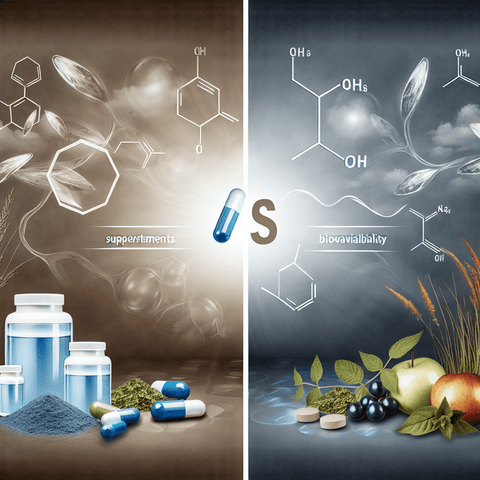
The discussion on synthetic vs natural supplements centers on their differences in sourcing, safety, and effectiveness. Synthetic supplements are chemically manufactured compounds, such as synthetic vitamin C (ascorbic acid), while natural supplements come from whole foods and plants, preserving their complex nutrient profiles. Each type of supplement offers distinct benefits depending on individual health needs.

Importance of Quality and Evidence

Manufacturing methods, ingredient sourcing, and product transparency directly affect the quality and efficacy of supplements. For instance, vitamin D is known for its essential role in bone health, and quality matters when selecting a product to ensure proper absorption. Consumers should be vigilant about label details and the presence of third-party testing to guarantee safety.

Understanding Individual Needs

Individual variability plays a crucial role in supplement efficacy. Genetic makeup and lifestyle factors can influence nutrient absorption and effectiveness. Recognizing symptoms of deficiencies, like fatigue or cognitive fog, is essential in considering supplementation. However, symptoms alone do not provide the complete picture; consulting healthcare professionals is advisable for tailored recommendations.

Key Takeaway

Evaluating synthetic vs natural supplements through informed decision-making enhances personal health journeys. Utilizing reliable sources and prioritizing quality can lead to better health outcomes. For more insights, explore multivitamins and magnesium options at Topvitamine.


Plant-Based vs Synthetic Vitamins: What's the Difference? | Topvitamine - Topvitamine
Sep 13, 2025
Plant-Based vs Synthetic Vitamins: What’s the Difference? Vitamins play a crucial role in maintaining good...
How to Choose Between Synthetic and Natural Supplements: A Guide to Making Informed Decisions - Topvitamine
Aug 24, 2025
Discover how to make informed choices between synthetic and natural supplements with our comprehensive guide. Learn the benefits, risks, and key factors to consider for your health.

Introduction: synthetic vs natural supplements

The debate surrounding synthetic vs natural supplements has gained considerable attention as more individuals seek ways to enhance their health and well-being. In this article, we will provide a balanced, evidence-informed perspective on the differences between synthetic and natural supplements. Readers will learn about key factors to consider, such as ingredient sources, safety profiles, and effectiveness, as well as how to shop thoughtfully for nutritional supplements on Topvitamine.com.

Core explanation: definitions and distinctions

What counts as synthetic vs natural in supplements

Synthetic supplements are those created through chemical processes in laboratories, often designed to mimic natural compounds. Common examples include vitamins produced through chemical synthesis, such as ascorbic acid (vitamin C). In contrast, natural supplements are derived from whole food sources or botanical plants. This category includes plant-based supplements, like whole-food vitamin complexes and standardized extracts, which retain the more intricate profiles of nutrients inherent in nature. “Nature-identical” compounds, such as those replicated via biotechnology, fall somewhere in between, as they are chemically identical to those found in natural sources.

Common forms and delivery methods

Nutritional supplements come in various forms and delivery methods, including capsules, tablets, powders, liquids, and gummies. Each form has unique absorption characteristics and usability. For instance, liquid supplements may be absorbed more quickly than tablets, while powders can be easily mixed into foods. Additionally, the choice of delivery method can be influenced by personal preferences or specific health needs, potentially affecting adherence to supplementation regimens.

Manufacturing, sourcing, and quality implications

The method of production directly impacts the quality, stability, and bioavailability of supplements. Synthetic supplements often have lower production costs and longer shelf lives due to more controlled manufacturing processes. However, natural supplements may provide complex nutrient profiles with synergistic effects that synthesized versions lack. Consumers must consider sourcing practices and ingredient transparency, as these factors play critical roles in determining the overall quality and effectiveness of the supplements they choose.

Why this topic matters

Health outcomes and consumer trust

Understanding the differences between synthetic vs natural supplements is essential as formulation and source can significantly impact effectiveness, safety, and tolerability. Research often demonstrates varied health outcomes based on the type of supplement consumed, influencing consumer trust in these products. Choosing high-quality supplements that align with individual health needs fosters confidence in one's health journey.

Regulation, labeling, and quality concerns

The supplement industry is less regulated than pharmaceuticals, which can lead to variability in product quality. Consumers should familiarize themselves with label information, including ingredient lists, dosages, and expiration dates. Additionally, third-party testing and certifications provide quality assurance, further enhancing trust in the chosen products.

Cost, accessibility, and sustainability considerations

Cost is an important factor when deciding between synthetic and natural supplements. Generally, synthetic options may be more affordable, but this could come at the cost of efficacy or quality. Sustainability also plays a role, as consumers increasingly seek eco-friendly products. Balancing affordability, availability, and environmental impact is crucial when selecting a supplement regimen.

Related symptoms, signals, or health implications

Symptom clusters that might prompt supplement consideration

Common symptoms that may lead individuals to consider supplementation include fatigue, immune susceptibility, cognitive fog, muscle cramps, skin changes, and digestive discomfort. Recognizing these symptoms can be an important step toward improving overall wellness through nutritional support.

Indicators of possible nutrient gaps

Specific signs may indicate nutrient deficiencies. For instance, fatigue, weakness, and pale skin may signify iron deficiency, while increased illness frequency could hint at low vitamin D or zinc levels. Understanding these signals can help individuals plan appropriate supplement strategies tailored to their needs.

When symptoms may reflect non-nutrient causes

It's critical to acknowledge that not all health issues stem from nutrient deficiencies. Various medical conditions or lifestyle factors may lead to similar symptoms. Seeking professional evaluation is essential to determine the root causes and appropriate interventions.

Individual variability and uncertainty

Genetic, metabolic, and microbiome factors

Individual responses to nutritional supplements can vary widely due to genetic makeup, metabolic rates, and microbiome composition. These factors dictate how effectively nutrients are absorbed, utilized, and excreted, showcasing the importance of personalized supplementation.

Diet, medications, and lifestyle interactions

Dietary patterns, concurrent medications, and lifestyle choices can greatly influence how supplements work within the body. For instance, certain medications may interact negatively with nutritional supplements, affecting efficacy and safety. It's essential to consider these interactions when selecting supplements.

Evidence variability across populations

Research findings may not be universally applicable to all individuals, as responses to certain nutrients can differ based on population demographics. Personalized interpretation of study results is crucial in making informed decisions about supplementation.

Why symptoms alone do not reveal root cause

Distinguishing symptom relief from root-cause treatment

While supplements may alleviate symptoms, they do not necessarily address underlying health issues. This distinction emphasizes the importance of root-cause analysis when planning supplementation, ensuring a more comprehensive approach to health.

Role of clinical assessment and labs

Consulting with healthcare professionals and undertaking appropriate laboratory tests can provide valuable insights into an individual's nutrient status and specific health needs, guiding a more accurate supplementation strategy.

Risks of self-diagnosis and over-supplementation

Self-diagnosis can lead to inappropriate supplement choices and over-supplementation risks, including potential nutrient interactions and adverse effects. Engaging with healthcare professionals for personalized guidance can mitigate these risks and foster responsible use.

The role of nutritional supplements in this topic

Supplements as supportive tools, not cures

Nutritional supplements should be viewed as supportive tools that complement a healthy diet rather than replacements for medical treatments. They can play a role in achieving health goals but are not stand-alone solutions.

Evidence landscape: where it’s strong vs weak

Research has demonstrated robust support for certain nutrients, such as vitamin D for bone health in deficient populations, as well as mixed results for others. Staying informed about the current evidence base regarding nutritional supplements is essential for making responsible choices.

When the form matters (bioavailability, stability, tolerability)

The form of a supplement can significantly impact its absorption and effectiveness. Studies suggest that some nutrients are better utilized in their natural forms, while others can be equally effective in synthetic forms. Understanding these nuances aids in selecting the right products.

How nutritional supplements could support different needs

Practical usage scenarios

Certain populations, such as aging adults, vegetarians or vegans, athletes, and individuals with limited sun exposure, may benefit from specific nutritional supplements to address dietary gaps. Tailoring supplementation to these unique needs can enhance overall health outcomes.

Aligning with diet and lifestyle

Integrating supplements into daily routines requires careful timing and adherence strategies. Coordinating supplementation with meals or specific times of the day can enhance effectiveness, ensuring individuals receive maximum benefits.

Monitoring effects and adjusting dose

Regular self-checks and observations about how one feels can help determine the effectiveness of a specific supplement. A willingness to adjust dosages accordingly, along with professional guidance, ensures a responsive and personalized approach to supplementation.

Decision-support: when nutritional supplements make sense

A concise decision framework

Before choosing to supplement, ask yourself essential questions about your symptoms, diet quality, lab results, safety, cost, and strength of evidence. This framework can simplify the decision-making process.

Step-by-step plan to start, reassess, or discontinue

Implement a clear plan: start with low-risk, evidence-backed options; set a trial period for evaluation; track any changes in well-being; and re-evaluate the necessity of supplementation. This structured approach helps maintain accountability and insight into personal health.

Special populations and caution

Certain groups, including pregnant or lactating individuals, those with chronic conditions, or the elderly, should exercise caution when considering nutritional supplements. Consulting with healthcare providers is particularly crucial in these situations to mitigate any risks.

Safe shopping and quality considerations to inform Topvitamine decisions

Evaluating product quality and transparency

Prioritize quality and transparency by closely examining product labels, including ingredient lists, certifications, and dosage clarity. Seek products that are tested for authenticity and potency, as this information enhances trust in supplement choices.

Evidence-friendly product selection

Differentiate high-quality supplements from those that make exaggerated claims by prioritizing products with a strong evidence base. Recognizing certifications and industry standards can also provide clarity in selecting what’s best for you.

Interactions, safety, and responsible use

Be mindful of potential interactions between supplements and medications. Consulting with a healthcare professional before starting any new supplement regimen ensures responsible use and guards against adverse effects.

Concluding: connecting the topic to buying nutritional supplements on Topvitamine.com

How this framework informs shopping on Topvitamine

The insights provided in this article can serve as a helpful framework for making informed decisions while shopping for nutritional supplements on Topvitamine.com, focusing on quality and evidence-based options.

How to evaluate Topvitamine product pages

When browsing product pages, look for detailed ingredient lists, appropriate dosages per serving, third-party certifications, and user reviews. These elements will help ensure that the supplements purchased align with the insights gained from this discussion.

Next steps: turning insight into action

Encourage readers to take stock of their nutritional needs using the decision-making framework outlined above and explore the range of options available on Topvitamine.com to effectively fill any nutrient gaps identified.

Key Takeaways

  • Understanding synthetic vs natural supplements can inform health choices.
  • Manufacturing sources and ingredient transparency impact quality and efficacy.
  • Individual responses to supplements vary due to genetics, diet, and lifestyle.
  • Symptoms alone do not reveal the root cause and may require professional evaluation.
  • High-quality supplements should complement a balanced diet, not replace it.
  • Choosing products with strong evidence bases and testing certifications enhances safety and effectiveness.
  • Monitoring effects and adjusting dosages is crucial for personalized supplementation.
  • Special populations should exercise caution and consult healthcare professionals before starting any new supplements.
  • Using a structured decision-making framework can simplify supplement choices.
  • Topvitamine provides a platform for discovering evidence-backed nutritional supplements.

Q&A Section

1. What are the main differences between synthetic and natural supplements?

Synthetic supplements are manufactured artificially while natural supplements are derived from food sources or plants. Each type has distinct benefits and may cater to individual preferences or health needs.

2. Are synthetic supplements less effective than natural ones?

Effectiveness can depend on the specific nutrient, dosage, and individual response. Some studies suggest that natural forms may have better bioavailability, while others indicate that certain synthetic forms are just as effective.

3. Can I obtain all necessary nutrients from food, eliminating the need for supplements?

Many people can meet their nutritional needs through a balanced diet high in whole foods. However, certain populations may require additional supplements to address dietary gaps or specific health conditions.

4. How do I know if I need supplements?

Consider factors such as symptoms of nutrient deficiencies, dietary patterns, lab results, and the advice of healthcare professionals. This information can help identify whether you would benefit from supplementation.

5. Are there risks associated with taking supplements?

Yes, potential risks may include interactions with medications, over-supplementation, or adverse effects. Consulting a healthcare professional can help manage these risks effectively.

6. Do all supplements require third-party testing?

While not mandatory, third-party testing offers assurance regarding a product's quality and purity. Look for certifications to ensure you're choosing reliable supplements.

7. How long should I take a supplement before expecting results?

The timeframe for experiencing results varies by individual, type of supplement, and health goal. It's advisable to set a trial period of several weeks and regularly assess effectiveness.

8. What should I consider when choosing a supplement brand?

Assess the brand's reputation, product transparency, third-party testing, and adherence to safety and quality standards. Customer reviews can also provide insight into product effectiveness.

9. Are there dietary restrictions that influence supplement needs?

Yes, vegetarians, vegans, and individuals with food allergies or intolerances may have specific nutritional needs that can be addressed through carefully chosen supplements.

10. Can I take multiple supplements at once?

Taking multiple supplements may be safe but requires caution. It's essential to consult a healthcare professional to avoid potential interactions and ensure proper dosage.

11. Are there any natural supplements that are universally beneficial?

Some supplements—like vitamin D, omega-3, and magnesium—have strong evidence supporting their efficacy for certain populations, but individual needs may vary based on dietary patterns and health status.

12. What is bioavailability, and why does it matter?

Bioavailability refers to the proportion of a nutrient that is absorbed and utilized by the body. Supplements with higher bioavailability are generally more effective, making this an essential consideration when choosing products.

Keywords

  • synthetic vs natural supplements
  • nutrients
  • bioavailability
  • health outcomes
  • nutrient gaps
  • diet
  • individual variability
  • supplement safety
  • quality assessments
  • nutritional support