
Third-party lab verified supplements form the backbone of our commitment to transparency. Each product line is tested by independent laboratories to confirm identity, composition, and adherence to our specifications. By partnering with impartial labs, we reduce reliance on internal testing alone and provide an external check on every batch. This approach supports the purity you can trust and adds a clear layer of verification before a product reaches you. Our goal is to make the sourcing and testing process clear from the moment you browse. What this means in practice is that independent labs perform tests such as ingredient identity verification, batch-level checks, and contaminant screening. Tests may cover impurities, residual solvents, and other metrics we deem relevant for quality control. The testing follows documented methods and is conducted under standardized conditions. Each result is captured in a certificate of analysis that accompanies the product or is accessible online for your review. View full lab results and verify every batch. Each batch is assigned a lot or batch number for traceability. To view results, locate the COA for that batch via the product page or scan a QR code on the packaging. The COA lists the tested parameters, methods, acceptance criteria, and the laboratory that performed the analysis. You can compare successive batches and verify consistency across orders to shop with confidence. Shop with confidence today through our transparent verification framework. This system of third-party validation creates an ongoing record of accountability and traceability for every product. Our platform makes lab results easy to access and search, with historical results preserved for reference. If you have questions, our support team can help interpret the COA or explain the testing scope to ensure you have the information you need.
Third-Party Lab Verified Supplements: Purity You Can Trust — View Lab Results
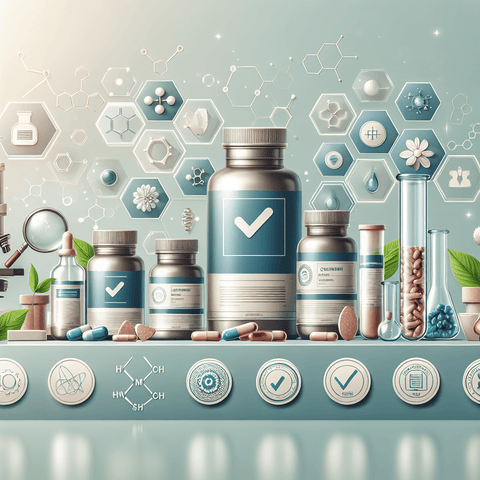
What Does Third-Party Testing for Supplements Mean?Third-party testing for supplements refers to independent verification by an unaffiliated organization to confirm purity, potency, and label accuracy. Unlike relying on manufacturer claims, this process involves objective evaluation by a separate laboratory or certification body. The goal is to ensure a supplement contains what its label states and is free from harmful contaminants like heavy metals, microbes, or undeclared ingredients. Since dietary supplements do not require FDA pre-approval, third-party testing adds a critical layer of trust and reliability for consumers.How to Verify a Supplement's CertificationTo verify a supplement's certification, start by looking for seals from recognized programs like NSF Certified for Sport, USP Verified, or Informed Choice on the product label or brand website. Confirm the seal is current by checking the certifier's online database, as certifications can expire or be revoked. Request or download a batch-specific Certificate of Analysis (COA) from the brand, ensuring it is dated and includes results for contaminants and potency. Also verify that testing was performed by an ISO/IEC 17025 accredited laboratory, which ensures adherence to international testing standards.Understanding Certification Seals and Their LimitationsCertification seals are valuable but have limitations. They confirm a product passed specific tests at a given time, not that the seal covers all products from a brand or is permanent. Certifications can be withdrawn, so always verify that the specific product you are buying has a current certification. Look for batch-specific testing, which is more reliable than facility-wide approval. Additionally, the FDA does not certify supplements; it regulates them post-market. Third-party certifications help fill this gap by providing independent verification of quality and safety.