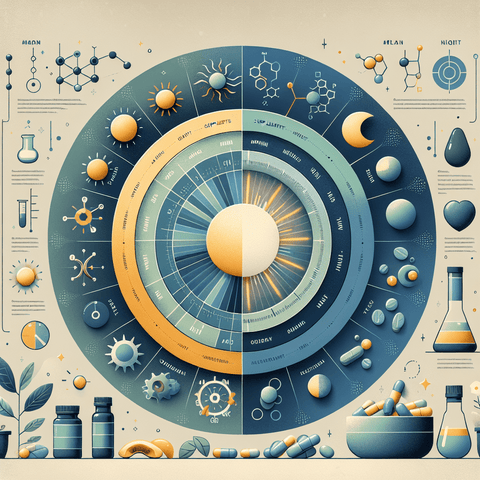
Nutrient timing is the strategic planning of when to consume nutrients to optimize energy, performance, and recovery. This concept is central to sports nutrition but also has practical applications for anyone looking to manage daily energy levels and support overall health. This guide provides a broad overview of nutrient timing, exploring its core principles, the roles of different macronutrients, and how to approach it in a way that fits your individual lifestyle and goals.
What Is Nutrient Timing?
At its core, nutrient timing involves being deliberate about when you eat, not just what you eat. The goal is to align nutrient intake with periods when the body can use it most effectively, such as before, during, and after exercise. This practice focuses on the timing of macronutrients—proteins, carbohydrates, and fats—to influence outcomes like muscle protein synthesis, glycogen replenishment, and energy availability.
The science behind nutrient timing is often discussed in the context of the 'anabolic window,' a period after exercise when the body is thought to be particularly receptive to nutrients for muscle repair and growth. While the exact duration of this window is debated, the principle of providing the body with the right building blocks around training remains a cornerstone of performance nutrition.
Why Timing Matters for Energy and Performance
The timing of nutrient intake can significantly influence both physical and cognitive performance. For athletes and active individuals, strategic timing can mean the difference between a strong workout and a subpar one, and between efficient recovery and prolonged soreness.
Impact on Physical Performance and Recovery
Properly timed nutrition supports the body's ability to perform and recover. Consuming carbohydrates before and during prolonged exercise can provide a readily available energy source, while protein intake after a workout provides the amino acids necessary for muscle protein synthesis and repair. This can lead to better training adaptations, reduced muscle soreness, and improved performance over time.
Effects on Cognitive Function and Daily Energy
Nutrient timing is not only for athletes. The timing of meals can influence focus, mood, and energy levels throughout the day. For example, a meal that is too heavy or poorly timed can lead to a mid-day energy slump, while a balanced meal can help sustain mental clarity and productivity. Aligning food intake with your daily activities can help maintain stable energy and cognitive performance.
Key Macronutrient Timing Strategies
Each macronutrient has a unique role in the body, and its timing can be adjusted to support specific goals. Here is a high-level look at the primary strategies for protein, carbohydrates, and fats.
Protein Timing and Muscle Protein Synthesis
Protein timing is often focused on the post-exercise period. Consuming a source of high-quality protein, such as whey, casein, or a complete meal, shortly after a workout is a common strategy to maximize muscle protein synthesis. However, total daily protein intake and distributing it evenly across meals are also critical factors for muscle growth and maintenance. For most people, aiming for a consistent intake of protein at each meal is more important than a single 'magic window'.
Carbohydrate Timing for Glycogen Replenishment
Carbohydrates are the body's primary fuel source for high-intensity and endurance exercise. Timing carbohydrate intake around workouts helps ensure that glycogen stores are adequately filled before training and replenished afterward. This is particularly important for athletes who train multiple times a day or have back-to-back events. For the general population, focusing on consuming complex carbohydrates at meals to provide sustained energy is a practical approach.
Fat Timing and Satiety
Fats are essential for overall health, hormone production, and providing a source of long-lasting energy. While fat timing is less critical than protein or carbohydrate timing, it can influence digestion and satiety. Consuming large amounts of fat immediately before a workout may slow digestion and cause discomfort. Instead, it is often recommended to consume fats in meals that are further away from your training session.
Chrononutrition and Circadian Rhythms
Chrononutrition is an emerging field that studies the relationship between our internal body clock (circadian rhythm) and nutrient metabolism. Our bodies are not static; they follow a 24-hour cycle that influences hormone levels, digestion, and energy expenditure. For example, insulin sensitivity is often higher in the morning, meaning the body may process carbohydrates more efficiently earlier in the day.
Practical implications of chrononutrition include trying to eat larger meals earlier in the day when metabolism is more active and avoiding heavy meals late at night, which can disrupt sleep and digestion. Aligning your eating patterns with your natural circadian rhythm can support better energy regulation and metabolic health.
Individual Variability and Personalization
There is no one-size-fits-all approach to nutrient timing. Individual responses are influenced by a variety of factors, including age, sex, training status, genetics, and personal chronotype (whether you are a 'morning person' or a 'night owl'). Your work schedule, sleep patterns, and lifestyle also play a significant role in determining what timing strategy is most practical and effective for you.
Given this variability, it is important to view nutrient timing as a framework to experiment with rather than a strict set of rules. A structured trial, where you adjust one variable at a time and track your energy, performance, and recovery, can be more valuable than following generic advice. This personalized approach helps you identify what works best for your unique body and routine.
Common Myths and Misconceptions
Several myths surround nutrient timing, particularly the idea of a very short 'anabolic window' that must be hit immediately after a workout or all gains will be lost. While post-exercise nutrition is important, research suggests that total daily nutrient intake is more critical than the exact timing of a single meal. Another common misconception is that you must consume protein every two hours to build muscle, which is not supported by evidence.
It is also a myth that nutrient timing is only for elite athletes. While the performance benefits are most pronounced in those with high training volumes, anyone can benefit from being more mindful of when they eat to support energy levels and recovery. The key is to focus on a balanced diet and use timing as a tool to support your overall goals, not as a source of stress.
The Role of Supplements in Nutrient Timing
Nutritional supplements can be a convenient way to support your nutrient timing goals, especially when whole food options are not practical, such as immediately before or after a workout. They can help ensure you are getting the right nutrients at the right time to support performance and recovery.
Common Supplements for Timing Strategies
- Protein Powders: A convenient source of protein for post-workout recovery or as a meal supplement. Look for products that provide a complete amino acid profile.
- Carbohydrate Gels and Drinks: Useful for providing quick energy during prolonged endurance exercise or for replenishing glycogen stores afterward.
- Caffeine: Often consumed before a workout to enhance focus and perceived energy. Timing caffeine 30-60 minutes before exercise is a common strategy.
- Creatine: While typically taken daily, some people prefer to time it around their workouts. It is more about consistent daily intake than a specific pre- or post-workout window.
- Electrolyte Drinks: Important for rehydration and maintaining fluid balance during and after intense exercise, especially in hot conditions.
Integrating Supplements with Whole Foods
Supplements are designed to complement, not replace, a nutrient-dense diet. They can be a practical tool for filling gaps, but they should not be the foundation of your nutrition plan. When considering supplements, it is important to prioritize quality. Look for products that are third-party tested, have clear labeling, and contain appropriate dosages. If you are considering adding supplements to your routine, exploring categories like sports supplements or amino acid supplements can provide a starting point for understanding what is available.
Practical Guidelines for Different Goals
Your nutrient timing strategy will vary depending on your primary goal. Here are some high-level considerations for common objectives.
For Muscle Gain and Strength
The primary focus for muscle gain is ensuring a consistent surplus of calories and protein throughout the day. Timing protein intake around your workout, with a serving both before and after training, can help maximize muscle protein synthesis. Consuming a source of carbohydrates post-workout can also help replenish glycogen and create an anabolic environment.
For Fat Loss and Body Composition
For fat loss, the overall daily calorie deficit is the most important factor. Nutrient timing can help manage hunger and preserve muscle mass. Consuming protein at each meal can promote satiety, and timing carbohydrates around your workouts can help fuel performance without contributing to fat storage. Some people find that a strategy like time-restricted eating helps them adhere to a calorie deficit.
For Endurance Performance
Endurance athletes have unique needs. A meal rich in carbohydrates 3-4 hours before a long event can help top off glycogen stores. Consuming carbohydrates during exercise lasting longer than 60-90 minutes can provide a steady source of energy. Post-exercise, a combination of protein and carbohydrates is important for recovery and glycogen replenishment.
Signs Your Nutrient Timing May Need Adjustment
How do you know if your current approach to nutrient timing is working? Several signs may indicate that your timing is not aligned with your body's needs.
- Persistent fatigue or a mid-day energy slump.
- Slow recovery between workouts or prolonged muscle soreness.
- Gastrointestinal discomfort around meal times or during exercise.
- Difficulty concentrating or maintaining focus during work or training.
- Feeling excessively hungry or craving sugary foods shortly after meals.
These signs can also be related to other factors like inadequate sleep, poor hydration, or high stress levels. It is important to consider the broader context of your lifestyle before making changes to your nutrition plan.
Key Takeaways and Next Steps
Nutrient timing is a valuable tool for anyone looking to optimize their energy, performance, and recovery. It is not about perfection but about making strategic choices that support your lifestyle and goals. The most effective approach is one that is consistent, personalized, and built on a foundation of a balanced, nutrient-dense diet.
- Focus on total daily protein and carbohydrate intake as the foundation.
- Use timing around workouts to fine-tune performance and recovery.
- Consider your individual circadian rhythm and daily schedule.
- Experiment with a structured trial to find what works best for you.
- Use supplements as a convenient support, not a replacement for whole foods.
If you are considering supplements to support your nutrient timing strategy, it is important to choose high-quality products. On Topvitamine, you can explore a range of options, including multivitamins to help cover foundational nutrient gaps, or magnesium for its role in muscle and energy function. Always read labels carefully and consider consulting with a healthcare professional to determine what is appropriate for your individual needs.
Frequently Asked Questions
What is the 3-3-3 rule for nutrition?
The '3-3-3 rule' is a general guideline that suggests eating a meal within 3 hours of waking up, consuming your last large meal 3 hours before bed, and allowing 3 hours between meals. It is a simple framework to promote regular eating patterns and avoid late-night overeating, but it is not a scientifically defined rule.
What is the 4 4 9 rule of nutrition?
The '4-4-9 rule' refers to the number of calories per gram provided by the three macronutrients: carbohydrates and protein each provide 4 calories per gram, while fat provides 9 calories per gram. This is a fundamental concept for understanding energy balance and calculating the caloric content of foods.
What is the 4-2-1 rule for athletes?
The '4-2-1 rule' is a simple guideline for endurance athletes to estimate fluid needs during exercise. It suggests consuming 4 ounces of fluid every 15 minutes, 2 ounces of a carbohydrate-electrolyte solution for every 30 minutes of exercise, and 1 ounce of water for every 15 minutes of exercise. This is a general starting point, and individual needs vary based on sweat rate and environmental conditions.