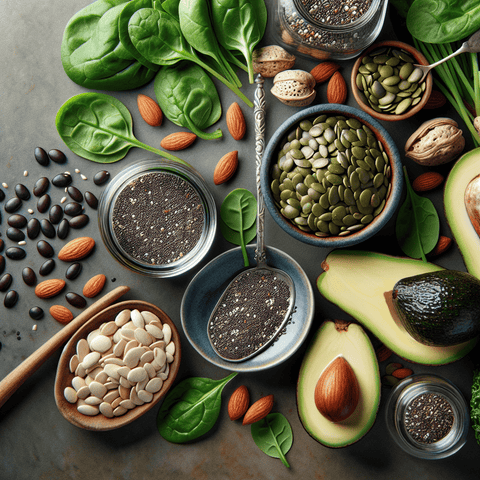
Magnesium is an essential mineral that plays a role in many everyday processes in the body, including normal muscle and nerve function. Where to find magnesium in food is one of the most common starting points for anyone interested in a balanced, varied diet. This tag page provides a broad overview of the topic of top magnesium sources: which foods are commonly rich in magnesium, how they fit into daily meals, and what else is worth knowing when you want to understand magnesium intake through food.
Use this page as a map of the subject. It outlines the main magnesium-rich food groups, shares practical ideas for breakfast, lunch, dinner and snacks, explains factors that can influence how much magnesium a diet delivers, and answers a few frequently asked questions. More specific topics — such as detailed food comparisons or questions about individual nutrients — are covered in the dedicated articles gathered under this tag.
Why Magnesium-Rich Foods Matter
Magnesium is often discussed in connection with energy, muscle function and bone health, and it contributes to several normal functions in the body, including energy-yielding metabolism, normal muscle function and the maintenance of normal bones. For most people, a varied and balanced diet is considered the primary way to obtain magnesium. Because individual foods deliver different amounts, combining several magnesium-rich foods across the day is generally more practical than relying on any single ingredient.
The Main Magnesium-Rich Food Groups
Lists of top magnesium sources tend to draw from a small number of food groups. Knowing these groups makes it easier to build variety into your meals without needing to memorise individual nutrient values.
- Nuts and seeds — almonds, cashews, peanuts and brazil nuts, together with pumpkin seeds, chia seeds and other seeds, are among the foods most often cited as rich in magnesium.
- Leafy greens — spinach and other green leafy vegetables are classic plant-based sources and are easy to add to many dishes.
- Legumes — black beans, kidney beans, chickpeas, lentils and edamame provide magnesium alongside plant protein and fibre.
- Whole grains — oats, quinoa, brown rice and other whole grains retain more magnesium than their refined counterparts.
- Other commonly mentioned foods — dark chocolate, avocado, bananas, tofu, yoghurt and certain types of fish also appear regularly on lists of magnesium-containing foods.
No single food covers the whole picture. Each group contributes magnesium in different amounts and in different meal contexts, which is why variety is the recurring theme in practical guidance on this topic.
How to Add Magnesium-Rich Foods to Your Day
Small substitutions and easy additions are usually enough to bring more magnesium-rich foods into an everyday routine. Practical examples include:
- Top oatmeal, porridge or yoghurt with sliced almonds, pumpkin seeds or chia seeds.
- Blend a handful of spinach into smoothies, or add leafy greens to wraps, omelettes and pasta dishes.
- Sprinkle seeds over salads, soups and whole-grain bowls.
- Swap refined grains for oats, quinoa or brown rice in bowls, sides and baking.
- Fold beans or lentils into soups, stews, burritos and salads.
- Keep simple snacks to hand, such as a banana, a small portion of nuts or a square of dark chocolate.
If you like building meals around nutrient-dense ingredients in general, our superfoods guide takes a broader look at foods that are valued for their nutrient content.
What Can Affect Magnesium from Food
Even with magnesium-rich foods on the plate, several factors can influence how much magnesium a diet ultimately delivers. Processing and refining can reduce the magnesium content of grains, which is one reason whole-grain versions are often highlighted. Preparation methods can play a role too: boiling vegetables for a long time, for example, may transfer some minerals into the cooking water, while shorter cooking or steaming can help retain more of the original content. Individual needs also differ, and they vary with factors such as age, sex, life stage and level of physical activity.
Some medications and health conditions can also affect magnesium levels in the body. Anyone who suspects their magnesium intake or status may be affected for medical reasons should discuss this with a doctor or pharmacist rather than self-diagnosing.
Magnesium-Rich Foods and Supplements
Food is generally the first place to look for magnesium, but magnesium supplements are also widely used and come in many forms, strengths and combinations. A supplement is not a replacement for a varied diet. For those who want to explore the options, our magnesium supplements collection offers a convenient overview of available products.
Because magnesium sits within a wider network of minerals, some readers also explore our mineral supplements range, which brings several minerals together in one place. As with any supplement, it is sensible to read the product information carefully and to consult a qualified professional if you take medication, are pregnant or breastfeeding, or have an underlying health condition.
Common Questions About Magnesium-Rich Foods
What foods are rich in magnesium?
The foods most often cited as rich in magnesium include nuts and seeds, especially almonds, cashews and pumpkin seeds, leafy greens such as spinach, legumes like black beans and lentils, and whole grains such as oats and quinoa. Because amounts vary from food to food, eating a varied mix of these groups across the day is the approach most commonly suggested in general nutrition guidance.
What depletes magnesium the most?
There is no single answer that applies to everyone. On the food side, processing and refining reduce the magnesium that products contain, and prolonged boiling may lower the mineral content of vegetables. On the body side, increased losses, for example through sweat, certain medications and some health conditions, are among the factors often mentioned in connection with magnesium levels. If you have a specific concern about your magnesium status, a healthcare professional is the right person to assess it.
Is 1 banana a day enough magnesium?
A banana does contain magnesium, so eating one a day contributes to your intake. However, a single banana on its own would not typically cover the amount of magnesium most adults are generally advised to obtain each day. Bananas are best seen as one convenient part of a broader picture that also includes nuts, seeds, greens, legumes and whole grains.
What do you crave if your magnesium is low?
Chocolate is the food most often mentioned in this context, partly because dark chocolate is itself a source of magnesium. However, cravings can have many different causes, and craving chocolate is not considered a reliable sign of low magnesium on its own. If you regularly experience strong cravings and are worried about your nutrient intake, it is best to discuss this with a healthcare professional.
Exploring Magnesium Sources Further
The articles associated with this tag go deeper into specific magnesium-rich foods, practical questions and comparisons, so you can move from this broad overview into the detail that interests you most. Together, this page and the topics it introduces offer a structured starting point for understanding magnesium through both food and supplements.