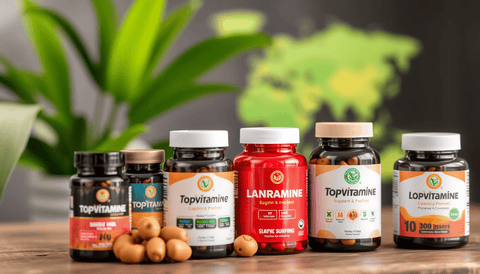
In today's health-conscious world, discerning consumers are seeking out quality and reliability among the many options in the supplement market. This guide provides a definitive overview of Europe's top natural supplement brands, exploring what makes a brand stand out in terms of quality, safety, and trust. You'll learn about key signals to look for when evaluating brands, the importance of responsible practices, and how to navigate the European supplementation landscape with confidence. By aligning this information with your purchasing decisions on Topvitamine, you can make informed choices in your health journey.
What Makes a Supplement Brand “Top” in Europe?
Defining Quality and Trust
A “top” brand in the European context is recognized for its commitment to quality, safety, efficacy, and transparency. With stringent regulations and a health-conscious consumer base, leading brands maintain high standards in the sourcing and production of their products to ensure they deliver genuine health benefits without compromising safety.
Key Quality Signals to Look For
- Third-party testing and certifications: Look for brands that are GMP compliant, ISO certified, and can provide third-party test results that validate their product claims.
- Ingredient sourcing transparency: Reputable brands disclose their ingredient sources and emphasize clean labeling, ensuring that consumers know what they are putting into their bodies.
- Form and dose choices: Effective supplements utilize standardized extracts and clinically relevant dosages, aligned with current scientific research.
Understanding European Regulatory Frameworks
The European Union has established comprehensive regulations regarding dietary supplements, focusing on consumer safety and product efficacy. These regulations cover the labeling of vitamins and minerals, health claims, and allergen labeling, holding brands responsible for adherence to these standards. While these rules don't guarantee a product's effectiveness, they provide a strong baseline for safety and trust.
Brand Practices That Build Consumer Trust
- Clear product information: Trustworthy brands provide detailed information about each product, including ingredient origins and formulation processes.
- Honest marketing: Avoiding exaggerated claims and presenting accurate product capabilities is essential for fostering consumer confidence.
- Support and experience: Providing responsive customer support and responsibly reporting adverse events signals a commitment to consumer welfare.
Why Choosing the Right Brand Matters
Health Outcomes and Consumer Safety
The integrity of natural supplements directly impacts health outcomes, with quality control playing a critical role in ensuring that consumers receive the nutrient benefits they expect. Mislabeled or adulterated products can lead to adverse effects, emphasizing the importance of informed choices when selecting supplements.
Building Consumer Trust in a Crowded Market
As the market becomes increasingly crowded with various brands and products, understanding brand signals becomes crucial. Transparency in sourcing, testing, and marketing reflects a brand's commitment to quality and can significantly influence long-term health outcomes for consumers.
How to Evaluate and Compare Trusted Supplement Brands
Brand-Level Checks
- Research the brand's history, reputation, and longevity in the European market.
- Look for certifications beyond labeling, including third-party testing and transparency in ingredient sourcing.
Product-Level Checks
- Evaluate ingredient sourcing, purity, bioavailability, and specified dosing on the product label.
- Review complete ingredient lists, allergen information, and the absence of unnecessary fillers.
Exploring Supplement Categories
When evaluating brands, it's useful to consider which types of supplements are most relevant to your health needs. Brands often specialize in certain areas, such as vitamins, minerals, or herbal supplements. Exploring different categories can help you identify experts and compare their offerings. You might find our multivitamins guide or our natural supplements collection useful starting points.
Safety, Stability, and Guarantees
- Check expiration dates and proper storage conditions on the packaging to ensure product stability.
- Review return policies and customer satisfaction guarantees for added assurance.
Important Considerations in Supplement Use
Individual Variability and Uncertainty
Individual responses to nutritional supplements can differ widely due to factors such as age, sex, genetics, and baseline nutrient status. Each person's unique biology plays a critical role in how effectively they absorb and utilize these nutrients. While supplements can play a beneficial role in filling dietary gaps, they should not replace a balanced diet or be seen as a solution to complex health issues.
It is important to recognize that symptoms may not always point to a deficiency. A comprehensive dietary assessment and, if necessary, professional nutritional testing can help identify nutrient gaps versus other underlying health issues. When symptoms persist despite supplementation, individuals may need to explore comprehensive diagnostics to uncover the root cause.
Safety Considerations
Being aware of megadosing risks and potential interactions with medications is crucial for safe supplementation. Adherence to recommended dosages and consulting healthcare providers enhances safety. Supplements should complement a broader health strategy instead of serving as a sole solution. A holistic approach that combines dietary quality, lifestyle choices, and targeted supplementation can optimize health.
Topvitamine: Your Resource for Trusted Brands
How Topvitamine Helps You Act on These Insights
Topvitamine serves as a resource for consumers by offering curated lists of trusted European brands, comprehensive category pages, and expert buying guides that facilitate informed decisions. You can utilize filters to stream-line product comparisons and engage with internal links to product pages and educational content to enhance your buying experience. For example, you can explore our vitamin D guide to understand its role in immune support.
Responsible Next Steps
For optimal results, it’s important to consult with healthcare professionals when needed. Start with appropriate doses and be attentive to your body’s responses to supplements. Explore Topvitamine’s relevant categories and product pages to take the next step in your health journey while ensuring that your choices are both informed and beneficial.
Key Takeaways
- Choosing top natural supplement brands in Europe requires careful evaluation of quality, safety, and transparency.
- Understand the importance of regulatory frameworks and brand practices that bolster consumer trust.
- Recognize the individual variability in responses to supplements and the need for personalized approaches.
- Observe that symptoms can derive from multiple causes, necessitating a holistic view of health.
- Supplementation should enhance a well-rounded health strategy, not serve as a singular solution.
- Topvitamine assists consumers in making informed decisions by providing trustworthy resources and brand comparisons.
Frequently Asked Questions
Are supplements regulated in Europe?
Yes, in Europe, dietary supplements must adhere to regulations from the European Food Safety Authority (EFSA), which governs labeling, health claims, and safety standards. This provides a baseline for quality and consumer protection.
What is the best online supplement store in Europe?
While the “best” store depends on individual needs, Topvitamine is a strong resource for comparing trusted European brands. It curates products based on quality signals like third-party testing and offers category guides to help you compare options.
What are some popular supplement brands in Europe?
Popular brands are often recognized for their transparency, quality certifications, and adherence to EU regulations. While Topvitamine carries several such brands, the most suitable choice depends on your specific health goals. We recommend exploring categories like Healthy Origins supplements or Nature's Plus supplements to see examples of brands that meet high standards.
How can I tell if a supplement is of high quality?
High-quality supplements are often third-party tested, comply with good manufacturing practices, and provide detailed information regarding their sourcing and ingredient integrity. Look for these signals on the product label and the brand's website.
What is more important: diet or supplements?
A balanced diet should be the primary source of nutrients. Supplements are most effective when used to address specific gaps or increased needs, but they are not a substitute for a healthy diet.