
Discover the top plant omega-3 foods—flaxseed, chia, walnuts, hemp, and algae—and learn easy, tasty ways to add fats to your day. This page highlights approachable ideas to incorporate these items into everyday meals and snacks, focusing on flavor and texture. It’s all about simple steps to bring more variety to your pantry. Flaxseed can be ground and stirred into yogurt, oatmeal, or smoothies, and it bakes well in muffins and breads. Chia seeds soak up liquid and can form a thickened base for puddings or overnight oats, or serve as a crunchy topping. Walnuts bring a distinct bite to salads, cereals, or baked goods, while hemp seeds offer a lighter crunch to bowls or soups. Algae comes in oils, powders, and chips that you can drizzle, blend, or sprinkle into dishes for added versatility. Experiment with a daily lineup: start with a chia-enriched breakfast, add a flaxseed boost to a smoothie, toss walnuts into a grain bowl, stir hemp seeds into soups, and finish with a drizzle of algae oil over roasted vegetables. These ideas keep flavors interesting and make it easy to incorporate a variety of textures. Embracing the top plant omega-3 foods can open up different ways to add fats to your day, helping you diversify meals and snacks with simple, tasty options.
Top Plant Omega-3 Foods: Discover the Best Vegan Sources of Healthy Fats
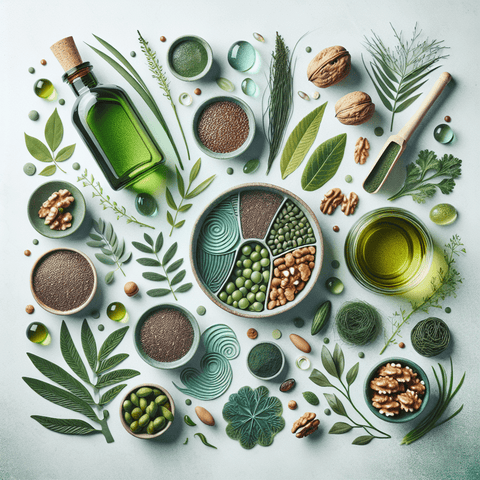
Plant-Based Omega-3: What You Need to KnowOmega-3 fatty acids are essential fats that support heart, brain, and joint health. While fish and seafood are well-known sources, plant-based eaters can get omega-3s from alpha-linolenic acid (ALA) found in certain seeds, nuts, and algae. This article focuses on the plant-based foods highest in ALA, the type of omega-3 predominant in plants, and how to optimize your intake for overall wellness.Top Plant Sources of ALA Omega-3The richest plant-based sources of ALA include flaxseeds, chia seeds, walnuts, and hemp seeds. Just one tablespoon of ground flaxseed provides about 1.6 grams of ALA, while chia seeds offer around 2.5 grams per tablespoon. Walnuts contain approximately 2.5 grams per 28-gram handful, and hemp seeds deliver about 1 gram per tablespoon. These foods are versatile and can be easily added to smoothies, salads, oatmeal, and baked goods to boost your daily omega-3 intake.Boosting EPA and DHA on a Plant-Based DietWhile ALA is beneficial, the body converts it to EPA and DHA only inefficiently—typically 5-15%. For more direct support, consider algae-based supplements, which provide EPA and DHA without fish. Combining ALA-rich foods with high-quality algae oil can help bridge the gap and ensure you meet your omega-3 needs. Always choose reputable products and consult a healthcare professional if you have specific health concerns.