Transparent Supplement Companies: See Exactly What's in Your Supplements


Understanding Transparent Supplement Companies

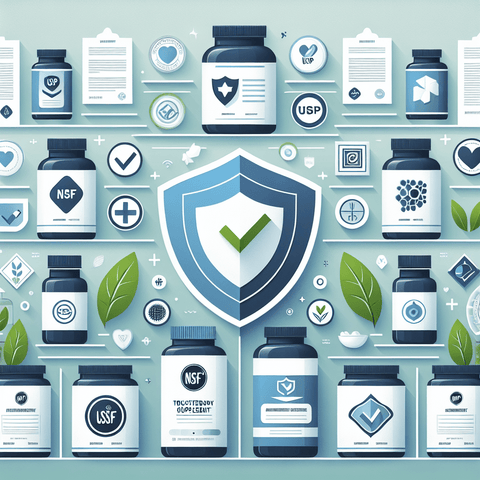
Transparent supplement companies represent a significant trend in the dietary supplement market, providing essential clarity regarding product ingredients and sourcing. These companies allow consumers to see detailed labeling practices, including full ingredient lists and dosage instructions. Understanding the importance of transparency in supplements is vital for safe and effective choices. Consumers benefit from knowing the origins of ingredients, as well as the manufacturing and quality control processes involved. Third-party testing certifications, such as those from NSF International or USP, signify that a product has undergone rigorous quality checks, ensuring its safety and efficacy.

Key Benefits of Transparency in Supplements

  • Safety: Avoid undisclosed fillers and allergens that could compromise health.
  • Efficacy: Accurate dosages and ingredient clarity lead to better supplementation outcomes.
  • Consumer Trust: Open communication fosters long-term confidence in brands.

For those looking to fill nutritional gaps, understanding the role of Vitamin D or the benefits of multivitamins can guide informed decisions. Additionally, being aware of how nutrients like magnesium support health is crucial. By prioritizing transparency, consumers empower themselves to make better choices in their health and wellness journey.


Unlocking the Secrets of Trustworthy Supplement Brands for Safer Health Choices - Topvitamine
Sep 02, 2025
Discover how to identify trustworthy supplement brands and make safer, healthier choices. Learn expert tips to navigate the supplement world with confidence and ensure quality you can rely on.

When it comes to dietary supplements, the landscape can often be overwhelming. The rise of transparent supplement companies has emerged as a crucial trend, allowing consumers to see exactly what's in their products. Understanding what transparency means and why it matters is essential for making informed, evidence-based decisions about supplement purchases. This guide will explore the key elements of supplement transparency, health implications, and how to choose the right products on Topvitamine.com.

What “transparent supplement companies” means in practice

Definition and scope

Transparent supplement companies provide clear, comprehensive information about their products. This transparency encompasses labeling practices, ingredient sourcing, manufacturing methods, testing protocols, and reporting practices. By providing detailed insights into these areas, these companies empower consumers to make informed choices about their health and wellness.

Key signals of transparency

Consumers should look for full ingredient lists, clear dosage instructions, and disclosure of fillers and allergens on product labels. Transparency also involves clear communication about the purposes of each ingredient, allowing users to understand the potential benefits of what they consume.

Sourcing and supply chain clarity

Knowing where ingredients come from is vital for ensuring quality and safety. Transparent supplement companies disclose the country of origin for their ingredients, outline farming practices, and consider sustainability in their sourcing decisions. This information helps consumers make ethical and health-oriented choices.

Manufacturing and quality control

Good manufacturing practices (GMP) adherence is a hallmark of transparency. This includes facility audits, batch tracing, and compliance with production standards. A transparent company should be willing to share information about its production processes, ensuring that quality control measures are in place to provide safe products.

Third-party testing and certifications

Certifications from organizations like NSF International, United States Pharmacopeia (USP), and Informed-Choice signify that a supplement has undergone rigorous testing for quality and purity. Consumers should look for these seals, which indicate compliance with high standards of safety and efficacy.

How to verify a claim

Consumers can verify claims by examining product batch numbers and requesting certificates of analysis (COAs). These documents provide evidence of third-party testing results, illuminating the purity and potency of the product. Seeking out public test results enhances consumer confidence in their supplement choices.

Why this topic matters: Safety, efficacy, and consumer trust

Consumer safety and avoiding contaminants

Undisclosed fillers, contaminants, or adulterants can pose significant risks to health. Transparency helps consumers avoid dangerous additives that could compromise safety and wellness.

Efficacy and dosage transparency

Knowing exact dosages and ingredients is crucial for achieving expected health outcomes. Transparent labeling allows consumers to understand how much of each nutrient they are consuming, leading to more effective supplementation.

Regulatory context and gaps

Regulatory oversight varies significantly across regions, and gaps in regulations can lead to varying quality and safety standards. Transparency compensates for these gaps by providing consumers with the information necessary to make safe and informed choices.

Building trust with brands

Transparency practices fosters long-term consumer confidence. When brands openly share information about their products, they build trust and credibility, allowing consumers to feel secure in their purchasing decisions.

Signals, symptoms, and health implications: When nutrition may influence how you feel

Symptom clusters commonly linked to nutritional status

Common symptoms such as fatigue, brain fog, sleep disruptions, digestive irregularities, muscle cramps, and mood swings can often be linked to nutritional deficiencies. Understanding these symptoms can guide consumers in identifying potential nutritional gaps.

Deficiency signals and objective markers

Common dietary or laboratory indicators, like low iron levels or vitamin D deficiency, might prompt consideration of supplementation. Recognizing these markers is crucial for consumers as they assess their nutritional needs without a medical diagnosis.

Cross-system health implications

Nutrition profoundly impacts various aspects of health, including energy levels, cognitive function, immune resilience, and mood regulation. Ensuring adequate nutrient intake supports overall health and well-being.

The limits of symptom-based interpretation

It's important to recognize that symptoms can overlap across multiple potential causes, such as stress, sleep disturbances, illness, or digestive issues. Thus, symptoms alone may not provide a complete picture of an individual's nutritional status.

Individual variability and uncertainty: How people respond differently

Inter-individual variability in supplement response

Genetic differences, microbiome composition, baseline nutrient status, and dietary patterns can all influence how individuals respond to supplements. Recognizing this variability is important for realistic expectations regarding performance and outcomes.

Role of medications and life stage

Interactions with medications, as well as changes during pregnancy, lactation, aging, or athletic training, can significantly affect nutrient needs and supplement efficacy. Individuals should be aware of these factors when considering supplementation.

The placebo effect and perception

Expectations can greatly influence perceived benefits from supplements. Acknowledging the potential impact of the placebo effect is crucial for interpreting outcomes accurately.

Uncertainty about effectiveness

Not every supplement will work for everyone, even when chosen thoughtfully. Being aware of this variability helps consumers maintain realistic expectations regarding the benefits of supplements.

Limitations of guessing in health decisions

Assuming a remedy based solely on symptoms can lead to misguided choices. This uncertainty underscores the importance of approach based on evidence and proper assessment.

Situations where supplements become relevant

Certain contexts, such as confirmed deficiencies, dietary restrictions, or increased nutrient needs, highlight when targeted supplements may be beneficial for individuals.

Why symptoms alone do not reveal root cause: The planning pitfall

The danger of attributing symptoms to a single cause

Assuming fatigue, for example, is solely due to lack of sleep while ignoring other potential causes like thyroid issues or nutrient deficiencies can lead to incomplete analysis and ineffective solutions.

The need for a broader assessment

Incorporating various factors such as diet, lifestyle, sleep habits, stress levels, and appropriate medical evaluation is vital for a comprehensive understanding of health and symptom management.

When to pursue a holistic approach rather than self-prescribing

Valuable insights often emerge from a structured health plan involving professional guidance. Following this approach is recommended for persistent or severe symptoms.

The role of nutritional supplements in this topic: Positioning supplements within a broader health strategy

Supplements as supportive tools, not cures

It's essential to frame expectations around supplements realistically. They are best viewed as tools to enhance health rather than cure all ailments.

When supplements can help fill gaps

Situations like dietary shortfalls, certain life stages requiring increased nutrients, or documented deficiencies might warrant the use of supplements as a supportive measure.

Safety, quality, and interaction awareness

Consumers should be informed about potential interactions and duplications in supplementation, and they should respect established upper intake limits of nutrients.

The relationship between transparency and responsible use

Understanding product transparency enhances users' ability to employ supplements judiciously, ensuring safer usage patterns.

How nutritional supplements could support: Evidence-informed options

Nutrient-specific use cases with rationale

Different nutrients serve specific health purposes. For instance, iron supplementation may be vital for those with iron deficiency anemia, while Vitamin D might be necessary for individuals at risk for deficiency due to limited sun exposure. Omega-3 supplements could help address inflammation or allergy issues.

Form, dose, and timing considerations

Factors such as bioavailability, salt forms, meal timing, and companion nutrients (e.g., Vitamin C improving iron absorption) all play a role in how effective a supplement is.

Monitoring and re-evaluation

Regularly assessing health indicators, symptoms, and re-testing nutritional levels can provide clarity regarding the effectiveness of supplementation over time.

Safety considerations and interactions

Awareness of potential drug-nutrient interactions, such as those with anticoagulants or thyroid medications, is essential for anyone considering supplementation.

Decision-support: When nutritional supplements make sense

Step-by-step decision framework

A systematic approach includes identifying symptoms and gaps, checking dietary intake, considering laboratory data, and evaluating risks associated with supplementation. These steps facilitate informed choices.

Key questions to answer

Consumers should reflect on whether there are measurable gaps (dietary or lab-based), any medical contraindications, and if there are transparent products available that meet their needs.

A practical checklist for selecting a product

Criteria for selecting supplements should include transparent labeling, third-party testing, clear dosage information, allergen disclosures, adherence to manufacturing standards, and the availability of COAs.

When to seek professional guidance

Consulting a healthcare provider or dietitian is recommended in cases of persistent symptoms, significant health changes, pregnancy, chronic illness, or when starting new medications.

The role of transparency in choosing supplements: Practical decision aids

How to assess transparent supplement companies in practice

To choose a transparent supplement company, consumers should seek out products with disclosed ingredient information, sourcing details, manufacturing processes, and COA publication.

What transparency signals to look for on product pages

Look for batch-specific COAs, lot numbers, clarity about allergens, and certified claims (such as non-GMO or organic) backed by verifiable sources.

Red flags and common misinformation

Be wary of vague marketing claims, missing COAs, inconsistent labeling, and undisclosed ingredient dosages as these often indicate a lack of transparency.

Connecting to Topvitamine: Buy with confidence

How Topvitamine supports transparent choices

Topvitamine prioritizes transparent supplement companies, ensuring products are curated with emphasis on transparency, quality certifications, and accessibility to COAs for consumers.

Shopping tips on Topvitamine.com

Utilize filters on the site to search for certifications, sustainability, and ingredient sourcing. Engage with narratives about product formulations and look for COAs associated with chosen supplements.

Practical next steps for readers

Starting with core nutrient needs such as iron, Vitamin D, B12, and omega-3s can be effective. Verify product transparency, and consider exploring bundled products or starter guides offered by Topvitamine.

Conclusion: Summary and next steps for mindful purchasing on Topvitamine.com

Transparent supplement companies play a crucial role in helping consumers make informed health choices. Understanding the elements of transparency equips consumers to navigate the supplement market better. Are you ready to explore Topvitamine product pages, utilize transparency indicators, and take a guided approach to responsibly select supplements that fit your needs?

  • Understanding ingredient transparency enhances product safety.
  • Know your symptoms and nutritional markers to guide supplementation.
  • Expect individual variability in supplement efficacy.
  • Use an evidence-based approach for clearer health choices.
  • Recognize the importance of professional guidance when needed.
  • Prioritize transparency when selecting supplement brands.
  • Utilize COAs to reinforce product credibility.
  • Monitor and reassess your supplement needs regularly.
  • Be cautious of vague claims and unrealistic expectations.
  • Explore Topvitamine’s curated offerings for supported choices.

Q&A

What are transparent supplement companies?

Transparent supplement companies provide clear and comprehensive information about their products, including ingredient sourcing, manufacturing processes, and third-party testing. This transparency allows consumers to make informed choices about supplements they choose to purchase.

Why is transparency important in supplements?

Transparency is essential as it helps ensure consumer safety by disclosing potential allergens, fillers, or contaminants. It also builds trust in the brand and ensures efficacy through accurate product labeling.

How can I identify if a supplement is high quality?

Look for certifications from recognized organizations (like NSF or USP), check for third-party testing and COAs, and ensure clear ingredient lists and dosages are provided on the product label.

What symptoms might indicate a nutritional deficiency?

Common symptoms linked to nutritional deficiencies include fatigue, brain fog, muscle cramps, digestive disturbances, and mood swings. Awareness of these symptoms can guide you to assess your nutrient intake.

Are all supplements safe for everyone?

No, not all supplements are safe for everyone. Personal health conditions, medications, and life stages can influence supplement safety and efficacy. Individual assessments and professional guidance are always recommended.

How do I know if I need supplements?

If you suspect a deficiency based on symptoms or lab results, or if specific dietary restrictions exist, consider consulting a healthcare provider. They can help determine the need for supplementation.

What is a Certificate of Analysis (COA)?

A Certificate of Analysis (COA) is a document that confirms the product's ingredients and provides testing results for purity and potency. It is an essential tool for verifying supplement quality.

Can I obtain too much of a nutrient from supplements?

Yes, excessive intake of certain nutrients can lead to toxicity and adverse health effects. Understanding upper intake limits and avoiding overlapping supplements is crucial to maintaining safe consumption levels.

Is it necessary to consult with a healthcare provider before starting supplements?

Yes, especially for those with pre-existing conditions, new medication use, or specific health concerns. A healthcare provider can provide personalized advice and assess potential interactions.

How does the placebo effect impact supplement use?

The placebo effect can lead individuals to perceive that they are experiencing benefits from a supplement simply due to their expectations. Recognizing this can help set realistic expectations regarding supplement use.

Keywords

transparent supplement companies, dietary supplements, ingredient transparency, quality control, third-party testing, consumer safety, nutritional deficiencies, supplement efficacy, health and wellness, Topvitamine