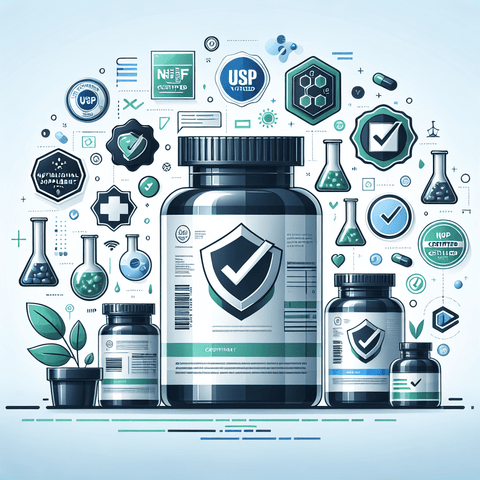
Trusted supplement labels are the clearest signal you have about what is actually inside a bottle: the ingredients, the amounts per serving, the serving size, and any required warnings. Learning to read and verify these labels helps you distinguish transparent, quality products from those hiding proprietary blends, underdosed ingredients, or unclear additives. This guide explains each part of a supplement label, the red flags to watch for, how manufacturing standards and third-party testing affect quality, and how to use label information to decide whether a supplement fits your individual needs.
Introduction: What Trusted Supplement Labels Really Mean
A trusted supplement label is one that accurately reflects the contents of the product, complies with regulatory requirements, and gives you enough information to make an informed decision. Trust is not established by attractive packaging or bold marketing claims—it comes from transparent dosing, complete ingredient disclosure, compliant labeling formats, and verifiable quality practices behind the scenes.
Because dietary supplements are regulated differently from medicines, the responsibility for evaluating a product largely falls on the consumer. That makes label literacy one of the most practical health skills you can develop when considering vitamins, minerals, omega-3s, probiotics, or herbal products.
Why Learning to Read Supplement Labels Matters for Your Health
Labels directly affect safety and effectiveness. An ingredient list tells you whether a product contains allergens or additives you want to avoid. The dosing information tells you whether the amount per serving is meaningful or trivially low. Without this skill, you may unintentionally take too much of certain nutrients, too little of others, or combine products that overlap in ways you did not intend.
There is also a financial dimension: products with misleading labels can cost significant money while delivering little nutritional value. Understanding labels protects both your health and your budget.
What You'll Learn in This Guide
This article walks through the anatomy of a supplement label, the warning signs that suggest poor transparency, the quality factors that labels can and cannot reveal, and a practical checklist for comparing products. By the end, you should be able to evaluate any supplement label with confidence and know when professional advice is the better route.
What Is a Supplement Label? Key Parts Defined
A compliant supplement label contains several standardized components required by regulators such as the FDA in the United States and equivalent authorities elsewhere. Each part serves a distinct purpose, and reading them together gives you the fullest picture of the product.
Supplement Facts Panel: Serving Size, Servings Per Container, and Amount Per Serving
The Supplement Facts panel is the core of the label. It lists the serving size, the number of servings per container, and the amount of each nutrient per serving. Serving size is critical: a bottle may look inexpensive until you realize the recommended serving is four capsules, effectively quadrupling the cost per day.
The "Amount Per Serving" column tells you how much of each nutrient you actually receive. This is where underdosing becomes visible—products that list an ingredient but provide only a fraction of the amount commonly used in research deliver little practical benefit.
The Ingredient List: Active Ingredients, Other Ingredients, and What They Mean
Active ingredients are the nutrients or compounds with a nutritional or physiological function. "Other ingredients" refer to excipients: fillers, binders, coatings, flow agents, sweeteners, and capsules materials. These are not automatically harmful—many are functionally necessary—but the list matters if you have allergies, dietary restrictions, or prefer minimal formulations.
Common examples include magnesium stearate (a flow agent), rice flour (a filler), gelatin or cellulose (capsule material), and titanium dioxide or artificial colors (cosmetic additives, which some consumers prefer to avoid).
Proprietary Blends, Daily Values, and Common Label Terminology Explained
Daily Values (DV) express how much a serving contributes to recommended daily intake, usually as a percentage. They are based on general adult reference values, not your personal needs.
A proprietary blend is a combination of ingredients listed under a single name with only the total blend weight disclosed—not the amount of each individual ingredient. While not illegal, proprietary blends prevent you from knowing whether any single ingredient is present at an effective dose, which is why they are widely viewed as a transparency concern.
Why Label Transparency Matters for Your Wellbeing
How Labels Connect to Safe and Effective Nutritional Support
Nutritional support depends on two things: appropriate dose and appropriate form. A label tells you whether a product contains, for example, vitamin D3 or D2, magnesium citrate or magnesium oxide, or a standardized herbal extract versus raw powder. These distinctions influence absorption and tolerability, so transparent labels are the foundation of safe supplementation.
The Cost of Misleading Labels: Fillers, Underdosing, and Hidden Additives
Misleading labeling takes several forms: ingredients present at ineffective amounts, "pixie dust" additions included purely for marketing, heavy reliance on cheap fillers, and undeclared risks such as allergens. In worst-case scenarios, independent analyses have found products contaminated with unlisted substances or containing far less of the active ingredient than claimed. This is why verification beyond the label itself matters.
Warning Signs to Look For on Supplement Labels
Red Flags: Vague Blends, Missing Dosages, and Unsubstantiated Claims
- Proprietary blends without individual doses — you cannot verify whether ingredients are meaningfully dosed.
- "Fairy sprinkle" dosing — dozens of ingredients, each present in trace amounts, creating the impression of a comprehensive formula.
- Dramatic claims — phrases like "cures," "treats," or "miracle" are not permitted for supplements and signal non-compliance.
- Missing contact information — legitimate manufacturers provide an address and ways to reach them.
- No expiration date or lot number — both are required and matter for traceability.
Structure/Function Claims vs. Health Claims: What Labels Can and Cannot Say
Supplements may legally carry structure/function claims—statements such as "supports immune health" or "helps maintain strong bones"—accompanied by the disclaimer that the statement has not been evaluated by the FDA and the product is not intended to diagnose, treat, cure, or prevent disease. Health claims, which assert that a nutrient reduces the risk of a disease, require much stronger evidence and regulatory authorization. Learning this distinction helps you interpret marketing language realistically: a claim that a product treats a condition is a serious red flag.
How to Spot "Supplement Facts" vs. a Non-Compliant "Facts" Panel
In the U.S., genuine products use a panel titled "Supplement Facts," with a specific layout and nutrient listing order. Panels titled simply "Facts" (styled like a Nutrition Facts label from conventional foods) are a known marker of imported or counterfeit products that may not meet domestic standards. Checking this small detail is a quick, effective verification step.
What Influences What's Actually in the Bottle
Manufacturing Standards: GMP Certification and Third-Party Testing
What a label claims and what a bottle contains can differ depending on manufacturing quality. Good Manufacturing Practices (GMP) certification indicates the facility follows standardized procedures for identity testing, purity, and consistency. Third-party testing goes further: independent laboratories verify that the product contains what the label states and is free from unacceptable levels of contaminants such as heavy metals or microbes.
Common Risk Factors for Poor-Quality Products: Unverified Brands, Counterfeits, and Weak Supply Chains
Risk increases with anonymous brands that provide no manufacturing details, products sold through unofficial marketplaces where counterfeiting is common, and supply chains with multiple undocumented intermediaries. Herbal supplements are particularly vulnerable to adulteration and misidentification of plant material, which is why sourcing transparency matters more in this category than in simple single-mineral products. If you are exploring botanicals, resources on herbal supplement sourcing and safety explain what to look for in this category.
Why Your Nutrient Needs Differ from Someone Else's
How Age, Diet, Health Status, and Absorption Change What You Need
Nutrient requirements are not uniform. Age changes needs substantially—vitamin B12 and vitamin D requirements often rise in older adults, while iron needs are higher in menstruating women. Dietary patterns matter: vegans need reliable B12 sources, and people who consume little oily fish may have lower omega-3 intake. Health status matters too: gastrointestinal conditions such as celiac disease or Crohn's disease can reduce absorption of multiple nutrients, and certain medications—metformin, proton pump inhibitors, and others—can affect B12, magnesium, or other nutrient status over time.
Why the Dose on the Label Isn't Right for Everyone
The dose printed on a label reflects the manufacturer's formulation decision, typically informed by general reference values, not your personal requirements. Someone with adequate sun exposure may need no vitamin D supplement at all, while someone with limited absorption may need more than the label's typical serving. This is why blood testing and professional assessment are more reliable than matching yourself to a generic label dose.
Food and Lifestyle First: What Labels Can't Replace
Getting Nutrients from Whole Foods Before Considering Supplements
Whole foods provide nutrients in forms and combinations that supplements cannot fully replicate, along with fiber, phytochemicals, and other compounds that contribute to health. Foods also deliver nutrients with built-in dose control— You cannot accidentally "overdose" on vitamin C from oranges the way you can from high-dose supplements. Most public health guidance places food first: oily fish for omega-3s, leafy greens and legumes for folate and magnesium, dairy or fortified alternatives for calcium, nuts and seeds for vitamin E and minerals.
Lifestyle Habits That Affect Nutrient Status
Sun exposure strongly influences vitamin D status; smoking increases vitamin C requirements; alcohol consumption affects B vitamin absorption and metabolism; and intense physical training can modestly increase some nutrient needs. Addressing these factors—along with sleep and dietary variety—often improves nutritional status more meaningfully than adding supplements on top of poor habits.
Where Supplements Fit: Matching Label Information to Your Needs
When dietary gaps exist despite good food habits, supplements can play a supportive role. This is where label-reading skills become directly practical.
Which Supplement Categories Commonly Require Label Scrutiny (Multivitamins, Omega-3s, Probiotics, Herbal Extracts)
Multivitamins vary enormously in dosing philosophy—some provide amounts close to recommended intakes, others pack in far more—so comparing them requires careful per-nutrient reading. An informed approach to multivitamin ingredients and usage starts with the label. Omega-3 products should specify the amounts of EPA and DHA per serving, not just "fish oil." Probiotics require CFU counts and strain designations. Herbal extracts require standardization details.
Standardized Extracts, Active Compound Percentages, and CFU Counts: Reading Specialized Labels
Standardized herbal extracts state a percentage of the active compound—for example, a curcumin extract standardized to a curcuminoid percentage tells you how much active material you are actually receiving. Probiotic labels should list colony-forming units (CFU) at the time of expiration (not just manufacture) and identify strains by name, since effects are strain-specific. When comparing omega-3 products, look for per-serving EPA and DHA figures rather than total oil—guidance on DHA and EPA omega-3 supplements illustrates this distinction well.
When Supplementation May Be Relevant
Situations Where Diet Alone May Fall Short
Certain situations make supplementation more commonly relevant: pregnancy (folate and other nutrients per medical guidance), vegan or restrictive diets (B12, sometimes iron, zinc, omega-3), limited sun exposure (vitamin D), older age (B12, vitamin D), and diagnosed malabsorption conditions. These are patterns identified through clinical research and public health policy—not universal prescriptions for everyone.
Nutritional Support vs. Treatment: Why Testing and Diagnosis Require a Professional
Supplements provide nutritional support; they do not treat disease. Symptoms such as fatigue, hair changes, or low mood are non-specific and can have many causes—assuming they indicate a deficiency and self-prescribing high doses can delay proper diagnosis. Blood tests for nutrients like vitamin D, B12, iron status, and folate are widely available and generally provide far more useful information than symptom-based guessing. A doctor or registered dietitian can interpret results in context.
How to Choose a Quality Supplement: A Label-Based Checklist
Ingredient Forms and Bioavailability: Which Nutrient Forms Are Better Absorbed
Chemical form matters for absorption in several well-documented cases. Magnesium oxide is poorly absorbed compared with citrate or glycinate forms, which is why oxide appears mostly in laxative-type products. Vitamin D3 is generally preferred over D2 for maintaining vitamin D status. Folate as methylfolate bypasses a conversion step relevant to a portion of the population, though folic acid remains well-absorbed for most people. For many nutrients—various mineral chelates, for instance—the evidence comparing forms is limited or mixed, so form differences should be considered meaningful where established but not overstated elsewhere.
Dosage, Serving Size, and Combination Products vs. Single Ingredients
Always calculate the dose per serving, not per capsule, and check how many capsules the serving requires. Combination products offer convenience but reduce flexibility—if you only need vitamin D, a multivitamin forces you to take everything else. Single-ingredient products make it easier to match doses to your tested needs.
Certifications and Testing Marks: NSF, USP, Informed Choice, and What They Verify
Third-party certification marks—NSF Certified for Sport, USP Verified, Informed Choice/Informed Sport—indicate that an independent organization has audited the product and tested it for identity, contaminant levels, and label accuracy. These marks do not guarantee clinical effectiveness, but they substantially reduce the risk of mislabeled or contaminated products, particularly important for athletes subject to doping regulations.
Capsules, Tablets, Powders, and Liquids: How Form Affects Absorption and Practicality
Capsules generally dissolve reliably and suit sensitive stomachs; tablets are cost-effective and stable but sometimes harder to swallow; powders allow flexible dosing and suit people who struggle with pills; liquids suit those with absorption or swallowing difficulties, though some nutrients degrade faster in liquid form. Fat-soluble vitamins (A, D, E, K) are best taken with a meal containing fat, regardless of form. The "best" form is largely the one you will take consistently.
Allergens, Additives, and Matching Labels to Dietary Preferences (Vegan, Gluten-Free, Non-GMO)
Check the allergen statement for milk, soy, gluten, shellfish, or nut-derived ingredients, and check "other ingredients" for gelatin if you follow a vegan or vegetarian diet. Certification claims such as gluten-free or non-GMO are voluntary but useful filters when the label alone leaves ambiguity.
How to Compare Two Supplement Products Side by Side
Per-Serving Math: Comparing Cost, Dose, and Value Correctly
Always calculate cost per serving, not per bottle, and compare identical nutrient forms where possible. A product with twice the dose per serving may be better value, unless the dose exceeds safe or sensible levels. Consider expiration-dated stock when price matters—retailers often offer discounts on supplements nearing their expiry date, which can be economical for products you will use promptly.
Evaluating Brand Transparency: Batch Testing, COAs, and Contactable Manufacturers
Strong brands publish batch-specific certificates of analysis (COAs), disclose manufacturing locations, and respond to consumer questions about sourcing and testing. If a company cannot or will not confirm third-party testing, treat that as meaningful information about its transparency practices.
Who May Benefit Most from Careful Label Reading
Groups with Higher Nutritional Needs or Dietary Restrictions
Careful label reading matters most for people with dietary restrictions (vegan, gluten-free due to celiac disease), pregnant or breastfeeding women, older adults, people taking regular medications, athletes, and anyone managing a chronic condition with nutritional implications. For these groups, both underdosing and excess carry more significant consequences.
When to Involve a Doctor, Dietitian, or Pharmacist
Involve a healthcare professional when you take prescription medications, are planning pregnancy, have kidney, liver, or gastrointestinal conditions, are preparing for surgery, or want to interpret blood test results. Pharmacists are particularly useful for checking supplement–medication interactions, and dietitians can assess dietary intake before supplementation becomes necessary.
Safety, Interactions, and Upper Limits: What Labels Do and Don't Tell You
Tolerable Upper Intake Levels and Why More Isn't Always Better
Nutrients have Tolerable Upper Intake Levels (ULs)—the maximum daily amount unlikely to cause harm over time. Fat-soluble vitamins A, D, E, and K accumulate in the body, making long-term high-dose use riskier than water-soluble vitamins, which are more readily excreted (though not risk-free at very high doses—high-dose vitamin C can cause digestive upset, and excess niacin can affect the liver). Labels do not display ULs, so checking cumulative intake across all products you take is your responsibility.
Medication Interactions and Special Considerations: Pregnancy, Chronic Conditions, and Pre-Surgery
Supplements can interact with medications: vitamin K can interfere with warfarin; St. John's wort interacts with many drugs; high-dose omega-3s may have mild blood-thinning effects; and mineral supplements can reduce absorption of certain antibiotics when taken together. Pregnancy, kidney disease, liver disease, and upcoming surgery all warrant professional review of every supplement you take—including herbal products, which people often forget to mention.
Food Changes vs. Supplements: Making Your Decision
A Simple Decision Framework: When Diet Is Enough and When a Supplement May Help
Work through this sequence before buying anything:
- Assess your actual intake. A few days of honest food logging often reveals whether a genuine gap exists.
- Improve diet first where feasible. Adding oily fish, legumes, nuts, or fortified foods may close gaps without supplements.
- Test when relevant. For nutrients with validated tests (vitamin D, B12, iron), testing beats guessing—especially before high-dose use.
- Consider a supplement for confirmed or highly likely gaps. Choose modest doses matched to your needs rather than the highest dose available.
- Involve a professional if you take medications, have health conditions, or are pregnant.
Final Checklist Before You Buy
- Panel says "Supplement Facts" (not just "Facts")
- Serving size and servings per container are clear
- Active ingredients list individual doses—no hidden proprietary blends for ingredients you care about
- Nutrient forms are recognizable (e.g., D3, magnesium citrate)
- Allergen and "other ingredients" lists match your needs
- Expiration date and lot number present
- Manufacturer contact details included
- Third-party certification or published COAs where available
- Claims are structure/function only—no cure or treatment language
- Total intake across all your products stays within sensible limits
Key Takeaways
- Trusted supplement labels accurately reflect product contents and comply with regulatory formatting, including a genuine "Supplement Facts" panel.
- The Supplement Facts panel's serving size and per-serving amounts matter more than marketing on the front of the package.
- Proprietary blends hide individual ingredient doses and are a major transparency red flag.
- Supplements may legally make structure/function claims but cannot claim to treat, cure, or prevent disease—products making such claims should be avoided.
- GMP certification and third-party testing (NSF, USP, Informed Choice) meaningfully reduce the risk of mislabeled or contaminated products.
- Nutrient needs vary by age, diet, health status, medications, and absorption—label doses are generic, not personalized.
- Food and lifestyle should be addressed first; supplements are best suited to identified gaps.
- Compare products using per-serving cost and dose math, not package price.
- Upper intake levels exist for every nutrient, and cumulative intake across multiple products matters.
- Testing and professional guidance beat symptom-based guessing, especially before high-dose supplementation.
Frequently Asked Questions
What does the Daily Value percentage on a supplement label mean?
The Daily Value (DV) percentage shows how much one serving contributes to a standard reference daily intake for adults. It is not personalized to your age, sex, diet, or health status, so treat it as a reference point rather than a target. A product providing 100% DV in one serving is not automatically better than one providing less.
Are proprietary blends always a bad sign?
Not always, but they prevent you from verifying whether individual ingredients are present at meaningful doses. Some reputable companies use blends for flavor or stability reasons, but in most cases a fully disclosed label is the safer and more transparent choice, especially for herbal or amino acid formulas.
How can I tell if a supplement label is compliant?
Look for the exact phrase "Supplement Facts," required elements such as serving size, servings per container, amounts, Daily Values where applicable, an ingredient list, manufacturer details, and a lot number with expiration date. A panel labeled simply "Facts" (formatted like a food nutrition label) is a hallmark of non-compliant or counterfeit products.
Is third-party testing really necessary?
It is not legally required, which is precisely why it adds value. Independent analyses of supplements have repeatedly found products that contain less active ingredient than claimed or unwanted contaminants. Certification marks from NSF, USP, or Informed Choice indicate an outside organization verified the product, substantially reducing your risk.
Does a higher dose mean a supplement works better?
No. Nutrients follow a threshold pattern: once your needs are met, additional amounts provide no extra benefit and may increase risk of side effects. The appropriate dose depends on your current intake, blood levels where testable, and health status—not on maximizing the number on the label.
Which magnesium form is best absorbed?
Magnesium citrate, glycinate, and malate are generally better absorbed than magnesium oxide, which appears mainly in laxative products. The evidence comparing the better-absorbed forms against each other is limited, so tolerability and cost may be more practical deciding factors.
Should I take fat-soluble vitamins with food?
Yes. Vitamins A, D, E, and K are absorbed more effectively when taken with a meal containing some fat. Taking them on an empty stomach can substantially reduce absorption, regardless of the quality of the product.
Can supplements interact with medications?
Yes. Examples include vitamin K reducing warfarin effectiveness, St. John's wort interacting with numerous drugs, and minerals interfering with certain antibiotic absorption. Always check with a pharmacist or doctor, and disclose all supplements—not just medications—before starting new prescriptions or surgery.
How do I compare the value of two omega-3 products?
Compare the EPA and DHA content per serving, not the total fish oil amount, and divide the price by servings to get cost per day. A concentrate providing 1000 mg combined EPA/DHA in one softgel can be better value than a cheaper product requiring several softgels for the same amounts.
What should vegans check for on supplement labels?
Vegans should confirm B12 is present in adequate amounts, check that capsules are cellulose-based rather than gelatin, and look for vitamin D3 from lichen rather than lanolin if they want a fully plant-based source. Also review the "other ingredients" list for milk- or egg-derived additives.
Why does the same dose affect different people differently?
Absorption depends on gut health, the nutrient form, whether it is taken with food, genetic factors, and interactions with other nutrients or medications. Two people taking the identical product can achieve very different blood levels, which is why testing is more informative than assuming a standard response.
Can I trust supplement claims like "supports immunity"?
Structure/function claims such as "supports immune health" are legally permitted but do not require the same evidence as drug claims, and the products carry a disclaimer saying the claims have not been FDA-evaluated. Treat them as general marketing language rather than proof of a specific effect, and rely more on dose transparency and quality verification.
Conclusion: Turning Label Literacy into Confident, Informed Choices
Reading a supplement label well means looking past the front of the package to the Supplement Facts panel, the ingredient forms, the per-serving doses, and the quality signals behind the product. Trusted supplement labels make this possible through full disclosure, compliant formatting, and verifiable manufacturing practices.
Your nutritional needs, however, are personal. Age, diet, lifestyle, medications, and absorption all shape what—if anything—supplementation should look like for you. Whole foods and everyday habits come first; supplements are most useful for identified gaps, chosen with modest doses, sensible forms, and verified quality. When a gap is unclear or doses run high, testing and professional guidance will serve you better than any label can. With these skills, you can evaluate any product calmly and make choices that genuinely fit your health goals.
Related Keywords
- trusted supplement labels
- how to read supplement labels
- Supplement Facts panel explained
- supplement label red flags
- proprietary blends meaning
- third-party tested supplements
- USP verified and NSF certified supplements
- supplement bioavailability and nutrient forms
- supplement dosage and serving size
- supplement safety and upper intake levels
- supplement and medication interactions
- how to compare supplement products
- certificate of analysis supplements
- choosing quality vitamins and minerals