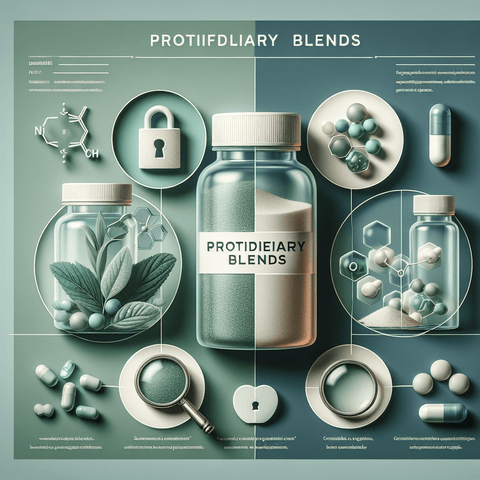
Undisclosed dosages refer to situations where a supplement label hides or obscures exactly how much of each ingredient you are actually getting. This article explains what undisclosed dosages mean, why they occur, how proprietary blends and vague label terms can mislead buyers, and why dosage transparency matters for both safety and effectiveness. You will also learn how to read a supplement facts panel, when diet alone may be enough, and how to choose products with clear, appropriate amounts tailored to your individual needs.
What Are Undisclosed Dosages? Understanding the Hidden Information on Supplement Labels
Undisclosed dosages meaning: what the term actually refers to
Undisclosed dosages describe ingredient amounts that a manufacturer either conceals completely or presents in a way that makes the actual quantity of each component impossible to determine. In practice, this means a label may tell you the total weight of a formula while leaving you guessing about whether a key ingredient is present in a meaningful amount or merely a trace. The term applies mainly to dietary supplements, where labeling rules leave more room for interpretation than with medicines.
Proprietary blends and other ways dosages can be obscured
The most common mechanism is the proprietary blend: a group of ingredients listed together under one total weight, without individual amounts. A "Metabolic Support Blend – 850 mg" might contain ten ingredients, and legally the most abundant one may make up nearly all of that total. Other obscuring tactics include listing ingredients per "complex" rather than per active compound, using concentrates without stating extraction ratios, and spreading amounts across multiple servings so per-dose figures appear larger than they are.
Related label terms: "blend," "complex," "matrix," and "per serving" explained
Terms like "blend," "complex," and "matrix" signal that ingredients are grouped, which almost always means individual dosages are not disclosed. A "calcium complex" may combine several calcium salts, but without breakdown you cannot calculate how much elemental calcium you receive. "Per serving" matters too: a serving may equal two, three, or even six capsules, so comparing products requires checking whether amounts refer to one capsule, one scoop, or a full daily dose.
Why Undisclosed Dosages Matter for Your Health
How dosage transparency affects safety and effectiveness
Nutrients have a therapeutic window: too little may provide no benefit, while too much can cause side effects or toxicity. Fat-soluble vitamins such as A, D, E, and K accumulate in body tissue, and minerals like iron and selenium have well-established upper intake limits. When you cannot see how much of each ingredient a product contains, you cannot assess safety, avoid duplicating nutrients across multiple supplements, or know whether the dose falls within ranges examined in research.
Why too little of an ingredient can be as much of a problem as too much
Many supplements fail not because the ingredients are ineffective in principle, but because the amounts are too small to plausibly matter. A classic example is "fairy dusting," where a recognized ingredient is added in milligram quantities far below the doses used in studies, purely so it can appear on the label. Consumers pay for ingredients that, at those levels, are unlikely to contribute anything measurable.
Everyday scenarios where hidden amounts cause real problems
Consider someone taking a multivitamin plus a B-complex plus an energy drink containing B vitamins. Without disclosed amounts, total vitamin B6 intake can quietly exceed safe upper limits over time, which has been linked to nerve symptoms at chronic high intakes. Similarly, someone using a magnesium "blend" cannot know whether they are getting 50 mg or 400 mg, making it impossible to adjust intake or avoid digestive side effects.
Signs You May Be Getting an Undisclosed or Inadequate Dosage
Label red flags that suggest dosages are being hidden
- Proprietary blends with only a total weight and no individual amounts
- Ingredients listed after flavoring agents or fillers, suggesting very small quantities
- Claims of "clinical doses" or "research-backed formulas" without numbers to verify
- Servings split across many capsules, making per-capsule comparisons difficult
- Percent Daily Values missing or unusually low for headline ingredients
Physical signs and situations that may point to insufficient intake
Fatigue, poor concentration, muscle cramps, brittle hair or nails, and slow recovery from illness can all have many causes, and low intake of specific nutrients is only one possibility. These signs are worth noting, but they are nonspecific and should prompt reflection on overall diet rather than immediate self-treatment with high-dose supplements.
Why symptoms alone cannot confirm a nutrient deficiency
Symptoms such as tiredness overlap heavily with stress, poor sleep, and underlying medical conditions. For several nutrients, including vitamin D, iron, and vitamin B12, blood testing provides far more reliable information than symptoms ever can. Guessing at a deficiency and supplementing heavily without assessment risks masking a real problem or causing excess intake.
Common Causes of Unclear or Hidden Dosage Information
Marketing incentives behind proprietary blends
Proprietary blends let brands create a story of exclusivity while protecting a formula from imitation. They also allow low-cost, bulky ingredients to dominate a blend while expensive actives appear in trace amounts, all under one attractive total. This is fundamentally a marketing choice, not a scientific one.
Cost-cutting through "fairy dusting" and ingredient sprinkling
Trendy ingredients command premium prices, so some manufacturers add them in token amounts. If an herbal extract known to be studied at 500 mg daily appears in a blend at 10 mg, it is present for label appeal rather than physiological effect. Comparing label amounts with doses used in published research is the most reliable way to spot this practice.
Regulatory gray areas: what labels are legally required to disclose
In many jurisdictions, including under EU and US labeling frameworks, manufacturers must declare nutrients with established daily values, but non-nutrient ingredients grouped in blends often escape individual disclosure. Herbal extracts may be quantified only as total extract weight without specifying standardization. This is legal but leaves significant room for underdosing.
Why Your Ideal Dosage May Differ From Someone Else's
Age, sex, and body size differences in nutrient needs
Recommended intakes are set by age and sex groups for good reason. Iron needs rise sharply for menstruating women, calcium and vitamin D requirements increase in older adults, and children need proportionally different amounts than adults. A single undisclosed dose cannot possibly serve all of these groups appropriately.
Diet, lifestyle, and absorption factors that change your requirements
Vegans may need attention to vitamin B12, iron, and zinc; people with limited sun exposure may have lower vitamin D status; athletes may have elevated needs for certain minerals through sweat losses. Alcohol consumption, smoking, and highly restrictive diets all influence nutrient status, and conditions affecting the gut can reduce absorption of several vitamins and minerals.
Health status, genetics, and medications that influence dosage needs
Some medications interfere with nutrient absorption or metabolism — for example, proton pump inhibitors can reduce vitamin B12 and magnesium absorption, and metformin can affect B12 status. Genetic variations also influence how individuals process certain nutrients, such as folate. These factors underscore why a fixed hidden dose is a poor fit and why professional guidance is valuable when medications or health conditions are involved.
Food and Lifestyle First: Addressing Intake Before Supplements
Nutrient-rich food sources that make dosing less of a concern
Whole foods deliver nutrients in forms and combinations the body handles well, generally with low risk of excess. Oily fish provides vitamin D and omega-3s; leafy greens supply folate, vitamin K, and magnesium; legumes, nuts, seeds, dairy, eggs, and whole grains each cover different nutrient bases. A varied diet rarely creates dangerous nutrient excesses, which makes it a safer first strategy than any multi-ingredient supplement.
Dietary and lifestyle habits that improve natural nutrient status
Regular meals built around varied food groups, adequate protein, sensible sun exposure for vitamin D, limiting alcohol, and not smoking all support nutrient status. Absorption also improves when iron-rich plant foods are paired with vitamin C sources, and when calcium-rich foods are spread across the day rather than concentrated.
When diet alone may genuinely be enough
For most healthy adults eating a varied, balanced diet, supplementation offers little additional benefit and is not necessary. Diet alone tends to be sufficient when food sources are diverse, restrictions are minimal, and no specific life stage or condition increases requirements.
Where Supplements Fit: The Role of Nutritional Support
Nutrient categories most affected by dosage transparency
Multi-ingredient products — multivitamins, greens powders, pre-workout formulas, and herbal combinations — are where hidden dosing is most common. Single nutrients such as vitamin D or magnesium are easier to dose transparently because the label typically shows one clear amount per capsule.
What research suggests about effective dose ranges (general guidance, not treatment claims)
Nutrients have established reference intakes and, for many, tolerable upper intake levels set by scientific bodies. Research on supplements generally tests specific doses; an ingredient has the best chance of being relevant when a product discloses an amount that falls within ranges studied. Without disclosure, there is no way to make this comparison.
The difference between nutritional support and treating a medical condition
Supplements are intended to support normal nutritional status, not to diagnose, treat, cure, or prevent disease. Anyone with symptoms suggesting a medical problem should seek healthcare assessment first; filling nutritional gaps is a different task from managing an illness.
When Supplementation May Be Relevant
Situations where dietary intake may fall short
Supplementation may be worth considering during pregnancy (folic acid is routinely advised), in older adulthood, with vegan or highly restricted diets, or when a confirmed gap exists between intake and requirements.
Groups with higher nutrient needs or documented gaps
- Pregnant women and women planning pregnancy
- Older adults, particularly for vitamin D and vitamin B12
- People following vegan or vegetarian diets
- Individuals with malabsorption conditions or limited sun exposure
- Those taking medications that affect nutrient absorption
When blood testing and professional assessment make sense before supplementing
For nutrients like vitamin D, B12, folate, and iron, a simple blood test can confirm whether intake is actually low. Testing is especially sensible before high-dose supplementation, before combining multiple products, and whenever symptoms persist despite a reasonable diet.
How to Choose a Supplement With Transparent, Appropriate Dosages
Ingredient forms and why they affect the amount you actually absorb
The chemical form of a nutrient influences bioavailability. Magnesium citrate, for example, is generally absorbed differently from magnesium oxide; vitamin D3 is commonly preferred over D2 for maintaining status. A label should disclose both the form and the amount — transparency about one without the other is only half the picture.
Bioavailability and what "standardized" or "concentrated" really means
A "standardized" herbal extract should specify the percentage of a marker compound, such as "curcuminoids 95%." A "10:1 concentrate" indicates that ten parts of raw material yielded one part extract. These figures are meaningless without knowing the total milligram amount, so look for both.
Single-ingredient products versus blends: which offers clearer dosing
Single-ingredient products make it simple to know exactly what you are taking and to adjust the dose. Blends can be convenient, but the more ingredients involved, the more important full disclosure becomes. If a blend hides amounts, a simpler alternative is usually the more reliable choice.
Quality indicators: third-party testing, certifications, and manufacturing standards
Third-party testing, GMP-certified manufacturing, and transparent sourcing are meaningful quality signals. Brands that publish certificates of analysis make it easy to verify that label claims match the contents. Whether you are comparing multivitamins or single nutrients, these indicators matter more than marketing language.
Added ingredients, allergens, and dietary preferences to check
Check for unnecessary fillers, artificial colors, sweeteners, and common allergens such as gluten, soy, dairy, or gelatin, especially if you have intolerances or follow a vegan diet.
Capsules, tablets, powders, and liquids: practical differences for dosing accuracy
Capsules and tablets offer fixed, precise doses; powders require accurate scooping; liquids allow flexible dosing but can be harder to measure consistently. Splitting tablets is not always possible, so if you need dose flexibility, capsules or liquids may be more practical.
How to Read a Supplement Label and Spot Hidden Dosages
Understanding the Supplement Facts panel step by step
Start with the serving size, then check each nutrient's amount and percent Daily Value, followed by the ingredient list in descending order by weight. Ingredients appearing after long lists of fillers, or grouped under a blend, deserve suspicion.
Serving size tricks: per capsule versus per serving versus per daily dose
A product advertising "1000 mg per serving" may require four capsules, while a competitor offers 500 mg in one. Normalize all comparisons to the same basis — ideally the full daily dose — before judging which product delivers more of an ingredient.
Red-flag phrases and comparisons: how to compare two products intelligently
Be wary of "proprietary formula," "clinical blend," and "advanced matrix" without numbers. When comparing products, list each ingredient, note the disclosed amount per daily dose, and research the doses used in studies. If a manufacturer will not state the amount, treat that as information in itself.
Who May Benefit Most From Choosing Fully Disclosed Products
People with higher nutrient needs or restricted diets
Anyone with increased requirements — pregnancy, older age, athletic training, vegan diets — needs to know precisely how much they are taking, because the margin between adequate and excessive or insufficient intake is narrower.
Those taking medications or managing health conditions
Nutrient-medication interactions are dose-dependent. Someone taking blood thinners, for instance, needs to know their exact vitamin K intake. Fully disclosed labels make such conversations with healthcare providers far more productive.
Anyone combining multiple supplements: why disclosure matters more with stacking
Using several products multiplies the risk of unintentionally exceeding upper limits for vitamins A, D, E, B6, iron, zinc, or selenium. Disclosure is the only way to calculate cumulative intake across a supplement routine.
Safety, Interactions, and Dosage Limits
Upper intake levels: when "more" becomes a concern
Tolerable upper intake levels (ULs) exist for many vitamins and minerals. Chronic intake above these levels can cause harm — excess vitamin A in pregnancy, high-dose vitamin B6 and nerve effects, and iron overload are well-documented examples. More is not better; it is simply more risk.
Common medication and nutrient interactions related to dosing
Vitamin K can interfere with anticoagulants, calcium and iron compete for absorption when taken together, zinc in high doses over time can reduce copper status, and St. John's wort interacts with numerous medications. Dose transparency is a precondition for identifying these risks.
Pregnancy, medical conditions, and when professional advice is essential
During pregnancy and breastfeeding, with kidney or liver disease, or when taking prescription medication, supplement choices — including dosing — should always be discussed with a doctor, midwife, or pharmacist.
Diet Alone or Supplemented? How to Decide
Questions to ask yourself before buying a supplement
- Is my diet varied, or are there entire food groups I avoid?
- Do I have a life stage or condition that increases my needs?
- Have I had relevant blood work, or am I guessing?
- Can the label tell me exactly how much of each ingredient I get?
Matching the disclosed dosage to your actual needs
Once you know your reference intake and any personal factors, compare it with the disclosed amount per daily dose. A sensible supplement fills the gap between diet and requirements — it does not aim for the highest number on the shelf.
A simple checklist for choosing a transparent, appropriately dosed product
Look for: individual ingredient amounts, sensible forms, doses within studied ranges, third-party testing, a clean allergen profile, and a serving size you can realistically take consistently. Products failing the first criterion rarely deserve the rest of your money.
Key Takeaways: Making Informed Decisions About Undisclosed Dosages
- Undisclosed dosages mean you cannot verify how much of each ingredient you are taking, usually due to proprietary blends or vague label terms.
- Blends, complexes, and matrices are marketing structures that legally allow individual amounts to be hidden.
- Both too little and too much of a nutrient carry consequences; transparency is essential for evaluating either.
- "Fairy dusting" adds trending ingredients in trace amounts that are unlikely to have any effect.
- Nutrient needs vary by age, sex, diet, medications, genetics, and health status — one hidden dose cannot fit everyone.
- A varied, nutrient-rich diet remains the safest foundation and is sufficient for many people.
- Symptoms alone cannot confirm a deficiency; blood testing is more reliable for nutrients where validated tests exist.
- Single-ingredient products with disclosed forms and amounts offer the clearest dosing.
- When combining supplements, only full disclosure lets you calculate total intake against upper limits.
- Always consult a healthcare professional about supplementation during pregnancy, with medical conditions, or alongside prescription medications.
Frequently Asked Questions
What does "undisclosed dosage" actually mean on a supplement label?
It means the label does not reveal how much of a specific ingredient the product contains. This typically happens through proprietary blends, where a total weight covers several ingredients without individual amounts.
Are proprietary blends illegal?
No. In many countries, grouping ingredients into a blend with a single total weight is legally permitted. It is a labeling practice that prioritizes formula protection over consumer information, which is why scrutiny from buyers matters.
How can I tell if an ingredient is underdosed?
Compare the amount on the label, if disclosed, with the doses used in published studies. If an ingredient is listed at the end of a long ingredient list or appears in single milligrams where research used hundreds, it is likely present only for label appeal.
Can hidden dosages be dangerous?
Yes, in two ways. You may take too little to achieve any effect, or — when stacking products — unknowingly exceed safe upper limits for nutrients such as vitamin A, vitamin B6, iron, or selenium.
Is a higher dosage always better?
No. Nutrients have reference intakes and upper limits for good reasons. Absorption often declines at high doses, and excessive intake of some vitamins and minerals can cause harm over time.
Do I need a blood test before taking supplements?
Not always, but it is the most reliable way to confirm a gap for nutrients such as vitamin D, vitamin B12, folate, and iron. Testing is especially worthwhile before high-dose or long-term supplementation.
Which supplement forms absorb best?
It depends on the nutrient. Chelated minerals like magnesium citrate or bisglycinate are often absorbed better than oxide forms, and vitamin D3 generally maintains status more effectively than D2. There is no universally superior form; evidence varies by nutrient.
Should I take a multivitamin or individual supplements?
A multivitamin can provide broad, modest coverage, while individual products allow precise, transparent dosing of a specific gap. If dosage transparency is your priority, single-ingredient products are easier to verify.
Can I take too much of a vitamin?
Yes. Fat-soluble vitamins (A, D, E, K) accumulate in the body, and minerals such as iron and selenium are toxic in excess. Even water-soluble vitamin B6 has caused nerve problems with chronic high intakes.
What does "per serving" mean versus "per capsule"?
A serving may contain multiple capsules or scoops. Always check how many units make up one serving and normalize comparisons to the full daily dose before evaluating products.
Do supplements interact with medications?
Some do. Vitamin K affects anticoagulants, high-dose calcium or iron can interfere with certain antibiotics, and various herbs interact with prescription drugs. Always discuss supplements with a pharmacist or doctor if you take medication.
Are third-party tested supplements better?
Third-party testing verifies that a product contains what the label claims, which directly addresses the undisclosed dosage problem. While it does not guarantee the right dose for you personally, it is one of the strongest quality indicators available.
Related Keywords
- undisclosed dosages
- proprietary blend supplements
- hidden ingredient amounts
- supplement label transparency
- fairy dusting supplements
- supplement facts panel explained
- nutrient bioavailability
- tolerable upper intake level
- supplement dosage guide
- how to read a supplement label
- underdosed supplements
- single ingredient vs blend supplements
- third-party tested supplements