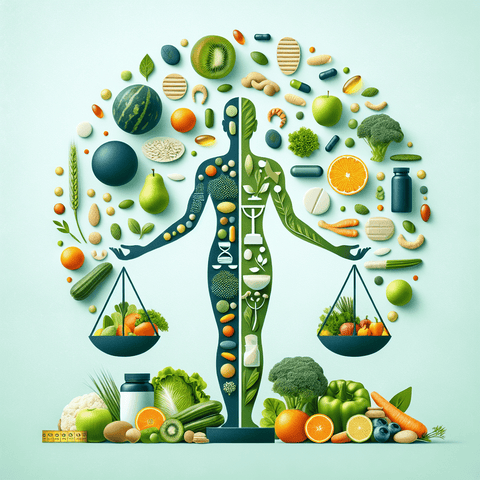
Most people recognize that a diet full of fast food, sugary drinks, and processed snacks is not ideal. Yet unhealthy eating habits go beyond the occasional indulgence. They often involve subtle, ingrained patterns that slowly undermine energy, mood, and long-term health. This guide explores what unhealthy eating habits look like, how they can affect your body and nutrient status, and the practical steps you can take to build more supportive patterns for the long term.
What Are Unhealthy Eating Habits?
An unhealthy eating habit is not solely defined by what you eat, but also by how, when, and why you eat. It can mean skipping meals only to overeat later, relying on caffeine to mask fatigue, or consistently choosing convenience over nourishment. It also includes a chronic overconsumption of certain nutrients—like saturated fat and added sugars—at the expense of others, such as fiber, vitamins, and minerals.
Common examples include frequent consumption of ultra-processed foods, excess sugary drinks, irregular meal timing, and eating in response to stress or emotion rather than physical hunger. The real difference between an occasional bad day and a chronic bad habit lies in frequency and impact. When unhealthy patterns become your default setting, they stop being exceptions and start shaping the body's biology.
How Poor Eating Patterns Affect Your Body and Mind
The effects of unhealthy eating habits are not always visible on the outside. Some of the most significant impacts occur below the surface, quietly affecting internal systems. While individual experiences vary, certain patterns are commonly associated with diets high in refined carbohydrates, added sugars, and processed ingredients.
Energy Fluctuations and Blood Sugar
When meals are high in refined carbohydrates and sugar, blood sugar can spike rapidly and then drop, leading to cycles of energy highs and crashes. Riding this rollercoaster can leave you exhausted and craving more sugar to get the next boost. This pattern can contribute to persistent fatigue and difficulty maintaining steady energy throughout the day.
Gut Health, Mood, and Mental Clarity
The gastrointestinal tract contains millions of neurons and is home to trillions of bacteria collectively known as the gut microbiome. This gut-brain axis is a direct communication line between digestion and the brain. A diet low in fiber and high in processed ingredients can disrupt the balance of gut bacteria, which may contribute to feelings of anxiety, brain fog, and low mood.
Chronic Inflammation
Inflammation is a natural immune response, but when it becomes chronic, it can be problematic. Diets high in ultra-processed foods, trans fats, and excess sugar are known to promote low-grade systemic inflammation. This underlying inflammation is considered a key factor in the development of many chronic conditions, including heart disease, type 2 diabetes, and certain cancers, which is why long-term dietary patterns matter.
Signs Your Eating Patterns May Be Working Against You
The signs below are not always as obvious as weight gain. They are subtle clues that your diet may be lacking the essential nutrients your body needs. Several factors can contribute to these symptoms, but dietary patterns are worth examining if you recognize them.
- Persistent fatigue even after a full night's sleep
- Sudden weight fluctuations without a clear explanation
- Frequent sugar cravings that feel difficult to control
- Skin issues that appear out of nowhere
- Mental fog and difficulty concentrating
- Constantly feeling hungry, even after meals
- Frequent illness or slow wound healing
Unhealthy Eating Habits and Nutrient Gaps
The problem with a highly processed diet is not just what it contains, but what it may be missing. When you fill up on foods high in saturated fat and added sugar, you can leave little room for nutrient-dense options. These 'empty calories' provide energy but little to no vitamins, minerals, or phytonutrients.
It is entirely possible to consume a high-calorie diet and still be undernourished. A diet that is high in calories but low in nutrients can lead to micronutrient deficiencies—a lack of essential vitamins and minerals like iron, magnesium, and vitamin B12. This paradox of overeating and undernourishment is a growing concern even in developed countries.
Key Nutrients Often Affected by Poor Diet Patterns
Certain vitamins and minerals are especially relevant when dietary patterns are less than ideal. These include:
- B vitamins, which play a role in energy metabolism
- Vitamin C, which contributes to normal immune function and antioxidant protectionLearn more about Vitamin C benefits
- Antioxidants, including vitamin E and selenium, which help neutralize free radicals
- Vitamin D and calcium, which are important for bone and muscle health
- Magnesium, which supports nerve and muscle function
- Omega-3 fatty acids (DHA and EPA), which are valuable for heart and brain health
Busy lifestyles and convenience foods often replace whole, unprocessed ingredients, making it harder to obtain the broad range of minerals the body requires. Even when meals appear balanced, factors such as food quality, individual needs, and preparation methods can reduce actual nutrient intake.
Root Causes: Why Relying on Willpower Alone Often Fails
If you have tried to change your eating habits with sheer willpower, you may have found it is a difficult battle. Several underlying factors make this approach unreliable.
Neurological Cravings and Reward Pathways
Processed foods can influence the same brain pathways associated with reward. The dopamine response from eating sugar and fat can be powerful enough to override the conscious desire to eat healthfully. This is not a simple lack of discipline; it is a neurological response that makes willpower an unreliable tool.
Sleep Deprivation and Stress
Lack of sleep disrupts hunger hormones. It lowers levels of leptin, which signals fullness, and increases ghrelin, which stimulates hunger. Similarly, chronic stress elevates cortisol, a hormone that can increase appetite and cravings for high-calorie, comforting foods. Addressing sleep and stress levels is important for gaining control over eating habits.
Emotional Eating vs. Physical Hunger
Emotional hunger is often sudden, specific to certain foods, and accompanied by feelings of anxiety or emptiness. Physical hunger develops gradually, is open to various foods, and is satisfied when the stomach is full. Learning to distinguish between the two is a fundamental step in breaking unhealthy patterns.
The Role of Nutrient Deficiencies in Cravings
Sometimes cravings may be the body's way of signaling a deficiency. For example, cravings for chocolate can sometimes indicate a magnesium deficiency, and cravings for salty foods may signal electrolyte imbalances. While this is not always the case, ensuring adequate micronutrient intake may help reduce the frequency or intensity of food cravings.
Why Even a 'Balanced' Diet May Have Limitations
Even if you eat a relatively balanced diet, you may not be getting all the nutrients you think you are. Modern realities can make it challenging to guarantee consistent micronutrient adequacy.
Nutrient Absorption Challenges
Stress, poor gut health, and certain medications can impair the body's ability to absorb nutrients from food. Chronic stress can reduce digestive enzyme output, and poor gut health can prevent efficient absorption of key vitamins and minerals. This means that even a good diet might not fully translate into optimal nutrient status.
Declining Nutrient Density in Processed Food
Modern farming practices have been associated with declines in the nutrient content of soil. Combined with the heavy processing that strips foods of their natural fiber and nutrients, this can make it harder to reach optimal nutrient levels through diet alone. When intake is insufficient, a quality supplement can serve as a practical bridge to better nutritional status.
Practical Steps to Break Unhealthy Eating Habits
Change does not require perfection, just consistency. The following strategies can help you build more supportive eating patterns.
Prioritize Healthy Fats, Protein, and Fiber
The key to feeling full and energized is building meals around these three macronutrients:
- Healthy Fats: Avocados, nuts, seeds, and olive oil slow digestion and help you feel satisfied.
- Protein: Lean meats, fish, eggs, beans, and lentils are the most satiating macronutrient.
- Fiber: Vegetables, fruits, and whole grains feed gut bacteria and help regulate blood sugar.
7 Practical Strategies for Healthier Eating
- Plan Ahead: Dedicate one hour a week to prep chopped veggies, cook grains, and portion out snacks.
- Hydrate First: Often, thirst is mistaken for hunger. Drink a glass of water before reaching for a snack.
- Use the Plate Method: Aim for half your plate vegetables, a quarter protein, and a quarter whole grains.
- Choose Satiating Snacks: Pair protein with fiber, like apple slices with nut butter or Greek yogurt with berries.
- Eat Mindfully: Put away your phone and TV. Pay attention to your food and stop when you feel comfortably full.
- Don't Ban Foods: Completely restricting certain foods often leads to overeating. Allow for the occasional treat without guilt.
- Swap, Don't Stop: Find healthier versions of your favorites, like swapping white bread for whole grain or soda for sparkling water.
Focus on Food Quality Over Calorie Counting
For sustainable change, food quality often matters more than calorie counting. A diet of 1500 calories of fast food will leave you hungry and undernourished, whereas 1500 calories of whole foods will keep you satisfied and provide essential nutrients. Focusing on nutrient density can support both weight management and overall wellbeing.
How Supplements Can Support Your Journey
Supplements can be a valuable tool, but they are most effective when used to correct specific deficiencies and fill dietary gaps. They are intended to complement, not replace, a varied diet. A high-quality multivitamin can act as a nutritional safety net for those with restrictive diets, high stress, or poor gut health.
The evidence supports certain supplements more than others. For example, omega-3 fatty acids are widely researched for their role in supporting heart, brain, and vascular health. Magnesium is involved in over 300 biochemical reactions in the body and is commonly under-consumed. Vitamin D is critical for immune function and bone health. Probiotics may help restore gut balance and support digestion. A detailed guide to these nutrients can help you make informed choices.
When considering supplements, it is wise to choose reputable brands that maintain high manufacturing standards. The multivitamin guide provides helpful information on selecting a quality product. Individual needs vary, and speaking with a healthcare professional is the best way to determine what is appropriate for you.
Important Safety Considerations
Safety should always be a priority when considering dietary changes or supplements. Many vitamins and minerals have an upper intake level, which is the maximum amount considered safe to consume daily. Exceeding these limits, particularly for fat-soluble vitamins like A, D, E, and K, can be harmful.
Extreme dieting can lead to nutrient deficiencies and a slowed metabolism. Low-carb diets can be effective, but they must be implemented carefully to ensure adequate fiber, vitamin, and mineral intake. If you have an underlying health condition like irritable bowel syndrome (IBS), type 2 diabetes, or any autoimmune disease, it is critical to speak with your doctor before starting any new supplement. Certain supplements can interact with medications or affect symptoms.
The best way to determine if you need a supplement is through a blood test. A healthcare professional can identify specific deficiencies and recommend an appropriate dose. Self-diagnosing and taking high doses of supplements can lead to imbalances and potential toxicity.
Building Healthy Habits That Last
The journey to better health is not about chasing a 'perfect' diet. It is about consistently making better choices most of the time. A healthy diet for life is colorful, varied, and centered around whole foods, with room for flexibility and occasional indulgences.
While the physical health risks of a poor diet, such as heart disease and type 2 diabetes, are well-documented, the impact on mental health is equally important. A nutritious diet supports a balanced mood, better stress resilience, and sharper cognitive function. Aging well involves both body and mind.
The approach to addressing unhealthy eating habits is multi-faceted: it involves mindful eating, prioritizing whole foods, managing stress and sleep, and using high-quality supplements to fill gaps that the modern diet may leave behind. By understanding your body's needs and making intentional choices, you can break the cycle and build a healthier, more vibrant future.