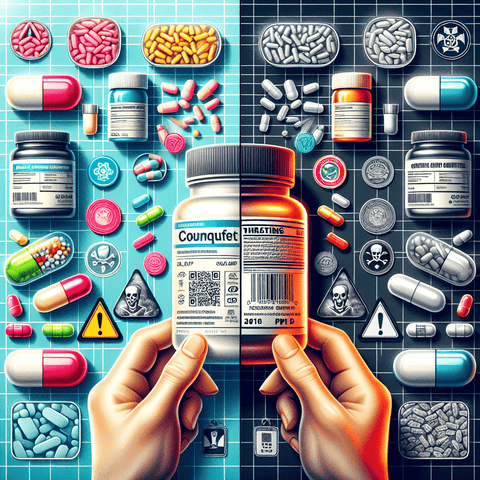
Unregulated supplements occupy a gray area in the wellness market: products that reach store shelves and online carts without the pre-market testing, approval, or verification that many consumers assume exists. Research and regulatory alerts have repeatedly found mislabeled doses, undisclosed ingredients, and contamination in some products. This article explains what "unregulated" really means, the documented risks, who is most vulnerable, how to spot warning signs, and how to evaluate supplement quality so you can make informed, safer choices about your nutrition.
Introduction: Why Unregulated Supplements Deserve a Closer Look
Walk into any pharmacy or scroll through an online store and you will find thousands of vitamins, minerals, and herbal products promising more energy, better immunity, or faster results. What many shoppers do not realize is that the supplement industry operates under a fundamentally different set of rules than pharmaceutical drugs. In most countries, supplements are not tested for safety and efficacy before they are sold.
That does not mean every product is dangerous, but it does mean the burden of quality control falls largely on manufacturers, retailers, and ultimately on you, the consumer. Understanding how this system works, where the gaps are, and which red flags to watch for can meaningfully reduce your risk of wasting money or, worse, harming your health.
What Are Unregulated Supplements? Understanding the Term
Strictly speaking, almost no supplement category is entirely "unregulated." The term is best understood as shorthand for products that face limited oversight, weak enforcement, or minimal quality verification compared with medicines. In the United States, dietary supplements are regulated under the Dietary Supplement Health and Education Act (DSHEA) of 1994, which treats them as a category of food rather than drugs.
How Supplement Regulation Works (and Where the Gaps Are)
Under DSHEA, manufacturers are legally responsible for ensuring their products are safe and that labels are truthful before marketing. However, the U.S. Food and Drug Administration (FDA) generally does not review supplements for safety or effectiveness before they reach consumers. The agency typically acts only after problems are reported. New dietary ingredients (NDIs) are supposed to be notified to the FDA before sale, but enforcement gaps mean many products enter the market without this step.
Good Manufacturing Practices (GMPs) do apply to supplement production, but compliance varies widely, and inspections are resource-limited. The result: a marketplace where quality ranges from pharmaceutical-grade rigor to products with little verification at all.
Regulated vs. Unregulated Supplements: Key Differences
- Pre-market testing: Medicines must prove safety and efficacy before approval; supplements generally do not.
- Label accuracy: Drug labels are verified; supplement labels are largely self-reported by manufacturers.
- Enforcement: Contaminated or adulterated supplements are often removed only after adverse event reports accumulate.
- Quality verification: Third-party certification is voluntary for supplements, not mandatory.
Common Terms to Know: Dietary Supplements, NDI, GRAS, and Third-Party Testing
Dietary supplement covers vitamins, minerals, herbs, amino acids, enzymes, and similar products intended to supplement the diet. A New Dietary Ingredient (NDI) is an ingredient not marketed in the U.S. before October 1994, which requires a safety notification. GRAS ("Generally Recognized as Safe") is a food-ingredient designation sometimes confused with supplement approval, though it does not guarantee product quality. Third-party testing means an independent laboratory verifies identity, potency, and purity, a voluntary but important quality signal.
Why the Lack of Supplement Regulation Matters for Your Health
What Research Reveals About Mislabeling, Contamination, and Hidden Ingredients
Independent analyses have repeatedly found discrepancies between label claims and actual contents. Studies published in journals such as JAMA and BMC Medicine have reported that a meaningful percentage of herbal supplements and sports products contained ingredients not listed on the label, incorrect dosages, or outright adulteration. The FDA has issued warnings about supplements found to contain undeclared pharmaceutical drugs, including sildenafil analogues in "male enhancement" products and stimulants in weight-loss formulas.
Heavy metal contamination, particularly lead, arsenic, and cadmium in some herbal products and mineral supplements, has also been documented. These issues are not universal, but they illustrate why product origin and verification matter.
How Unverified Products Can Undermine Your Nutritional Goals
Even absent safety hazards, an inaccurately labeled supplement can quietly sabotage your nutrition plan. If a vitamin D product contains far less than the label states, someone relying on it to correct low levels may remain insufficient for months. Conversely, an over-labeled product could push intake beyond safe upper limits. In both cases, the consumer believes they are managing their intake accurately when they are not.
Potential Risks and Side Effects of Unregulated Supplements
Undeclared Ingredients, Contaminants, and Fillers
Adulterated products may contain prescription drug analogues, banned stimulants, or experimental compounds with no established safety record in humans. Contaminants can include heavy metals, pesticide residues, and microbial contamination. Fillers and excipients are usually harmless, but undisclosed allergens, such as gluten, soy, or dairy-derived ingredients, can pose real problems for sensitive individuals.
Incorrect Dosages and Inaccurate Label Claims
Under-dosing means you may receive little of the active nutrient; over-dosing carries its own risks. Fat-soluble vitamins A, D, E, and K accumulate in body tissue, so chronic excess intake can reach toxic levels. High-dose vitamin A during pregnancy, for example, is associated with teratogenic risk, which is why prenatal supplements use carefully controlled retinol amounts. Minerals such as iron and selenium have relatively narrow safety margins between beneficial and excessive intake.
Interaction Risks With Medications and Health Conditions
Supplements can interact with medications in clinically significant ways. St. John's Wort, for instance, induces liver enzymes that reduce the effectiveness of oral contraceptives, anticoagulants, and many other drugs. High-dose vitamin K can interfere with warfarin. Fish oil and ginkgo may have mild blood-thinning effects. Because unverified products may contain unpredictable ingredient amounts or hidden compounds, these risks become harder to anticipate. Anyone taking prescription medication should discuss supplements with a pharmacist or physician first.
Who Is Most at Risk From Unregulated Supplements?
Higher-Risk Groups: Pregnant Women, Children, Older Adults, and People on Medication
- Pregnant and breastfeeding women: Nutrient excesses and contaminants can affect fetal development.
- Children: Smaller body size means proportionally higher exposure to any contaminant or excessive dose.
- Older adults: Reduced kidney and liver function slows clearance of harmful substances, and polypharmacy increases interaction risk.
- People with chronic conditions or on medication: Interactions and organ stress carry greater consequences.
Lifestyle and Health Factors That Increase Exposure Risk
People pursuing rapid weight loss, intense athletic performance, or "biohacking" protocols often consume multiple high-dose products simultaneously, multiplying both interaction and contamination risk. Restricted diets, heavy alcohol use, and smoking also change nutritional needs and should be assessed with a professional rather than addressed with guesswork supplementation.
How to Tell if a Supplement Is Trustworthy: Warning Signs to Watch For
Red Flags on Labels, Websites, and Marketing Claims
- Cures, treats, or reverses disease claims — these are legally prohibited for supplements.
- "Miracle," "breakthrough," or dramatic before-and-after promises.
- Proprietary blends that hide individual ingredient amounts.
- No listed manufacturer address or contact information.
- Only sold through single websites or social media channels with no verifiable company history.
- No mention of third-party testing, GMP certification, or quality standards.
- Prices or offers that seem implausibly generous.
Categories With a Higher History of Quality and Safety Problems
Regulatory alerts have concentrated in a few categories: weight-loss, sexual enhancement, bodybuilding and pre-workout products, and some herbal blends. Consumers exploring botanicals should prioritize transparency about sourcing and testing — resources like this herbal supplement safety and sourcing guide explain what to look for. Sports supplements deserve similar scrutiny; a well-referenced overview such as this sports supplements guide can help buyers evaluate claims critically.
The Role of Quality Nutrition Before Supplementation
Why Food First: How a Balanced Diet Reduces the Need for Many Supplements
For most nutrients, a varied diet provides adequate amounts along with fiber, phytochemicals, and nutrient synergy that isolated supplements cannot replicate. Oily fish supplies omega-3 fats; leafy greens provide folate, vitamin K, and magnesium; legumes, nuts, and seeds contribute minerals and B vitamins; fortified dairy or plant milks supply calcium and often vitamin D. Prioritizing food reduces both the number of products you need and your exposure to product-quality risk.
Everyday Habits That Support Nutrient Status
- Eat a colorful variety of vegetables and fruits daily.
- Include protein sources at each meal to support amino acid and mineral intake.
- Get sensible sun exposure for vitamin D, adjusted for latitude and skin type.
- Limit ultra-processed foods that displace nutrient-dense options.
- Address sleep, stress, and physical activity, which influence how nutrients are used.
When Supplementation May Be Relevant
Situations Where Diet Alone May Not Meet Nutritional Needs
Supplementation is not inherently necessary, but certain situations are well recognized as increasing the likelihood that dietary intake falls short. These include pregnancy (folate, vitamin D, and iodine are commonly discussed), strict vegan diets (vitamin B12), limited sun exposure (vitamin D), older age (B12 absorption and vitamin D status), and restricted diets or malabsorption conditions.
How Individual Factors Like Age, Absorption, Genetics, and Health Status Change Your Needs
Nutritional requirements vary considerably between individuals. Gastric acid production declines with age, affecting B12 absorption from food. Gastrointestinal conditions such as celiac disease or Crohn's disease impair absorption of multiple nutrients. Genetic variants can influence how the body processes folate or vitamin D. Athletes may have higher needs for some nutrients, while certain medications deplete others. This variability is a key reason blanket recommendations are of limited value — and why blood testing, where validated tests exist, is often more informative than symptom-based guessing.
How to Choose Safe, High-Quality Supplements
What Third-Party Certifications and Testing Actually Mean (USP, NSF, Informed Choice)
Third-party seals indicate that an independent organization has audited manufacturing and tested products for identity, potency, and contaminants. USP Verified confirms ingredients match the label and meet contaminant limits. NSF Certified covers content testing and facility audits; NSF Certified for Sport also screens for banned substances. Informed Choice/Informed Sport focuses on doping-control screening for athletes. These certifications are voluntary and do not certify efficacy, but they substantially raise the probability that a product contains what the label claims.
Ingredient Forms, Bioavailability, and Dosage: What Matters Most
The chemical form of a nutrient can meaningfully affect absorption and tolerability. Magnesium citrate and glycinate are generally better absorbed and gentler on digestion than magnesium oxide, which is often used as a laxative. Vitamin D3 (cholecalciferol) is more effective at raising blood levels than D2 in most studies. Curcumin products differ widely in bioavailability depending on formulation technology. Vitamin K exists as K1 and several K2 forms with different metabolic roles, as discussed in this vitamin K overview. Where evidence comparing forms is limited or mixed, honest manufacturers acknowledge this rather than claiming a universal "best."
Single Ingredients vs. Combination Products
Single-ingredient products make it easier to adjust dosage and identify causes of side effects. Combination formulas offer convenience and can make sense when ingredients are consistently paired, as in a well-designed multivitamin, but they complicate dose control and can duplicate nutrients you already get from another product, risking excess intake.
Capsules, Tablets, Powders, and Liquids: Which Format Fits Your Needs
- Capsules: Often easier to swallow; generally dissolve readily.
- Tablets: Cost-effective and stable, but quality of disintegration varies between manufacturers.
- Powders: Flexible dosing and suitable for those who cannot swallow pills; taste and mixing matter.
- Liquids and softgels: Useful for fat-soluble nutrients and for children or older adults with swallowing difficulties.
Format affects convenience and sometimes absorption, but a certified high-quality tablet outperforms an unverified liquid every time.
Checking for Allergens, Additives, and Dietary Preferences
Review the "other ingredients" list for allergens such as gluten, soy, dairy, shellfish, and gelatin. Reputable manufacturers disclose facility allergen handling. Vegan, vegetarian, halal, and kosher suitability should be clearly labeled rather than implied.
How to Read a Supplement Label Like an Expert
Supplement Facts Panels, Serving Sizes, and Daily Values Explained
The Supplement Facts panel lists serving size, amount per serving, and % Daily Value (DV). A %DV above 100% is not automatically dangerous for water-soluble vitamins, but for nutrients with established tolerable upper intake levels (ULs) — vitamin A, vitamin D, iron, zinc, selenium, and niacin, among others — total daily intake from all sources, including fortified foods and other supplements, should be considered. Note whether values are per capsule or per serving; some products require multiple capsules to reach the stated dose.
Understanding Ingredient Forms, Proprietary Blends, and Strength Claims
Look for the specific chemical form in parentheses, e.g., "magnesium (as magnesium glycinate)." Be wary of "proprietary blend" listings that group ingredients with only a total weight, hiding whether a key ingredient is meaningfully dosed. "Standardized extract" percentages (e.g., 95% curcuminoids) indicate the concentration of active compounds and are a useful transparency marker.
Who May Benefit Most From Choosing Carefully Vetted Supplements
Because quality verification matters most when a supplement is relied upon to correct or maintain nutrient status, the people who benefit most from vetted products are those with established or likely higher needs: pregnant women, vegans, older adults, people with malabsorption, and anyone taking supplements long-term. If you are evaluating vitamin and mineral products, prioritizing verified manufacturers — whether browsing vitamin D products or a broader multivitamin selection guide — is a more reliable strategy than judging by price or packaging alone.
Safety First: Interactions, Upper Limits, and When to Talk to a Professional
Situations That Warrant Medical Guidance or Blood Testing
Consult a healthcare professional before supplementing if you are pregnant or breastfeeding, take prescription medication, manage a chronic condition, are scheduled for surgery, or plan long-term high-dose intake of any nutrient. Symptoms alone — fatigue, hair loss, poor sleep — rarely identify a specific deficiency reliably. For nutrients such as vitamin D, B12, folate, iron, and ferritin, validated blood tests offer far more useful information than trial-and-error supplementation, and they prevent unnecessary exposure to products that may not be needed.
Diet, Lifestyle, or Supplements? How to Make the Right Decision for You
A Simple Framework for Evaluating Whether You Need a Supplement
- Assess your diet first. Could a realistic dietary change address the gap?
- Consider your individual risk factors. Age, diet pattern, sun exposure, medications, and health conditions all matter.
- Test where testing is meaningful. For key nutrients, a blood test beats guessing.
- If supplementing, verify quality. Choose third-party tested products with transparent labels.
- Start conservatively. Avoid mega-doses unless guided by a professional, and review your stack periodically.
Key Takeaways
- Supplements are regulated more loosely than drugs: most products reach the market without pre-market safety or efficacy testing.
- "Unregulated" does not mean universally dangerous, but label accuracy and purity are not guaranteed unless independently verified.
- Documented problems include under- or over-dosing, undeclared pharmaceutical ingredients, and heavy metal contamination in some products.
- Weight-loss, sexual enhancement, bodybuilding, and some herbal blend categories account for a disproportionate share of safety alerts.
- Pregnant women, children, older adults, and people on medication face the highest risks from poor-quality products.
- A food-first approach reduces the number of supplements needed and the associated quality risk.
- Third-party certifications (USP, NSF, Informed Choice) are the most practical quality signal available to consumers.
- Blood testing for nutrients such as vitamin D, B12, and iron is more reliable than symptom-based self-diagnosis.
- Always consider total intake across all products, and seek professional advice before high-dose or long-term supplementation.
Frequently Asked Questions
What does "unregulated supplement" actually mean?
It typically refers to dietary supplements sold without independent verification of their contents. While basic regulations exist, manufacturers are largely responsible for their own safety and label accuracy, and regulators usually act only after problems surface.
Are all supplements risky because of weak regulation?
No. Many manufacturers follow good practices, and third-party tested products from established brands are generally reliable. The risk concentrates in unverified products, especially in categories with a history of adulteration.
How can I check if a supplement contains what the label says?
Look for third-party certification seals such as USP Verified, NSF, or Informed Choice. These indicate independent laboratory testing for identity, potency, and contaminants. Absent a seal, there is usually no reliable verification.
Can unregulated supplements contain prescription drugs?
Yes. The FDA has issued hundreds of alerts for supplements adulterated with hidden pharmaceutical ingredients, most commonly in weight-loss, sexual enhancement, and bodybuilding products.
Which nutrients are most dangerous in excessive doses?
Fat-soluble vitamins (A, D, E, K) accumulate in the body, and minerals such as iron, selenium, and zinc have narrow safety margins. Chronic excess intake of these should be avoided without professional guidance.
Do I need a supplement if I eat a balanced diet?
Often not. However, certain situations — pregnancy, veganism, limited sun exposure, older age, and malabsorption conditions — commonly create gaps that diet alone may not close. Testing can clarify whether supplementation is warranted.
Is third-party testing the same as FDA approval?
No. The FDA does not "approve" supplements. Third-party testing is voluntary verification of product contents and purity by an independent organization, which is a quality signal rather than an efficacy endorsement.
Are herbal supplements more risky than vitamins?
Herbal products have historically shown higher rates of adulteration, misidentification of plant material, and contamination, partly due to complex supply chains. Choosing brands with transparent sourcing and testing reduces this risk.
Can supplements interact with my medications?
Yes. Examples include St. John's Wort reducing the effectiveness of many drugs, vitamin K interfering with warfarin, and some supplements affecting blood clotting. Always check with a pharmacist or physician before combining.
How do I know if I'm actually deficient in a nutrient?
Symptoms are usually non-specific and unreliable on their own. Validated blood tests exist for nutrients such as vitamin D, B12, folate, iron, and ferritin, and they provide far more accurate information than symptom-based guessing.
Is a more expensive supplement always better quality?
Not necessarily. Price reflects branding and formulation choices as much as quality. Certification seals, transparent labeling, and the manufacturer's testing practices are better indicators than cost alone.
Should I stop taking all my supplements while this is investigated?
Do not stop any supplement your healthcare provider has recommended, especially during pregnancy or for a diagnosed deficiency. If you are taking multiple unverified products, review them with a professional rather than discontinuing abruptly.
Final Thoughts: Making Informed Choices in an Unregulated Supplement Market
The supplement market offers genuine value for people with real nutritional gaps, but it also demands more consumer diligence than most shoppers expect. Start with food and lifestyle, recognize that your needs differ from anyone else's, use testing rather than guesswork where possible, and when you do supplement, choose products with verifiable quality standards. In a marketplace where the label is only a claim, informed skepticism — paired with practical evaluation tools — is your most effective protection.
Related Keywords
- unregulated supplements
- supplement safety risks
- third-party tested supplements
- supplement label accuracy
- adulterated supplements
- supplement contamination heavy metals
- USP NSF Informed Choice certification
- supplement drug interactions
- supplement red flags
- bioavailability of vitamin forms
- tolerable upper intake levels
- food first vs supplements
- choosing high quality vitamins