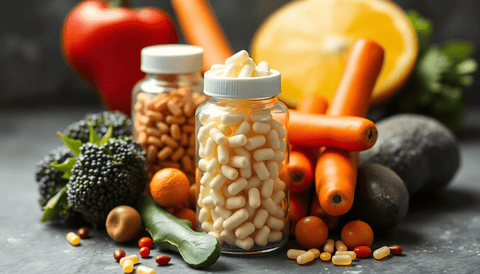
Vegan nutrition is the practice of meeting all of your nutritional needs through plant-based foods, and it raises one central question: can a diet without animal products truly support long-term health, energy, and adequate protein intake? The evidence suggests it can — but only when it is planned with some knowledge of which nutrients require attention. In this guide, you will learn what vegan nutrition involves, how plant-based protein compares with animal protein, which nutrients are typically lower in a vegan diet, and when supplementation may be a sensible addition to a well-constructed food-first approach.
What Is Vegan Nutrition and What Does It Involve?
Vegan nutrition refers to an eating pattern that excludes all animal-derived foods — meat, fish, dairy, eggs, and usually honey — and relies instead on vegetables, fruits, legumes, grains, nuts, seeds, and plant-based alternatives. Because it eliminates entire food groups, a vegan diet is not automatically healthy or unhealthy; its quality depends on food choices, variety, and planning. A diet built around whole plant foods can be nutritionally complete, while a poorly planned one can fall short in several key nutrients.
The Difference Between Vegan and Vegetarian Diets
Vegetarian diets exclude meat and fish but typically include dairy and eggs, which are reliable sources of vitamin B12, complete protein, calcium, and iodine. Vegan diets exclude all of these, which makes certain nutrients — especially vitamin B12 — non-negotiable to address through fortified foods or supplements. In practical terms, this means a vegan diet requires somewhat more deliberate planning than a lacto-ovo vegetarian diet, but the foundational principles of both are similar: emphasize whole foods, variety, and adequate protein at each meal.
Can You Get Enough Protein on a Vegan Diet?
Yes — protein adequacy on a vegan diet is well supported by evidence, provided energy intake is sufficient and protein sources are varied. Legumes, soy products, seitan, quinoa, nuts, and seeds all contribute meaningful amounts of protein. Because individual plant proteins differ in their amino acid profiles, eating a variety of sources throughout the day naturally covers all essential amino acids; there is no need to combine specific foods at the same meal. Requirements vary with body weight, age, and activity level, and athletes generally need more protein than sedentary individuals — a topic covered further below.
Why a Balanced Vegan Diet Matters for Your Health
A well-planned vegan diet is typically rich in fiber, potassium, magnesium, folate, antioxidants, and unsaturated fats, while low in saturated fat and free of dietary cholesterol. These characteristics are widely regarded as favorable in nutrition research. At the same time, balance matters: the same restrictive pattern that reduces saturated fat can also reduce intake of vitamin B12, iron, zinc, calcium, iodine, and long-chain omega-3 fatty acids if no deliberate replacements are made.
How Vegan Eating Patterns Affect Heart Health and Metabolic Markers
Research consistently associates plant-based eating patterns with lower LDL cholesterol, lower body weight on average, and favorable blood pressure — outcomes largely attributed to higher fiber intake, replacing saturated fat with unsaturated fats, and greater consumption of vegetables, legumes, and whole grains. It is important to note that these are associations and patterns observed in studies of dietary patterns, not proof that a vegan diet prevents any specific disease. Highly processed vegan foods, such as refined snacks and sweetened plant-based drinks, do not carry the same profile.
Which Nutrients Are Typically Lower in a Vegan Diet
Position papers from professional dietetic organizations identify a short list of nutrients that deserve attention in vegan diets:
- Vitamin B12 — essentially absent from unfortified plant foods
- Vitamin D — depends on sun exposure; few plant foods contain it naturally
- Long-chain omega-3s (EPA and DHA) — found mainly in fatty fish; plants provide ALA, which converts inefficiently
- Iron and zinc — present in plants but less bioavailable due to phytates
- Calcium — depends on choice of greens, fortified drinks, and tofu
- Iodine and selenium — variable depending on soil, salt, and fish intake
- Choline — concentrated in eggs, requiring plant-based alternatives
You can read more about specific micronutrients in our guides to B vitamins and minerals including iron, zinc, selenium, and iodine.
Common Signs You May Be Missing Key Nutrients
Nutrient gaps develop gradually, and the body usually adapts for months or even years before clear symptoms appear. Recognizing possible warning signs is useful — but interpreting them correctly is essential.
Fatigue, Weakness, and Other Physical Signs of Low Intake
Persistent fatigue, reduced exercise tolerance, unusual weakness, brittle hair and nails, frequent infections, or slow wound healing have all been associated with various nutrient shortfalls, including low iron, B12, vitamin D, or inadequate energy intake overall. None of these symptoms is specific, however. The same fatigue may stem from poor sleep, stress, under-eating, or an unrelated medical condition.
Why Symptoms Alone Don't Diagnose a Deficiency
Symptoms overlap heavily between nutrients and with non-nutritional causes, which makes self-diagnosis unreliable. A blood test for iron status (ferritin), vitamin B12, or vitamin D provides far more actionable information than guessing, and deficiency diagnoses should always involve a healthcare professional. If you feel persistently unwell on a vegan diet, testing and clinical assessment are more useful than starting high-dose supplements on your own.
Factors That Increase the Risk of Nutrient Gaps on a Vegan Diet
Not all vegan diets carry the same risk. Three factors largely determine whether a plant-based pattern meets nutritional needs over time.
How Restrictive Eating Patterns Create Gaps
The more foods are excluded, the fewer dietary routes remain for each nutrient. Vegans who also avoid gluten, soy, nuts, or fortified products face compounded limitations. Each additional restriction increases the importance of knowing exactly which foods supply which nutrients — or of professional guidance.
The Impact of Poor Meal Planning vs. Whole-Food Variety
Studies of vegan diets consistently show a split between well-planned patterns centered on legumes, whole grains, and vegetables, and unplanned patterns dominated by refined carbohydrates and processed alternatives. The former tends to meet most nutrient targets apart from B12; the latter can fall short on protein, iron, calcium, and overall energy. Variety across plant food groups is the single most protective dietary habit.
Absorption Issues and the Role of Pre-Existing Health Conditions
Some people absorb nutrients poorly regardless of diet. Conditions such as celiac disease, inflammatory bowel disease, pernicious anemia, or a history of gastric surgery impair absorption of B12, iron, and other nutrients. Certain medications, including metformin and long-term acid reducers, can also lower B12 status. For anyone with these factors, a vegan diet raises the likelihood that food alone will not be sufficient and that testing and professional input are warranted.
Why Nutrient Needs Vary Among Vegans
There is no single vegan nutritional prescription. Requirements shift with life stage, body size, and physical activity.
How Age and Life Stage Affect Requirements
Pregnancy and breastfeeding raise requirements for protein, iron, iodine, choline, folate, and B12. Older adults often absorb B12 less efficiently due to reduced stomach acid and generally need more vitamin D. Infants and children on vegan diets require particular care with energy density, B12, and DHA, and should only follow such diets with professional guidance.
Athletes and Active Individuals: Higher Demands for Protein and Energy
Endurance and strength athletes need more total protein per kilogram of body weight and more total energy. On a plant-based diet, the higher fiber content of whole foods can make it harder to eat enough calories, so energy-dense options like nuts, nut butters, seeds, and soy products become especially useful. Athletes may also want to pay attention to iron, since losses increase with intense training. Our sports supplements guide covers this area in more depth.
How to Meet Your Protein and Nutrient Needs Through Food First
A food-first approach works well for vegan nutrition because whole plant foods deliver protein, minerals, fiber, and phytochemicals together, in forms the body is well adapted to process.
Top Plant-Based Protein Sources (Legumes, Soy, Seitan, and Quinoa)
The most protein-dense vegan staples include:
- Legumes: lentils, chickpeas, black beans, and split peas
- Soy foods: tofu, tempeh, edamame, and soy milk — complete proteins
- Seitan: wheat gluten, very high in protein but not suitable for people with celiac disease
- Quinoa and buckwheat: pseudo-grains with relatively complete amino acid profiles
- Nuts and seeds: hemp, pumpkin seeds, peanuts, and almond butter
Including a substantial protein source at each meal is the simplest strategy for hitting daily targets.
The Importance of Iron, Zinc, and Calcium-Rich Plant Foods
Good iron sources include lentils, tofu, pumpkin seeds, and fortified cereals; zinc is concentrated in legumes, whole grains, and seeds; calcium is well supplied by calcium-set tofu, fortified plant milks, kale, bok choy, and almonds. Because mineral bioavailability from plants is lower than from animal foods, consistent daily intake matters more than occasional large portions.
How to Enhance Iron Absorption with Vitamin C
Vitamin C substantially improves absorption of non-heme (plant) iron when consumed in the same meal. Practical pairings include lentil soup with bell pepper, oatmeal with orange slices, or bean salad with lemon juice. Conversely, tea, coffee, and calcium supplements taken with meals can inhibit iron absorption, so separating them by an hour or two is a simple optimization. Learn more about vitamin C.
Cooking and Food Preparation Strategies That Support Nutrient Retention
Soaking, sprouting, and fermenting legumes and grains reduce phytates and improve mineral absorption. Cooking tomatoes increases lycopene availability, while brief steaming preserves vitamin C and folate better than prolonged boiling. Keeping edible peels on, cooking in cast-iron pans, and avoiding overcooking vegetables are small habits that collectively improve nutrient retention.
Nutrients That May Require Extra Attention (and Why You Shouldn't Skip Them)
A few nutrients are genuinely difficult to obtain from plants alone, regardless of how well the diet is planned.
The Critical Role of Vitamin B12 in Vegan Diets
Vitamin B12 is produced by bacteria and is found naturally only in animal foods. Unfortified plant foods — including fermented foods and algae — cannot be relied upon to provide reliable amounts. Long-term B12 inadequacy can affect the nervous system and blood formation, sometimes irreversibly, which is why essentially all major health organizations recommend that vegans consume fortified foods or a B12 supplement consistently.
Why Vitamin D and Omega-3s Are Tricky to Get from Plants Alone
Vitamin D is synthesized in the skin from sun exposure; dietary sources are mainly oily fish and fortified foods. People with limited sun exposure, darker skin, or northern living conditions often have lower vitamin D status regardless of diet. For omega-3s, plants supply ALA (in flaxseed, chia, and walnuts), but the conversion of ALA to EPA and, especially, DHA is inefficient in humans. Algae oil is the only direct plant-based source of preformed DHA and EPA. See our vitamin D and DHA and EPA omega-3 guides for details.
Iodine, Selenium, and Choline — The Often-Overlooked Nutrients
Iodine intake among vegans varies enormously: iodized salt and seaweed are plant-based sources, but seaweed can also deliver excessive iodine. Selenium depends heavily on soil content; Brazil nuts are exceptionally rich, with one to two nuts often covering daily needs. Choline is found in soybeans, quinoa, and cruciferous vegetables, though reaching adequate intakes without eggs requires some attention. These three nutrients rarely appear on supplement marketing, yet gaps are documented in vegan populations.
When Supplementation May Be Reasonable on a Vegan Diet
Supplementation is not a failure of veganism — for certain nutrients, it is simply the most reliable route to adequacy. The question is which supplements, for whom, and at what stage.
Vegan Diets That Are Strict, Unplanned, or Unbalanced
If the diet relies heavily on processed foods, excludes fortified products, or was adopted recently without adjustments, the likelihood of gaps is higher. B12 supplementation should be considered non-negotiable for virtually all vegans; other supplements are best added based on diet quality and, ideally, testing.
Population Groups with Higher Nutrient Needs (Pregnancy, Vegans Over 50)
Pregnant and breastfeeding vegans, infants and children, adults over 50, and people with malabsorption conditions have elevated needs or reduced absorption efficiency. For these groups, supplements — or at minimum professional assessment — are more clearly indicated than for healthy young adults eating a varied vegan diet.
How to Identify a True Need for Supplements vs. a Dietary Shortcut
A useful test: can the nutrient realistically be obtained from food in your circumstances? B12 and vitamin D in winter are clear cases where supplementation is pragmatic. Protein, iron, and calcium, by contrast, can usually be addressed through dietary adjustment first — using a supplement to "fix" an otherwise poorly constructed diet tends to mask the underlying issue.
How to Choose High-Quality Vegan Supplements
Once supplementation is warranted, product choice matters more for some nutrients than others.
Key Forms of B12, D3, and Omega-3s for Vegans (e.g., Cyanocobalamin, Algae Oil)
For B12, cyanocobalamin is the most studied and stable form; methylcobalamin is a common alternative with somewhat less supporting research but appears similarly usable. Vitamin D3 was historically derived from lanolin (wool), but vegan D3 from lichen is widely available; D2 is plant-derived but may be less effective at maintaining blood levels. For omega-3s, algae oil directly supplies DHA and EPA and avoids fish entirely. Iodine from potassium iodide provides predictable dosing, unlike kelp.
Single-Ingredient Supplements vs. Vegan Multivitamins: What to Choose
Single-ingredient supplements allow precise dosing and are ideal for B12 or vitamin D. A vegan multivitamin may suit people who want broad coverage of iodine, zinc, selenium, and B12 in one product, but check that it does not contain iron or iodine in amounts that exceed your needs — more is not better. Our multivitamin guide explains how to evaluate these products.
What to Look For in an Independent Tested Supplement
Quality markers include third-party testing or certification, transparent labeling of active ingredient amounts, declared allergens, suitability for vegans (checking capsule sources such as gelatin), and responsible manufacturing standards. Brands that publish ingredient sources and testing practices make it easier to verify what you are actually taking.
Reading and Understanding a Vegan Supplement Label
Labels are where marketing meets regulation, and learning to read them prevents both underdosing and overdosing.
Active Ingredient Names vs. Commercial Brand Names
The label lists the chemical form of the nutrient — for example, "cyanocobalamin" or "cholecalciferol" — not a brand name. Brand names may disguise proprietary blends where individual amounts are unclear. Prioritize products that state the exact amount of each active ingredient rather than hiding them in a blend.
Cross-Referencing Serving Size, Amount Per Serving, and Daily Value
Always check whether the stated amount refers to one capsule or a serving of two or three. The Daily Value percentage tells you how the dose compares to general adult reference intakes, which helps identify products that dramatically exceed normal needs. For iron, zinc, and iodine in particular, adding up totals from a multivitamin plus individual supplements matters, since these minerals have established upper safety limits.
Who Should Consider Supplementation (and Who Probably Doesn't Need It)
A simplified view: B12 is a near-universal need for vegans; everything else is situational.
Vegan Adults Who Might Benefit from a Basic B12 or Multivitamin
A healthy adult eating a varied, whole-food vegan diet with fortified foods may need nothing beyond B12 and possibly vitamin D in low-sun months. Those with limited dietary variety, low intake of fortified foods, or higher demands (athletes, older adults) may reasonably consider a broader vegan multivitamin or targeted additions such as algae-based omega-3s.
When Blood Tests or Professional Guidance Can Help
Blood work — such as ferritin, B12, and vitamin D status — removes guesswork and is particularly valuable before starting iron, which should generally not be supplemented without confirmed need. Registered dietitians familiar with plant-based nutrition, or physicians, can interpret results in context and help tailor a plan. Assessment belongs to clinical care; educational content like this article cannot substitute for it.
Vegan Supplement Safety and Precautions
Supplements are generally safe at normal doses, but a few nutrients common in vegan regimens deserve specific caution.
Potential Interactions with Medications or Other Supplements
Iron can reduce the absorption of certain medications, including some thyroid medications and antibiotics, and should be taken at a different time of day. High-dose zinc over long periods can interfere with copper status. Vitamin K-rich supplements may be relevant for people taking anticoagulants. Always inform your healthcare provider about all supplements you take, especially if you use prescription medication.
Upper Limits for B12, Iron, and Zinc — What Not to Overdo
B12 has no established toxic upper limit and excess is excreted, though very high doses are rarely necessary. Iron and zinc, however, do have established upper intake levels; chronic excess iron can cause gastrointestinal harm and, in susceptible individuals, more serious problems, while excess zinc impairs copper absorption and immune function. More is not better, and megadoses should only follow professional advice.
How to Decide If You Need Supplementation or Just a Better Diet
Before buying anything, a short self-audit can clarify whether food adjustments would be more effective than new products.
Steps to Audit Your Current Vegan Diet Before Buying Anything
- Confirm a reliable B12 source is present daily — fortified food or supplement
- Check that a legume, soy, or seitan protein source appears at most meals
- Count your weekly servings of iron- and zinc-rich foods and whether vitamin C accompanies them
- Verify your calcium sources: calcium-set tofu, fortified milk alternatives, or low-oxalate greens
- Review iodized salt or seaweed use, and omega-3 sources like flaxseed, chia, or algae oil
- Note your sun exposure and consider whether vitamin D deserves attention in winter
Gaps you can close with food — such as adding lentils or fortified plant milk — are usually best addressed there. Gaps that are structural (B12, DHA, winter vitamin D) justify supplementation.
Questions to Ask a Healthcare Provider Familiar with Plant-Based Diets
Useful questions include: Should my B12 intake be from food fortification or a supplement, and how much? Would a ferritin or vitamin D test be informative in my case? Do any of my medications affect nutrient absorption? Given my age and life stage, are there nutrients beyond B12 you would monitor? A provider familiar with plant-based diets can answer these efficiently and prevent unnecessary supplementation.
Final Takeaway: How to Build a Nutrient-Complete Vegan Diet with Confidence
A nutrient-complete vegan diet is built on three pillars: variety of whole plant foods for protein and minerals, reliable fortified sources or supplements for B12 (and typically vitamin D), and periodic self-assessment to catch what life circumstances change. Most vegans need only one or two consistent supplements; the rest is achievable through thoughtful food choices. Individual needs vary with age, health status, and lifestyle, so when in doubt, testing and professional guidance beat guesswork. Supplementation complements a good diet — it never replaces one.
Key Takeaways
- A well-planned vegan diet can meet protein needs through legumes, soy foods, seitan, quinoa, nuts, and seeds without requiring precise food combining.
- Vitamin B12 is essentially unavailable from unfortified plant foods and should be obtained by all vegans through fortified foods or supplements.
- Iron, zinc, and calcium are present in plant foods but are less bioavailable; variety and consistent intake matter.
- Vitamin C eaten alongside plant iron substantially improves absorption.
- Preformed EPA and DHA come only from algae oil on a vegan diet; plant ALA converts inefficiently.
- Iodine, selenium, and choline are frequently overlooked but relevant nutrients for vegans.
- Symptoms like fatigue are not reliable indicators of deficiency; blood testing provides more accurate information.
- Iron and zinc have established upper intake levels, and long-term high doses can cause harm.
- Pregnant women, children, adults over 50, and people with absorption conditions should seek professional guidance on a vegan diet.
- Supplements should fill structural gaps — not compensate for an unbalanced overall diet.
Frequently Asked Questions
Can you get enough protein on a vegan diet?
Yes, provided you eat enough total calories and include varied protein sources such as legumes, soy, seitan, and whole grains. Eating a protein source at each meal is the simplest way to meet daily needs. Athletes may need to be somewhat more deliberate due to higher requirements.
Do vegans need to take vitamin B12?
Essentially all major health organizations recommend that vegans obtain B12 from fortified foods or supplements, since unfortified plant foods do not provide reliable amounts. Long-term inadequacy can affect the nervous system and blood cells, so this is the one supplement most vegans should not skip.
What are the best plant-based protein sources?
Lentils, chickpeas, beans, tofu, tempeh, edamame, seitan, quinoa, and hemp seeds are among the most protein-dense options. Soy foods provide complete protein, and variety across sources covers all essential amino acids.
Which nutrients are hardest to get from plants alone?
Vitamin B12, preformed omega-3s (EPA and DHA), and vitamin D are the most difficult. Iodine, selenium, and choline can be obtained from plants but require deliberate food choices and can vary widely depending on soil and food selection.
How can I improve iron absorption from plant foods?
Pair iron-rich meals with vitamin C sources such as citrus, bell peppers, or tomatoes. Avoid tea and coffee with meals, and separate calcium supplements from iron-rich meals. Soaking and sprouting legumes and grains also improves mineral bioavailability.
Is vegan D3 as effective as regular vitamin D3?
Vegan D3 from lichen is chemically the same as cholecalciferol from lanolin and is expected to work similarly. Vitamin D2 is plant-derived but may be less effective at raising and maintaining blood levels of vitamin D.
Where do vegans get omega-3 DHA and EPA?
Algae oil is the only direct plant-based source of DHA and EPA. Flaxseed, chia, and walnuts provide ALA, which the body converts only inefficiently to DHA, so algae oil is the practical option for those wanting preformed omega-3s.
How much B12 should a vegan take?
Dosing depends on the form and frequency — lower daily doses or higher less-frequent doses can both be effective. Rather than self-prescribing high doses, follow product label guidance or consult a healthcare provider, especially if you have absorption issues.
Can you take too much iron or zinc?
Yes. Both have established upper intake levels, and chronic excess can cause harm — iron can damage the gastrointestinal tract and zinc can impair copper absorption. Iron supplementation is best undertaken only after testing confirms a need.
Are vegan multivitamins necessary if I eat a healthy diet?
Not necessarily. A varied whole-food vegan diet with fortified products may cover most needs apart from B12. A multivitamin can be a convenient safety net for iodine, zinc, selenium, and B12, but check doses so you don't exceed upper limits when combined with other supplements.
Do vegan athletes need more protein?
Athletes generally need more protein per kilogram of body weight than sedentary people, regardless of diet type. On a plant-based diet, energy-dense foods like nuts, seeds, and soy help meet both higher protein and higher calorie needs, since high-fiber foods can be filling.
When should a vegan get blood tests?
Testing is most useful for people with persistent fatigue, a very restrictive diet, malabsorption conditions, pregnancy, or long-term veganism without prior assessment. Ferritin, B12, and vitamin D are common starting points, interpreted by a healthcare professional.
Related Keywords
- vegan nutrition
- plant-based diet guide
- vegan protein sources
- vegan vitamin B12 supplementation
- vegan iron absorption
- algae oil omega-3 DHA EPA
- vegan multivitamin
- plant-based calcium sources
- vegan diet health benefits
- vegan nutrient deficiencies
- whole-food vegan diet
- vegan pregnancy nutrition
- iodine and selenium for vegans
- vegan supplement quality and safety