
Discover the top vegan omega-3 sources—flaxseed, chia, hemp, algae, and more. This page highlights plant-based options that fit into everyday cooking, with a focus on how these vegan omega-3 sources show up in meals, snacks, and kitchen routines. Explore flavors, textures, and simple ways to incorporate them into your cooking. Whether you're stocking a pantry for flavor depth or planning a week of varied dishes, these options offer flexible ideas. Flaxseed and chia are compact options that adapt to many preparations. Ground flaxseed blends into smoothies, stirred into yogurt, or baked into breads and muffins. Chia seeds form thickened textures when mixed with liquid, making puddings and gravies easy to layer into recipes. Both are convenient to store and measure in familiar terms. Hemp seeds and algae-based ingredients add distinctive character. Hemp seeds bring a gentle, nutty flavor to salads, cereals, and baked goods. Algae-based products such as algae oil, spirulina powder, and dried seaweed extend the range of preparations—stir into dressings, blend into smoothies, or use as finishing accents. Beyond the core options, other vegan omega-3 sources include walnuts, perilla oil, and certain sea vegetables. They appear in a variety of forms—from oils and milks to powders and flakes—that can integrate with many dishes. The varied landscape of vegan omega-3 sources invites creativity in the kitchen, helping you mix textures and flavors across recipes.
Top Vegan Omega-3 Sources: Plant-Based Options for Your Health

Why Choosing the Right Omega-3 Supplement MattersOmega-3 supplements support heart, brain, eye, and joint health, but not all products are equal. The key is to choose a supplement with clearly labeled amounts of EPA and DHA, the two active long-chain omega-3s. Look for a form your body can absorb well, like triglyceride or re-esterified triglyceride, and always opt for products that have been independently tested for purity. Certification from organizations such as IFOS, USP, or NSF is a strong indicator of quality and safety.Fish Oil vs. Algae Oil: Which Omega-3 Source Should You Choose?Fish oil remains the most common omega-3 supplement because it naturally contains EPA and DHA in a bioavailable form. However, algae oil, the original source of fish omega-3s, is a sustainable and plant-based alternative. Algae oil also contains DHA and often EPA, and is free from marine contaminants because it is produced in controlled environments. If you follow a vegan or vegetarian diet, algae oil is an effective choice.Key Factors in Selecting a High-Quality Omega-3 SupplementWhen evaluating omega-3 supplements, start by checking the Supplement Facts panel for the actual amounts of EPA and DHA per serving, not just the total fish oil. Consider the EPA-to-DHA ratio that aligns with your health goals: higher EPA for heart or mood support, higher DHA for brain and eye health. Check for third-party certifications, verify the source (fish or algae), and look for antioxidants added to prevent oxidation. Always consult your healthcare provider before starting any new supplement, especially if you are pregnant, nursing, on medication, or have a medical condition.
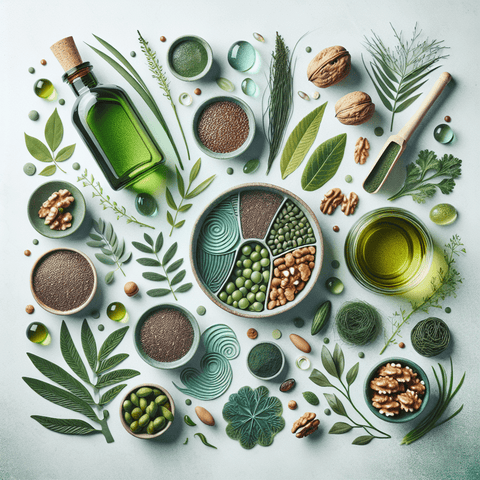
Plant-Based Omega-3: What You Need to KnowOmega-3 fatty acids are essential fats that support heart, brain, and joint health. While fish and seafood are well-known sources, plant-based eaters can get omega-3s from alpha-linolenic acid (ALA) found in certain seeds, nuts, and algae. This article focuses on the plant-based foods highest in ALA, the type of omega-3 predominant in plants, and how to optimize your intake for overall wellness.Top Plant Sources of ALA Omega-3The richest plant-based sources of ALA include flaxseeds, chia seeds, walnuts, and hemp seeds. Just one tablespoon of ground flaxseed provides about 1.6 grams of ALA, while chia seeds offer around 2.5 grams per tablespoon. Walnuts contain approximately 2.5 grams per 28-gram handful, and hemp seeds deliver about 1 gram per tablespoon. These foods are versatile and can be easily added to smoothies, salads, oatmeal, and baked goods to boost your daily omega-3 intake.Boosting EPA and DHA on a Plant-Based DietWhile ALA is beneficial, the body converts it to EPA and DHA only inefficiently—typically 5-15%. For more direct support, consider algae-based supplements, which provide EPA and DHA without fish. Combining ALA-rich foods with high-quality algae oil can help bridge the gap and ensure you meet your omega-3 needs. Always choose reputable products and consult a healthcare professional if you have specific health concerns.