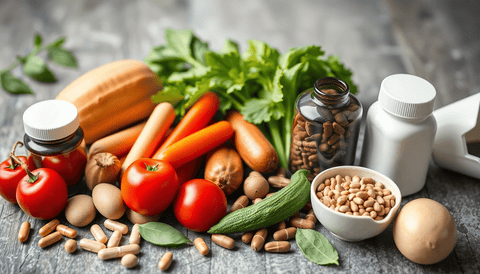
A well-planned vegan diet can meet most nutritional needs, but certain nutrients are harder to obtain from plant foods alone. Understanding vegan supplement benefits starts with knowing which nutrients are genuinely at risk, why plant-based sources sometimes differ in absorption, and when a supplement adds meaningful support rather than simply duplicating a balanced diet. This article explains the key nutrients to monitor, how vegan supplement forms differ, how diet optimization comes first, and how to choose and evaluate products safely and confidently.
What Does a Vegan Supplement Routine Actually Support?
A vegan supplement routine is not about replacing food. Its practical purpose is to cover specific nutritional gaps that are difficult or impossible to close through plant-based eating alone, and to support overall nutritional status in situations where requirements are elevated. Used selectively, supplements help maintain adequate intake of nutrients like vitamin B12, vitamin D, omega-3 EPA and DHA, iodine, and sometimes iron, zinc, or calcium.
Why Vegan Diets Can Create Specific Nutritional Gaps
Vegan diets exclude all animal products, which are the only reliable natural sources of several nutrients. Vitamin B12, for example, is produced by microorganisms and concentrated in animal foods; unfortified plant foods contain essentially none. Similarly, preformed EPA and DHA omega-3s come mainly from fish and seafood, while dairy is a major contributor to calcium and vitamin D intake in many Western diets. Removing these food groups without deliberate replacement creates predictable gaps.
It is also important to note that plant foods contain compounds such as phytates, oxalates, and tannins that can reduce mineral absorption. This means the amount of iron or zinc listed on a food label does not always reflect how much your body actually absorbs.
The Difference Between "Vegan" and "Naturally Plant-Based" Supplements
A vegan supplement contains no animal-derived ingredients, which matters more than many people realize. Gelatin capsules, vitamin D3 from lanolin (sheep's wool), omega-3 from fish oil, and some forms of B12 derived from animal sources are common in conventional supplements. A plant-based label does not automatically mean vegan — always check the capsule material and nutrient source. Algae-derived DHA, lichen-derived vitamin D3, and plant-cellulose capsules are examples of genuinely vegan formulations.
Key Nutritional Priorities for a Plant-Based Diet
Vitamin B12: The Most Critical Nutrient for Vegans
Vitamin B12 supports red blood cell formation, neurological function, and DNA synthesis. Because no unfortified plant food reliably provides active B12, supplementation is widely regarded as necessary for anyone following a fully vegan diet long-term. Intake recommendations for adults are modest — typically in the microgram range per day — and both cyanocobalamin and methylcobalamin forms are used in supplements. Consistency matters more than form for most people; long-term inadequate intake can lead to irreversible neurological effects, which is why B12 should be treated as non-negotiable rather than optional. For more detail, see our guide to vitamin B benefits, sources, and safety.
Why Iron Absorption Differs from Plant Sources
Plant foods provide non-heme iron, which is absorbed less efficiently and more variably than the heme iron found in meat. Absorption is strongly influenced by co-consumed foods: vitamin C can significantly enhance non-heme iron uptake, while tea, coffee, and phytate-rich foods can inhibit it. Iron needs also vary by sex and life stage — menstruating women have notably higher requirements. Iron supplementation should not be started casually, as excess iron can be harmful, and iron status is best confirmed through testing rather than symptom guessing. Our mineral supplements guide covers iron alongside other trace minerals.
Omega-3s (EPA and DHA): The Algae-Based Advantage
Flaxseed, chia, and walnuts provide ALA omega-3, but the conversion of ALA to EPA and — especially — DHA in the human body is limited and variable. Algae oil is the only direct vegan source of preformed EPA and DHA, making it the most practical option for vegans who want to support omega-3 status. Research on long-chain omega-3 intake in vegan populations suggests lower blood levels are common, though the clinical significance for healthy adults continues to be studied. Explore options in our DHA and EPA omega-3 supplements.
Vitamin D and Calcium: Supporting Bone Health Without Dairy
Vitamin D synthesis depends on sun exposure, which varies greatly with latitude, season, skin tone, and lifestyle. Dietary vitamin D is scarce in plant foods unless fortified, so supplementation is commonly recommended, particularly in winter months. Calcium is available from plant sources such as fortified plant milks, tofu set with calcium sulfate, kale, and tahini, and a well-planned vegan diet can meet calcium needs through food. Where fortified foods are limited, supplements may help. Learn more in our vitamin D guide and calcium overview.
Iodine, Zinc, and Selenium: Trace Minerals to Watch
Iodine intake depends heavily on iodized salt and seaweed; intakes can swing too low or — with heavy seaweed consumption — too high. Zinc from plant foods is less bioavailable due to phytates, so vegans may need slightly higher intakes. Selenium intake depends on soil content where crops are grown; in some regions, plant foods provide little, while Brazil nuts offer a concentrated but variable source. Small amounts of these trace minerals matter — more is not better, and selenium and iodine both have meaningful toxicity risks at excessive intakes.
Are Vegan Supplements Absorbed Differently?
The Role of Chelated Minerals for Better Uptake
Mineral supplements exist in various chemical forms, and form can influence absorption and tolerability. Chelated or "bisglycinate" forms of minerals such as zinc, magnesium, and iron are bound to amino acids, which may reduce binding by phytates and digestive irritation compared with simpler oxide or sulfate forms. Evidence on the magnitude of these differences varies by mineral, so chelation is best viewed as a potentially useful characteristic rather than a guarantee of superior results.
Understanding Active Vitamin Forms (Methylated B12 and B9)
B12 supplements commonly use cyanocobalamin, a stable and well-studied form the body converts to active forms. Methylcobalamin is another option. Similarly, folic acid (the synthetic form of folate) is widely used, while methylfolate (5-MTHF) is the active form. A minority of people have genetic variants affecting folate metabolism, and some prefer active forms for this reason. For most healthy people, both forms are effective at maintaining adequate status; claims that active forms are universally superior are not well supported.
How to Identify a Deficiency Commonly Associated with Vegan Diets
Signs That May Indicate a Nutrient Gap
Fatigue, reduced exercise tolerance, hair shedding, brittle nails, poor concentration, or frequent infections are sometimes associated with nutrient gaps — but none of these symptoms is specific to a deficiency. They overlap with many conditions, including stress, poor sleep, and illness. Treat symptoms as a signal to investigate, not as diagnostic evidence.
Why Blood Testing Is the Only Way to Confirm a Deficiency
Nutritional status cannot be reliably established from symptoms or general internet checklists. Blood tests — such as serum B12 (often with methylmalonic acid), ferritin for iron stores, and 25-hydroxyvitamin D — provide objective data and help distinguish a true deficiency from other causes. If you suspect a gap, a blood test through your GP or a qualified professional is a more reliable starting point than blind supplementation.
Individual Factors That Change Your Nutritional Needs
Athletes and Active Lifestyles on a Vegan Diet
Higher energy expenditure increases overall food — and therefore often nutrient — intake, but athletes also have higher demands for certain nutrients, including iron (through sweat losses and foot-strike hemolysis in runners) and possibly B-vitamins involved in energy metabolism. Vegan athletes with heavy training loads may reasonably monitor iron and B12 status more closely.
Age, Life Stage, and Digestive Health Considerations
Absorption of B12 declines with age due to reduced stomach acid, independent of diet. Digestive conditions such as celiac disease, inflammatory bowel disease, or a history of bariatric surgery can impair absorption of multiple nutrients. Older adults and anyone with gastrointestinal conditions may need higher intakes or specific forms, ideally guided by testing.
Pregnancy and Breastfeeding: Higher Demands on a Plant-Based Diet
Pregnancy and lactation raise requirements for iodine, B12, iron, folate, and choline. Vegan pregnancies require particular attention to B12 and iodine, and prenatal supplementation should always be discussed with a midwife, GP, or obstetrician, since both inadequate and excessive intake carry risks during this life stage.
Optimizing Diet Before Reaching for Supplements
The Best Whole-Food Sources for Vegan Nutrition
A nutrient-dense vegan diet includes legumes, tofu and tempeh, whole grains, nuts and seeds, dark leafy greens, fortified plant milks, and a variety of colorful vegetables. Nutritional yeast is a practical B12 source when fortified. Ground flaxseed and walnuts contribute ALA omega-3. Prioritizing these foods covers a broad spectrum of nutrients that supplements cannot replicate, including fiber and phytochemicals. Our superfoods guide explores evidence-based plant food claims.
Practical Tips for Boosting Absorption and Bioavailability
- Pair iron-rich meals with vitamin C sources such as bell peppers, citrus, or strawberries.
- Avoid tea and coffee with meals, as tannins inhibit iron and zinc absorption.
- Soak, sprout, or ferment legumes and grains to reduce phytate content.
- Consume fat-containing foods alongside fat-soluble vitamins (A, D, E, K).
- Spread mineral intake across the day; large single doses compete for absorption.
Fermented Foods and the Gut–Nutrient Connection
Fermentation reduces phytates in foods like sourdough bread and tempeh, improving mineral bioavailability. Fermented foods also contribute to a diverse gut microbiome, which supports overall digestive function. While fermented foods and probiotics are not a substitute for specific nutrient intake, they can complement a vegan diet as part of good digestive health. See our probiotics and prebiotics guide for more information.
When Supplementation Is a Reasonable Choice
Scenarios Where Diet Alone Usually Falls Short
Vitamin B12 supplementation is standard practice for vegans, not optional, because unfortified plant foods simply do not provide it. Other common scenarios include vitamin D in low-sunlight regions or seasons, algae-based omega-3s when fortified foods and ALA sources are limited, and iodine when iodized salt use is inconsistent. Iron, zinc, and calcium supplementation depends more on individual diet composition and test results.
Distinguishing Nutritional Support from Medical Treatment
Supplements support nutritional status; they do not treat or cure disease. If you have a diagnosed deficiency, anemia, bone disease, or another medical condition, supplementation may be part of a treatment plan — but that plan should be directed by a healthcare professional who can prescribe appropriate doses and monitor progress. Self-treating a suspected condition with high-dose supplements can delay proper diagnosis.
How to Choose the Right Vegan Supplement for Your Needs
Single Ingredient vs. Multivitamin: Which Is Better?
A targeted single-ingredient supplement suits confirmed or highly specific gaps — for example, algae DHA or a standalone B12. A well-formulated vegan multivitamin can offer convenience and cover multiple modest gaps at once, though doses of individual nutrients are often lower than in standalone products. The right choice depends on your diet, testing results, and how consistently you take supplements. Our multivitamin guide breaks down ingredients, usage, and safety.
Tablets vs. Capsules vs. Powders: What to Prioritize
Form affects convenience, tolerance, and sometimes absorption. Capsules often dissolve reliably and can avoid metallic mineral taste; tablets may contain more binders; powders allow flexible dosing but require accurate measuring. Liquids suit those who struggle to swallow pills. Choose the form you will actually take consistently — adherence matters more in practice than minor formulation differences.
How to Vet Third-Party Testing and Vegan Certification
Look for certifications such as Vegan Society or Leaping Bunny approval, and check whether products undergo third-party testing for purity and content accuracy. Reputable manufacturers disclose nutrient forms, ingredient origins (algae vs. fish, lanolin vs. lichen), and manufacturing standards. Transparent labeling is a stronger quality signal than marketing claims.
How to Read a Vegan Supplement Label Confidently
Decoding Nutrient Forms and Serving Sizes
Check the nutrient form in the ingredients list — "zinc bisglycinate," "methylcobalamin," "vitamin D3 from lichen" — and compare amounts against the nutrition declaration per serving, not per capsule if the serving is multiple capsules. Note whether doses refer to the elemental mineral or a compound weight, which can differ substantially.
Spotting Unnecessary Fillers and Added Ingredients
Short, purposeful ingredient lists are generally preferable. Watch for gelatin, shellac, or carmine in otherwise "plant-based" products, and be aware of allergens such as soy or gluten if relevant to you. Some added ingredients (digestive enzymes, botanical blends) offer little proven benefit at the included doses.
Who May Benefit Most from a Vegan Supplement Regimen?
Long-Term Vegans vs. Recent Transitioners
Recent transitioners transitioning gradually often retain some B12 stores, but body stores deplete over time — typically years, not weeks. Long-term vegans who have never supplemented B12 should prioritize it immediately. Conversely, long-term vegans with a consistent supplement routine benefit most from periodic testing to fine-tune rather than add products.
When Professional Guidance Is Worth Getting
A registered dietitian or physician is worth consulting if you are pregnant or breastfeeding, managing a chronic condition, taking regular medication, considering high-dose supplements, or experiencing persistent symptoms. Professional assessment can turn guesswork into a targeted, evidence-based plan.
Safety, Upper Limits, and Potential Interactions
Avoiding Excessive Intake of Fat-Soluble Vitamins
Vitamins A, D, E, and K accumulate in body tissue, and chronic high-dose use can reach toxic levels. Combining a multivitamin with additional standalone products can inadvertently exceed safe limits — check total intake across all products. Water-soluble vitamins are generally excreted, but even B6 has established upper limits due to nerve-related effects at sustained high doses.
Which Supplements May Interfere with Medications
High-dose vitamin E and omega-3 supplements can have mild blood-thinning effects, relevant for people on anticoagulants. Calcium and iron can reduce the absorption of certain antibiotics and thyroid medication when taken together. St. John's wort and other botanicals have extensive interaction profiles. If you take prescription medication, discuss supplement timing and use with a pharmacist or doctor.
Making an Informed Decision: Diet, Supplement, or Both
For most vegans, the answer is both. A well-constructed diet should always come first, providing fiber, phytochemicals, and overall dietary quality no pill can match. Targeted supplements then fill the specific, well-defined gaps — B12 as a baseline, plus vitamin D, algae omega-3, and iodine depending on your circumstances. Testing adds objectivity, and professional advice sharpens the plan when life stage, health status, or medication use complicates the picture. This layered approach delivers the genuine vegan supplement benefits: confident nutritional adequacy, not a cabinet of redundant products.
Conclusion
Vegan supplement benefits are real but specific — they lie in closing a handful of predictable nutritional gaps rather than in broad health claims. B12 is essential, vitamin D and algae-based omega-3s are commonly useful, and iron, zinc, calcium, iodine, and selenium depend on your individual diet, life stage, and test results. Start with a nutrient-dense plant-based diet, add targeted supplementation where the evidence clearly supports it, verify status with blood tests when in doubt, and seek professional guidance for higher-risk situations. Informed, measured choices — not more products — are what protect your long-term health on a vegan diet.
Frequently Asked Questions
Do vegans really need vitamin B12 supplements?
Yes. Unfortified plant foods contain no reliable active B12, so anyone following a fully vegan diet long-term should obtain B12 through fortified foods or supplements. Inadequate B12 can cause anemia and, if prolonged, irreversible nerve damage.
What are the most important vegan supplement benefits?
The main benefit is closing well-defined nutritional gaps: B12, vitamin D, EPA/DHA omega-3s, and often iodine. Targeted supplementation helps maintain normal nutritional status, which supports energy metabolism, bone health, and cognitive function.
Can you get enough omega-3 on a vegan diet without algae oil?
You can get ALA from flax, chia, and walnuts, but the body converts only a small, variable fraction to EPA and DHA. Algae oil is the only direct vegan source of preformed EPA and DHA, so many vegans choose it for practical assurance.
Is plant-based iron always poorly absorbed?
Non-heme iron from plants is absorbed less efficiently than heme iron from meat, but absorption can be substantially improved by consuming vitamin C with iron-rich meals and avoiding tea and coffee around mealtimes.
Can I take too much of a vitamin supplement?
Yes, particularly with fat-soluble vitamins A, D, E, and K, which accumulate in the body. Check total intake across all products you use, and stay within established upper intake levels unless advised otherwise by a professional.
Should I take a vegan multivitamin or individual supplements?
A multivitamin offers convenience and broad, modest coverage; individual supplements allow precise, higher-dose targeting of specific gaps. Many vegans combine both — B12 or algae DHA standalone, plus a multivitamin for smaller nutrients.
How long before I feel benefits from a supplement?
It depends on the nutrient and your starting status. Correcting a true deficiency can take weeks to months, and supplements are not designed to produce immediate noticeable effects. Blood testing is the most reliable way to track progress.
Is vegan vitamin D3 as effective as lanolin-based D3?
Lichen-derived D3 is chemically the same molecule as lanolin-derived D3 (cholecalciferol), so there is no meaningful efficacy difference — the source is simply plant-based rather than animal-derived.
Do vegan supplements need to be taken with food?
Fat-soluble vitamins (A, D, E, K) and carotenoids are best absorbed with a meal containing fat. Iron absorption improves on an empty stomach but may cause digestive discomfort; tolerability often matters more in practice.
Are vegan diets safe during pregnancy?
A well-planned vegan diet can support a healthy pregnancy, but attention to B12, iodine, iron, and folate is critical. Work with a midwife or doctor to ensure adequate intake and appropriate prenatal supplementation.
Do I need a blood test before taking supplements?
Not always — B12 supplementation is standard for vegans regardless of testing. But for iron, vitamin D, and minerals where excess carries risks, testing first is more efficient and safer than supplementing blindly.
Can vegan supplements interact with medications?
Some can. Omega-3s and high-dose vitamin E may enhance blood-thinning effects, and minerals like calcium and iron can interfere with antibiotic or thyroid medication absorption. Consult a pharmacist or doctor if you take prescription drugs.
Related Keywords
- vegan supplement benefits
- plant-based nutrition supplements
- vegan B12 supplement
- algae-based omega-3 EPA DHA
- vegan multivitamin guide
- nutrient gaps on a vegan diet
- plant-based iron absorption tips
- vegan vitamin D3 lichen source
- chelated minerals bioavailability
- methylcobalamin vs cyanocobalamin
- vegan diet bone health calcium
- vegan pregnancy nutrition needs
- trace minerals for vegans
- how to read a supplement label