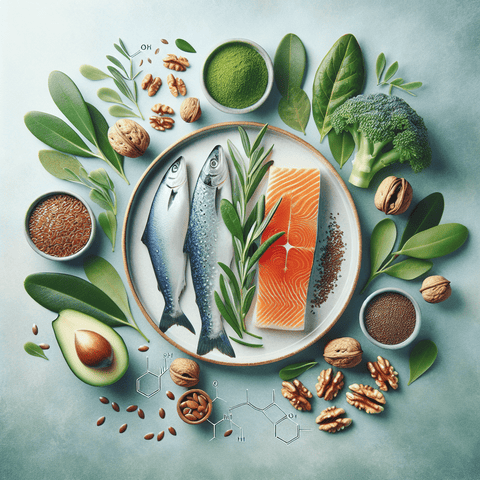
Vegetarian Omega-3: Top Plant-Based Sources You'll Love


Vegetarian Omega 3 Options: Essential Insights

Vegetarian omega 3 options are crucial for those who follow plant-based diets, as omega-3 fatty acids play significant roles in heart and brain health. Since fish is a primary source of EPA and DHA, vegetarians must rely on ALA, a plant-based omega-3 found in foods like flaxseeds, chia seeds, and walnuts. The body can convert ALA into EPA and DHA, but this process can be inefficient, leading to potential deficiencies.

Importance of Omega-3s

Research emphasizes omega-3s' role in reducing inflammation, supporting cognitive health, and lowering cardiovascular risks. For vegetarians, including quality sources like algae-derived oils can provide the needed EPA and DHA without compromising dietary choices. Consideration of overall health and lifestyle factors is essential when assessing omega-3 status.

Supplements as a Supportive Strategy

For those with limited dietary omega-3 sources, supplements are a viable option. Algal oil offers a direct source of EPA and DHA and should be considered, especially during pregnancy or for older adults with higher needs. Monitoring your intake and symptoms related to omega-3 status can be beneficial.

Explore additional nutritional options, such as vitamin D and multivitamins, to complement your health journey.


Are two eggs enough for omega-3? - Topvitamine
Apr 14, 2026
Discover whether two eggs provide sufficient omega-3s for your health. Learn how to boost your omega-3 intake naturally and make informed dietary choices today!
Which food is richest in omega-3? - Topvitamine
Jan 26, 2026
Discover the top foods highest in omega-3 fatty acids and learn how they can boost your heart and brain health. Find out which sources pack the most omega-3s today!
Which vegetable contains omega-3? - Topvitamine
Jan 10, 2026
Discover which vegetables are rich in omega-3 fatty acids and learn how to include them in your diet for better health. Find out more now!
Which fruit is highest in omega-3? - Topvitamine
Nov 25, 2025
Discover which fruit packs the most omega-3 nutritional benefits. Learn about the best natural sources of omega-3 and enhance your health today!
Which food is rich in omega-3? - Topvitamine
Oct 29, 2025
Discover the top foods packed with omega-3 fatty acids. Learn which delicious options can boost your health and support your wellness goals today!
Which foods are rich in omega-3? - Topvitamine
Oct 21, 2025
Discover the top foods high in omega-3 fatty acids and learn how to boost your health naturally. Find out which delicious options can help support your brain, heart, and overall wellness today!

As a vegetarian or vegan, ensuring an adequate intake of omega-3 fatty acids can be a challenge, especially since many of the best-known sources—such as fish—aren’t on your plate. This article will explore vegetarian omega 3 options, highlighting top plant-based sources, the role of supplements, and how to identify your unique needs. You’ll come to understand why omega-3s are important, particularly for heart and brain health, and learn how to effectively boost your intake with dietary strategies and supplements. Let's dive into the diverse world of vegetarian omega 3 options!

Core explanation of the topic

What are omega-3s?

Omega-3 fatty acids are essential fats that our bodies cannot produce. They are important for numerous functions, and the main types include:

  • Eicosapentaenoic acid (EPA): Primarily found in fish and seafood, EPA is known for its role in reducing inflammation and promoting heart health.
  • Docosahexaenoic acid (DHA): Also found in fish, DHA is vital for brain health and cognitive function.
  • Alpha-linolenic acid (ALA): A plant-based omega-3 found in foods like flaxseeds and walnuts, ALA serves as a precursor to EPA and DHA.

How plant-based sources fit into the omega-3 family

For vegetarians and vegans, ALA is the primary omega-3 source, while EPA and DHA are typically consumed via fish. This dietary difference raises the question of conversion—how efficiently ALA can be converted into EPA and DHA in the body, which is crucial for maintaining optimal health.

The essential conversion question: ALA to EPA/DHA and why it matters for vegetarians

The body can convert ALA to EPA and DHA, but this conversion is often inefficient. Factors such as genetics, dietary intake, and metabolic health can influence this process, making it a priority for vegetarians to consider their overall omega-3 status seriously.

Common plant-based sources at a glance

Here are some of the top vegetarian omega 3 options to incorporate into your diet:

  • Flaxseeds: One of the richest sources of ALA.
  • Chia seeds: High in fiber and ALA.
  • Hemp seeds: Provide a balanced ratio of omega-3 and omega-6 fatty acids.
  • Walnuts: A delicious and versatile source of ALA.
  • Algae-derived oils: Direct sources of EPA and DHA, available in supplement form.
  • Seaweed: Another good source of EPA and DHA.

Why this topic matters

Heart health and cardiovascular risk: what the evidence suggests for vegetarians

Research indicates that omega-3s play a key role in supporting heart health by lowering triglyceride levels and reducing the risk of heart disease. For individuals who do not consume fish, understanding plant-based omega 3 options can help mitigate cardiovascular risks.

Brain health and cognitive function: DHA and mental wellness considerations

DHA is particularly important for the development of the brain in infants and for cognitive health in adults. Adequate levels of DHA can support memory and overall brain function, which is essential for vegetarians to consider alongside their dietary choices.

Inflammation and joint health: potential benefits for inflammatory conditions

Omega-3s have anti-inflammatory properties, which can be beneficial in managing conditions like arthritis. Plant-based omega 3 options may assist in reducing inflammation and promoting joint health.

Development and pregnancy: omega-3 needs during pregnancy and infancy

Pregnant and breastfeeding individuals have increased omega-3 needs to support fetal development. Including sufficient vegetarian omega 3 options during this life stage is crucial.

Related symptoms, signals, or health implications

Signs that people associate with omega-3 status

Common symptoms of low omega-3 levels may include fatigue, dry skin, brittle nails, and occasional mood shifts. Recognizing these signals can be a first step in understanding one’s nutritional status.

Non-specific symptoms that could reflect multiple causes

It’s essential to consider that many symptoms associated with omega-3 deficiency could arise from other nutrient gaps or health issues. A holistic approach to symptom assessment is needed.

Inflammation-related signals: subtle joint discomfort or skin issues

Mild inflammation can manifest as joint discomfort or skin issues. Assessing dietary omega-3 intake can help identify potential deficiencies contributing to these conditions.

When to differentiate omega-3–related symptoms from other conditions

If symptoms persist despite dietary changes, it may be necessary to consult with a healthcare provider to rule out other underlying health issues.

Individual variability and uncertainty

Genetic and metabolic variability: FADS gene variations and fatty acid metabolism

Genetic factors can significantly influence how individuals metabolize omega-3 fatty acids, highlighting the importance of personalized dietary strategies based on individual needs.

Life stage and health status effects

Factors like age, pregnancy, lactation, and the presence of chronic conditions can impact omega-3 requirements and conversion efficiency, necessitating adjustments in dietary patterns.

Dietary context: how other fats, antioxidants, and overall diet influence omega-3 status

The balance of other dietary fats and nutrients can influence the metabolism of omega-3s. A diet rich in antioxidants and healthy fats can support overall fatty acid balance.

The practical takeaway: differences in conversion efficiency and dietary planning

Recognizing that not all individuals convert ALA to EPA/DHA equally can inform dietary choices and supplementation strategies for optimal health outcomes.

Why symptoms alone do not reveal root cause

Symptom overlap with other nutrient gaps and health issues

Symptoms indicative of omega-3 deficiency can overlap with other nutrient deficiencies, making it necessary to assess overall dietary habits before concluding on the cause.

The limitation of self-diagnosis based on symptoms

Self-diagnosing based solely on symptoms can lead to confusion. A comprehensive approach, including a review of dietary intake and lifestyle factors, is recommended.

The value of a broader assessment: diet history, lifestyle, and, if relevant, lipid markers

For a more accurate understanding of omega-3 status, consider discussing dietary history and health factors with a clinician, and potentially explore lipid markers to assess fatty acid levels.

The role of nutritional supplements in this topic

When supplements are appropriate for vegetarians and vegans

For those who do not consume fish, algae-derived supplements can be an excellent source of EPA and DHA. They are beneficial in helping meet daily omega-3 needs.

The scope of supplementation: EPA/DHA supplements derived from algae

Algal oil supplements provide a direct source of EPA and DHA, allowing vegetarians to obtain these important nutrients without impacting their dietary choices.

How supplements complement a plant-based omega-3-rich diet

While consuming a diet rich in ALA is essential, supplementation can help bridge the gap between dietary intake and health requirements, especially for those with increased needs.

How nutritional supplements could support

Complementing dietary intake: bridging the gap to target amounts

Supplements can help reach recommended levels of omega-3s, especially in individuals with limited dietary intake of direct sources.

Practical dosing concepts: daily ranges and personalization

While specific needs can vary, general guidelines suggest aiming for approximately 250-500 mg of combined EPA and DHA daily for health maintenance. However, personalizing intake based on individual health goals is critical.

Safety considerations: quality, purity, oxidation risk, and interactions

When choosing supplements, quality and purity are paramount. Look for third-party testing, Good Manufacturing Practices (GMP) certifications, and avoid products with a high risk of oxidation.

Broad benefits and limitations: supplements as part of an overall strategy, not a cure-all

While supplements can enhance dietary intake, they should be considered as part of a comprehensive strategy that includes a balanced diet and healthy lifestyle choices.

Decision-support section (when nutritional supplements make sense)

Situations where supplements are particularly relevant

  • Vegetarians or vegans without fish intake
  • Pregnancy, planning pregnancy, and lactation
  • Older adults or populations at higher cardiovascular risk
  • Limited dietary variety or higher inflammatory load
  • Diagnosed omega-3 deficiency concerns or suboptimal omega-3 index (if tested)

A step-by-step decision flow

  1. Assess current diet and fish/seafood intake.
  2. Estimate target EPA/DHA intake for health goals.
  3. Consider tests or indicators (e.g., omega-3 index discussion with a clinician).
  4. Decide on algae-based EPA/DHA supplementation if needed.

How to monitor impact after starting a supplement

After beginning supplementation, track symptoms, maintain dietary logs, and engage in periodic reviews with a healthcare provider. Omega-3 index testing may also provide additional insights into levels.

Practical guide to choosing and using vegetarian omega-3 supplements

Algae-derived EPA/DHA vs plant-based ALA focus: what to choose for target outcomes

For direct omega-3 benefits, algae-derived EPA and DHA are preferable. If focusing on general health and inflammation, ALA-rich sources are beneficial.

EPA:DHA ratios to consider based on health goals

You may choose formulations with higher EPA for anti-inflammatory effects, whereas higher DHA can be sought for cognitive support.

Quality and safety factors: third-party testing, GMP, and fresh-oxidation indicators

Always choose supplements that are third-party tested for purity and potency, and be wary of products that lack these quality assurances.

Packaging, freshness, and storage

Store omega-3 supplements away from light and heat to prevent oxidation, which can compromise quality.

Dosing examples and pragmatic plans

Starting with a daily dose of 250-500 mg of EPA and DHA combined is a reasonable framework, with adjustments based on individual health goals and dietary intake considered.

Potential side effects and when to seek advice

While omega-3 supplements are generally safe, they can cause mild gastrointestinal upset in some individuals. Consult a healthcare professional if experiencing adverse effects.

How to buy on Topvitamine.com

Why Topvitamine is a suitable source for vegetarian omega-3 options

Topvitamine offers a wide selection of quality vegetarian omega 3 options, including various algae-based supplements, making it a reliable choice for health-conscious consumers.

Quick-start catalog

Explore algal oil-based EPA/DHA supplements, vegan DHA, and combined EPA/DHA products to suit your dietary needs.

Navigation and filters

Use the site's filters to find vegan/vegetarian, algae-based, or specific EPA/DHA content, ensuring you can easily locate products that meet your criteria.

Quality signals and customer considerations

Look for reviews, certifications, and certificates of analysis to guide your product choices and ensure quality.

Bundles, promotions, and subscription options

Check for bundle deals and subscription options that can offer convenience and savings on your health journey.

Conclusion: connecting this topic to buying nutritional supplements on Topvitamine.com

Key takeaways

  • Vegetarian omega 3 options include a variety of ALA-rich foods and algae-derived supplements.
  • The conversion of ALA to EPA and DHA is essential for overall health but often inefficient.
  • Omega-3s play critical roles in heart health, brain function, and inflammation reduction.
  • Symptoms of deficiency may overlap with other conditions; a holistic view is necessary for assessment.
  • Supplements can help meet omega-3 requirements when dietary intake isn't sufficient.
  • Topvitamine provides a selection of quality vegetarian omega-3 options to support health goals.

Final guidance

When determining whether to include supplements in your diet, evaluate your current intake, individual health goals, and dietary restrictions. Consider exploring Topvitamine’s vegetarian omega-3 options to support a personalized nutrition plan.

Q&A Section

1. Can I get enough omega-3s from a vegetarian diet?

Yes, you can obtain omega-3s through a vegetarian diet by focusing on ALA-rich foods such as flaxseeds, chia seeds, and walnuts. Additionally, algae-derived supplements can provide direct sources of EPA and DHA.

2. What are the benefits of algae oil supplements?

Algae oil supplements are a direct source of EPA and DHA, similar to fish oils, and can help vegetarians and vegans meet their omega-3 needs without consuming animal products.

3. How much omega-3 should vegetarians aim for daily?

General recommendations suggest approximately 250-500 mg of combined EPA and DHA daily. However, specific requirements may vary based on individual health circumstances.

4. How do I know if I need omega-3 supplements?

If you have limited dietary sources of EPA and DHA or are experiencing symptoms associated with low omega-3 levels, consider discussing your intake and potential supplementation with a healthcare professional.

5. Are there any side effects of taking omega-3 supplements?

Some individuals may experience gastrointestinal discomfort or mild nausea when starting omega-3 supplements. If side effects persist, consult a healthcare provider.

6. What should I look for when purchasing omega-3 supplements?

Choose reputable brands that offer third-party testing, have good manufacturing practices, and provide clear labeling on the EPA and DHA content. Freshness and oxidation risk are also important factors to consider.

7. Can I get enough DHA from plant sources?

While plant sources primarily provide ALA, DHA can be obtained through algae-derived supplements, which are an effective alternative for those avoiding fish.

8. How do omega-3 supplements impact heart health?

Research shows that omega-3s can help lower triglyceride levels, reduce blood pressure, and diminish the risk of heart disease, making them beneficial for cardiovascular health.

9. Is ALA as effective as EPA and DHA?

ALA has health benefits, but it needs to be converted into EPA and DHA to provide similar effects. The conversion rate is generally low among many individuals, making direct sources of EPA and DHA important.

10. What foods contain the highest levels of ALA?

Flaxseeds, chia seeds, hemp seeds, and walnuts are excellent sources of ALA. Including these in your diet can help enhance your omega-3 intake as a vegetarian.

11. How can I track my omega-3 intake?

You can track your omega-3 intake by keeping a food diary that highlights the sources of ALA and DHA you consume and discussing dietary patterns with a healthcare professional.

12. What role do antioxidants play in omega-3 metabolism?

Antioxidants can help protect fatty acids from oxidation, which is crucial for maintaining the integrity of omega-3s in the body and maximizing their health benefits.

Keywords

vegetarian omega 3 options, omega-3 fatty acids, ALA sources, EPA DHA supplements, algae oil, heart health, brain function, inflammation, dietary sources, health benefits, nutritional supplements, omega-3 index