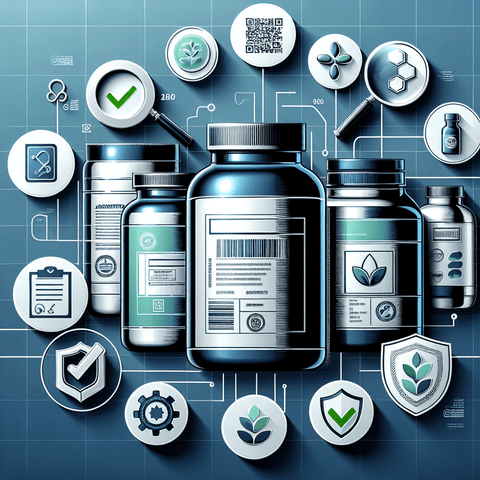
Learning how to verify supplement authenticity can protect both your health and your wallet. Counterfeit or adulterated supplements are a real concern in the online marketplace, and fake products may contain little or none of the ingredients listed on the label — or worse, undeclared substances. This guide explains what supplement authenticity means, where fake products are most often sold, the practical checks you can use to spot a counterfeit quickly, and how to choose genuine, quality-tested supplements with confidence.
Introduction: Why Verifying Supplement Authenticity Matters
The supplement market is large, fast-moving, and increasingly dominated by online sales. Unfortunately, this creates opportunities for counterfeiters who sell products that look convincing but fail to deliver what the label promises. A fake vitamin D bottle may contain filler instead of cholecalciferol; a counterfeit protein powder may be spiked with cheap amino acids or even banned substances. For consumers, the consequences range from wasted money to genuine health risks.
Verifying supplement authenticity is therefore not paranoia — it is basic consumer due diligence, especially when buying vitamins, minerals, herbal products, or sports supplements from sources you have not used before. Regulators such as the FDA and the European food safety authorities regularly warn about adulterated products, and enforcement actions against counterfeit supplement sellers occur every year.
What You'll Learn in This Guide
This article covers the difference between authentic and counterfeit supplements, the scale of the problem, the specific health risks of fake products, and eight practical checks you can perform before and after purchase. You'll also learn how to read a supplement label critically, how to evaluate third-party certifications, and how to build a short pre-checkout verification checklist you can reuse for every purchase.
What Does Supplement Authenticity Mean?
Supplement authenticity means that a product is exactly what its label claims: it contains the stated ingredients, in the stated amounts, in a form the body can absorb, and it is manufactured by the brand it appears to come from. An authentic supplement has been produced under proper quality controls (such as GMP — Good Manufacturing Practice), has not passed its expiry date, and contains no undeclared or prohibited substances.
Authentic Supplements vs. Counterfeit Supplements: Key Differences
- Ingredient content: Authentic products match their Supplement Facts panel. Counterfeits may contain little, none, or entirely different active ingredients.
- Manufacturing standards: Genuine supplements are produced under regulated quality systems; counterfeits are often made in uncontrolled conditions.
- Safety: Authentic products undergo contamination testing. Fakes may contain bacteria, heavy metals, or undeclared pharmaceutical drugs.
- Traceability: Real products carry batch numbers, expiry dates, and manufacturer contact details that can be verified.
Common Terms to Know: Adulteration, Spiking, and Substitution
Adulteration is the addition of undeclared substances to a product — for example, adding a prescription drug to a "natural" weight-loss supplement. Spiking means adding cheap compounds to inflate measured levels of a valued ingredient, so a lab test looks good while the actual quality is poor. Substitution is replacing an expensive ingredient entirely with a cheaper lookalike. All three practices mean the label no longer reflects the product's true contents.
How Widespread Are Fake Supplements?
Precise figures are difficult to establish because counterfeits are, by nature, hidden. However, health authorities and industry groups consistently report that dietary supplements are among the most commonly counterfeited consumer health products, particularly in cross-border online sales. Products sold through unofficial marketplaces, social media sellers, and third-party listings on large platforms carry the highest risk.
Where Counterfeit Supplements Are Most Commonly Sold
- Unofficial online marketplaces and third-party sellers
- Social media shops and direct-message sellers
- Websites offering prices far below the normal retail range
- Cross-border shipping from unverified sources
Buying from the brand's own website or an authorized retailer dramatically reduces, though does not entirely eliminate, this risk.
Which Types of Supplements Are Most Often Counterfeited
Counterfeiters target products with high demand and high margins. Common targets include popular vitamins such as vitamin D, vitamin C, and multivitamins, alongside protein powders, fat burners, performance enhancers, and popular herbal products. Weight-loss and "energy" supplements carry a particular risk of adulteration with undeclared pharmaceutical ingredients.
The Real Risks of Taking Fake Supplements
What Counterfeit Supplements May Contain Instead of Labeled Ingredients
Analyses of seized counterfeit supplements have found fillers such as rice flour or starch, incorrect or absent active ingredients, incorrect dosages, heavy metals, microbial contamination, and — most seriously — undeclared prescription drugs, especially in products marketed for weight loss, muscle gain, or sexual performance. Because counterfeit manufacturing bypasses quality control, there is no way to know what a fake product actually contains without laboratory testing.
How Fake Products Can Undermine Your Health Goals
Even when a fake is not actively harmful, it can quietly undermine your nutrition strategy. If you rely on a supplement to address a low dietary intake — for example, vitamin D during winter or vitamin B12 on a plant-based diet — a counterfeit product simply extends the gap it was meant to close. You may attribute ongoing fatigue or poor recovery to other causes while the real problem is a product that never contained what it claimed.
How to Verify Supplement Authenticity: 8 Practical Checks
Check the Packaging: Seals, Print Quality, and Tamper Evidence
Genuine products typically have crisp, high-resolution printing, correctly aligned labels, intact safety seals, and tamper-evident packaging. Blurry text, spelling errors, misaligned labels, loose or re-glued seals, and flimsy bottles are warning signs. Compare the packaging against photos on the manufacturer's official website.
Use Batch Numbers and Expiry Dates to Confirm Product Legitimacy
Every legitimate supplement carries a batch (lot) number and an expiry date. The batch number should be printed — not merely stickered — and should match the number on the outer box. If a seller cannot provide a batch number, or the date format seems inconsistent with the brand's usual printing, treat the product with suspicion. Brands can often confirm a batch number if you contact customer service.
Look for QR Codes, Holograms, and Manufacturer Verification Tools
Many established brands now use QR codes, holographic labels, or scratch-off verification codes that link to a manufacturer verification page. Scanning these tools takes seconds and can confirm the product is genuine. Be cautious of QR codes that lead to unofficial-looking websites or that don't scan at all.
Verify Third-Party Certifications (USP, NSF, Informed Choice)
Independent certification marks — such as USP Verified, NSF Certified, or Informed Choice/Informed Sport — indicate that a product has been tested by an organization independent of the manufacturer. You can verify these marks directly on the certifier's website rather than trusting the logo alone, since counterfeiters copy logos too. These certifications are especially valuable for athletes and for products where purity matters most.
Research the Manufacturer and Seller Before You Buy
Check the manufacturer's official website for a real address, contact details, and a listed distribution network. Read seller reviews specifically mentioning authenticity, not just shipping speed. If a seller is not listed among the brand's authorized retailers, the risk of counterfeit product rises considerably.
Why the Price Can Be a Warning Sign
A consistent price across reputable retailers is normal. A price dramatically below market rate — often 50–70% lower — is one of the strongest red flags for counterfeits. Genuine quality ingredients, testing, and manufacturing cost money; there is a limit to how much discount a legitimate seller can offer.
Compare the Supplement Facts Panel Against the Official Product
Counterfeits frequently get details wrong: nutrient forms (for example, "magnesium oxide" where the original uses a chelated form), serving sizes, units of measurement, or the ordering of ingredients. Place the label side by side with the official product image and check every line, including the "other ingredients" list.
Buy Directly From the Brand or Authorized Retailers
The simplest way to verify supplement authenticity is to control the supply chain. Purchase from the brand's own store or from authorized retailers — whether that's a physical pharmacy or a specialized online store such as a curated natural supplements collection that sources directly from established manufacturers.
Warning Signs You May Have Bought a Fake Supplement
Red Flags in Appearance, Smell, Taste, or Texture
- Unusual discoloration, spotting, or crumbling tablets and capsules
- A rancid, chemical, or unexpectedly strong smell
- Powders that clump abnormally, smell off, or taste wrong
- Capsules that feel sticky, soft, or leak
- Effects that feel dramatically different from previous genuine use
None of these signs alone proves a product is fake, but any of them warrants stopping use and investigating further.
What to Do If You Suspect a Counterfeit Product
Stop taking the product immediately and keep the packaging, receipt, and batch number. Report the seller to the marketplace and to your national food or drug safety authority (such as the FDA in the US or the national food safety authority in EU countries). Contact the brand directly — many manufacturers actively investigate counterfeit reports. If you experience any adverse effects, seek medical advice and mention the suspected counterfeit.
Why Supplement Quality and Authenticity Matter for Your Health
How Counterfeit Products Affect Nutrient Intake and Absorption
Nutritional status depends on both the amount of a nutrient consumed and how well it is absorbed. An authentic supplement already faces absorption variables — nutrient form, timing, and interactions with food or medications. A counterfeit adds a second, unknowable layer: you cannot even establish the dose, let alone the bioavailability. This is why people with genuine increased needs, such as pregnant women (folate, iodine), older adults (vitamin B12, vitamin D), or people with malabsorption conditions, should be especially careful about sourcing.
The Connection Between Product Integrity and Everyday Wellbeing
For most healthy people eating a varied diet, occasional nutrient shortfalls are the bigger concern than dramatic deficiencies — and a fake supplement silently deepens that shortfall. Consistent intake of what the label actually states is what allows a supplement to contribute meaningfully to filling specific gaps over time.
Individual Factors That Influence Which Supplements You Actually Need
Why Diet, Age, Lifestyle, and Health Status Change Your Nutrient Needs
Nutrient requirements vary with age, sex, pregnancy and breastfeeding, dietary pattern (for example, vegan diets and vitamin B12), sun exposure (vitamin D), physical activity levels, alcohol intake, smoking, and gastrointestinal health. Someone with celiac disease or inflammatory bowel disease may absorb nutrients less efficiently; someone taking long-term metformin may have higher B12 needs. There is no single "correct" supplement stack.
When Testing or Professional Assessment Is Better Than Guessing
Symptoms such as fatigue, poor sleep, or hair shedding are nonspecific and can have many causes. For several nutrients — including vitamin D, B12, iron status (ferritin), and folate — validated blood tests exist and can replace guesswork with data. A healthcare provider or registered dietitian can interpret results in context, which matters because reference ranges and optimal levels are not always the same thing.
Food and Lifestyle First: The Foundation Before Any Supplement
Nutrient-Rich Foods That Reduce Your Reliance on Supplements
Most nutrients are best absorbed from food, which delivers them in combinations and matrices the body is designed to handle. Oily fish provides omega-3s; leafy greens provide folate, vitamin K, and magnesium; dairy or fortified plant drinks provide calcium; eggs, meat, and legumes provide B vitamins and iron; nuts and seeds contribute selenium, zinc, and vitamin E. Before you buy magnesium, for instance, it's worth auditing whether your diet regularly includes whole grains, nuts, and legumes.
Lifestyle Habits That Support Nutritional Status
Regular meal patterns, adequate protein intake, sensible alcohol consumption, not smoking, sufficient sleep, and reasonable sun exposure all influence your nutritional status independently of any bottle. Supplements work best as gap-fillers on top of these fundamentals, not as substitutes for them.
Where Authentic Supplements Fit Into a Balanced Approach
Situations Where Dietary Intake May Not Be Enough
Evidence-based situations where supplementation is commonly relevant include vitamin D in low-sunlight months, vitamin B12 for strict vegans and many older adults, folic acid before and during early pregnancy, iron in confirmed deficiency, and specific needs in malabsorption conditions or after bariatric surgery. In these contexts, the authenticity of the product isn't a luxury — the entire rationale depends on getting the stated dose.
Nutritional Support vs. Treatment: Understanding the Difference
Supplements are intended to support nutritional status, not to diagnose, treat, or cure disease. If you have symptoms or a diagnosed condition, supplements may complement — but never replace — medical care. Any product marketed with disease-curing claims is itself a red flag for both illegality and counterfeiting.
How to Choose a High-Quality, Authentic Supplement
Ingredient Forms and Bioavailability: What Actually Gets Absorbed
The chemical form of a nutrient affects absorption. Examples include magnesium citrate or glycinate versus oxide, methylcobalamin versus cyanocobalamin for B12, and cholecalciferol (D3) versus ergocalciferol (D2) for vitamin D. No form is universally "best" — the right choice depends on the nutrient, the dose, and individual tolerance. What matters for authenticity is that the label names the form honestly and the product actually contains it.
Dosage, Serving Size, and Combination Products Explained
Check that the serving size and dose align with recognized reference intakes, and be wary of combination products where doses of individual nutrients are too low to be meaningful or so high that they approach upper intake levels. More is not better; for several nutrients, excess intake carries real risks.
Capsules, Tablets, Powders, and Liquids: Which Format Suits You
Capsules are convenient and often easier to swallow; tablets are compact and cost-effective but may be harder to digest for some people; powders suit higher doses and flexible serving sizes; liquids and softgels can be preferable for fat-soluble vitamins or those who dislike swallowing pills. Format does not determine authenticity, but differences in format between a product and its official photos are a useful counterfeiting clue.
Purity Testing, Certifications, and Clean-Label Ingredients
Prioritize brands that publish third-party testing, follow GMP standards, and disclose all excipients. Explore resources such as this guide to multivitamin ingredients, usage, and safety to understand what a transparent label looks like.
Allergens, Dietary Preferences, and Added Ingredients to Check
Check for declared allergens (gluten, soy, dairy, shellfish), gelatin versus vegetarian capsules, artificial colors, sweeteners, and fillers if these matter to you. Legitimate brands declare these clearly; vagueness here is itself a quality signal.
How to Read a Supplement Label Like an Expert
Supplement Facts Panel: What Each Line Really Tells You
The panel lists serving size, amount per serving, nutrient forms, and % Daily Value (or NRV in Europe). The serving size governs everything else — a product may look stronger per capsule until you notice the serving is three capsules. The ingredient list order reflects descending weight, and the "other ingredients" section reveals excipients and potential allergens.
Marketing Claims vs. Verified Information on the Label
Front-of-pack phrases like "advanced," "maximum strength," or "scientifically formulated" carry no regulatory meaning. Approved health claims (in the EU, EFSA-authorized claims) and the facts panel are the only reliable information. This distinction matters doubly for counterfeits, which often exaggerate claims while getting panel details wrong.
Who May Benefit Most From Carefully Sourced Supplements
Groups With Higher Nutritional Needs or Limited Dietary Intake
- Pregnant and breastfeeding women (folate, iodine, vitamin D, omega-3)
- Older adults (vitamin B12, vitamin D, calcium, protein)
- People on vegan or highly restricted diets (B12, iron, zinc, omega-3)
- People with malabsorption conditions or after bariatric surgery
- Athletes with high energy turnover (evaluated case by case)
- People with limited sun exposure (vitamin D)
For these groups, verifying supplement authenticity is particularly important, because the expected benefit depends entirely on the product containing what it claims.
Safety, Interactions, and When to Seek Professional Advice
Medication Interactions, Pregnancy, and Health Conditions to Consider
Several nutrients interact with medications: vitamin K affects anticoagulants such as warfarin; high-dose calcium, iron, and magnesium can reduce absorption of certain antibiotics and thyroid medication; St. John's wort interacts with many drugs. Kidney or liver conditions, pregnancy, and upcoming surgery all change what is safe. Always disclose supplements to your healthcare provider and pharmacist.
When to Stop a Product and Talk to a Healthcare Provider
Stop a supplement and seek advice if you notice persistent digestive upset, unexplained new symptoms, signs of an allergic reaction, or any effect that seems inconsistent with the product's label. If you suspect the product was counterfeit, mention this explicitly — it changes the clinical picture significantly.
Should You Change Your Diet or Buy a Supplement? A Practical Decision Guide
Questions to Ask Before Purchasing Any Supplement
- Have I first reviewed whether my diet can provide this nutrient?
- Do I have a specific, documented reason to believe my intake is low?
- Would a blood test or professional assessment give me better information?
- Is the dose on the label appropriate, not just high?
- Is the brand transparent about testing, forms, and manufacturing?
Your Authenticity Checklist Before Checkout
- Buying from the brand's own store or an authorized retailer? ✓
- Price consistent with the normal retail range? ✓
- Seller reviews mention genuine products? ✓
- Product photos match the official listing, including label details? ✓
- Batch number and expiry date present and plausibly formatted? ✓
- Verification tool (QR code, hologram) present and functional? ✓
- Third-party certification verifiable on the certifier's website? ✓
If any box cannot be ticked, reconsider the purchase. A few seconds of checking is far cheaper than months of taking a product that contains nothing useful — or something harmful.
Conclusion: Buy Smarter, Verify Every Time
Verifying supplement authenticity comes down to controlling what you can: where you buy, what the packaging tells you, whether the product's details match official information, and whether an independent party has tested it. No single check is foolproof, but combining several makes you a very difficult target for counterfeiters.
Equally important is perspective: not everyone needs a supplement, and needs differ by diet, age, lifestyle, health status, and test results. Start with a nutrient-rich diet and sound lifestyle habits, use professional assessment where available, and when a genuine gap exists, choose authentic, quality-tested products from trustworthy sources. Informed verification — of both your needs and your products — is what turns supplementation from a gamble into a rational part of supporting your everyday wellbeing.
Key Takeaways for Choosing Genuine, Quality Supplements
- Supplement authenticity means the product matches its label in ingredients, dose, and manufacturer.
- Counterfeit supplements are most common on unofficial marketplaces, social media sellers, and suspiciously discounted listings.
- Fakes may contain fillers, no active ingredients, contaminants, or undeclared pharmaceuticals.
- Check packaging quality, batch numbers, expiry dates, and tamper seals before use.
- Use QR codes, holograms, and manufacturer verification tools where available.
- Verify third-party certifications (USP, NSF, Informed Choice) on the certifier's own website.
- Buy directly from brands or authorized retailers; treat deep discounts as red flags.
- Assess your diet and, where possible, test nutritional status before supplementing.
- Consult a healthcare provider about interactions, pregnancy, and existing health conditions.
Frequently Asked Questions
How can I verify supplement authenticity at home?
Inspect the packaging for print quality, seals, and tamper evidence, confirm the batch number and expiry date, scan any QR or verification code, and compare the Supplement Facts panel against the official product photos on the manufacturer's website. If anything looks inconsistent, contact the brand with the batch number before using the product.
What is the difference between counterfeit and adulterated supplements?
A counterfeit product imitates a legitimate brand while containing different or absent ingredients. An adulterated product contains undeclared substances — sometimes prescription drugs — added intentionally. Both mean the label does not reflect the true contents, and both can pose health risks.
Are supplements bought on large online marketplaces always fake?
No, but risk is higher when purchasing from third-party sellers rather than the brand itself or an authorized retailer. Storage, handling, and sourcing are outside the manufacturer's control in third-party listings, which is where most counterfeit reports originate.
Can a fake supplement make me sick?
Yes. Counterfeits may contain contaminants such as heavy metals or bacteria, undeclared pharmaceutical ingredients, or incorrect doses. Even when inactive, a fake delays addressing a real nutritional gap. Stop using any product you suspect is counterfeit and report it to the relevant authority.
What do USP, NSF, and Informed Choice certifications actually mean?
They indicate that an independent organization has tested the product for identity, potency, and contaminants, and has audited the manufacturing process. Informed Choice/Informed Sport additionally screens for banned substances on the WADA list, which matters for competitive athletes.
How long before a fake supplement's effects become noticeable?
There is no fixed timeline. If a product contains no active ingredient, the expected benefit simply never appears — which can take weeks or months to recognize. This delayed feedback is exactly why proactive verification before purchase is more reliable than waiting for results.
Is a cheaper price always a sign of a fake supplement?
Not always — legitimate sales, expiry deals, and bulk discounts exist. However, a price dramatically below the standard retail range across multiple retailers is one of the strongest counterfeiting red flags and warrants extra scrutiny of the seller and product.
Which supplements are counterfeited most often?
High-demand, high-margin products: popular vitamins such as vitamin D and multivitamins, protein powders, weight-loss products, and performance or "energy" supplements. Weight-loss and muscle-gain products carry the highest risk of adulteration with undeclared drugs.
Does a barcode prove a supplement is genuine?
No. Barcodes are easy to copy and only encode product numbers, not verification data. QR codes that lead to an official manufacturer verification page are more useful, but even those should be cross-checked against the brand's official website.
Should I report a suspected counterfeit supplement?
Yes. Report the seller to the marketplace, notify the brand directly, and file a report with your national food or drug safety authority. Reporting helps enforcement actions and protects other consumers, and the brand may confirm whether your batch number is legitimate.
Do fake vitamins work if they contain real nutrients but the wrong dose?
They may provide some effect, but you cannot know the actual dose, form, or purity without lab testing. Under-dosing undermines the reason you took the supplement, while accidental over-dosing of certain nutrients — such as vitamin A, iron, or selenium — can exceed safe upper intake levels.
Are expired supplements dangerous?
Expired supplements typically lose potency rather than become toxic, though some products — particularly oils and probiotics — degrade faster and may develop rancidity. Authentic products always carry an expiry date; missing or implausible dates are a counterfeiting warning sign.
Related Keywords
- verify supplement authenticity
- how to spot fake supplements
- counterfeit supplements
- adulterated supplements
- supplement label verification
- batch number and expiry date check
- third-party tested supplements
- USP verified supplements
- authorized supplement retailers
- supplement quality and safety
- supplement red flags
- how to choose quality vitamins