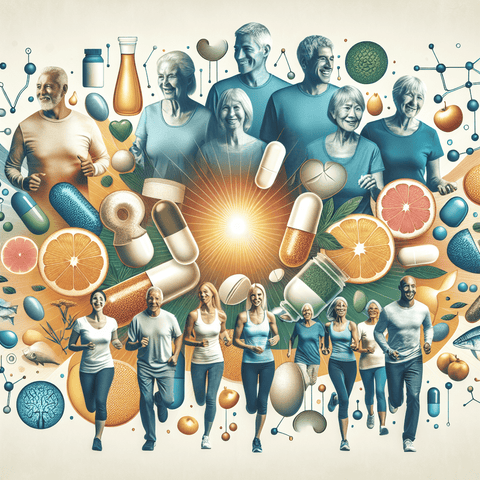
Experiencing a dip in energy is a common part of aging, but it doesn't have to define your daily life. The search for vitality boosters after 50 often leads to questions about lifestyle changes, dietary adjustments, and the potential role of nutritional supplements. This guide provides a broad overview of the topic, laying out the major areas to consider for anyone looking to reclaim their vigor. We'll explore the key factors that influence energy, from foundational sleep and exercise habits to important nutrients and how they support your body's natural processes.
What Does Vitality After 50 Mean?
Vitality is more than just the absence of fatigue; it encompasses a sense of physical energy, mental clarity, emotional well-being, and the stamina to engage in daily activities. After 50, many people experience age-related changes in metabolism, body composition, hormone levels, and sleep architecture that can affect these areas. Understanding that this is a multifaceted issue is the first step. It's not simply about finding a single “magic bullet,” but rather about adopting a holistic approach that addresses the various bodily systems involved in energy production and regulation.
When discussing vitality boosters after 50, it's crucial to distinguish between general age-related energy changes and symptoms that might signal an underlying health issue. While it's normal to feel a bit different than you did in your 30s, persistent and severe fatigue should always be discussed with a healthcare professional. This page focuses on general strategies for supporting energy, which can be a useful starting point for a broader conversation about your personal health.
Key Pillars of Daily Energy: Lifestyle Factors
Several daily lifestyle habits form the foundation of sustained energy. Optimizing these areas can have a significant impact on how you feel throughout the day.
Sleep, Physical Activity, and Hydration
Quality sleep is non-negotiable. As we age, sleep patterns often change, and prioritizing consistent sleep and wake times becomes more important. Regular physical activity, including a mix of resistance training, aerobic exercise, and balance work, helps maintain muscle mass, boost metabolism, and improve mood. Finally, proper hydration is fundamental; even mild dehydration can lead to feelings of fatigue and reduced concentration.
Stress Management and Gut Health
Chronic stress depletes energy reserves, making stress-management techniques like mindfulness, deep breathing, or spending time in nature essential. Emerging research also highlights the link between gut health and overall energy. A balanced gut microbiome, supported by fiber, prebiotics, and fermented foods, can influence inflammation and nutrient absorption, both of which play a role in how energetic you feel.
Nutritional Supplements as Support
While a balanced diet is the best source of nutrients, supplements can help address specific gaps or increased needs that are common after 50. They are meant to complement, not replace, a healthy lifestyle. Understanding the role of key nutrients is essential for choosing what might be right for you. Always consider supplements as part of a broader health strategy.
Vitamins and Minerals for Energy Metabolism
Certain vitamins and minerals are directly involved in converting food into cellular energy. The B-vitamin complex, iron, and magnesium are vital for these pathways. Vitamin D is also crucial, not only for bone health but also for muscle function and immune support. Deficiencies in these nutrients, which can be more common with age, may contribute to feelings of low energy. For example, you can explore high-quality multivitamins or targeted supplements like vitamin D to help ensure you're meeting your daily needs.
Other Important Nutrients
Besides vitamins and minerals, other nutrients can play a supporting role. Omega-3 fatty acids, known for their anti-inflammatory properties, may also support mood and cognitive function. Magnesium, in particular, is involved in over 300 bodily processes, including muscle and nerve function, and can be helpful for sleep quality. You can find dedicated supplements for these nutrients, such as magnesium for muscle and bone support and omega-3 fatty acids, to support your overall wellness plan.
Important Considerations for Your Health
Individual variability is significant when it comes to energy. Genetic factors, hormonal changes, medications, and existing health conditions all influence how your body produces and uses energy. There is no one-size-fits-all approach. What works for one person may not work for another, and finding the right balance for your body may require some consideration and adjustment.
Safety First: Supplements and Your Doctor
It is essential to prioritize safety when considering any supplement. Certain supplements can interact with medications or be inappropriate for individuals with specific health conditions. Always discuss any new supplement regimen with your healthcare provider to ensure it's safe and appropriate for you. They can also help you interpret symptoms and determine if a blood test is needed to identify any specific nutrient deficiencies.
Bringing It All Together: Your Path Forward
Reclaiming your energy after 50 is less about a single quick fix and more about building a sustainable, multi-faceted approach. It involves laying a solid foundation with healthy sleep, regular movement, balanced nutrition, stress management, and adequate hydration. From this foundation, you can consider whether targeted nutritional supplements might help fill in the gaps.
Websites like Topvitamine can serve as a resource for exploring vetted supplement options. Look for products with transparent labels and evidence-based ingredients. By taking a holistic view—addressing both your lifestyle and potential nutritional needs—you can take proactive steps toward enhancing your vitality and enjoying a more energetic and fulfilling life. Start by evaluating your current habits, consult a professional for personalized guidance, and consider what small changes you can make today.
Key Takeaways
- Vitality after 50 involves physical, mental, and emotional well-being.
- Prioritizing sleep, exercise, hydration, and stress management is foundational.
- Nutritional supplements can address specific gaps, but they complement a healthy lifestyle.
- Key nutrients for energy include B vitamins, vitamin D, magnesium, iron, and omega-3s.
- Individual needs vary; a personalized approach is essential.
- Always consult a healthcare provider before starting new supplements.
Frequently Asked Questions
What are the most common nutrient deficiencies after 50 that affect energy?
Common deficiencies that can impact energy include vitamin D, vitamin B12, iron, and magnesium. These nutrients are essential for various aspects of energy metabolism and overall health.
Can supplements replace sleep or exercise?
No. Supplements are not a substitute for foundational lifestyle habits like sleep and exercise. They are intended to complement a healthy lifestyle, not replace it.
How long does it take to notice energy improvements after starting a supplement plan?
The time frame can vary significantly depending on the individual and the type of supplement. Some people may notice a difference within a few weeks, while for others it may take longer. Consistent use and monitoring are key.
How should I start a supplement regimen safely if I am taking medications?
Always talk to your doctor or pharmacist first. They can review your current medications and health status to help you choose supplements that are safe and avoid potential interactions.
Which Topvitamine categories are most relevant for vitality after 50?
Relevant categories include multivitamins, vitamin D, magnesium, and omega-3 fatty acids, as these nutrients play important roles in energy metabolism, muscle function, and overall health.