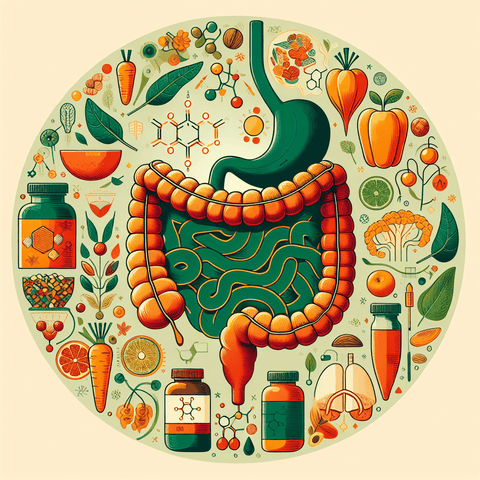
Vitamin A is a crucial fat-soluble nutrient that supports many bodily functions, from vision to immune health. However, taking in vitamin A through food or supplements is only the first step. The body must absorb this nutrient efficiently to use it effectively. This guide provides a broad overview of vitamin A absorption, the key factors that influence it, and practical considerations for supporting this process as part of a balanced nutritional approach.
What Is Vitamin A Absorption?
Vitamin A absorption refers to the complex journey this nutrient takes from the digestive tract into the body's tissues. It is a multi-step process involving digestive secretions, intestinal cells, and transport systems. Because vitamin A is fat-soluble, its absorption is closely tied to the digestion and uptake of dietary fats.
The process begins in the small intestine, where bile salts and pancreatic enzymes break down dietary fats and help incorporate vitamin A into micelles. These spherical structures transport the vitamin to the surface of enterocytes—the absorptive cells lining the intestinal wall. After being taken up by these cells, vitamin A is primarily packaged into chylomicrons, which then travel through the lymphatic system before eventually entering the bloodstream for distribution throughout the body.
Main Forms of Vitamin A
Understanding the different forms of vitamin A is useful because they are absorbed and processed differently by the body. Vitamin A can be divided into two main categories.
Preformed Vitamin A (Retinoids)
Preformed vitamin A includes retinol, retinal, and retinoic acid. Retinol and its esterified forms are found in animal-derived foods such as liver, fish, eggs, and fortified dairy products. The body can use preformed vitamin A directly, which makes it a highly efficient dietary source of this nutrient.
Provitamin A Carotenoids
Provitamin A carotenoids, such as beta-carotene, are found in orange and yellow fruits and vegetables like carrots, sweet potatoes, and squash, as well as in leafy green vegetables and some other plant foods. These plant pigments require an additional conversion step in the body before they can be used as vitamin A. This means their absorption and conversion efficiency can vary more significantly between individuals.
Because carotenoid conversion is less efficient, the body's ability to meet its vitamin A needs from plant sources alone is generally lower than when including well-absorbed preformed sources.
Key Factors Influencing Vitamin A Absorption
Several factors can influence how well the body absorbs vitamin A from the diet. Being aware of these can help you make informed decisions about nutrition and supplement use.
Dietary Fat Intake
Since vitamin A is fat-soluble, the presence of dietary fat in a meal is a major support for its absorption. Fat stimulates the gallbladder to release bile and the pancreas to release lipases—both necessary for the formation of the micelles that carry vitamin A to the intestinal lining. Including a source of unsaturated or saturated fat in meals that contain vitamin A-rich foods is generally considered a sound strategy to support absorption.
Digestive and Gut Health
Conditions that affect fat digestion or the integrity of the intestinal lining can reduce vitamin A absorption. These can include disorders of the liver, gallbladder, or pancreas, as well as conditions that affect the small intestine directly. In such situations, the ability to absorb fat and fat-soluble vitamins may be compromised.
Food Matrix and Preparation
The food matrix in which vitamin A is found can affect its bioavailability. For example, carotenoids from raw vegetables are generally less bioavailable compared to those from cooked, pureed, or finely chopped vegetables because processing breaks down plant cell walls, making the pigments more accessible. For this reason, lightly cooking vegetables with a small amount of fat can enhance carotenoid absorption.
Optimizing Vitamin A from the Diet
For most people, a varied and balanced diet provides an adequate amount of vitamin A along with the dietary fats needed to support its absorption. Simple practices can help support your body's ability to utilize this nutrient.
- Pair vitamin A-rich foods with a source of fat, such as cooking vegetables in olive oil or eating them with nuts, seeds, eggs, or fish.
- Prepare plant sources of carotenoids with cooking or processing, which can improve the accessibility of these nutrients.
- Include a mix of both animal-derived preformed vitamin A and plant-derived provitamin A carotenoids in your routine to benefit from different sources.
Vitamin A Supplements: What to Consider
Supplements can be a convenient way to help meet vitamin A needs, especially for individuals with specific dietary preferences or restrictions. However, because vitamin A is fat-soluble and stored in the body, it is possible to consume too much. It's important to approach supplementation with awareness.
When choosing a supplement, consider factors like the form of vitamin A used, the dosage, and the presence of other nutrients. Beta-carotene is a common form used in supplements because the body can regulate its conversion, which can help reduce the risk of excessive accumulation. Preformed vitamin A is also used and is highly bioavailable.
You can explore various multivitamin options that include vitamin A and other essential nutrients on our multivitamins guide page to see how this vitamin fits into a broader nutritional approach.
Broad Safety and Usage Considerations
Vitamin A is an essential nutrient, but balance is the key. While a deficiency can cause health issues, especially related to vision and immune function, consistently taking excessively high doses of preformed vitamin A can lead to toxicity. The upper limits set by health authorities are generally well above amounts found in a typical diet but can be exceeded with high-dose supplements.
This information serves as a general educational overview. It is not medical advice and should not replace the guidance of a qualified healthcare professional, particularly if you have an existing health condition or are considering taking high-dose supplements. If you are exploring dietary supplements, reviewing a range of natural supplements or learning about vitamin A sources and safety can be helpful first steps.
Exploring Vitamin A Absorption Further
This overview covers the main principles of vitamin A absorption. For those who want to delve into more specific areas, related articles often explore topics like the comparative absorption of beta-carotene versus retinol, the influence of particular foods, and the potential impact of certain medications or health conditions. Exploring these focused topics can provide a deeper understanding of this important nutrient's role in health.