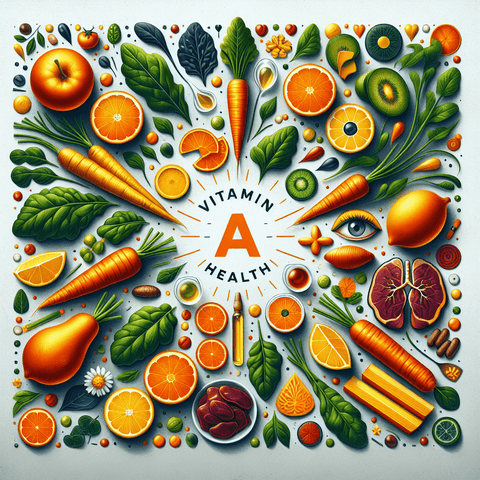
Vitamin A is a fat-soluble nutrient that supports several essential functions in the body, including normal vision, immune system function, skin maintenance, and cellular communication. Understanding vitamin A benefits means looking at the nutrient as a family of related compounds rather than a single substance, because the form and source of vitamin A influence how the body uses it and how much may be appropriate to consume.
This page offers a broad, evidence-based overview of the topic. It introduces the main types of vitamin A, explains how dietary sources differ, outlines general intake guidelines, and highlights important safety considerations. For specific questions about deficiency symptoms, interactions, or daily intake effects, readers can explore the more detailed articles associated with this tag.
What Is Vitamin A and Why Does It Matter?
Vitamin A refers to a group of fat-soluble compounds that the body cannot produce on its own in sufficient amounts, so it must be obtained through diet or supplements. It is involved in the normal functioning of the retina, the maintenance of epithelial tissues, immune defenses, and various cellular processes. Because it is fat-soluble, vitamin A is stored in the liver and other tissues, which means the body can draw on reserves over time.
Health authorities describe vitamin A intake in terms of micrograms of retinol activity equivalents (RAE). This unit accounts for the different absorption and conversion rates of preformed vitamin A and provitamin A carotenoids, making it a practical way to compare contributions from various foods and supplements.
The Two Main Types: Preformed Vitamin A and Provitamin A Carotenoids
Vitamin A is commonly categorized into two main groups based on its dietary origin and how the body handles it.
- Preformed vitamin A (retinol and related esters): Found in animal-derived foods such as liver, oily fish, eggs, and dairy products. It is readily used by the body but can accumulate to high levels if consumed in excess over time.
- Provitamin A carotenoids (such as beta-carotene): Found in plant foods like carrots, sweet potatoes, spinach, and other colorful fruits and vegetables. The body converts these into vitamin A as needed, and conversion efficiency varies between individuals and food sources.
Because these forms behave differently in the body, they are relevant when evaluating dietary patterns, food fortification, and supplement labels. Understanding the distinction helps readers interpret nutrition information more accurately.
Dietary Sources of Vitamin A
A varied diet can provide vitamin A from both animal and plant sources. Common examples include:
- Liver and organ meats
- Oily fish such as salmon and mackerel
- Eggs and dairy products
- Dark green leafy vegetables like spinach and kale
- Orange and yellow vegetables such as carrots, sweet potatoes, and squash
- Fruits such as mango, apricots, and cantaloupe
The food matrix, cooking methods, and the presence of dietary fat can affect how much vitamin A or provitamin A is absorbed. Fortified foods may also contribute to intake, which is why reading labels can be useful when tracking overall consumption.
General Intake Guidelines and Factors That Influence Needs
Recommended intake of vitamin A varies by age, sex, pregnancy status, and lactation. Health authorities provide guidance in micrograms of RAE per day, with different reference values for different population groups. These recommendations are designed to support normal physiological functions and to help prevent deficiency.
Several factors can influence individual needs, including overall diet quality, absorption efficiency, and life stage. Because vitamin A is stored in the body, consistently exceeding recommended intake over long periods can lead to accumulation and potential adverse effects, particularly with preformed vitamin A from supplements or fortified foods.
Safety Considerations and Upper Intake Levels
Safety is an important dimension of vitamin A. Because it is fat-soluble, high intakes of preformed vitamin A over time can exceed the body's storage and processing capacity, and upper intake levels have been established by health authorities to help prevent adverse effects. Provitamin A carotenoids from plant sources are generally considered to have a lower risk of toxicity, though very high intakes can still have other effects.
For readers using supplements, it is advisable to check product labels, stay within established upper intake levels, and seek personalized advice from a healthcare professional when uncertain. Certain interactions with medications or other supplements may also be relevant, and these are best discussed with a qualified health provider.
If you are exploring supplement options, you can review our vitamin A supplement category for products that align with the topics discussed here. For a wider view of nutrient categories, our natural supplements collection offers additional context.
How Vitamin A Relates to Other Nutrients and Supplements
Vitamin A is one of several micronutrients that contribute to normal health. It is often discussed alongside other fat-soluble vitamins such as vitamins D, E, and K, as well as minerals like zinc, which is involved in vitamin A metabolism. Multivitamin products may include vitamin A in various forms, and understanding how it fits into a broader supplement routine can help readers make informed choices.
If you are considering a combined supplement approach, our multivitamins guide provides a helpful overview of ingredients, usage, and safety.
Exploring Vitamin A Further
This page is intended as a broad introduction to vitamin A benefits, types, sources, and safety. More specific questions, such as the symptoms of low vitamin A, what not to mix with vitamin A, or the effects of taking vitamin A every day, are addressed in the individual articles associated with this tag. Readers can use this hub as a starting point to understand the topic's major dimensions and then explore the deeper dives that match their interests.