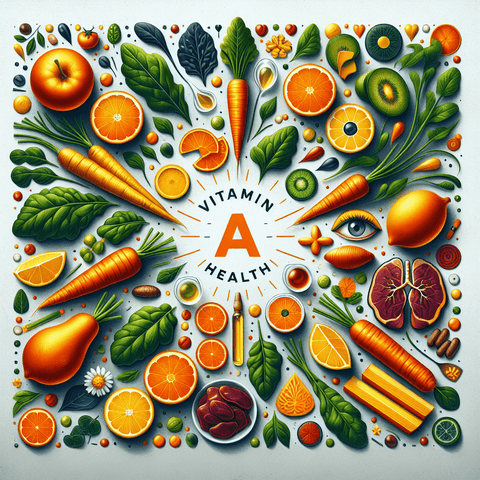
Vitamin A dietary sources refer to the foods and food groups that contain vitamin A in its various forms. Vitamin A is a fat-soluble nutrient that occurs naturally in both animal and plant foods, but it does not appear in the same chemical form across all sources. This distinction is central to understanding how dietary sources are described in nutrition literature and food composition databases.
This page provides a broad overview of vitamin A dietary sources, including the main forms of vitamin A found in foods, common examples of animal and plant sources, how potency is compared across different foods, and the general terminology used in nutrition resources. More specific questions about individual foods, intake levels or related nutrients are explored in the dedicated articles associated with this topic.
What Vitamin A Is and Why It Appears in Different Forms
Vitamin A is a group of related compounds rather than a single substance. In foods, it occurs in two broad categories: preformed vitamin A, also known as retinoids, and provitamin A carotenoids. This classification is fundamental to how dietary sources are organized and compared.
- Preformed vitamin A (retinoids): Found primarily in animal-derived foods such as liver, oily fish, eggs and dairy products.
- Provitamin A carotenoids: Found in plant-based foods such as carrots, sweet potato, spinach, squash and apricots. These compounds require conversion within the body to become active vitamin A.
The conversion of provitamin A carotenoids to active vitamin A can vary across individuals, which is one reason dietary sources are typically discussed in terms of categories rather than a single universal label. In nutrient databases, potency across different sources is compared using units such as retinol activity equivalents (RAE), which help standardize how different forms of vitamin A are described.
Common Animal and Plant Sources of Vitamin A
Vitamin A dietary sources are often grouped by whether they come from animals or plants. This grouping reflects the different forms of vitamin A they contain and how those forms are described in food composition tables.
Animal-Derived Sources (Preformed Vitamin A)
- Liver and organ meats
- Oily fish such as salmon, mackerel and herring
- Eggs, particularly the yolk
- Dairy products such as milk, cheese and butter
Plant-Based Sources (Provitamin A Carotenoids)
- Carrots
- Sweet potato
- Spinach and other leafy green vegetables
- Squash and pumpkin
- Apricots and other orange or yellow fruits
These lists are illustrative rather than exhaustive. Food composition tables and nutrient databases provide more detailed information about specific amounts per serving and how different foods compare when expressed in standard units.
How Vitamin A Sources Are Compared and Described
Because vitamin A occurs in different forms, nutrition resources use standardized units to compare sources. Retinol activity equivalents (RAE) are one such unit, allowing preformed vitamin A and provitamin A carotenoids to be described on a common scale. This is why food composition tables often list vitamin A content in micrograms (mcg) RAE rather than in international units (IU), although IU values may still appear in some sources.
For readers exploring vitamin A dietary sources, understanding these units can help when comparing foods or reading nutrition labels. However, the topic is broad, and specific intake recommendations vary by age, sex and life stage. General reference values are typically provided by authoritative bodies such as the NIH Office of Dietary Supplements, the USDA, the NHS and the European Food Safety Authority (EFSA).
Practical Considerations Around Vitamin A Intake
A varied diet that includes both animal and plant foods can provide vitamin A in its different forms. However, several factors can influence how vitamin A is absorbed or utilized by the body. These include fat malabsorption, certain liver conditions, zinc status and excessive alcohol intake. These factors are often discussed in nutrition literature as part of the broader context of vitamin A status.
It is also worth noting that preformed vitamin A from animal sources and supplements can accumulate in the body, and very high intakes over time may carry risks. This is one reason why general information about dietary sources is descriptive rather than prescriptive, and why specific questions about safe upper limits or individual needs are best directed to qualified healthcare professionals.
Exploring Vitamin A and Related Nutrition Topics
Vitamin A dietary sources sit within a wider context of fat-soluble vitamins, antioxidant nutrients and general nutrition. Readers interested in related topics may find it useful to explore vitamin A benefits, sources and safety as well as vitamin E and antioxidant cell health and multivitamin ingredients, usage and safety. These categories provide broader context for understanding how vitamin A fits into general nutrition and supplement considerations.
For more specific questions about individual foods, intake levels or related nutrients, the articles associated with this tag provide deeper exploration of those narrower topics.