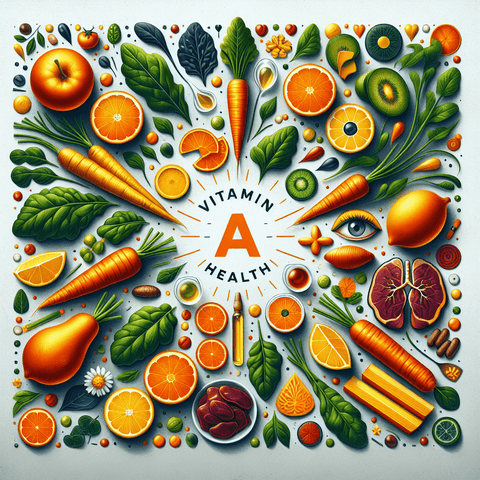
Vitamin A-rich foods include a wide range of animal and plant products, from eggs, oily fish, dairy and liver to carrots, sweet potatoes, spinach, kale, red peppers and mangoes. This page provides a broad overview of the topic: what vitamin A is, the main food sources, how daily amounts are expressed, and practical considerations for incorporating these foods into everyday meals. More specific questions are covered in the related articles associated with this tag.
What Is Vitamin A? Preformed Retinol vs. Provitamin A Carotenoids
Vitamin A is a fat-soluble vitamin that contributes to the normal function of the immune system and supports the maintenance of normal vision and skin. In food, it appears in two distinct forms, and knowing the difference helps explain why food lists for vitamin A look so varied.
- Preformed vitamin A (retinol): found in animal products such as eggs, oily fish, dairy products and liver. The body can use this form directly.
- Provitamin A carotenoids (such as beta-carotene): found in colorful plant foods. The body converts these carotenoids into active vitamin A, with conversion efficiency varying between individuals and food types.
This distinction matters in practice: people who eat few animal products can still obtain vitamin A from plant sources, but the amounts and conversion rates differ from preformed retinol. A mixed diet that draws on both groups is the simplest way to broaden intake.
The Main Vitamin A-Rich Foods
Foods high in vitamin A generally fall into two groups. The following lists provide broad, kitchen-friendly examples rather than precise per-serving values, which vary by product, portion size and preparation method.
Animal-based sources of preformed vitamin A
- Eggs, particularly the yolk.
- Oily fish, such as salmon and other fatty fish varieties.
- Dairy products, including milk, butter and fortified dairy items.
- Liver, which is an especially concentrated source of preformed vitamin A.
Plant-based sources of provitamin A carotenoids
- Carrots and sweet potatoes.
- Dark leafy greens such as spinach and kale.
- Red bell peppers.
- Fruits such as mangoes and apricots.
Many of these plant foods overlap with other nutrient-dense categories. For readers interested in broadening this area of their diet, our superfoods category offers additional food-based options.
Daily Amounts: Understanding mcg RAE
Official vitamin A requirements are expressed in micrograms of retinol activity equivalents (mcg RAE), a unit that accounts for both preformed vitamin A and converted carotenoids. General reference guidance places adult men around 900 mcg RAE per day and adult women around 700 mcg RAE per day, with different levels applying during pregnancy or lactation and lower or adjusted needs in some circumstances.
A workable meal-planning approach is to distribute intake across the day rather than relying on a single source: for example, combining a serving of vegetables with a dairy portion and a protein source. Nutrition labels and official reference values can help translate these figures into realistic portions. Precise tracking is not usually necessary when the diet already includes a variety of the foods listed above.
Absorption and Practical Incorporation Tips
Because vitamin A is fat-soluble, a few simple kitchen habits can support how well carotenoid-rich foods are used by the body:
- Pair carotenoid-rich vegetables, such as carrots, sweet potato, spinach or kale, with a source of dietary fat, such as olive oil, nuts or dairy.
- Use easy swaps: choose sweet potatoes over white potatoes, use darker greens instead of lighter salad leaves, and add peppers or mangoes to snacks and bowls.
- Keep convenient staples on hand, such as eggs, fortified dairy and frozen vegetables, so that vitamin A sources are easy to add to regular meals.
Cooking and storage can influence how much vitamin A or beta-carotene a food ultimately delivers, and certain factors can affect the body's vitamin A status. These more detailed questions, including how different preparation methods and lifestyle factors play a role, are addressed in the individual articles under this tag.
Vitamin A in Supplements: Where They Fit
For most people eating a varied diet, vitamin A-rich foods are the primary route to meeting daily needs. Supplements can provide vitamin A or beta-carotene in concentrated form, and they are often included in multivitamin formulations. As with any fat-soluble vitamin, intake above recommended levels is a consideration, so anyone thinking about supplements should check labels, compare amounts with official guidelines, and consult a qualified professional where appropriate. Our vitamin A supplements collection provides an overview of the available options, and our multivitamins guide category can help readers who prefer a broader, combined formulation.
Key Considerations at a Glance
To summarize the main practical takeaways for vitamin A-rich foods:
- Include a mix of animal and plant sources to cover both preformed vitamin A and provitamin A carotenoids.
- Pair carotenoid-rich foods with dietary fat and check labels for mcg RAE values.
- Stay within official guidelines, and seek personalized advice from a qualified professional when in doubt.
The information on this page is general and educational in nature and is not intended as personalized medical advice. Explore the related articles below for deeper dives into specific vitamin A topics.