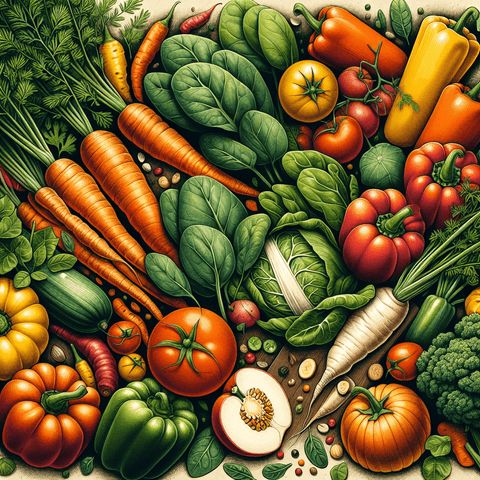
Vitamin A rich root vegetables are a colorful and versatile group of underground crops that can contribute provitamin A carotenoids to the diet. This page offers a broad overview of which root vegetables are notable for their vitamin A content, why this nutrient matters, and how to include these vegetables in everyday meals. Whether you are exploring new ingredients or looking to diversify your nutrient intake, understanding the role of these vegetables can help you make informed food choices.
What Makes a Root Vegetable Rich in Vitamin A?
Root vegetables that are rich in vitamin A typically contain carotenoids, especially beta-carotene, which gives them their orange, yellow, or deep green colors. The body can convert some of these carotenoids into vitamin A, although the conversion rate varies. Vegetables like carrots and sweet potatoes are well-known examples, but other roots such as pumpkin and butternut squash also provide varying amounts of carotenoids. It is important to note that vitamin A content can differ significantly between types and even within varieties, and cooking can affect how much is retained or absorbed.
Major Root Vegetables and Their Vitamin A Potential
Several root vegetables stand out for their potential vitamin A contribution. The table below provides approximate values for provitamin A carotenoids, expressed in micrograms of retinol activity equivalents (RAE) per 100 grams. These values are based on general USDA data and can vary depending on variety, growing conditions, and preparation.
- Sweet potato (baked, with skin): approximately 960 RAE per 100g
- Carrots (raw): approximately 835 RAE per 100g
- Pumpkin (cooked): approximately 426 RAE per 100g
- Butternut squash (cooked): approximately 558 RAE per 100g
- Beets (cooked): approximately 2 RAE per 100g
- Turnips (cooked): approximately 0 RAE per 100g
While sweet potatoes and carrots are often highlighted as top sources, other root vegetables may contain smaller amounts. It is worth noting that some root vegetables, like beets and turnips, are not significant sources of provitamin A but offer other nutrients and culinary benefits. For those seeking to increase vitamin A intake, focusing on the more concentrated sources is practical.
Why Vitamin A Matters for Your Body
Vitamin A is involved in several normal bodily functions, including maintaining healthy vision, supporting immune system function, and contributing to skin health. However, it is important to obtain vitamin A from a balanced diet rather than relying on single foods. Root vegetables can be part of that balanced approach, providing not only provitamin A but also fiber, potassium, and antioxidants. As with all nutrients, excessive intake of preformed vitamin A from supplements or animal sources can be harmful, but provitamin A from plant foods is generally considered safe because the body regulates conversion.
How Cooking and Absorption Affect Vitamin A from Root Vegetables
The bioavailability of carotenoids from root vegetables can be influenced by cooking methods and the presence of dietary fat. Cooking can break down cell walls, making carotenoids more available for absorption, but excessive heat may reduce some nutrient content. Pairing these vegetables with a source of healthy fat, such as olive oil, avocado, or nuts, may enhance the absorption of fat-soluble carotenoids. Steaming, roasting, and stir-frying are common methods that preserve texture and flavor while supporting nutrient availability. Raw consumption also provides nutrients but may result in lower carotenoid absorption compared to cooked versions.
Tips for Choosing, Storing, and Using Root Vegetables
When selecting root vegetables, look for firm, unblemished specimens with vibrant colors. Avoid ones that are soft, shriveled, or have mold. Store them in a cool, dark, and dry place or in the refrigerator, depending on the type. For example, carrots and beets keep well in the refrigerator, while sweet potatoes prefer a cool pantry. Before cooking, scrub or peel as desired and cut into uniform pieces for even cooking. These vegetables can be roasted, steamed, mashed, pureed into soups, or grated raw into salads. Experimenting with herbs, spices, and citrus can bring out their natural sweetness and make meals more enjoyable.
Vitamin A Supplements and Related Nutrients
While food sources are generally recommended for meeting nutrient needs, some individuals may consider supplements. Vitamin A supplements can vary in form and dosage, and it is important not to exceed recommended limits without medical supervision. For those interested in exploring supplements, our vitamin A benefits, sources, and safety guide provides detailed information. Additionally, if you are looking for a broader range of nutrients, you might explore our natural supplements collection. Always consult a healthcare professional before starting any new supplement, especially if you have underlying health conditions or are taking medications.
Exploring More About Vitamin A and Root Vegetables
Root vegetables offer a practical and flavorful way to include provitamin A carotenoids in your diet. They can be part of a varied eating pattern that supports overall health. For more specific topics, such as the best vegetable for vitamin A or how to incorporate more root vegetables into meals, explore the related articles on this page. If you are considering supplements, remember that whole foods should be the foundation of your nutrient intake, and supplements are not a substitute for a balanced diet.